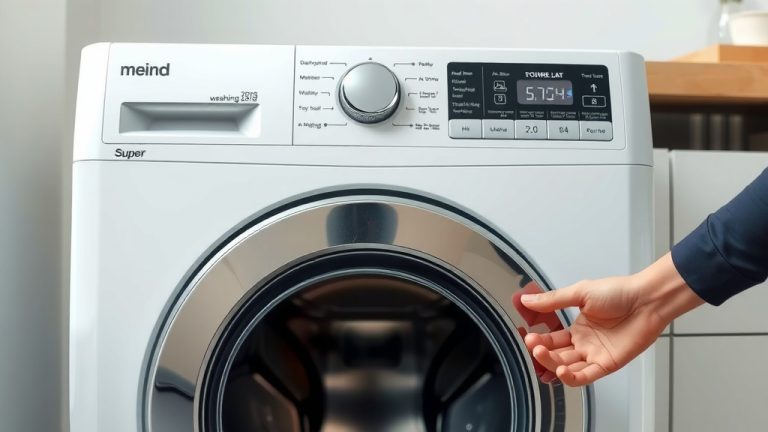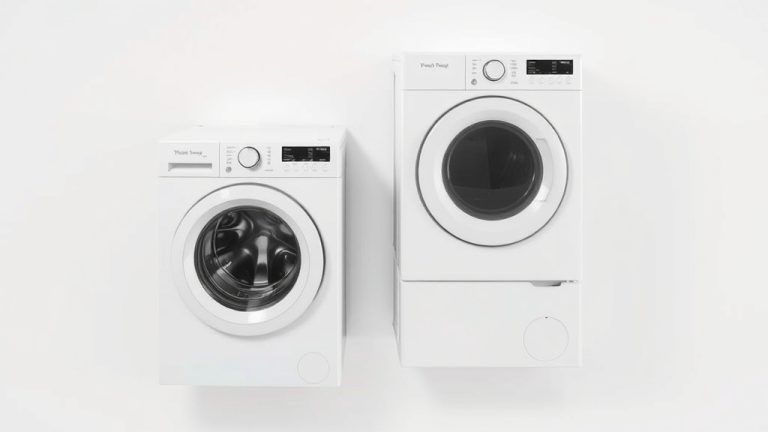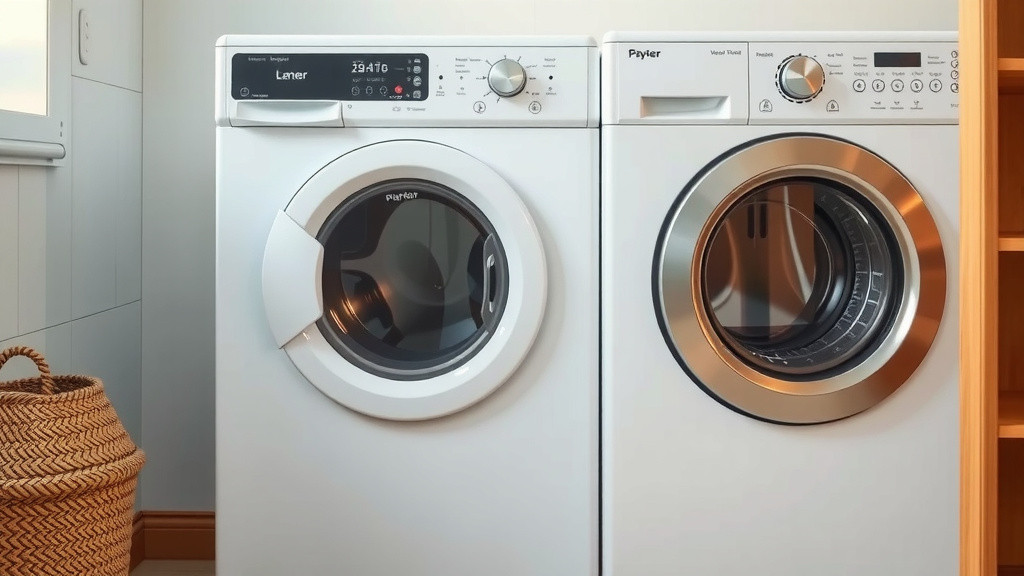
Washer Dryer Combo What It Is and How It Works
When you’re looking for a single appliance that can both wash and dry your clothes, you’re likely searching for a washer-dryer combo. This handy device combines the functions of a traditional washing machine and a separate clothes dryer into one space-saving unit. It’s a popular choice for apartments and smaller homes where space is at a premium.
This all-in-one laundry solution can be a real game-changer for your chore routine. We found that many people are looking for ways to simplify their laundry process. A washer-dryer combo offers that convenience by handling the entire wash-and-dry cycle without you needing to move wet clothes to a second machine, saving you time and effort.
- A washer-dryer combo washes *and* dries clothes in one machine.
- It’s also called a combination washer-dryer.
- They are great for small spaces like apartments.
- No more moving wet clothes to a separate dryer!
Below, we’ll break down exactly what these convenient machines are and what you should know before you buy one.
What Do You Call a Washing Machine That Also Dries?
If you’re wondering what to call a washing machine with a dryer function, you’re most likely looking for a washer-dryer combo. This clever appliance is designed to handle both washing and drying cycles within a single unit. It’s a brilliant solution for anyone looking to save space and simplify their laundry routine.
Understanding the Washer-Dryer Combo
A washer-dryer combo unit does exactly what its name suggests: it washes your clothes and then dries them, all in the same drum. You simply load your dirty laundry, select your wash cycle, and then choose whether you want it to dry afterward. It’s a two-in-one marvel.
Common Names for These Appliances
While “washer-dryer combo” is the most common term, you might also hear them referred to as:
- Combination washer-dryer
- All-in-one laundry unit
- Stackable washer-dryer (if designed to be placed one on top of the other, though combos are typically side-by-side or in a single column)
- Compact washer-dryer
The key feature is the integration of both functions. This means you avoid the extra step of transferring wet clothes to a separate dryer. It’s a real convenience for busy households.
How Does a Washer-Dryer Combo Work?
These machines operate in two main stages. First, they perform a standard washing cycle, using water and detergent to clean your clothes. Once the wash cycle is complete, the machine begins the drying process. It typically uses a heating element and a fan to circulate hot air through the drum. Some models use condensation drying, where moist air is cooled and the water is drained away. Others vent moisture outside, similar to traditional dryers.
Ventless vs. Vented Combos
Most washer-dryer combos are ventless. This is a major advantage if you don’t have an external vent hookup. Ventless dryers use a condenser to cool the hot, moist air, turning the water into liquid that is then drained away. Vented combos are less common and require a dryer vent to be installed, just like a standard dryer.
Benefits of Owning a Washer-Dryer Combo
Why are so many people drawn to these all-in-one machines? The advantages are quite compelling, especially for those with limited living space or a desire for simpler chores.
Space-Saving Design
This is perhaps the biggest selling point. In an apartment, condo, or small home, you might not have room for both a full-sized washer and a separate dryer. A combo unit takes up the footprint of just one appliance. This frees up valuable floor space for other uses. We found that this is especially important in urban living environments where every inch counts.
Convenience and Time Savings
Imagine this: you start a load of laundry before bed, and by morning, it’s washed and dried. No more forgetting wet clothes in the washer, leading to musty smells. No more switching loads mid-cycle. The entire process can be automated. Research suggests that reducing the number of steps in a chore can lead to a greater likelihood of completing it (Cornell University). This means fewer forgotten loads!
Energy Efficiency Considerations
Many modern washer-dryer combos are designed with energy efficiency in mind. They often use less water than traditional washing machines. However, the drying cycle can use a significant amount of electricity, especially in ventless models. You’ll want to compare the energy ratings of different models. Look for the ENERGY STAR label when you shop.
| Feature | Washer-Dryer Combo | Traditional Separate Washer & Dryer |
|---|---|---|
| Space Needed | Footprint of one appliance | Footprint of two appliances |
| Loading/Unloading | One load, one transfer (if needed for drying only) | Two loads, two transfers |
| Installation | Simpler, often requires only water and drain hookup (ventless) | Requires water, drain, and dryer vent hookup |
| Capacity | Generally smaller capacity per load | Typically larger capacity per load |
| Drying Time | Can be longer, especially ventless models | Generally faster drying times |
Ideal Use Cases
Who benefits most from a washer-dryer combo? We found that they are a perfect fit for:
- Apartment dwellers
- Renters who can’t install external vents
- Small homeowners
- People looking to declutter their laundry room
- Individuals who want to automate their laundry process
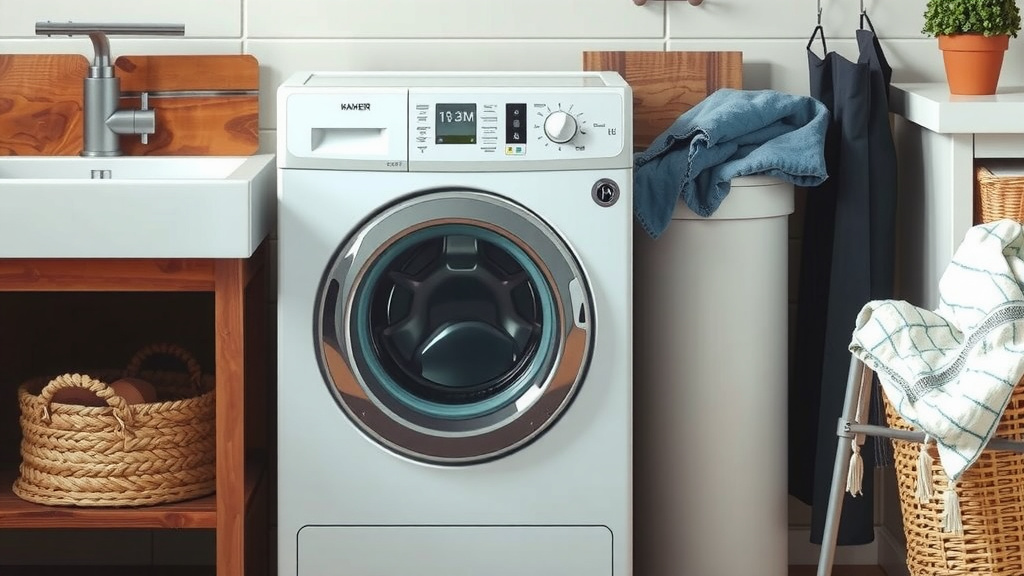
What to Consider Before Buying
Before you make the leap, there are a few things to keep in mind. These machines have unique characteristics you should be aware of.
Capacity Limitations
Because they are often compact, washer-dryer combos typically have a smaller drum capacity than standard, separate machines. This means you might need to do more frequent, smaller loads. If you have a large family or generate a lot of laundry, this could be a drawback. Many experts suggest checking the load size against your typical laundry needs.
Drying Cycles Can Take Longer
A wash-and-dry cycle on a combo unit can take several hours to complete. This is because the machine needs to wash, spin, heat, and dry all in one go. Traditional dryers are often much faster. If you need clothes dried in a hurry, you might find the combo a bit slow. However, for overnight or planned laundry, it’s usually not an issue.
Ventless vs. Vented Installation
As mentioned, most are ventless, which is great for installation flexibility. However, ventless drying can sometimes leave clothes slightly damp if the load is too large. It also releases more heat and humidity into the room, which can be a consideration in warmer climates. Vented models are rare for combos but perform more like standard dryers if you have the option.
Maintenance and Repair
Like any appliance, combos require regular maintenance. Cleaning the lint filter and drum is essential. Because it’s a single unit with two complex functions, repairs might sometimes be more involved than for separate machines. Researching warranty options and local repair services is wise.
Here’s a quick checklist to help you decide:
- Measure your space carefully.
- Check the drum capacity against your laundry habits.
- Consider how quickly you need clothes dried.
- Confirm if you need a ventless or vented model.
- Read reviews for specific brands and models.
- Understand the warranty and repair options.
Conclusion
You’ve learned that a washing machine with a dryer function is most commonly called a washer-dryer combo. These handy appliances offer a smart solution for saving space and simplifying your laundry tasks, especially if you live in an apartment or smaller home. While they come with benefits like convenience and automation, remember to consider their typically smaller capacities and potentially longer drying cycles. When choosing one, weigh your laundry needs against the unit’s features.
Now that you’re informed, your next step is to measure your space and check the capacity of models that catch your eye. Happy laundry room planning!
Frequently Asked Questions
Can a washer-dryer combo replace my separate washer and dryer?
For many people, especially those in smaller living spaces, a washer-dryer combo can indeed replace separate machines. It handles both washing and drying in one unit, offering a complete laundry solution. Just be mindful of its capacity limits compared to traditional, larger appliances.
Are washer-dryer combos energy efficient?
Many modern washer-dryer combos are designed for good energy efficiency, often using less water than older machines. However, the drying cycle, particularly in ventless models, can consume a fair amount of electricity. Always check the ENERGY STAR rating to compare models.
How long does a wash and dry cycle take in a combo unit?
A full wash and dry cycle on a washer-dryer combo can take several hours, often longer than separate machines. This is because the unit must complete both processes sequentially. For overnight laundry or planned cycles, this isn’t usually a problem, but it’s slower if you need clothes dried quickly.
Do I need a special vent for a washer-dryer combo?
Most washer-dryer combos are ventless, meaning they don’t require an external vent like a traditional dryer. They use condensation to dry clothes, and the moisture is drained away. This makes installation much more flexible, especially in apartments or rental units.
What is the biggest drawback of a washer-dryer combo?
The primary drawback is often capacity. Because they are designed to be compact, their drums are generally smaller than those in separate washing machines and dryers. This means you might have to do more frequent loads, which can be inconvenient if you have a large family or a lot of laundry.