What’s Inside Your Unit Washer and Dryer Explained
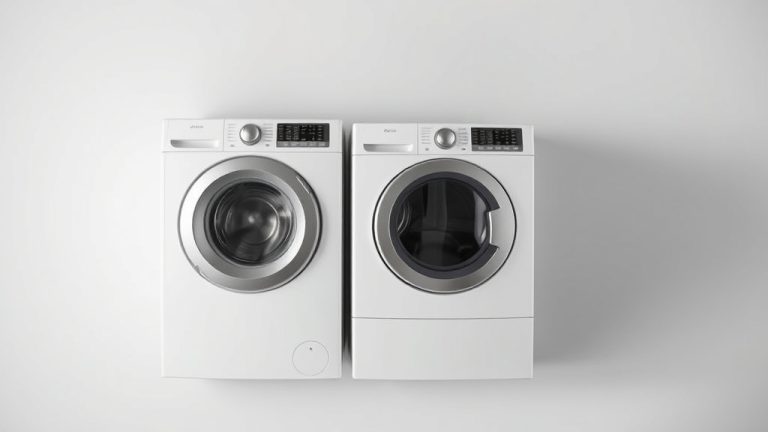
A unit washer and dryer, often called a stacked or all-in-one unit, is a space-saving laundry solution. It combines both a washing machine and a dryer into a single appliance, typically with the dryer stacked on top of the washer. This design is perfect for homes with limited laundry room space.
This compact setup is incredibly convenient for apartments, small homes, or even as a secondary laundry option. You get the full functionality of separate machines without needing twice the floor space. We found that many homeowners appreciate the ease of transferring wet clothes directly from the washer to the dryer.
- It’s a washer and dryer in one unit.
- Saves a lot of floor space.
- Great for small living areas.
- Dryer is usually stacked on top.
Let’s walk through exactly what you can expect from a unit washer and dryer setup and why it might be the perfect fit for your home.
Understanding the All-in-One Laundry Unit
So, you’re wondering what exactly goes into a unit washer and dryer? Think of it as a cleverly designed space-saver. It’s essentially two appliances, a washer and a dryer, housed within a single cabinet. Most commonly, you’ll find the dryer stacked directly on top of the washer. This configuration is a real game-changer for those with limited square footage.
We’ve found that this setup is incredibly popular for apartments, condos, and even RVs. It offers the convenience of doing your laundry right at home. You don’t have to sacrifice floor space for separate machines. It’s a practical solution for busy lives and smaller living spaces. Many people love that they can do a load of laundry without leaving their unit.
How a Unit Washer and Dryer Works
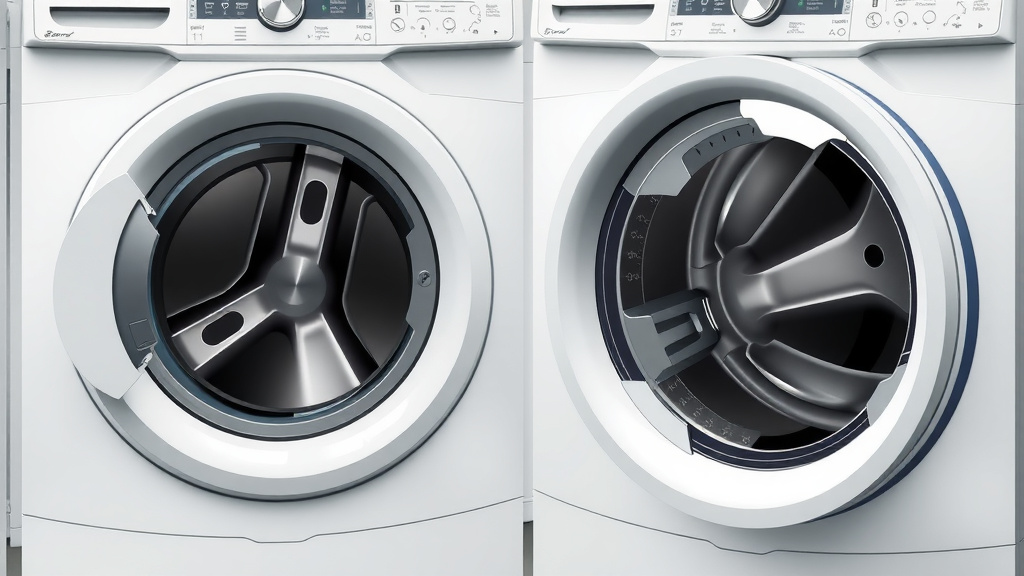
The magic behind these units is how they integrate two functions into one appliance. You load your dirty clothes into the washer section, just like you would with a standard washing machine. After the wash cycle is complete, the wet clothes remain in the same drum.
Then, you simply select the drying cycle. The same drum that just washed your clothes now uses heat and tumbling to dry them. This direct transfer eliminates the need to move wet clothes between machines. It’s a streamlined process designed for efficiency and ease of use.
The Washing Component
The washing part of an all-in-one unit operates much like a traditional front-load washer. You’ll have various cycles for different fabric types and soil levels. Water enters the drum, detergent is added, and the drum spins to clean your clothes. Most units use a high-efficiency (HE) system, which means they use less water and energy.
You’ll typically add detergent and fabric softener to designated dispensers. Controls are usually located on the front panel, offering clear options for wash temperature, spin speed, and cycle selection. We found that most users appreciate the familiarity of the washing process.
The Drying Component
Once the wash cycle finishes, the drying function takes over. For a traditional stacked unit, the dryer uses the same drum as the washer. It heats the air and tumbles the clothes to remove moisture. Think of it like a miniature version of a standard dryer.
The heating method is usually electric or gas. Electric dryers use heating elements, while gas dryers use a gas burner. Ventless dryers are also common in these units. They condense the moisture from the clothes instead of venting it outside. This makes them ideal for spaces without external venting.
Types of Unit Washers and Dryers
When you’re looking at all-in-one laundry units, you’ll primarily find two main types. Each has its own benefits depending on your needs and home setup. Understanding these differences can help you make the best choice.
Stacked Units
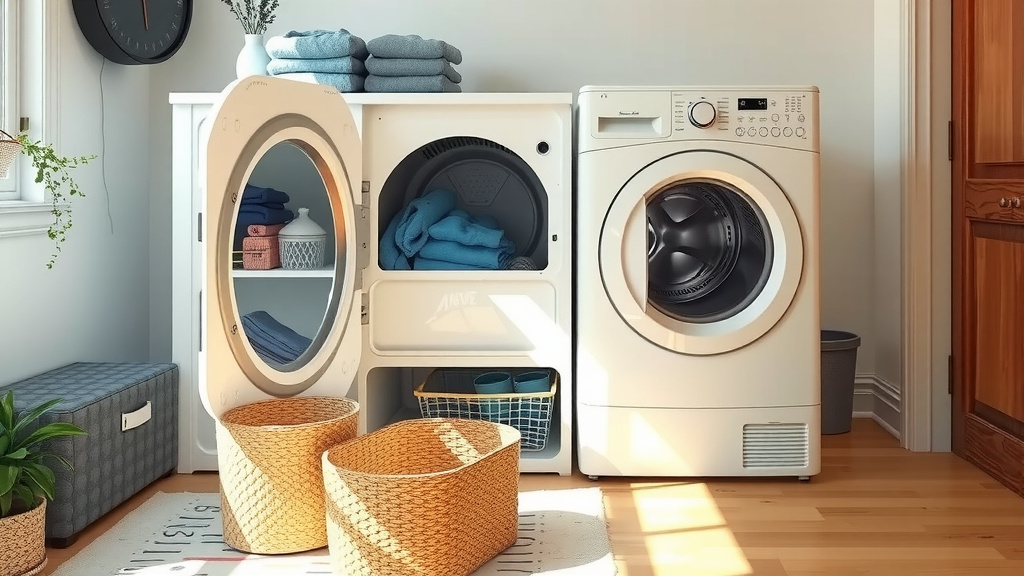
These are the most common. The dryer is literally stacked vertically on top of the washer. This design is the ultimate space-saver, taking up a footprint similar to a single appliance. They are incredibly popular in smaller homes and apartments where every inch counts.
You load and unload from the front for both the washer and the dryer. This requires a bit of reaching for the dryer, but many people find it manageable. We found that these units are great for maximizing vertical space.
All-in-One Combination Units
This type is a bit less common but offers a unique approach. Instead of two separate components stacked, it’s a single machine that washes and then dries in the same drum. It’s like a super-washer that also happens to be a dryer.
These are often ventless, using a condenser drying system. They are exceptionally compact. However, they typically have smaller capacities than stacked units. They’re a good fit if you have very limited space and don’t do large loads of laundry.
Key Features to Expect
Beyond the basic wash and dry functions, modern unit washer and dryer combos come with a host of features. These are designed to make your laundry routine easier and more efficient. You might be surprised by the technology packed into these compact appliances.
Capacity and Size Considerations
This is a big one. Because they are designed for space-saving, unit washer and dryers often have a smaller capacity than standard machines. Many are around 2.0 to 2.5 cubic feet. This is usually sufficient for individuals or couples.
If you have a large family or tend to do very large loads, you might find yourself doing laundry more frequently. It’s important to check the specific dimensions and capacity of any unit you consider. Measure your intended space carefully before you buy.
Energy and Water Efficiency
Most modern unit washer and dryers are built with energy efficiency in mind. Look for the ENERGY STAR label. These appliances are designed to use less water and electricity, which can save you money on utility bills over time. Many experts agree that high-efficiency models are a smart choice for both your wallet and the environment.
Specialty Cycles and Settings
You’ll find a variety of wash cycles on these units. This includes options for delicates, heavy-duty cleaning, quick washes, and sanitizing. Many also offer steam cycles, which can help remove wrinkles and allergens. The dryer settings usually include timed dry, sensor dry (which detects when clothes are dry), and various temperature options.
Is a Unit Washer and Dryer Right for You?
Deciding if an all-in-one unit fits your lifestyle depends on a few factors. Think about your living situation and your laundry habits. It’s a fantastic solution for many, but not necessarily for everyone.
Consider these points:
- Space limitations: If you have very little room, this is likely your best bet.
- Household size: Smaller capacities work best for 1-2 people.
- Frequency of laundry: Large families might find themselves running multiple loads.
- Venting options: Ventless models offer more installation flexibility.
- Budget: Initial costs can vary, but long-term energy savings are a plus.
We found that the convenience of having laundry facilities right where you live is a major draw for many homeowners. If you value compact design and functionality, an all-in-one unit could be perfect for your home.
Conclusion
You’ve learned that a unit washer and dryer is a clever, space-saving appliance. It combines washing and drying functions into one compact unit, often with a stacked design. This makes it perfect for apartments, small homes, or anyone needing to maximize their living area. While capacities might be smaller than traditional machines, the convenience and efficiency are undeniable. We found that for many households, especially singles or couples, these units offer a practical laundry solution. Consider your laundry habits and available space to see if this all-in-one approach is your next smart home addition. Take the next step by measuring your space and comparing different models to find the perfect fit for your needs!
Frequently Asked Questions
Do unit washer and dryers clean clothes as well as separate machines?
Yes, most unit washer and dryers perform just as well as their standalone counterparts. They typically use the same washing and drying technologies, offering various cycles for different fabric types and soil levels. You can expect clean and dry clothes after each cycle.
Are unit washer and dryers more difficult to install?
Installation is generally similar to a standard washing machine, but you’ll also need to consider the dryer’s venting or ventless requirements. Many units are designed for easier hookups. It’s often recommended to have a qualified technician perform the installation to ensure everything is connected correctly and safely.
What is the typical lifespan of a unit washer and dryer?
The lifespan of a unit washer and dryer can vary depending on the brand, model, and how frequently it’s used. On average, you can expect them to last between 10 to 15 years. Regular maintenance and proper usage, as outlined in your owner’s manual, will help extend their life.
Can I wash and dry large bulky items like comforters in a unit washer and dryer?
Due to their often smaller capacities, washing very large or bulky items like heavy comforters might be challenging. Some units may not accommodate them comfortably, potentially affecting cleaning and drying performance. It’s best to check the specific capacity and dimensions of the unit you are considering for such items.
What are the advantages of a ventless unit washer and dryer?
Ventless units offer significant installation flexibility, as they don’t require an external vent to the outside of your home. This makes them ideal for apartments, condos, or spaces where venting is not possible. They work by using a condenser system to remove moisture from the clothes and collect it in a water reservoir or drain it away.