What Is a Front Loader Washing Machine? Explained Simply
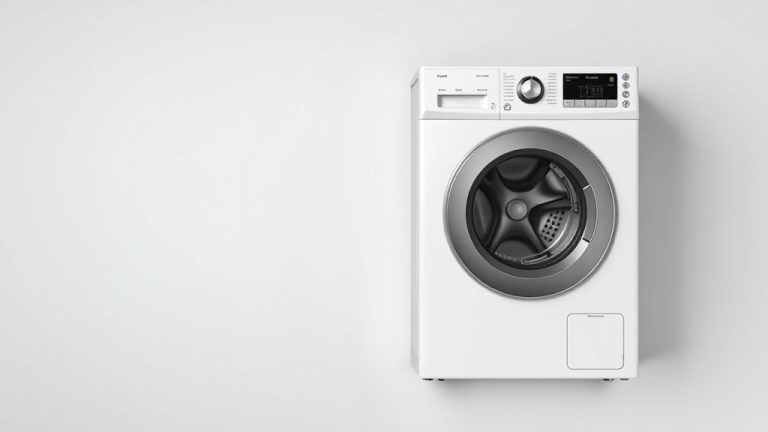
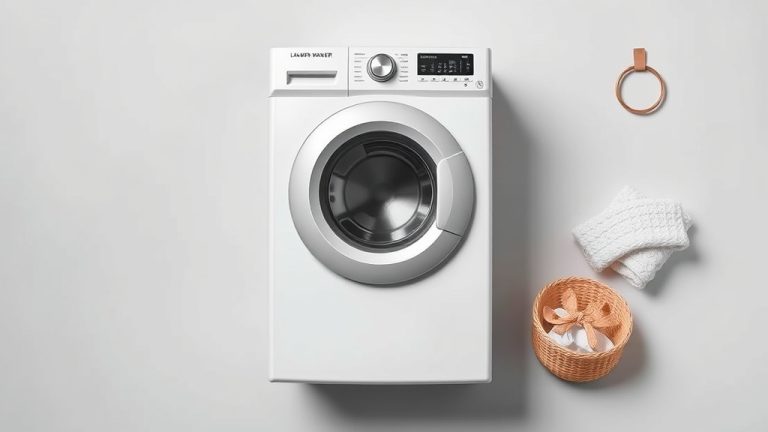
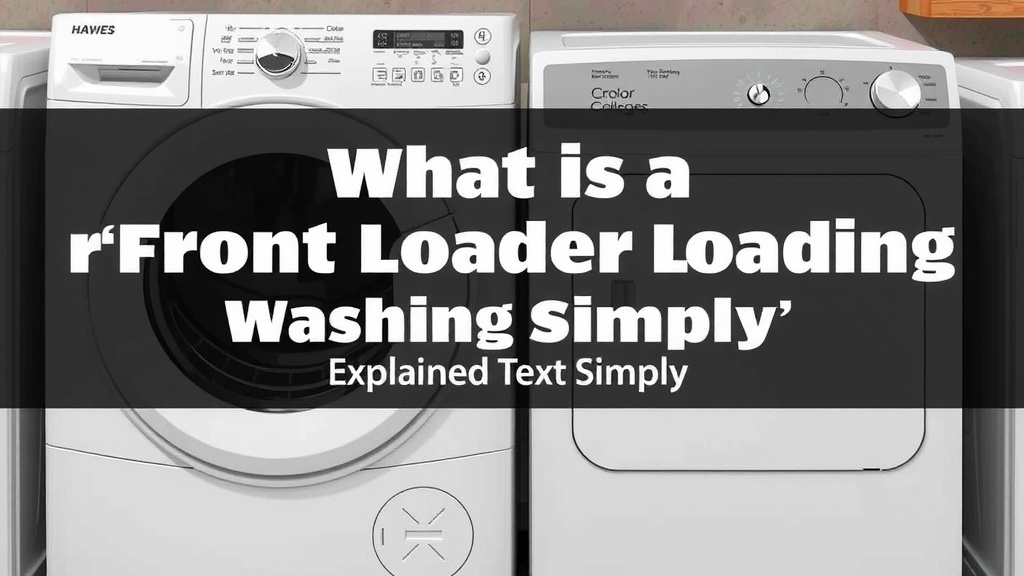
A front loader washing machine is a type of appliance where the door is located on the front. You load your laundry into a horizontal drum. It tumbles clothes through a small amount of water. This design is known for being gentle on fabrics and using less water and energy than older top-loader models.
Think of it like a dryer, but for washing! Front loaders often offer better cleaning performance because the tumbling action lifts and drops clothes. This action helps detergent penetrate better. Many people choose front loaders for their efficiency and the ability to stack a dryer on top.
- A front loader has its door on the front.
- Clothes wash in a horizontal drum.
- They use less water and energy.
- Often provide superior cleaning results.
- Can save space with stacking options.
Let’s dive into what makes these machines tick and why they might be the perfect fit for your home.
Understanding the Mechanics of a Front Load Washer
So, you’re curious about what makes a front loader tick? Simply put, it’s a washing machine where you load clothes through a door on the front panel. Unlike older top-loaders that use an agitator in the middle, front loaders rely on a horizontal drum that tumbles your laundry. This tumbling action is key to how they clean.
Think of it like a gentle massage for your clothes. As the drum rotates, it lifts your clothes and then drops them back into the water and detergent mixture. This repeated lifting and dropping helps loosen dirt and grime. It’s a more efficient way to clean. It also means your clothes get less wear and tear.
How the Tumbling Action Works Wonders
The magic of a front loader is in its tumbling motion. The drum spins and turns, moving clothes around. This movement ensures that every item gets thoroughly soaked and agitated. It’s this constant motion that helps break down stains effectively.
This method is quite different from older top-loaders. Those machines often rely on an agitator that twists and turns clothes. Sometimes, this can cause clothes to get tangled or stretched. Front loaders avoid this issue by using a gentler, more consistent tumbling action. This is why many people find them better for delicate fabrics.
Water and Energy Efficiency: A Big Plus
One of the most celebrated features of front loaders is their remarkable efficiency. They use significantly less water than traditional top-loading machines. How do they manage this? Because the drum is horizontal, it only needs to fill partially with water to get the clothes wet. The tumbling action then splashes the water and detergent through the load.
Research consistently shows this water-saving design translates to energy savings too. Less water to heat means less energy is consumed. Many models are also designed with high-efficiency (HE) features. This further reduces water and electricity usage. You’ll likely notice a difference in your utility bills over time. Many guidelines point to HE machines as a smart choice for both your wallet and the environment (Energy Star).
Key Components and How They Function
Let’s break down the main parts of a front loader you should know about. Understanding these can help you appreciate how it all comes together.
The Drum: Where the Action Happens
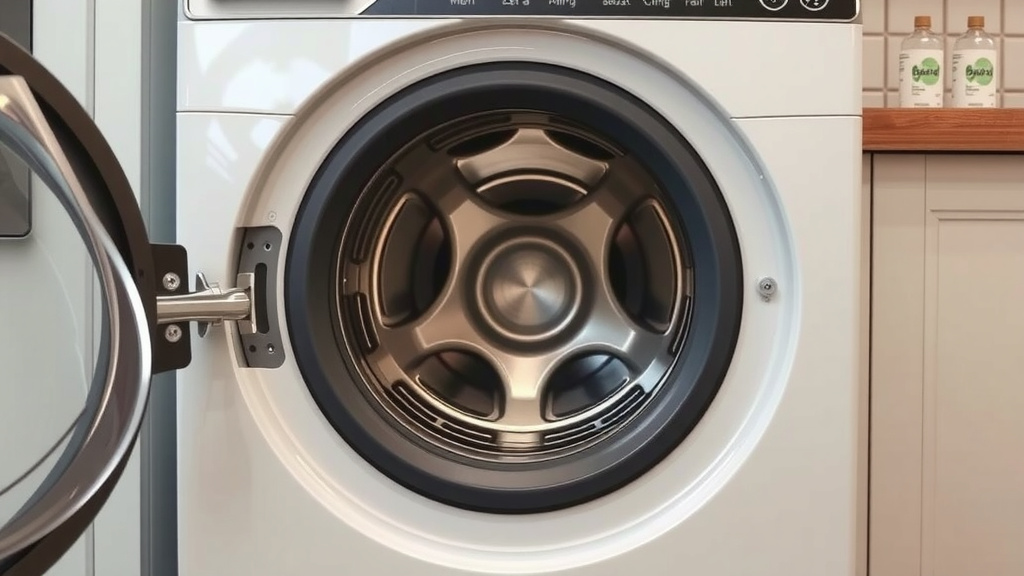
The stainless steel drum is the heart of the machine. It’s where you place your dirty clothes. It has paddles or baffles on the inside. These are the parts that lift and drop your laundry as the drum spins. The perforations in the drum allow water to enter and drain out.
The drum itself is mounted on bearings. These allow it to rotate smoothly and quietly. During the wash cycle, the drum will spin at various speeds. It slows down for washing and speeds up for the spin cycle to remove excess water. A well-maintained drum ensures a quiet and effective wash.
The Door Seal: Keeping Water In
You’ll notice a thick rubber gasket around the door opening. This is the door seal, also known as a bellows or gasket. Its primary job is to create a watertight seal when the door is closed. This prevents water from leaking out during the wash and spin cycles. It’s crucial for the machine’s operation.
Over time, this seal can collect lint, soap residue, or even mold if not maintained. It’s a good idea to wipe it down regularly. This helps prevent odors and ensures a proper seal for every load. Many experts suggest cleaning it monthly (Appliance manufacturer guidelines).
The Motor and Control Panel: The Brains and Brawn
The motor powers the drum’s rotation. Modern front loaders often use highly efficient, direct-drive motors. These are quieter and more durable than older belt-driven models. They provide the precise control needed for different wash cycles and spin speeds.
The control panel is your interface with the machine. It houses the buttons, knobs, or touch screen. This is where you select your wash cycles, water temperature, and spin speed. It sends signals to the motor and water valves, managing the entire washing process. Many panels offer a variety of specialized cycles for different fabric types.
Comparing Front Loaders to Other Washer Types
It’s helpful to see how front loaders stack up against other common washer designs. This comparison can guide your decision.
Front Loaders vs. Top Loaders (with Agitator)
This is the classic comparison. Top-loaders with a central agitator tend to be faster for small loads. However, they often use more water and can be rougher on clothes. The agitator can cause wear and tear. Front loaders, while sometimes taking a bit longer per cycle, are known for their gentleness and efficiency.
Research has shown that front loaders generally provide a deeper clean due to the tumbling action. They are also better at extracting water, meaning your clothes come out drier. This can shorten drying times, saving more energy. We found that for those concerned about fabric longevity and water usage, front loaders often come out ahead (Consumer Reports analysis).
Front Loaders vs. Top Loaders (High-Efficiency Impeller)
High-efficiency (HE) top-loaders use an impeller instead of a central agitator. An impeller is a low-profile cone or disc at the bottom of the drum. It spins and rubs against clothes to clean them. These machines use less water than traditional top-loaders but more than front-loaders.
Front loaders still generally edge out HE impeller models in water and energy savings. They also tend to have a bit more capacity. However, HE impeller models can be a good compromise if you prefer loading from the top and want better efficiency than old-style machines. The choice often comes down to your priorities: maximum efficiency and fabric care (front loader) or top-loading convenience with improved efficiency (HE impeller).
Front Loaders and Space Saving: The Stacking Option
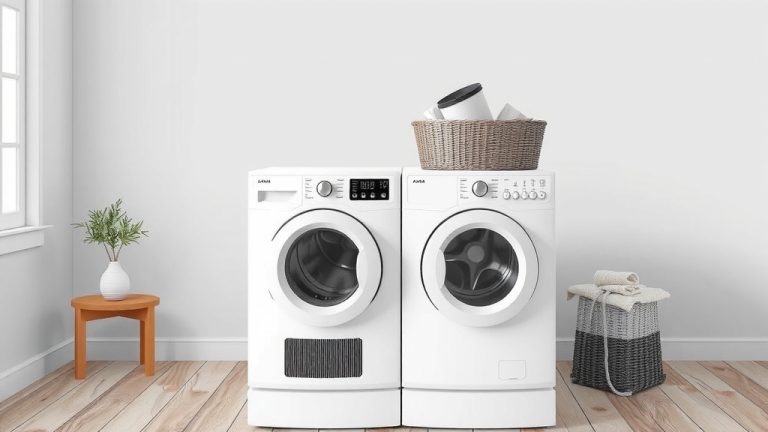
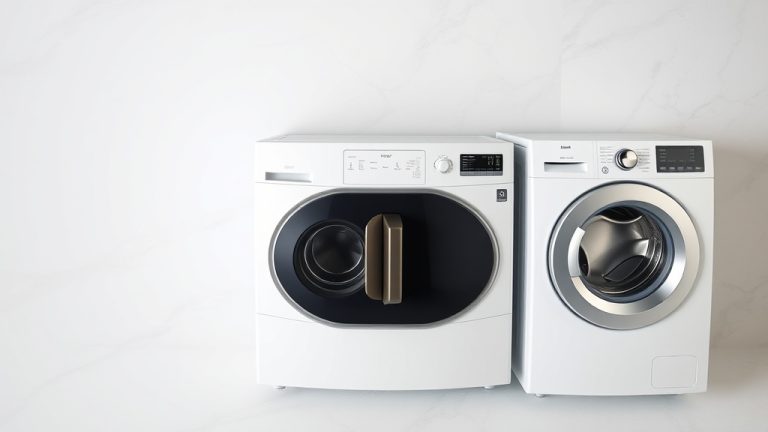
A significant advantage of many front-loading washers is their ability to be stacked with a dryer. Most front-load dryers are designed to sit securely on top of a matching washer. This is a fantastic space-saving solution for smaller homes, apartments, or laundry rooms.
You’ll typically need a stacking kit to ensure the dryer is stable and secure. This configuration doubles your laundry capacity without taking up extra floor space. It’s a clever design that homeowners love. We found that this stacking capability is a major selling point for front-loading sets (Home appliance reviews).
Getting the Most Out of Your Front Loader
To ensure your front loader performs at its best for years to come, a little care goes a long way. Here’s a quick checklist to keep your machine happy.
- Wipe down the door seal after each use.
- Leave the door ajar between washes to allow air circulation.
- Use only high-efficiency (HE) detergent.
- Run a cleaning cycle monthly with a washing machine cleaner or vinegar.
- Don’t overload the machine.
- Check and clean the drain pump filter periodically.
Conclusion
You’ve learned that a front loader washer offers an efficient and gentle way to clean your clothes. Its tumbling action is great for fabrics. Plus, it conserves water and energy, which is good for your wallet and the planet. You also discovered how its components work together and how it compares to other washer types. Many front loaders even offer space-saving stacking options. To keep yours running smoothly, remember to perform simple maintenance like cleaning the door seal and using HE detergent. Ready to make the switch or optimize your current machine? Consider these benefits for your next laundry upgrade.
Frequently Asked Questions
Can a front loader really clean clothes better than a top loader?
Yes, research often shows front loaders provide a deeper clean. Their tumbling action effectively loosens dirt and allows detergent to penetrate fabrics more thoroughly. This method is also gentler on your clothes, reducing wear and tear compared to agitator-based top-loaders.
How often should I clean the door seal on my front loader?
It’s a good idea to wipe down the rubber door seal weekly to prevent moisture buildup. A more thorough cleaning using a damp cloth and mild detergent should be done monthly. This helps prevent mold, mildew, and odors, ensuring a proper seal for each wash cycle.
What kind of detergent is best for a front loader?
You should always use high-efficiency (HE) detergent specifically designed for front-loading machines. These detergents produce fewer suds, which is essential because front loaders use less water. Using regular detergent can lead to over-sudsing, which may damage the machine and leave residue on your clothes.
Can I put a front loader in a small apartment?
Absolutely. Front loaders are excellent for small spaces, especially because many models can be stacked with a matching dryer. This stacking capability maximizes vertical space. It allows you to have a full-sized laundry setup without taking up a large footprint on your floor.
Why does my front loader sometimes smell musty?
Musty smells often come from residual moisture and detergent buildup in the door seal and drum. To prevent this, always leave the door slightly ajar between washes to allow air circulation. Running a monthly cleaning cycle with a washing machine cleaner or vinegar can also eliminate odors.