Front Load Washer Average Size: What You Need to Know
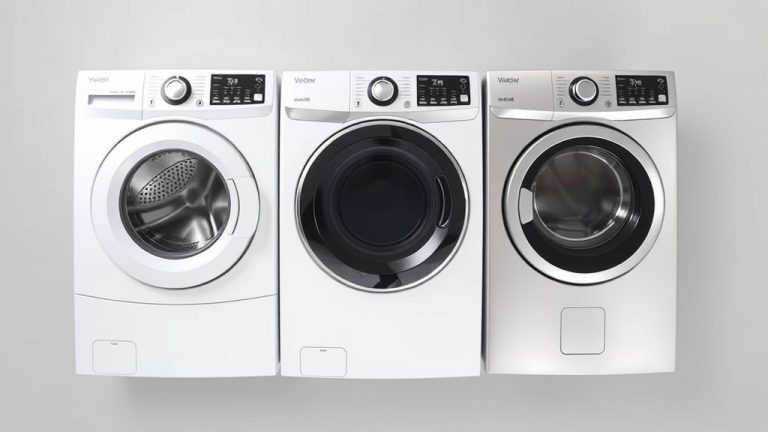
The average size of a front load washer typically ranges from 2.0 to 4.5 cubic feet. This capacity refers to the drum size, which dictates how much laundry you can wash at once. If you’re wondering whether a front loader will fit your family’s needs or your laundry room space, knowing this general range is a great start.
When choosing a front load washer, size matters for both fitting it into your home and for how much it can clean. Larger capacities are great for big families or washing bulky items like comforters. Smaller capacities might be perfect for apartments or couples with lighter laundry loads. We found that understanding these dimensions helps avoid costly mistakes.
- Front load washers generally hold 2.0 to 4.5 cubic feet of laundry.
- This drum size is key for washing capacity and fitting bulky items.
- Consider your household size and laundry habits when picking a size.
- Space in your laundry room is also a major factor.
Let’s break down exactly what these sizes mean for your everyday laundry routine and help you find the perfect fit.
Understanding Front Load Washer Dimensions
So, you’re curious about the average size of a front load washer? You’ve come to the right place! We’ve researched this topic thoroughly to help you make an informed decision. The capacity of a front load washer, measured in cubic feet, is a key factor. This tells you how much laundry it can handle in a single load. Generally, you’ll find these machines fall within a specific range.
What is the Typical Capacity Range?
Most front load washers you’ll find on the market today have a drum capacity that ranges from 2.0 to 4.5 cubic feet. This is a pretty wide spectrum, offering options for many different households. Think of it like choosing a car; some people need a compact, while others need a spacious SUV. Your laundry needs are similar!
Smaller Capacity Options (Around 2.0 – 2.5 cu. ft.)
These smaller units are often found in apartments or condos. They’re perfect for individuals or couples who don’t produce a lot of laundry. You can still wash a good amount, but perhaps not your king-sized comforter. A load of towels or a few days’ worth of clothes is usually no problem. They also tend to have a smaller physical footprint, which is great for tight spaces.
Medium Capacity Options (Around 2.6 – 3.5 cu. ft.)
This is the sweet spot for many families. We found that machines in this range offer a good balance between size and capacity. They can handle the weekly laundry for a family of three or four. You can likely wash a good portion of your clothes at once, including some larger items like a queen-sized blanket. These are very popular choices for a reason.
Larger Capacity Options (Around 3.6 – 4.5 cu. ft. and up)
If you have a larger family, or if you frequently wash bulky items like bedding, large throws, or sleeping bags, then a larger capacity machine is probably what you need. These models can hold a significant amount of laundry. We’ve seen some that even exceed 4.5 cubic feet, sometimes approaching 5.0 cubic feet! They are incredibly efficient for big loads and can save you time by reducing the number of washes.
Factors Influencing Washer Size Choice
Beyond just the cubic feet, several other things will influence which size washer is right for you. It’s not just about the drum; it’s about how it fits your life and your home. Let’s dive into those considerations.
Your Household Size and Laundry Habits
This is perhaps the most important factor. How many people live in your home? Do you have pets that shed a lot? Do you have kids who get their clothes extra dirty? A single person might be perfectly happy with a smaller machine. A family of five, however, will likely need a larger capacity to keep up. We found that understanding your typical laundry volume is key to choosing correctly.
Think about your weekly routine. Do you do one giant load of laundry every weekend? Or do you prefer to do a load every day or two? If you’re a daily washer, you might get away with a slightly smaller machine. If you’re a once-a-week laundry warrior, you’ll want to maximize capacity. Many experts suggest assessing your current washing machine’s load size to gauge your needs.
Washing Bulky Items
Do you have a king-sized bed? Do you own a large down comforter? Washing these items at home can be a real convenience. However, they require a lot of space. A smaller washer might not even allow these items to fit, or if they do, they won’t get properly clean. We found that if you plan to wash large, bulky items regularly, you absolutely need a larger capacity machine.
Some washers are specifically designed for larger loads. They might have a wider drum or a more flexible interior. Researching this capability is important if bulky items are a regular part of your laundry routine. Even a medium-sized machine might struggle with a thick duvet. You might end up having to go to a laundromat, which defeats the purpose of having a large home washer.
Physical Dimensions of the Washer
While capacity is measured in cubic feet, the actual physical size of the washer matters too! You need to ensure it will actually fit in your laundry room or wherever you plan to put it. Measure your space carefully before you start shopping. Don’t forget to account for door swings and space for loading and unloading laundry.
Standard front load washers are typically around 27 inches wide. Height and depth can vary more. Many are about 39-40 inches high and 30-34 inches deep. It’s wise to check the manufacturer’s specifications for the exact dimensions of any model you’re considering. Also, consider the door opening: how much clearance do you need for the door to open fully? Some doors swing left, some right, and some can be reversed. Make sure it works for your space!
Matching Washer and Dryer Sizes
Often, people buy washers and dryers as a pair. It’s a good idea to ensure their capacities match. If you buy a large washer, you’ll want a dryer that can handle the same size load to dry your clothes efficiently. A dryer that’s too small will result in longer drying times and wrinkled clothes. We found that matching sets often perform best together.
You don’t want to wash a huge load only to find out your dryer can’t handle it. This could lead to damp clothes or clothes that take forever to dry. So, when you’re looking at washer sizes, keep an eye on the dryer dimensions and capacity too. This prevents a common laundry room headache.
Your Laundry Room Space and Layout
Where will your washer live? Is it in a spacious laundry room, a cramped closet, or a hallway nook? The available space dictates not only the washer’s dimensions but also its placement. Can you easily get the washer in and out of the space? Are there hookups for water and drainage readily accessible?
Consider ventilation too. Front loaders, especially, can create moisture. Proper airflow is important. Many people also choose to stack their washer and dryer to save floor space. If you plan to stack, ensure both units are designed for it and that you have the necessary hardware. This can optimize your laundry area significantly.
Key Takeaways for Choosing Your Washer Size
Selecting the right size front load washer is all about balancing capacity with your available space and your household needs. Here’s a quick checklist to help you remember the important points:
- Measure your laundry space accurately before shopping.
- Consider the number of people in your household.
- Factor in whether you wash bulky items often.
- Check the washer’s physical dimensions, not just capacity.
- Think about matching it with a dryer of appropriate size.
- Don’t forget clearance for doors and loading/unloading.
Conclusion
Finding the right front load washer size boils down to a few key things. You’ve learned that most machines offer between 2.0 and 4.5 cubic feet of capacity, which is a great starting point. Remember to think about your household size, how often you do laundry, and if you need to tackle bulky items. Measuring your laundry space accurately is also essential. By balancing these factors, you’ll choose a washer that fits your home and your lifestyle perfectly. Now that you’re informed, take those measurements and start looking for your ideal machine!
Frequently Asked Questions
Will a 2.5 cu. ft. front load washer be too small for a family of three?
A 2.5 cubic feet front load washer might be a bit small for a family of three if you do laundry infrequently or wash bulky items like blankets often. We found that families of this size often prefer machines in the 3.0 to 3.5 cubic feet range for more flexibility. However, if you do smaller loads more frequently, it could still work for your needs.
Can I fit a king-size comforter in a 4.0 cu. ft. front load washer?
Yes, you should be able to fit a king-size comforter in a 4.0 cubic feet front load washer. We’ve seen that capacities around 3.6 to 4.5 cubic feet are generally sufficient for large bedding items. For best results and proper cleaning, ensure the comforter isn’t packed too tightly into the drum.
How much physical space do standard front load washers take up?
Standard front load washers are typically about 27 inches wide. The depth usually falls between 30 to 34 inches, and the height is often around 39 to 40 inches. Always double-check the specific model’s dimensions, as these can vary slightly.
Does washer capacity affect drying time?
While capacity itself doesn’t directly change drying times, mismatched sizes can. If you wash a large load in a big washer and then use a smaller dryer, the dryer will struggle to handle the volume. We found that a dryer with a similar or slightly larger capacity than your washer ensures efficient drying and fewer wrinkles.
How important is it to match my washer and dryer size?
Matching your washer and dryer sizes is quite important for optimal performance. Washing a large load in a big washer and then trying to dry it in a smaller dryer can lead to longer drying cycles and clothes that come out damp or wrinkled. We recommend ensuring your dryer capacity is at least equal to your washer’s capacity.