Washing Machine Costs: What to Expect This Year
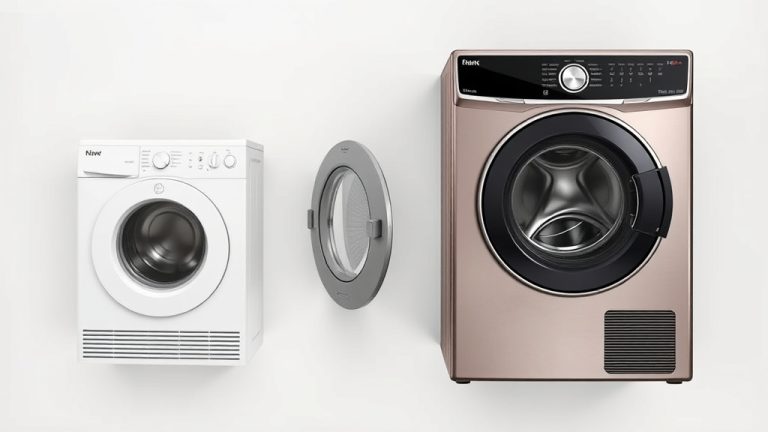
So, you’re wondering about washing machine costs? You can expect to spend anywhere from $400 to $1,500 for a new washing machine. The price varies widely based on features and brand. Basic models are much cheaper than high-efficiency, smart-enabled ones.
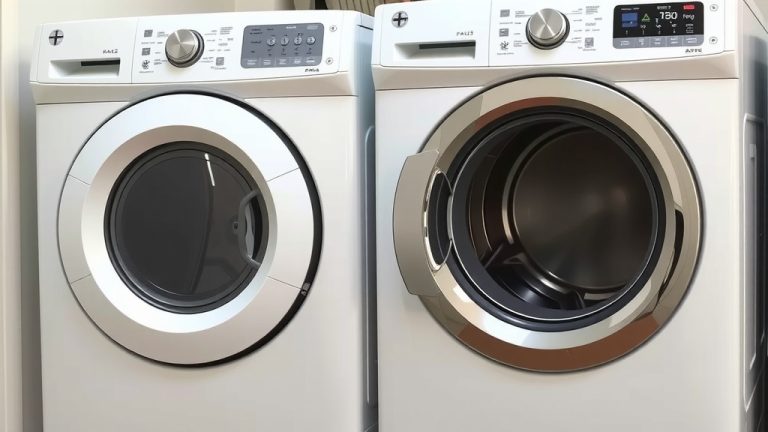
When shopping, you’ll see different types. Front-load washers often cost more but use less water and energy. Top-load washers can be less expensive. Think about your laundry needs and budget before you buy.
- Most washers cost between $400 and $1,500.
- Simple models are budget-friendly.
- High-end, smart washers are pricier.
- Front-loaders and top-loaders have different price points.
- Consider energy efficiency and features.
Let’s break down what goes into that price tag and help you find the perfect machine for your home.
Understanding Washing Machine Prices
So, you’re looking to buy a new washing machine and wondering about the cost. We’ve got you covered. The price of a washing machine can really run the gamut. You’ll typically find options ranging from about Our guide to new washing machine cost details what to expect.$400 for a basic model to upwards of $1,500 or even more for high-end, feature-rich machines.
Several key factors influence this price tag. Think of it like buying a car; you can get a reliable sedan or a luxury SUV, and the price difference is substantial. The type of washer, its capacity, energy efficiency ratings, brand reputation, and the special features it offers all play a big role in how much you’ll spend.
Washing Machine Types and Their Costs
When you start shopping, you’ll notice two main types of washing machines: top-load and front-load. Each has its own price point and set of pros and cons that might sway your decision.
Top-Load Washing Machines
Top-load washers are often seen as the more traditional choice. They can be a great option if you’re on a tighter budget. Many basic models start in the $400 to $600 range.
These machines are generally easier to load and unload because you don’t have to bend over as much. They also tend to have shorter wash cycles. We found that simpler top-loaders are a solid choice for getting clothes clean without breaking the bank.
Standard Top-Loaders vs. High-Efficiency (HE) Top-Loaders
Within the top-load category, you’ll find standard agitator models and high-efficiency (HE) models. Standard models often use more water and can be gentler on your wallet upfront. HE models, while sometimes costing a bit more, use less water and energy over time, potentially saving you money on utility bills.
You might see HE top-loaders priced between $600 and $1,000. They often have advanced features that help them clean more effectively while using less water.
Front-Load Washing Machines
Front-load washers are known for their superior cleaning performance and energy efficiency. Because they tumble clothes, they can handle larger loads and are generally gentler on fabrics. However, this convenience and performance comes at a higher price point.
Expect to spend anywhere from $700 to $1,500 or more for a new front-load washing machine. The upfront cost is higher, but many consumers find the long-term benefits outweigh the initial investment.
These machines typically use less water than top-loaders, which is good for the environment and your water bill. They also spin at higher speeds, meaning your clothes come out drier, reducing the time and energy needed for drying.
Key Features That Affect Washing Machine Prices
Beyond the basic type, specific features significantly impact the final cost of a washing machine. The more advanced the technology and the more bells and whistles it has, the higher the price will likely be.
Capacity
Washing machine capacity is measured in cubic feet. Larger capacity machines are perfect for families or for washing bulky items like comforters and blankets. You’ll find standard capacities ranging from about 3.5 to 4.5 cubic feet. For larger households, you might consider 5.0 cubic feet or more.
Generally, larger capacity washers cost more than smaller ones. A basic machine with a smaller drum might be around $400, while a large-capacity, high-end model could easily exceed $1,200. We found that for most households, a capacity in the 4.0 to 4.5 cubic feet range offers a good balance of size and cost.
Energy Efficiency
Washing machines with an ENERGY STAR certification are designed to use less energy and water. This not only helps the environment but can also lead to lower utility bills over the lifespan of the appliance. These efficient models often come with a higher upfront price tag.
For example, a highly energy-efficient model might cost $100 to $300 more than a comparable non-certified model. However, many guidelines and consumer reports suggest that the savings on your energy and water bills can offset this difference over time. The U.S. Department of Energy estimates that laundry appliances account for a significant portion of household energy use (U.S. Department of Energy).
Smart Features and Advanced Technology
This is where washing machine prices can really climb. Smart washers offer features like Wi-Fi connectivity, allowing you to control your machine via a smartphone app. You can start, stop, and monitor cycles remotely, receive notifications when a load is done, and even troubleshoot issues.
Some smart washers also include advanced wash cycles, steam functions for sanitizing and wrinkle removal, automatic detergent dispensing, and specialized settings for different fabric types. These high-tech options can push the price into the $1,000 to $2,000+ range.
The True Cost: Beyond the Sticker Price
It’s easy to get caught up in the initial purchase price, but there are other costs to consider when buying a washing machine.
Installation Costs
Are you a DIY whiz, or do you prefer to leave the heavy lifting to the pros? If you need professional installation, factor in an additional cost. Many retailers offer installation services, which can range from $100 to $300, depending on your location and the complexity of the setup.
This usually includes delivery, unboxing, connecting the hoses, and ensuring the machine is level. If you’re replacing an old machine, they may also haul away the old one for an extra fee.
Operating Costs
As we touched on with energy efficiency, the cost to run your washer matters. Water and electricity usage will add up over the years. A more efficient machine will cost less to operate monthly and annually. We found that researching the estimated annual operating cost on an appliance’s energy guide label can be quite telling.
Repair and Maintenance
Even the best washing machines can eventually need repairs. Consider the potential for future repair costs and the availability of parts and service for the brand you choose. Some brands may have higher repair costs or harder-to-find parts, especially for older or discontinued models.
Extended warranties are also an option, often costing between $100 and $300 for a few extra years of coverage. Whether an extended warranty is worth it often depends on the reliability of the specific model and brand.
Price Breakdown Table
Here’s a quick look at what you might expect to pay based on common configurations:
| Washer Type | Typical Price Range (USD) | Key Features/Notes |
|---|---|---|
| Basic Top-Load (Agitator) | $400 – $600 | Simple, easy to use, often less water-efficient. |
| HE Top-Load | $600 – $1,000 | Uses less water/energy, gentler on clothes, larger capacity options. |
| Standard Front-Load | $700 – $1,200 | Excellent cleaning, water-efficient, gentler on fabrics, higher spin speeds. |
| High-End Front-Load / Smart Washer | $1,000 – $2,000+ | Advanced cycles, steam, Wi-Fi connectivity, larger capacities. |
Making Your Final Decision: A Checklist
Before you commit to a purchase, run through this quick checklist to ensure you’re getting the best value for your needs:
- Determine your budget: Know your absolute maximum spend.
- Assess your laundry needs: How much laundry do you do? What types of items?
- Choose between top-load and front-load: Based on cost, convenience, and performance.
- Prioritize features: What “nice-to-haves” versus “must-haves” do you have?
- Check energy efficiency: Look for ENERGY STAR ratings to save on utility bills.
- Read reviews: See what other consumers say about reliability and performance.
Conclusion
Finding the right washing machine doesn’t have to be overwhelming. You’ve learned that prices range widely, from basic models around $400 to smart, high-efficiency machines over $1,000. Your budget, laundry habits, and desired features like capacity and energy savings will guide your choice.
Remember to also consider installation and long-term operating costs for the true expense. Take a moment to review our checklist. Now you’re ready to confidently select a washing machine that fits your needs and your wallet.
Frequently Asked Questions
Are older washing machines cheaper to run?
Older washing machines may have a lower upfront cost if you buy them used, but they are generally not cheaper to run. They typically use more water and energy than newer, ENERGY STAR-certified models. This means higher utility bills over time.
How much does it cost to install a new washing machine?
Professional installation for a new washing machine typically costs between $100 and $300. This often includes delivery and hookup. Some retailers may also charge extra for hauling away your old appliance.
Is it worth paying more for a front-load washer?
Many consumers find front-load washers worth the extra cost. They generally use less water and energy, which can save you money on utility bills. They also tend to clean clothes more gently and extract more water, reducing drying time.
What are the cheapest washing machine brands?
Brands like GE, Maytag, and Whirlpool often offer more budget-friendly basic models. You can usually find reliable top-load agitator washers from these brands in the lower end of the price spectrum. Always compare features and reviews within your budget.
Can I negotiate the price of a new washing machine?
Yes, you can often negotiate the price, especially at appliance stores or during sales events. Don’t hesitate to ask about discounts or if they can match a competitor’s price. You might also find better deals online or during holiday promotions.