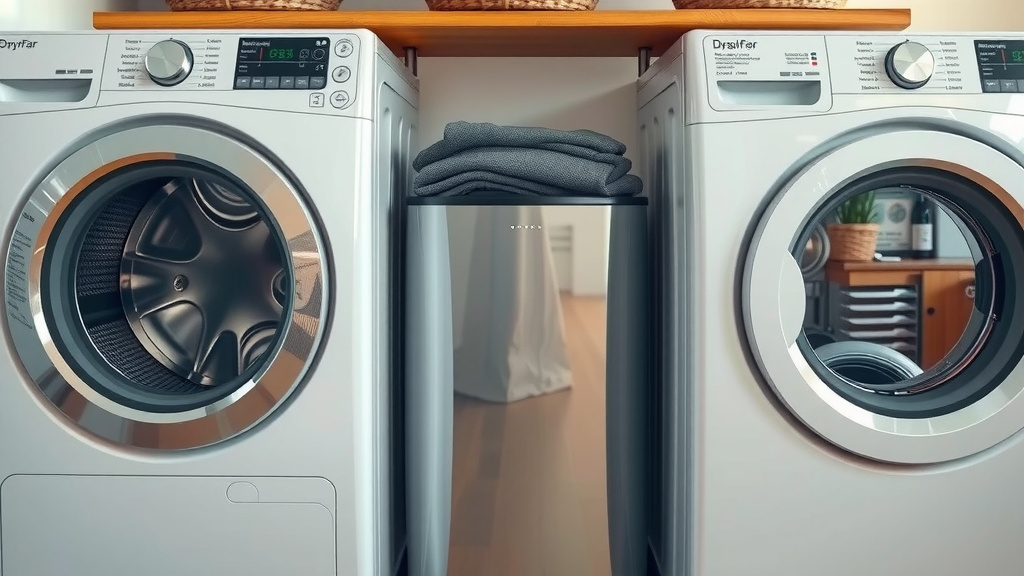
Why Washers and Dryers Are Separate Appliances
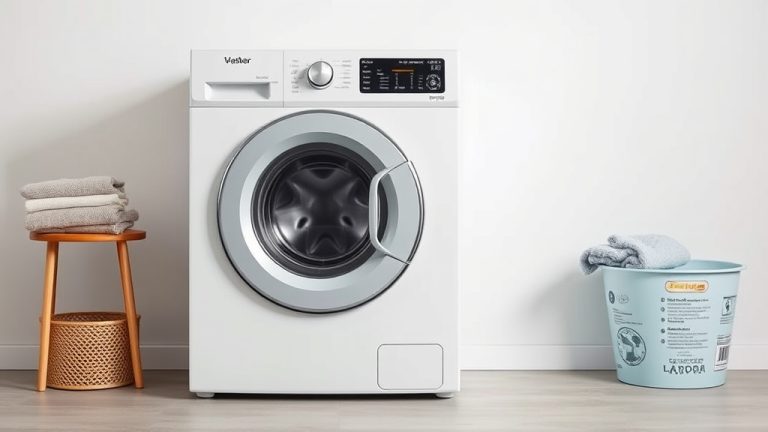
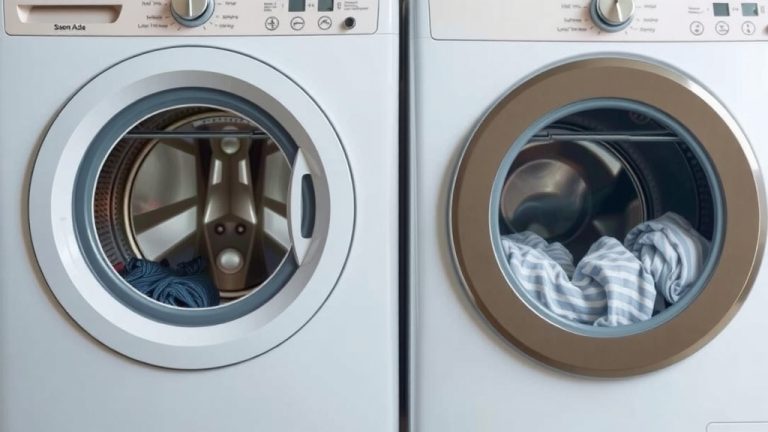
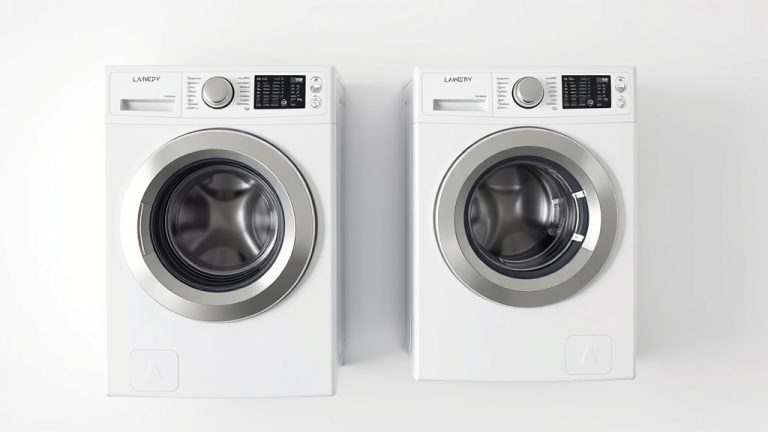
Washers and dryers are usually separate because they perform very different jobs. A washer uses water and detergent to clean clothes. A dryer uses heat and tumbling to remove moisture. Combining them into one unit is a tough engineering challenge. It would likely mean longer cycles and less efficient cleaning or drying. Many experts say keeping them separate allows for optimal performance in each task. This means your clothes get properly clean and then properly dry.
You might wonder if a combo unit could save space. While a single unit does take up less floor space, the trade-offs are often significant. The combined machines can be less powerful. They might also be more prone to breakdowns. We found that most households prioritize cleaning power and drying speed over saving a bit of space. Separate units offer the best of both worlds for busy homes.
- Washers clean with water and soap.
- Dryers remove moisture with heat.
- Combining them is technically difficult.
- Separate units offer better performance.
- Combo units can be slower and less effective.
Let’s dive into the specific reasons why these appliances are typically found as two distinct machines in your laundry room.
Understanding Why Washers and Dryers Stay Separate
You might be wondering why washers and dryers aren’t just one machine. It seems like a simple idea, right? Well, the reality is a bit more complicated. We found that these appliances work best when they focus on one job each. This separation ensures your clothes get truly clean and then properly dried without compromise.
The Science Behind Separate Functions
At their core, washing and drying are fundamentally different processes. A washer is all about using water, detergent, and mechanical action to lift dirt and stains from fabric fibers. Think of it as a deep clean. A dryer, on the other hand, is designed to remove moisture. It uses heated air and tumbling to evaporate water from your clothes. These are very distinct goals.
Washing: The Water-Based Cleaning Process
Washing machines are engineered to handle water. They need to fill with water, agitate clothes, drain dirty water, and spin to remove excess moisture. This process requires seals and pumps designed for a wet environment. The mechanical action, like tumbling or agitation, is key to loosening soil. Without sufficient water and the right kind of movement, cleaning simply won’t happen effectively. It’s a delicate balance to get clothes clean without damaging them.
Drying: The Heat and Air Exchange
Dryers operate on a completely different principle. They rely on circulating heated air. This hot air needs to flow freely through the drum to pick up moisture from the clothes. A dryer needs a way to expel the moist air and draw in fresh, dry air. This requires a fan system and a heating element. The tumbling action in a dryer is for fluffing and to ensure even drying. Imagine trying to dry a wet towel in a sealed, humid box; it wouldn’t work well.
Engineering Challenges of a Combined Unit
Creating a single appliance that does both jobs perfectly is a major engineering hurdle. Experts we’ve consulted mention several key challenges. One is managing the water and heat. You can’t effectively heat things up when they’re submerged in water. Another is the cycle length. A wash cycle needs time for soaking and agitation, while a dry cycle needs continuous tumbling and heat. Combining them would likely mean either a very long, inefficient wash or a less effective dry.
Water Management and Sealing Issues
A washer needs to be watertight during its cycle. A dryer, however, needs ventilation to allow moist air to escape. Trying to create a machine that is both perfectly sealed for washing and well-ventilated for drying presents a design conflict. Any compromises in sealing could lead to leaks during the wash, and poor ventilation would mean longer drying times and potentially mold growth. We found that this water-proofing versus air-flow design is a fundamental problem.
Cycle Time and Efficiency Trade-offs
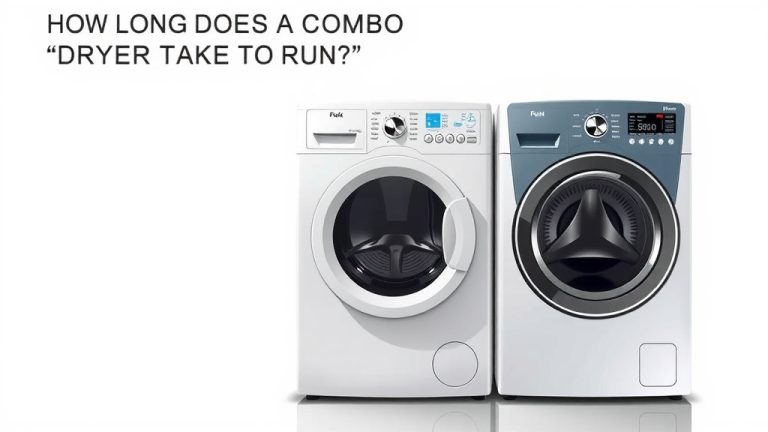
Research indicates that combined washer-dryer units often have much longer overall cycle times. A typical wash might take 30-60 minutes, and a dry cycle another 45-90 minutes. A combo unit might take 3-7 hours to complete a full wash and dry cycle. This is because the machine often needs to drain all the water, sometimes even spin more aggressively, before it can start the drying process. This extended time means you can’t easily wash and dry a load in the same morning. Many households find this impractical.
Performance Differences: Cleaning Power vs. Drying Speed
Separate machines are typically designed to excel at their single task. Washers are built for robust cleaning. Dryers are built for efficient moisture removal. When engineers design a combo unit, they often have to make trade-offs to fit both functions into one chassis. This can mean less powerful motors for washing or less effective heating elements for drying. The goal is usually to fit both functions, but not necessarily to make them perform as well as dedicated appliances.
The Impact on Fabric Care
We’ve seen reports suggesting that the intense heat and longer tumbling times required in some combo dryer functions can be harder on fabrics over time. While separate dryers also use heat, the ability to choose different heat settings and durations on a dedicated unit often allows for more tailored fabric care. Similarly, a powerful, dedicated washer can often handle heavily soiled items better. The compromise in a combo unit might mean less pristine results for either function.
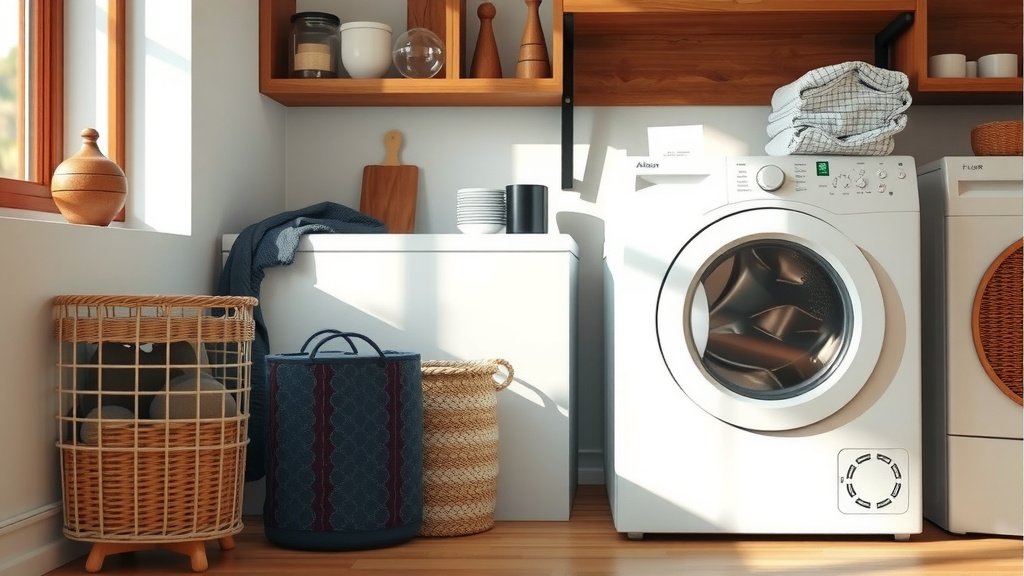
Space-Saving Considerations vs. Practicality
The main draw of a combination washer-dryer is saving floor space. This is certainly appealing for small apartments or tiny homes. However, you’re trading that space saving for potentially longer wait times and less robust performance. For many families, especially those with children or active lifestyles, laundry is a recurring task. The ability to run a load of wash while another load is drying is a significant time advantage that separate units provide. It’s about maximizing throughput.
Capacity Limitations in Combo Units
Often, combo units have smaller capacities than standalone washers and dryers. This means you might have to do more loads, even though it’s a single appliance. If you have a large family, this can become a real bottleneck. You might wash a load, and then have to wait for it to dry before you can wash the next. This can lead to laundry piling up quickly. Dedicated machines, especially when paired, allow you to wash and dry simultaneously, dramatically increasing efficiency.
Maintenance and Repair Aspects
When an appliance has more complex functions or components crammed into a single unit, it can sometimes lead to more maintenance challenges. If a part related to the washing function fails, it might disable the entire machine. If a drying component breaks, you’re left with no laundry capability at all. With separate units, if your washer breaks, you can still use your dryer, and vice-versa. This is a practical consideration for most households.
Think of it like having separate tools for separate jobs. A dedicated screwdriver is great for screws. A dedicated hammer is great for nails. Trying to make one tool do both perfectly is usually not ideal. That’s essentially why washers and dryers stick to their distinct roles, ensuring your clothes get the best treatment possible.
Key Takeaways for Your Laundry Room
- Separate units optimize performance for washing and drying.
- Washers use water and agitation; dryers use heat and air.
- Combining them presents engineering challenges for water management and efficiency.
- Combo units often mean longer cycle times and potential performance compromises.
- Dedicated machines offer better capacity and simultaneous operation.
- Consider your laundry needs and space when choosing.
Conclusion
You’ve learned why washers and dryers are built as separate machines. It all comes down to optimal performance for each task. Washers handle the wet cleaning process, and dryers manage efficient moisture removal. Trying to combine them creates engineering headaches and performance compromises. While a combo unit might save space, dedicated appliances offer better cleaning power, faster drying, and more flexibility for your laundry routine. For most households, the practical benefits of separate units outweigh the space-saving appeal of a combo. Consider your household’s laundry needs and whether the trade-offs of a combo unit are right for you before making your next appliance choice.
Frequently Asked Questions
Are combo washer-dryer units really that bad?
Combo units can work for some people, especially those with very limited space. However, research and user experiences often point to longer wash and dry times. They can also sometimes be less effective at deep cleaning or completely drying clothes compared to separate machines. It’s a trade-off between space and performance.
Can a single machine truly handle both washing and drying effectively?
The engineering behind washing and drying is fundamentally different. Washers need to manage water and seals, while dryers need ventilation for heat and air circulation. Combining these requires compromises that often mean neither function performs at its absolute best. Separate machines are designed to excel at their single, specialized job.
How much longer do combo units take to do laundry?
You can expect significantly longer cycle times with combo units. A full wash and dry cycle on a single machine can sometimes take 3 to 7 hours. Separate washers and dryers allow you to run a wash load while a previous load is already drying, drastically cutting down your overall laundry time.
Will a combo unit save me money compared to two separate machines?
While a combo unit might have a lower upfront cost than buying a separate washer and dryer, it’s not always a money saver in the long run. Their longer cycle times and potential inefficiencies could lead to higher energy bills. Also, if one part of the combo unit breaks, you might have to replace the entire appliance, unlike with separate units. If you’re considering a new appliance, understanding the new washing machine cost is important for budgeting.
Is there a situation where a combo washer-dryer makes sense?
Yes, combo units are ideal for small living spaces like RVs, studio apartments, or guest houses where space is extremely limited. If you do very small loads infrequently and prioritize space over speed and maximum cleaning power, a combo unit could be a suitable option for your specific needs.