Stackable Washer Dryer Width: What You Need to Know
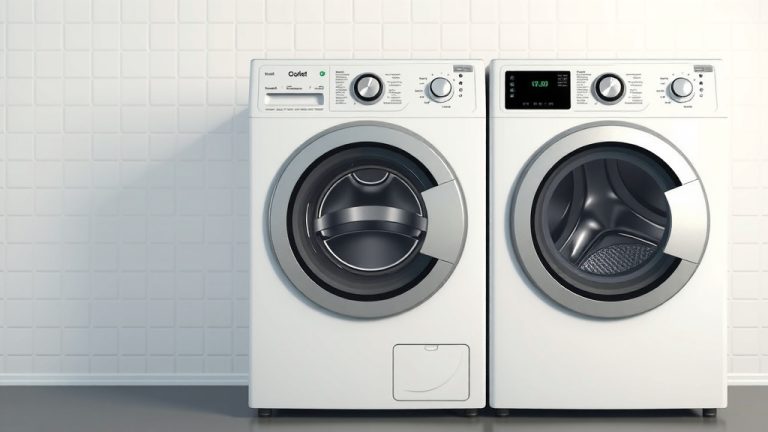
The width of a stackable washer and dryer unit typically ranges from 27 to 30 inches. This is similar to the width of a standard, side-by-side washer and dryer. Knowing this width is key to planning your laundry space, especially if you’re tight on room. It helps you determine if a stackable set will fit your needs.
Stackable units are designed to save floor space by placing the dryer directly on top of the washer. While the width is often consistent, the depth and height can vary more significantly. We found that understanding these dimensions helps prevent common installation headaches and ensures a snug fit in your home. It’s a smart solution for apartments or smaller homes.
- Stackable washer and dryer units are usually 27 to 30 inches wide.
- This width is comparable to standard washers and dryers.
- The main benefit is saving floor space.
- Depth and height dimensions can differ more between models.
- Check specific measurements for your chosen unit to ensure a proper fit.
Let’s get into the specifics of these dimensions so you can make the best choice for your laundry setup.
Understanding Stackable Washer and Dryer Widths
When you’re looking at stackable washer and dryer units, the width is often the most consistent dimension. This is good news for anyone trying to fit a laundry setup into a tight spot. We found that most stackable units will measure between 27 and 30 inches across. This is actually the same width as many standard, non-stackable models!
So, if you’re picturing a bulky machine that’s wider just because it stacks, think again. The magic of stackables is in their vertical design, not their horizontal footprint. This means your laundry room or closet doesn’t need to be exceptionally wide. You’re likely looking at a similar width requirement as if you were buying a standalone washer or dryer. It’s a relief to know that the width isn’t a major hurdle for most homes.
Standard Width Range for Stackable Units
Let’s break down that 27-to-30-inch range. Most manufacturers stick pretty close to this. Think of it as the industry standard for this type of appliance. You’ll see models that are precisely 27 inches wide, others that are 28 inches, and some that go up to the full 30 inches. Why the slight variation? It often comes down to the specific drum size, internal components, or even the control panel design.
We discovered that the most common width you’ll encounter is 27 inches. This is the size that many apartment-sized or compact units are built to. If you have a very small space, like a closet or a narrow hallway nook, this 27-inch measurement is often your best friend. It’s designed to fit into the smallest possible areas.
Why the Consistent Width Matters
This consistency is a lifesaver for home planning. You don’t have to feel like you’re hunting for a unicorn when searching for a stackable unit. It means that when you measure your laundry space, you can be fairly confident about the appliance fitting. It simplifies the decision-making process considerably. You can focus on other features once you know the width will likely work.
The standard width also means that accessories, like stacking kits or dryer venting, are usually designed with these dimensions in mind. You’re less likely to run into compatibility issues. It’s like buying a standard-sized door; you know it will fit most door frames. This predictability makes buying appliances much less stressful.
Comparing Stackable Width to Standard Units
It’s really helpful to compare the width of stackable units to their side-by-side counterparts. Many people assume stackables must be narrower to fit more vertically. However, research and found that this isn’t the case. A standard washing machine or dryer, when bought individually, also typically measures between 27 and 30 inches wide.
So, what’s the big difference then? It’s the floor space saved. While the width is often the same, a stackable unit uses half the floor area. You’re gaining the height of a second appliance without using any extra width. This is the key benefit that draws people to stackable washer and dryer pairs, especially in urban living or smaller homes where every square foot counts.
The Footprint Advantage
Imagine you have a space that’s 30 inches wide but only 30 inches deep. A standard washer and dryer side-by-side would take up that entire 30-inch width. A stackable unit, however, will only take up about 30 inches of width and maybe 30-35 inches of depth for the washer, with the dryer on top. The overall footprint is dramatically reduced.
This is why people with laundry closets or compact utility rooms opt for stackables. They maximize the usability of the space. You can walk around the machines or even fit a small folding counter nearby. It transforms a cramped area into a functional laundry zone.
When Width Can Be a Factor (and When It’s Not)
While the width is generally consistent, there are a few situations where it might require a closer look. Are you looking at an extra-large capacity unit? Sometimes, these high-capacity models, even in a stackable configuration, might push the width towards the upper end of the range, around 29 or 30 inches.
Also, consider the doorway clearance. Even if the unit is 27 inches wide, getting it through a narrow hallway or 26-inch doorway could be a challenge. Always measure the path the appliance will take to reach its final destination. This is a common installation mistake we found that people overlook.
Measuring Your Space and Entryways
Before you fall in love with a particular stackable set, grab your tape measure. You’ll want to measure the width of the alcove, closet, or room where the unit will live. Then, measure the width of any doorways, hallways, or stairwells it needs to pass through. Don’t forget to account for any obstructions like radiators or light fixtures.
We recommend measuring twice and ordering once. It saves a lot of hassle. A stackable unit typically needs at least one inch of clearance on each side for proper airflow and installation. So, if your space is exactly 30 inches, a 27-inch or 28-inch wide unit will likely fit comfortably. But if your space is 28 inches and you’re considering a 30-inch unit, you might be in for a squeeze.
Beyond Width: Other Dimensions to Consider
While you asked about width, it’s crucial to remember that depth and height are also important for stackable units. These dimensions can vary much more significantly than the width. The depth of a stackable washer can range from about 28 to 34 inches, and the dryer adds a little more when stacked.
The height is the most dramatic difference. Stackable units can reach up to 70-80 inches tall when the dryer is on top of the washer. Ensure your ceiling height is adequate. You’ll need enough room to maneuver the units into place and for the top unit to sit securely. Many installation guides recommend at least a few inches of clearance above the stacked unit.
Depth Considerations for Laundry Rooms
The depth of the machines impacts how far they protrude into your room. Standard washers and dryers are often around 30-34 inches deep. Stackable units follow suit. The washer will sit out from the wall, and the dryer will sit on top, extending outward. Make sure this depth doesn’t block doorways or create a tripping hazard.
We found that some compact or European-style stackable units are designed to be shallower, sometimes around 24-26 inches deep. These are fantastic for extremely tight spaces but may come with smaller capacities. Always check the manufacturer’s specifications for exact depth measurements.
Height Requirements for Stacking
This is where stackables really take advantage of vertical space. A typical stacked unit can be over six feet tall. You need to ensure your ceiling can accommodate this. You’ll also need to consider how you’ll reach the controls on the upper unit. Most stackable units have controls located on the front of the dryer, making them accessible.
Think about where the water hookups and electrical outlets are located. These are usually behind the washer. Make sure there’s enough space for hoses and cords without kinking. The overall height can also affect whether you can slide the units into a cabinet or built-in space. Always double-check the total stacked height against your available vertical clearance.
A Quick Checklist for Measuring Your Space
Before you buy, here’s a handy checklist to ensure you’ve got the right measurements:
- Measure the width of the designated laundry space.
- Measure the width of all doorways and hallways the unit must pass through.
- Measure the depth of the space to ensure the machines won’t stick out too far.
- Measure the ceiling height to confirm the stacked unit will fit.
- Note the location of water hookups, drains, and electrical outlets.
- Consider any obstructions like pipes, shelves, or light fixtures.
| Dimension | Typical Range (Inches) | Notes |
|---|---|---|
| Width | 27 – 30 | Generally consistent across most models. |
| Depth (Washer) | 28 – 34 | Can vary, especially with larger capacities. |
| Height (Stacked) | 70 – 80+ | Significantly taller than standalone units. |
| Depth (Dryer on top) | 30 – 36+ | Adds to the overall depth when stacked. |
Conclusion
So, you’ve learned that the width of a stackable washer and dryer is remarkably consistent, typically ranging from 27 to 30 inches. This standard width is great news for your planning. It means you’re likely looking at a similar horizontal space requirement as a standard side-by-side unit, but with the huge advantage of saving precious floor space. Remember to always measure your doorways, hallways, and the final laundry spot itself. Your next step? Grab that tape measure and start planning your perfect, space-saving laundry setup!
Frequently Asked Questions
Will a 27-inch wide stackable unit fit in a 27-inch opening?
While a 27-inch unit might fit into a 27-inch opening, it will be a very tight squeeze. We recommend ensuring you have at least one inch of clearance on each side for proper airflow and easier installation. A 27-inch unit would ideally need a space that’s at least 28 inches wide.
Are there any stackable washer and dryer models wider than 30 inches?
Generally, stackable washer and dryer units stick to the 27-to-30-inch width range to maintain compatibility with standard home spaces. Extra-large capacity models might push towards the 30-inch mark, but models significantly wider than that are uncommon in the stackable category.
Do I need to worry about the width of the dryer when it’s stacked?
The width of the dryer when stacked is the same as the washer below it. The primary dimension you need to consider for width is the footprint of the base unit, which is typically 27 to 30 inches. The dryer sits directly on top, so its width doesn’t increase the overall horizontal space needed.
How does the width of a stackable unit compare to a European compact model?
European compact stackable units are often designed for even smaller spaces and can be narrower, sometimes around 24 inches wide. Standard US stackable units, however, usually align with the 27-to-30-inch width range, offering larger capacities.
What if my doorways are narrower than the stackable unit’s width?
If your doorways are narrower than the 27-to-30-inch width of the stackable unit, you may encounter installation challenges. In some cases, you might be able to remove the doors from their hinges to gain a little extra space, or you may need to consider a more compact appliance or a different laundry solution.