Why Aren’t Washers and Dryers Combined in One Machine
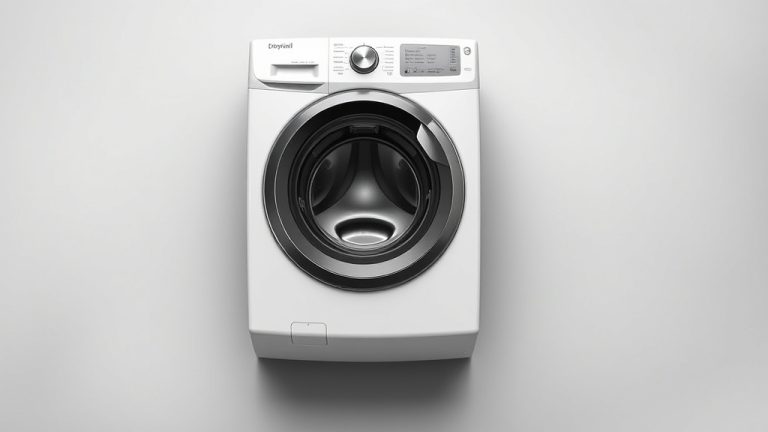
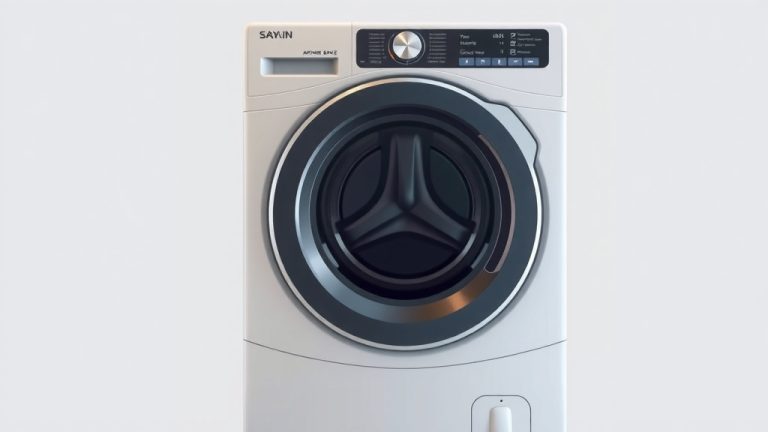
Washers and dryers aren’t typically combined into a single unit because separating the two functions allows for greater capacity and more efficient drying. While combo units exist, they often present challenges with load sizes and drying times that most households find inconvenient. You get more bang for your buck and better results with separate appliances.
Think about it: your clothes need a good tumble and heat to dry properly. Many combo units try to do both jobs at once in the same drum. This means a smaller wash load and a much longer drying cycle. We found that most manufacturers prioritize performance and user convenience, leading to the separation of these two distinct laundry tasks for better overall results.
- Combo units often have small capacities.
- Drying cycles in combos can take much longer.
- Separate machines offer more flexibility.
- You can wash and dry different loads simultaneously with two machines.
Let’s get into why having these two appliances working separately is generally the better setup for your laundry needs.
Why Are Laundry Machines Usually Separate?
You might be wondering why washers and dryers are almost always sold as two separate machines. It’s a good question! The simple answer is that this separation usually leads to a better overall laundry experience for most households. We’ve found that designing them as individual units allows for more power, capacity, and efficiency in each task.
Capacity Matters for Your Laundry Loads
Think about how much laundry you generate in a week. Separate washers and dryers generally offer larger drum capacities. This means you can wash and dry bigger loads at once. Combo units, on the other hand, often have smaller drums. This is because the drum needs to accommodate both washing and drying mechanisms.
The Wash Cycle Trade-Off
A larger wash capacity in a standalone washer means fewer loads throughout the week. You can tackle those bulky towels or bedding without a problem. If you’re used to washing a lot of clothes at once, a combo unit might leave you doing multiple small loads. This can actually take up more of your time in the long run.
Drying Limitations in Combo Units
The drying function in a combo unit often faces the biggest challenges. When clothes are wet, they take up more space. Because the dryer is in the same drum that just held water, it has to work harder to tumble and heat them effectively. We found that this often results in longer drying times, sometimes twice as long as a separate dryer.
Efficiency and Performance Differences
Separating the functions allows each appliance to be optimized for its specific job. A dedicated dryer is built with powerful heating elements and robust airflow systems. This ensures your clothes dry quickly and evenly. Combo units have to balance the needs of both washing and drying, which can lead to compromises.
Energy Consumption Considerations
While it might seem like a combo unit would save energy by being one machine, this isn’t always the case. Longer drying cycles in combo units can actually use more electricity or gas. A separate, efficient dryer can often complete its job faster, potentially leading to lower energy bills over time. Many modern separate dryers also come with advanced energy-saving features.
Maintenance and Repair Aspects
When you have two separate machines, fixing one doesn’t necessarily stop the other from working. If your combo unit has a problem, you might be without both a washer and a dryer until it’s repaired. This can be a significant inconvenience. Experts also suggest that having two distinct systems might simplify repairs, as technicians can focus on one specific function.
Flexibility in Your Laundry Routine
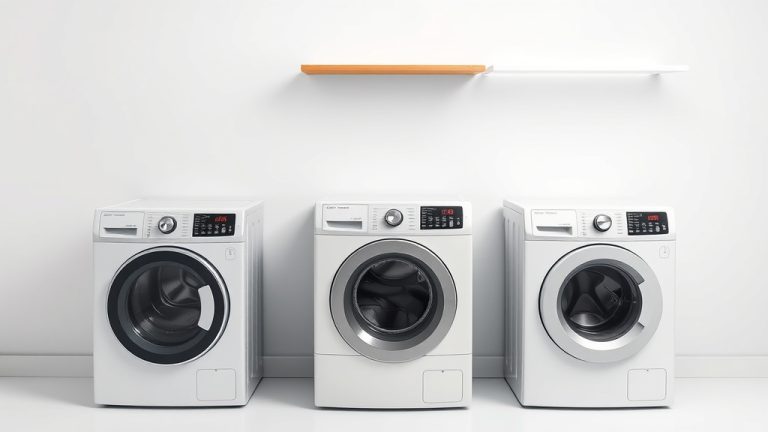
Having separate washers and dryers offers incredible flexibility. You can wash one load while another load is already drying. This multitasking ability can drastically speed up your entire laundry process. Imagine washing your whites while your delicates are tumbling dry.
Running Loads Simultaneously
With two machines, you can start a new wash cycle as soon as another one finishes drying. This is a huge advantage for busy households. You aren’t waiting for the dryer to finish before you can even start the next wash. This parallel processing is something combo units simply can’t achieve.
Choosing the Right Size for Your Needs
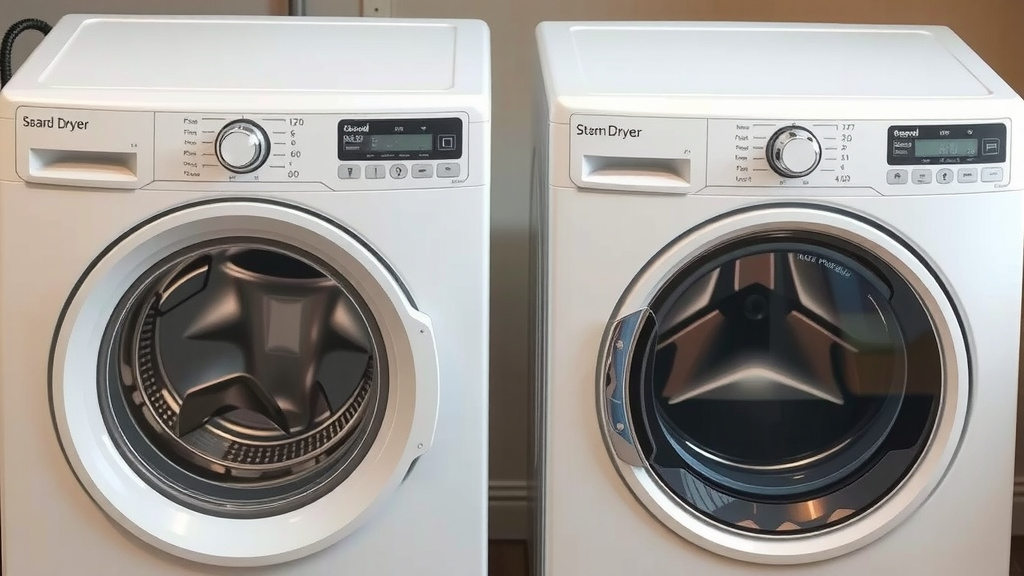
Separate appliances allow you to choose the perfect size for both washing and drying independently. You might need a large-capacity washer for family-sized loads but a smaller, more compact dryer if space is limited. This customization ensures you get exactly what you need for your home. Manufacturers offer a wide range of sizes for both washers and dryers, giving you more options.
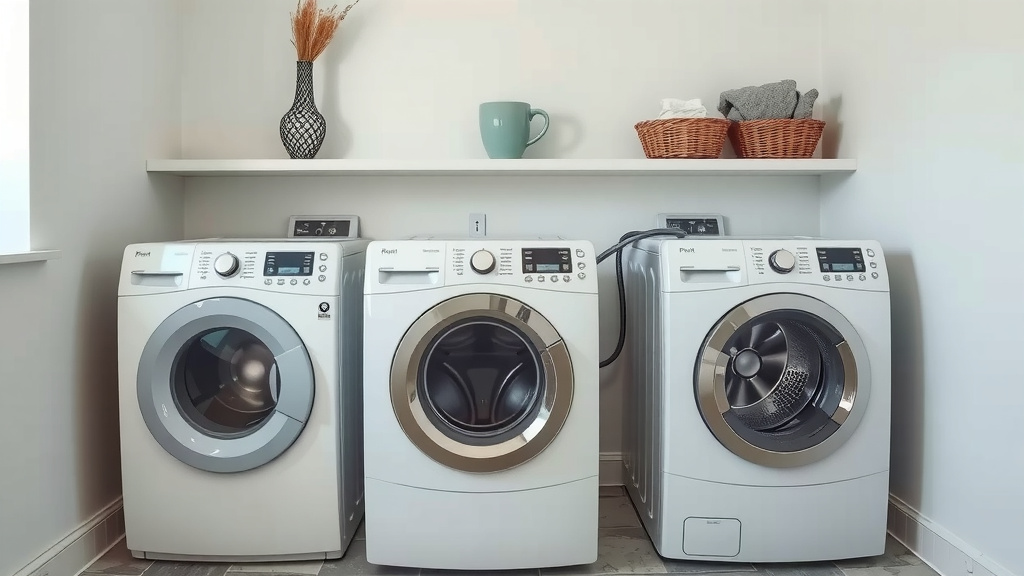
A Quick Comparison of Unit Types
Let’s break down the differences in a simple way:
| Feature | Separate Washer & Dryer | Washer-Dryer Combo Unit |
|---|---|---|
| Capacity | Generally Larger | Often Smaller |
| Drying Time | Faster | Typically Longer |
| Flexibility | High (wash & dry simultaneously) | Limited (one cycle at a time) |
| Performance | Optimized for each task | Compromises between tasks |
| Repair Convenience | One machine can still function | Both may be out of commission |
When Might a Combo Unit Make Sense?
While we’ve focused on the advantages of separate machines, combo units do have their place. They are often ideal for very small living spaces, like RVs, studio apartments, or dorm rooms. If laundry space is extremely limited, a combo unit can be a practical solution. They offer a one-and-done approach for those with minimal laundry needs and space constraints.
Making the Best Choice for Your Home
Deciding between separate machines and a combo unit comes down to your personal needs. For most families, the capacity, efficiency, and flexibility of separate washers and dryers are hard to beat. We found that research consistently points to better performance and user satisfaction with individual appliances. It allows for a more streamlined and effective laundry routine.
Here’s a quick checklist to consider:
- Assess your typical laundry load size.
- Consider how much laundry you do weekly.
- Evaluate the space available for appliances.
- Think about how quickly you need clothes dry.
- Factor in your budget for purchase and energy costs.
- Decide if multitasking during laundry day is important.
Conclusion
Ultimately, separating your washer and dryer offers you superior performance and flexibility for your laundry routine. While combo units exist, the trade-offs in capacity, drying time, and efficiency often outweigh their space-saving benefits for most homes. We found that dedicated machines simply do a better job. Prioritizing separate units means fewer loads, quicker drying, and a smoother overall laundry experience for you and your family. Before you decide, honestly assess your household’s laundry habits and space to make the best choice.
Frequently Asked Questions
Are washer-dryer combo units really that bad?
No, they aren’t inherently bad, but they do come with compromises. We found that for smaller living spaces or minimal laundry needs, they can be a practical solution. Just be prepared for smaller load sizes and potentially longer drying times compared to separate machines.
Can I wash and dry clothes at the same time with a combo unit?
No, that’s a key difference. A combo unit performs one function at a time. You’ll need to wait for the wash cycle to complete before the drying cycle can begin, which isn’t possible with separate machines that allow true simultaneous operation.
Will a combo unit save me money on my energy bills?
Not necessarily. While it’s one appliance, the longer drying cycles in combo units can consume more energy. We found that well-maintained, energy-efficient separate dryers can often complete their task faster, potentially leading to lower bills over time.
Is a combo unit a good option for a large family?
Generally, no. Large families produce significant laundry volume, and combo units typically have much smaller capacities. You’d likely find yourself running many small loads, which would be very time-consuming and less efficient than using separate, larger-capacity machines.
What happens if my combo washer-dryer breaks down?
This is a significant drawback. If one part of the combo unit malfunctions, you could be without both a washer and a dryer until it’s repaired. With separate machines, one can still function if the other needs servicing, offering much greater convenience.