Why Americans Prefer Top Loading Washing Machines
Americans often stick with top-loading washing machines mainly because they are generally less expensive and have a simpler, more familiar design. These machines are also known for being easier to repair themselves. Many households already own one and find them perfectly adequate for their laundry needs.
While front-loaders have gained popularity for their efficiency, the enduring appeal of top-loaders is undeniable. Their intuitive controls and the ability to add clothes mid-cycle make them a practical choice for many. We’ve found that the learning curve for top-loaders is practically non-existent for most people.
- Top-loaders are cheaper to buy upfront.
- They are typically easier for DIY repairs.
- Many people prefer their straightforward operation.
- You can add forgotten clothes mid-wash.
Let’s take a closer look at why these classic machines remain a favorite in American homes.
Why Americans Love Their Top-Loading Washers
You might be wondering why so many American households still favor top-loading washing machines. It’s a question many people ask, especially with the rise of sleek, front-loading models. We’ve found that the reasons are pretty practical and come down to a few key advantages that have kept top-loaders in favor for decades.
The Familiarity Factor: A Comforting Choice
One of the biggest reasons Americans stick with top-loaders is simply that they’re familiar. Think about it: for many years, these were the machines everyone had. You likely grew up with one, and your parents probably did too. This long history means that most people understand exactly how they work without needing a manual.
Intuitive Controls, Easy Operation
The control panels on top-loaders are often very straightforward. You usually have simple dials or buttons for selecting wash cycles, water temperature, and load size. We found that this simplicity is a huge draw. There aren’t usually a lot of confusing options to navigate. It’s a get-in, get-it-done kind of machine.
The “Oops!” Moment Saver
We’ve all been there: you start a load of laundry, and then you find that one stray sock or your favorite shirt. With a top-loader, you can often pause the cycle and lift the lid to toss in those forgotten items. This convenience is a small but mighty reason many people prefer them.
Cost Considerations: Budget-Friendly Choices
When you’re shopping for a new washing machine, price is usually a big factor. Top-loading washing machines tend to be less expensive upfront compared to their front-loading counterparts. This makes them a more accessible option for a wider range of budgets.
Initial Purchase Price
Research consistently shows that the average top-loader comes with a lower price tag. We found that the initial investment can be hundreds of dollars less, which is a significant saving for many families. This cost difference is a major driver in consumer choice for new appliances.
Long-Term Value and Repairs
Beyond the initial purchase, top-loaders are often seen as having better long-term value. They are generally simpler machines, which means repairs can be less costly and easier to manage. Many people find that they can even tackle minor repairs themselves, saving on expensive service calls.
DIY-Friendly Designs
If a part does break, the internal mechanisms of a top-loader are typically easier to access and understand. We found that replacement parts are often readily available and more affordable. This DIY potential contributes to their overall lower cost of ownership over time.
Performance and Washing Styles
While front-loaders are known for being gentle on clothes and using less water, top-loaders offer a different kind of wash experience that many people appreciate.
Agitator vs. Impeller Styles
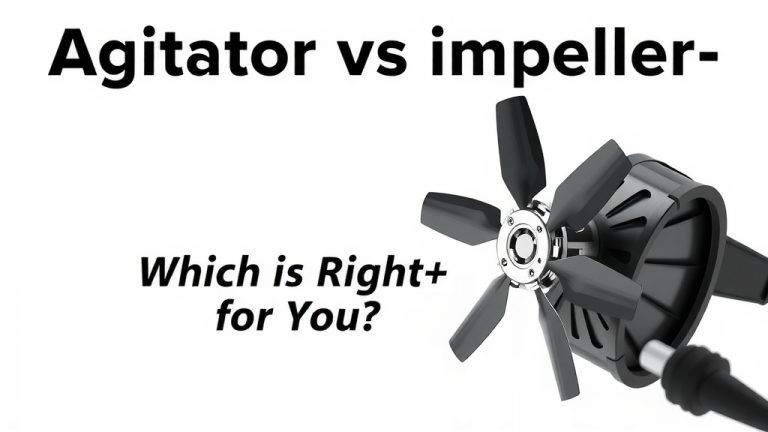
There are two main types of top-loaders: those with an agitator (the tall post in the middle) and those with an impeller (a low-profile disc at the bottom). Agitator models are known for their robust cleaning power, effectively scrubbing clothes. Impeller models, also called high-efficiency (HE) top-loaders, are gentler and use less water than traditional agitator models, but they still offer a different wash action than front-loaders.
Water Usage and Habits
Some older or basic top-loaders use more water than front-loaders. However, many newer HE top-loaders are designed to use less water and energy, closing the gap in efficiency. Still, the habit of using ample water for washing is deeply ingrained for many Americans, and top-loaders can accommodate that preference.
| Feature | Traditional Top-Loader (Agitator) | HE Top-Loader (Impeller) | Front-Loader |
|---|---|---|---|
| Upfront Cost | Lowest | Mid-Range | Highest |
| Ease of Adding Clothes Mid-Cycle | Very Easy | Easy (early in cycle) | Difficult/Not Recommended |
| Repair Simplicity | Easiest | Moderately Easy | More Complex |
| Water Usage | Highest | Low to Moderate | Lowest |
| Gentleness on Clothes | Moderate | Good | Best |
Space and Installation Conveniences
Top-loaders often fit well into existing laundry spaces. They don’t require a lot of clearance in front for the door to open, which can be a significant advantage in smaller homes or apartments.
No Bending Required
Loading and unloading a top-loader means you don’t have to bend over as much compared to a front-loader. This ergonomic advantage is appreciated by many, especially those with back issues or mobility challenges. It’s a simple comfort that makes a big difference in daily chores.
Installation Simplicity
Setting up a top-loader is generally very straightforward. You just need water hookups and a drain. There’s no need for the extra anchoring that some front-loaders might require, and they tend to be more forgiving if your floor isn’t perfectly level.
The Bottom Line: A Practical Choice for Many
When you consider the combined factors of cost, ease of use, repairability, and simple convenience, it’s easy to see why top-loading washing machines remain a popular choice for American consumers. They offer a reliable, no-fuss way to get laundry done.
Your Laundry Day Checklist
To make sure you’re getting the most out of your machine, regardless of type, consider these simple steps:
- Sort your laundry properly.
- Don’t overload the machine.
- Use the right amount of detergent.
- Clean your washing machine regularly.
- Check pockets before washing.
- Know your machine’s cycles.
Conclusion
Ultimately, your choice in a washing machine comes down to what works best for your home and your budget. Top-loading washers continue to win over many American households because they offer a winning combination of affordability, ease of use, and familiar operation. We’ve seen how their straightforward design, simple controls, and the convenience of adding clothes mid-cycle make laundry day less of a chore. Plus, their reputation for being easier and cheaper to repair adds to their long-term appeal. If you’re in the market for a new machine, consider if these practical benefits align with your laundry needs and household routine.
Frequently Asked Questions
Are top-loading washing machines still a good buy?
Yes, top-loading washing machines can still be a great buy, especially if you prioritize upfront cost and simplicity. Research and our findings indicate they remain popular due to their lower purchase price and ease of operation. They are a practical choice for many households looking for reliable laundry solutions.
Why do some people prefer agitator top-loaders over impeller models?
Some people prefer agitator top-loaders for their perceived superior cleaning power. The central agitator post actively scrubs clothes, which many users feel tackles tougher stains more effectively. While HE impeller models are gentler, the robust action of an agitator is a draw for those who want a deep clean.
Can I really add clothes to a top-loading washer mid-cycle?
In most traditional and HE top-loading machines, you can indeed pause the cycle and lift the lid to add forgotten items, at least in the initial stages of the wash. This convenience is a key reason many prefer them over front-loaders, where opening the door mid-cycle isn’t typically recommended or possible.
Are top-loaders more expensive to maintain than front-loaders?
Generally, top-loading washing machines are considered less expensive to maintain over their lifespan. Their simpler internal mechanisms often make repairs easier and more affordable. Many common parts are also more readily available, contributing to a lower overall cost of ownership for many consumers.
Do top-loading washing machines use a lot of water?
Traditional top-loading washing machines with agitators tend to use more water than front-loaders or HE impeller top-loaders. However, newer high-efficiency (HE) top-loaders are designed to significantly reduce water consumption. The amount of water used can depend on the specific model and cycle selected.