Standard Washer and Dryer Sizes: What You Need to Know
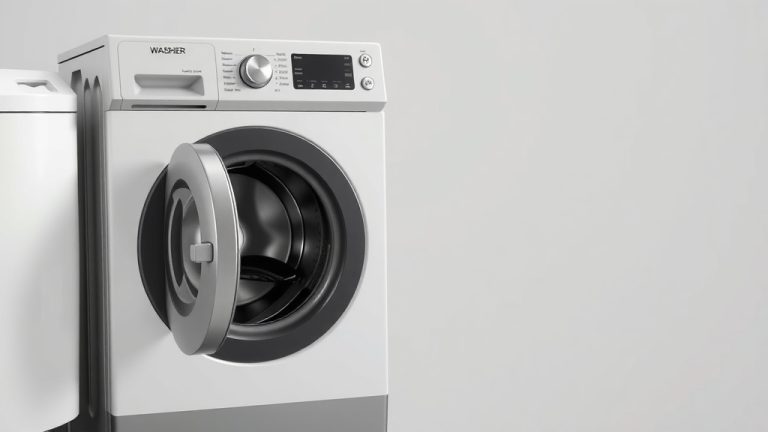
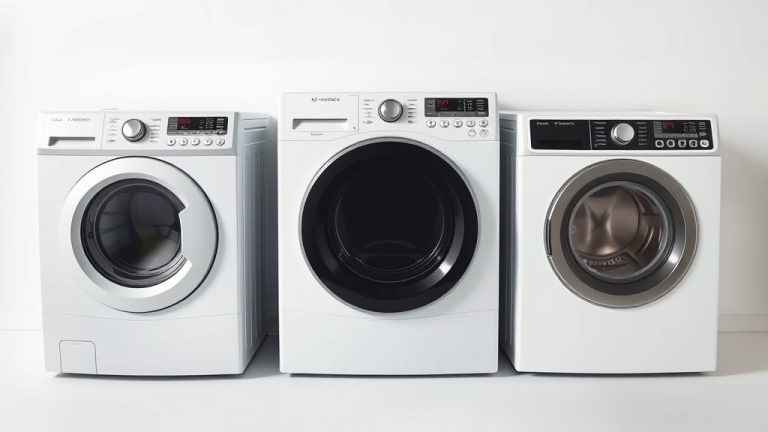
The standard size washer and dryer measures about 27 inches wide, 27 inches deep, and 36-40 inches tall. This common size fits most laundry rooms and apartments. Most models fall within this range, making it easy to find a pair that will fit your space.
When shopping for laundry appliances, understanding standard dimensions is key. While exact measurements can vary slightly between brands and specific models, there’s a generally accepted “standard” size. This ensures that the vast majority of washers and dryers are designed to fit into typical laundry spaces, whether that’s a dedicated room, a closet, or a corner of your kitchen.
- Standard washer and dryer width is typically 27 inches.
- Height can range from 36 to 40 inches.
- Depth is usually around 27 inches.
- These dimensions ensure they fit in most laundry spaces.
- Always measure your space before buying.
Let’s dive into the specifics of what makes a washer and dryer “standard” and how to choose the best fit for your home.
Understanding Standard Washer and Dryer Dimensions
When you’re looking to purchase a new washer and dryer, knowing the standard sizes can save you a lot of headaches. Think of it like buying a couch for your living room; you wouldn’t buy one without measuring your doorway first, right? The same applies to laundry appliances. Most manufacturers design their machines with common household spaces in mind.
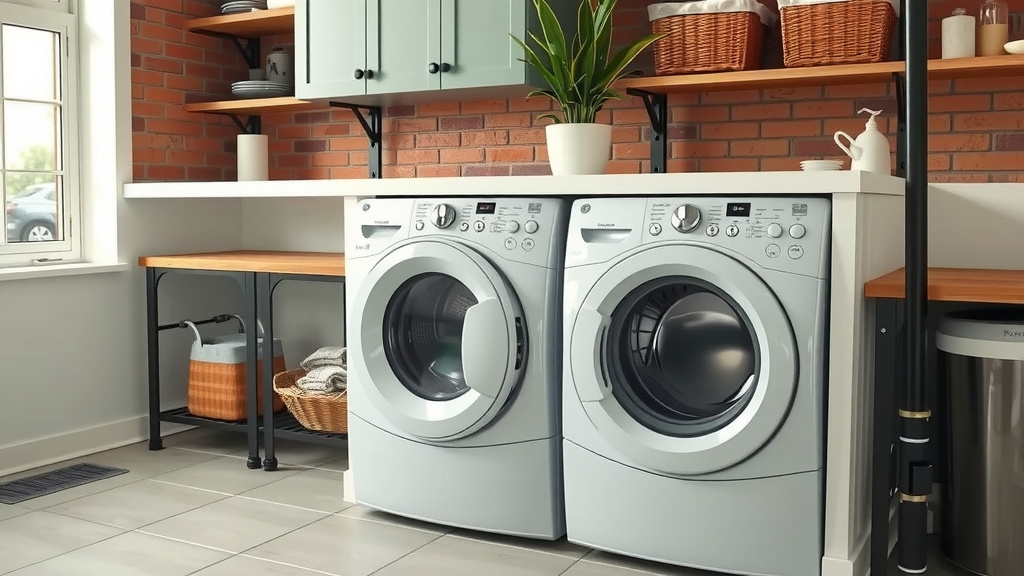
The typical washer and dryer set are built to fit comfortably in most laundry rooms, closets, or even alcoves. This standardization helps ensure that when you buy a new appliance, it’s highly likely to fit into the space you already have. It’s a helpful convention that makes appliance shopping much less of a guessing game.
The Most Common Width: A Near-Universal Fit
The most consistent dimension you’ll find among standard washers and dryers is their width. Most units measure in at approximately 27 inches wide. This width is specifically chosen because it accommodates the majority of doorways and laundry room layouts across the United States. If you can get a standard doorway through, you can likely get a standard washer or dryer through.
This 27-inch width is a sweet spot. It’s wide enough to offer a good drum capacity for washing your clothes, yet narrow enough to navigate typical residential spaces. We found that this dimension has remained relatively consistent for decades, making it a reliable measurement to work with.
Depth and Height: Considerations for Your Space
While width is fairly uniform, depth and height can have a bit more variation. Standard washing machines and dryers usually have a depth of around 27 to 33 inches. This measurement is important because it dictates how far the appliance will stick out into your room. You need to ensure there’s enough clearance for doors to open fully and for you to move around comfortably.
The height of a standard washer and dryer typically falls between 36 and 40 inches. This is the measurement from the floor to the highest point of the appliance. When planning your laundry space, especially if you have overhead cabinets or shelves, this height is a critical factor to consider. Always check these measurements before you buy.
Washing Machine Depth Variations
Front-loading washers often have a slightly deeper profile than top-loaders. This extra depth is usually due to the door mechanism and the internal components required for tumbling action. We’ve seen some front-loaders go up to 30 or even 33 inches deep. Don’t forget to account for hoses and the space needed behind the machine for ventilation and hookups. About 4-6 inches of clearance behind the unit is often recommended by manufacturers for proper airflow and maintenance.
Dryer Depth and Door Swing
Dryers, whether gas or electric, generally share similar depth dimensions with washers. However, you also need to think about the door swing. Front-loading dryers have doors that swing open, usually from the left or right. Make sure there’s enough space for the door to open completely without hitting a wall, another appliance, or a cabinet. Some dryer doors can be reversible, which can offer flexibility.
Beyond the Standard: Compact and Extra-Large Options
It’s worth noting that not all washers and dryers adhere strictly to the standard dimensions. You’ll find variations designed for specific needs. These often fall into two categories: compact or extra-large capacity.
Compact Washers and Dryers
For those living in very small apartments or homes with limited laundry space, compact units are a lifesaver. These are typically narrower, often around 24 inches wide, and sometimes shorter in height. They are perfect for tight closets or small kitchens. However, their smaller size means a smaller drum capacity. You might find yourself doing more frequent, smaller loads. We found that compact models often require specialized venting or hookups, so be sure to check those requirements.
High-Capacity Washers and Dryers
On the other end of the spectrum are the large-capacity machines. Families with a lot of laundry or those who prefer to wash bulky items like comforters might opt for these. They can be a few inches wider than standard models, sometimes pushing 29-30 inches. Their depth can also be a bit more, and their height might be slightly taller to accommodate the larger drums. These machines are fantastic for tackling big loads but demand ample space. They are definitely not for the average closet.
What “Standard” Really Means for Your Purchase
The term “standard size” is a helpful guide, but it’s not a rigid rule. Manufacturers aim for a size that fits most homes, but individual models will always have slight variations. The core idea behind the standard size is to make shopping and installation as straightforward as possible for the average consumer.
When you’re out shopping, you’ll see that the vast majority of washers and dryers are built around that 27-inch width. This means you have a huge selection to choose from within that common footprint. It’s like choosing from a buffet; there are many options that will fit on your plate.
Essential Measurements for Your Laundry Space
Before you fall in love with a particular washer or dryer online or in a showroom, grab your measuring tape. This is the most critical step you can take. You need to measure not just the dimensions of the appliance you’re considering but also the space where it will live.
- Measure the width of your laundry area.
- Measure the depth, remembering to include space for hoses and ventilation.
- Measure the height, especially if you have cabinets above.
- Measure all doorways, hallways, and stairwells the appliance must pass through.
- Consider clearance for opening doors and drawers.
Think about how the appliance will be delivered. Can it get through your front door? Can it navigate tight corners? Is there enough space for the delivery team to maneuver it safely? These practical considerations are just as important as the final placement dimensions. We’ve heard stories of people buying appliances that looked perfect but couldn’t be brought into the house!
A Quick Checklist Before You Buy
To make sure your new washer and dryer fit perfectly, follow this simple checklist:
- Measure Your Space: Confirm width, depth, and height of your laundry area.
- Check Doorways: Ensure the appliance can pass through all entry points.
- Allow for Clearance: Factor in space for door swings and ventilation.
- Read Product Specs: Always check the exact dimensions for the model you want.
- Consider Delivery Path: Map out how the appliance will get into your home.
By taking these steps, you’ll be well on your way to a smooth laundry appliance purchase. Knowing the standard dimensions and checking your own space will prevent common pitfalls. You’ll be enjoying clean clothes from your perfectly fitting new machines in no time!
Conclusion
You’ve learned that a standard washer and dryer usually measures around 27 inches wide, 27 inches deep, and 36-40 inches tall. This common size is designed to fit most homes, making your appliance search simpler. While there are compact and larger options, sticking to standard dimensions offers the widest selection. Your next best step is to grab your measuring tape! Measure your laundry space, doorways, and delivery path carefully before you shop. This simple act prevents common headaches and ensures your new laundry pair fits perfectly.
Frequently Asked Questions
Will a standard washing machine fit through my doorway?
Generally, yes. The standard 27-inch width is chosen to fit through most residential doorways. We recommend measuring your specific doorways and hallways just to be absolutely sure, especially if you have older or narrower entrances.
How much space do I need behind a standard washer and dryer?
Manufacturers often recommend about 4-6 inches of clearance behind your appliances. This space is essential for proper ventilation, hose hookups, and maintenance. Forgetting this can lead to performance issues or even damage.
Can I stack a standard washer and dryer?
Yes, many standard-sized front-load washers and dryers are designed to be stacked with a special kit. Top-load washers and dryers generally cannot be stacked. Always check the product specifications and purchase a stacking kit if needed.
Are dryer door swings a big consideration for standard sizes?
Yes, they are! For front-load dryers, you must account for the door swing. Make sure the door can open fully without hitting walls or other obstacles. Some dryer doors are reversible, offering more placement flexibility.
What’s the difference in depth between a front-load and top-load standard washer?
Front-load washers are often a few inches deeper than top-load models. This is usually due to the door mechanism and internal drum design. Standard depths can range from about 27 inches for some top-loaders up to 33 inches or more for certain front-loaders.