How Heavy Is a Stackable Washer and Dryer
So, how heavy is a stackable washer and dryer? Generally, you’re looking at a combined weight of around 250 to 400 pounds for a typical stackable laundry unit. This can vary a bit based on the specific brand, model, and materials used in construction.
Understanding the weight is key when planning your laundry room setup or if you need to move it. It’s not just about the individual machines; stacking them means dealing with a single, hefty appliance. We found that the washer is usually heavier than the dryer unit due to the motor and water components.
- Stackable washer/dryer units typically weigh between 250 and 400 pounds combined.
- The washer component usually accounts for more of the total weight.
- Weight varies by specific model, brand, and construction materials.
- Knowing the weight helps with planning installation and moving.
Let’s break down the specifics of stackable washer and dryer weights so you know exactly what you’re dealing with when bringing one home.
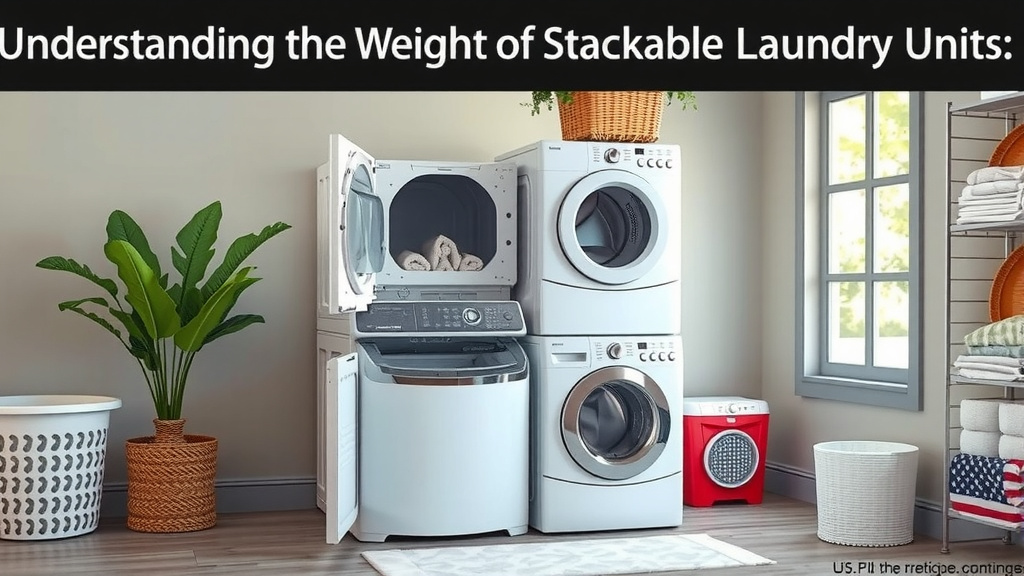
Understanding the Weight of Stackable Laundry Units
So, you’re curious about how much a stackable washer and dryer weighs? It’s a common question, and for good reason! Moving these appliances or planning your laundry space requires knowing their heft. Generally, a stackable washer and dryer unit can tip the scales between 250 to 400 pounds.
This combined weight means you’re not just dealing with two separate machines; you’re handling one tall, bulky appliance. Think of it like a very heavy, very expensive refrigerator that also happens to wash and dry your clothes. We found that the washer almost always weighs more than the dryer in a stacked pair.
Why So Much Weight? Breaking Down the Components
Why do these units carry so much heft? It’s all about the components inside. The washer, in particular, is a powerhouse of mechanical parts. You’ve got the drum, the motor, the water pump, and the suspension system. All these parts work together to agitate clothes, spin them at high speeds, and drain water. That’s a lot of metal and complex machinery!
The dryer, while simpler, still has its share of weight. It includes a drum, a motor to spin it, a heating element (either electric or gas), and a fan. These elements, combined with the outer casing, contribute to its overall mass. Many modern units also include control panels and sensors, adding a bit more.
The Washer’s Role in the Total Weight
As we mentioned, the washer is typically the heavier component. We found that a standalone front-load washer can weigh anywhere from 150 to 250 pounds. This is due to its heavy-duty motor, robust suspension system designed to handle vigorous spinning, and the water-filled tub.
The suspension is key. It absorbs vibrations during the spin cycle, preventing the machine from “walking” across the floor. This system often involves heavy springs and dampers, contributing significantly to the washer’s overall weight.
The Dryer’s Contribution to the Load
The dryer, while lighter than the washer, still adds a substantial amount to the total. A typical electric dryer might weigh between 100 to 150 pounds. Gas dryers are often a bit lighter because they don’t need the same kind of heavy electrical heating elements.
The dryer’s weight comes from its drum, motor, blower fan, and exhaust system. While it doesn’t handle water like the washer, the machinery required for tumbling clothes and circulating hot air still adds up. We found that even a lighter dryer adds considerable heft when you’re looking at the combined unit.
Factors Influencing Stackable Unit Weights
The weight range of 250 to 400 pounds is a good general guideline, but individual models can vary. Several factors play a role in how heavy a specific stackable unit will be.
Material Matters: Stainless Steel vs. Plastic
The materials used in construction make a big difference. High-end models might use more stainless steel for internal components and the exterior panels. Stainless steel is durable and attractive, but it’s also heavier than plastic. Lower-end models might incorporate more plastic parts to reduce weight and cost.
We found that the drum material is particularly important. While many washers and dryers have stainless steel drums for durability, some might use porcelain-coated steel or even specialized plastics, which can impact the overall weight. A full stainless steel build will always be heavier.
Capacity and Size of the Units
Just like with full-size appliances, larger capacity stackable units will generally weigh more. A compact stackable system designed for small apartments will naturally be lighter than a large-capacity one built for a family of five. More space inside the drums means more material is needed to construct them, increasing the weight.
Think about it this way: a larger tub needs a more substantial frame and suspension to support it, especially when filled with wet clothes. This applies to both the washer and the dryer. We found that manufacturers often specify dimensions, and these can be a good indicator of potential weight differences between models.
Smart Features and Additional Technology
Modern appliances come loaded with technology. Stackable units with advanced smart features, extra sensors, and digital control panels might add a small amount of weight. These electronic components, while individually light, can contribute to the overall heft when bundled together.
Some high-tech units might include features like steam functions, enhanced drying sensors, or Wi-Fi connectivity. While these innovations are great, they do add to the internal component count and, consequently, the weight. Many experts say that the core mechanical parts still contribute the most, but it’s worth noting.
Practical Implications of Stackable Unit Weight
Understanding the weight isn’t just trivia; it has practical consequences for your home. Knowing the heft helps with planning and logistics.
Moving and Installation Challenges
When it comes to moving a stackable unit, you’ll need a strategy. The combined weight means you absolutely cannot do this alone. We strongly recommend hiring professional movers or at least having several strong individuals ready to help. Dollies, straps, and a clear path are essential.
Installation also requires careful consideration. You’ll need to maneuver this heavy appliance into its designated spot, often in a tight closet or corner. Ensure your floor can support the weight, especially if you’re placing it on an upper level. Many guidelines suggest reinforcing floors for heavy appliances (Building Codes Association).
Floor Support and Vibration Considerations
The sheer weight of a stackable washer and dryer can be a concern for your flooring. A combined weight of up to 400 pounds puts significant pressure on your floor. This is especially true for wooden subfloors or upper-level installations.
If you have concerns about floor support, it’s wise to consult a contractor. They can assess your flooring and recommend any necessary reinforcements. Proper installation and potentially a reinforced base can prevent structural issues down the line. We found that many manufacturers also provide installation manuals with weight distribution guidelines.
DIY vs. Professional Installation: What’s Best?
Given the weight and complexity, we often recommend professional installation for stackable units. Appliance stores usually offer this service, and it includes delivery and setup. This ensures the unit is installed correctly and safely.
If you’re a seasoned DIYer and have the right equipment and help, a DIY installation might be possible. However, consider the risks. Improper installation can lead to performance issues, water leaks, or even damage to the appliance or your home. It’s often worth the peace of mind to let the pros handle it.
A Quick Checklist for Your Move or Installation:
- Confirm the exact weight of your chosen model.
- Measure all doorways and hallways for clearance.
- Gather moving equipment: appliance dolly, straps, furniture pads.
- Recruit at least 2-3 strong helpers.
- Plan your route from the delivery point to the installation site.
- Consider professional installation for safety and warranty.
Conclusion
So, you’ve got a solid understanding of stackable washer and dryer weights! Remember, these units typically weigh between 250 to 400 pounds, with the washer being the heavier component. Factors like materials, capacity, and smart features influence this. Knowing this heft is essential for planning your move or installation.
Don’t underestimate the weight when you’re ready to bring one home. Always prioritize safety and consider professional help for moving and installation. Ready to tackle that laundry room upgrade? Your next step is to measure your space and confirm the exact weight of your chosen model!
Frequently Asked Questions
How much does a typical compact stackable washer and dryer weigh?
Compact stackable units are designed for smaller spaces and will generally weigh less than standard-sized ones. You might find these units typically range from 200 to 300 pounds combined. They still require careful handling due to their concentrated weight.
Is it safe to put a stackable washer and dryer on an upper floor?
Yes, it can be safe, but you must ensure your floor can support the weight. A combined weight of up to 400 pounds puts a lot of pressure on the structure. If you have concerns, especially with older homes or wooden subfloors, consult a contractor for reinforcement advice.
Does the weight of a stackable unit include the water inside?
The weights we’ve discussed are for the appliances themselves, without water. When the washer is in operation, it will hold water, adding extra pounds. A full washer drum can easily add 50 to 100 pounds or more, depending on the load size and model. This is why floor support is so important.
Are stainless steel stackable units heavier than plastic ones?
Generally, yes. Appliances with more stainless steel components, both internally and externally, tend to be heavier. Stainless steel is a denser material than most plastics used in appliance construction. If weight is a major concern, look for models that might use lighter alloys or more plastic where possible.
What’s the best way to move a stackable washer and dryer if I can’t hire professionals?
Moving a stackable unit without professionals is challenging and not recommended, but if necessary, gather at least three strong helpers. Use an appliance dolly with straps and protective padding. Ensure clear pathways and move slowly and deliberately, communicating with your helpers at all times. It’s still wise to check if your appliance warranty requires professional installation.