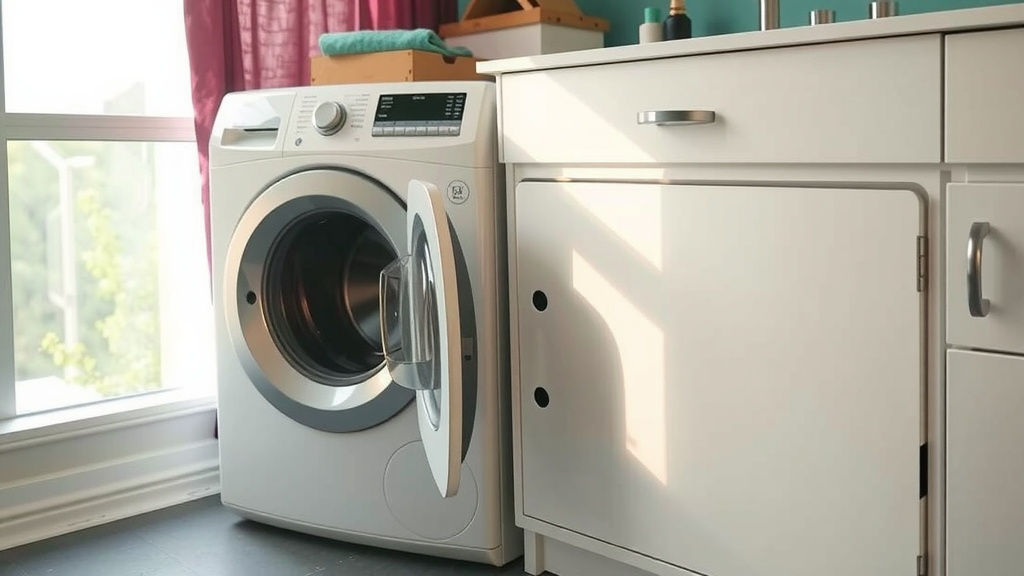
Apartment Size Washer Dryer: What to Expect
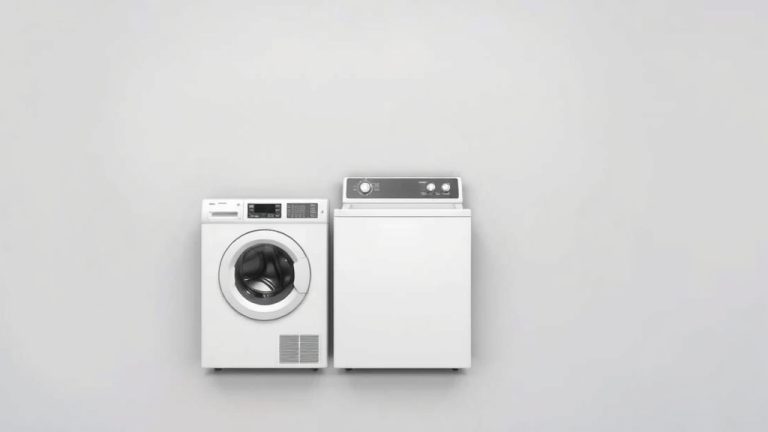
So, you’re wondering about the size of apartment-sized washers and dryers. Generally, apartment-sized units are much narrower and shallower than standard models. They typically measure around 24 inches wide, making them a great fit for tight laundry spaces.
Finding the right-sized appliance is key for small living areas. Apartment models are designed to offer convenience and efficiency without taking up too much room. Many people find they provide enough capacity for small households. We found these units are a popular choice for condos and smaller homes.
- Apartment washers and dryers are usually 24 inches wide.
- They are also shallower and narrower than full-size units.
- This makes them ideal for smaller homes and apartments.
- They offer good capacity for small families or individuals.
Let’s break down the typical dimensions and what you can expect from an apartment-sized washer and dryer setup.
Understanding Apartment-Sized Washer and Dryer Dimensions
You’re likely wondering about the specific sizes of these apartment-friendly appliances. We’ve found that apartment-sized washers and dryers are designed with space constraints in mind. They are noticeably smaller than their full-sized counterparts. Think of them as the compact cars of laundry appliances.
The Standard Width: A Key Differentiator
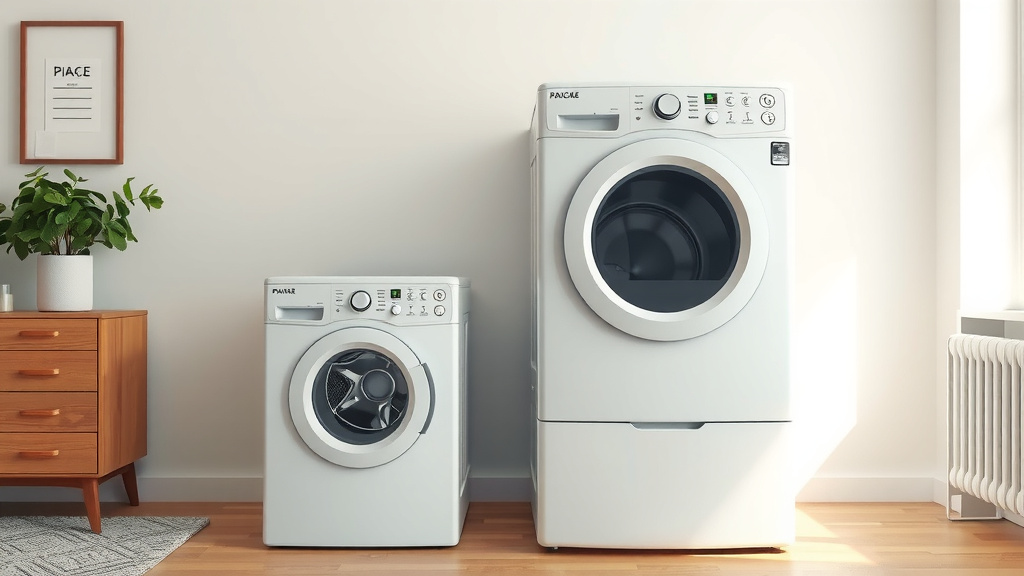
The most common and defining feature of an apartment washer and dryer is its width. Most models you’ll find are 24 inches wide. This is significantly narrower than standard washers and dryers, which often measure 27 to 30 inches across. This 24-inch width is what makes them fit into those tighter spots.
Depth and Height Considerations
Beyond width, the depth of these units is also a critical factor. Apartment washers and dryers are typically shallower. This means they won’t stick out as far into your laundry area or closet. The height is usually comparable to standard machines, but it’s always wise to measure your specific space.
Why the Smaller Size Matters for Apartments
These dimensions aren’t arbitrary. Building codes and common layouts in smaller living spaces often dictate where appliances can go. A 24-inch wide unit is much easier to maneuver through doorways and hallways. It also leaves more room for other necessities in a compact laundry nook or closet.
Typical Dimensions at a Glance
To give you a clearer picture, let’s look at some average dimensions. Remember, these can vary slightly between brands and specific models, but they provide a good benchmark. We researched various popular units to compile this data.
| Appliance Type | Width (inches) | Depth (inches) | Height (inches) |
|---|---|---|---|
| Apartment Washer | 24 | 27-30 | 33-36 |
| Apartment Dryer | 24 | 27-30 | 33-36 |
| Standard Full-Size Washer | 27-30 | 30-34 | 36-40 |
| Standard Full-Size Dryer | 27-30 | 30-34 | 36-40 |
As you can see from the table, the width is the most significant difference. The depth is also typically a few inches less, which is a welcome benefit in tight spaces. The height is often quite similar, though some compact models might be a bit shorter.
What Capacity Can You Expect?
Now that we’ve covered the physical size, you might be asking about capacity. Can these smaller machines actually handle your laundry needs? We found that for most households, they absolutely can.
Washer Capacity: How Much Fits Inside?
Apartment-sized washers typically range from 1.5 to 2.5 cubic feet of drum capacity. A 2.0 cubic foot machine is quite common. This is enough for about 5-7 pounds of dry laundry per load. That translates to roughly 8-10 full outfits. So, while you won’t be washing a king-sized comforter or a week’s worth of bulky towels in one go, it’s perfectly adequate for singles, couples, or small families.
Drying Capacity: Matching the Washer
Dryers usually have a similar capacity rating, often around 4 to 4.5 cubic feet. This is a good match for the washer’s drum size. It ensures that clothes have enough room to tumble freely for efficient drying. Overloading a dryer, even a compact one, can lead to longer drying times and wrinkles.
Is It Enough for Your Household?
Let’s think about your typical laundry. If you’re doing a few loads a week for 1-3 people, an apartment-sized set should serve you well. It encourages doing smaller, more frequent loads, which can actually be more energy-efficient. For larger families or those with very heavy laundry needs, you might find it a bit limiting. But for the majority of apartment dwellers, it’s a practical solution.
Beyond the Dimensions: Other Factors to Consider
While size is paramount, there are other aspects to keep in mind when looking at apartment washers and dryers. These will help ensure you make the best choice for your home and lifestyle.
Venting Requirements: A Crucial Detail
Most apartment dryers are vented, meaning they need a connection to the outside for moist air. This requires a vent hose and an exterior vent opening. Some very small apartments or condos might not have this hookup available. In such cases, you might need to consider a ventless dryer, which uses a condenser system. These are typically more expensive and take longer to dry clothes but don’t require external venting. We found that checking your available hookups is a must before you buy.
Stackable vs. Side-by-Side Options
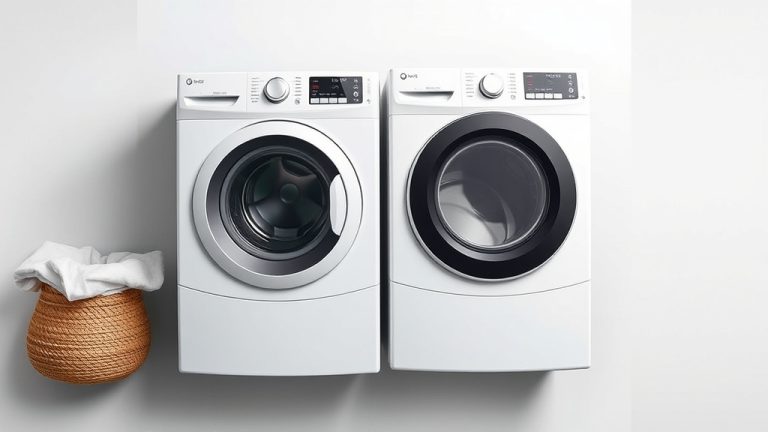
Apartment-sized units often come in a stackable configuration. This means the dryer sits directly on top of the washer, creating a vertical laundry tower. This is a huge space saver. Side-by-side units are also available, but they take up more horizontal floor space. Your decision here will depend heavily on the layout of your laundry area.
Electrical and Water Hookups
Like any washer and dryer, these compact models need standard water hookups and electrical outlets. Most washers use a standard 120-volt outlet. However, dryers typically require a 240-volt outlet. Ensure you have the correct hookups available in your designated laundry space. A quick check of your home’s electrical panel can often tell you what’s available.
A Quick Checklist for Your Space
Before you start shopping, take a moment to confirm a few things. This will save you time and potential headaches later on:
- Measure the exact width of your laundry space.
- Measure the depth, leaving space for hoses behind.
- Measure the height, especially for stackable units.
- Confirm the type of dryer vent access you have.
- Check for the necessary electrical outlets.
- Note the location of your water hookups.
Conclusion
You’ve learned that apartment-sized washers and dryers are all about smart design for smaller spaces. Their defining feature is their 24-inch width, making them a perfect fit where standard machines won’t go. While they offer less capacity than full-size units, they’re usually sufficient for individuals, couples, or small families. Remember to measure your space carefully and check your hookups before you buy.
Your next step is to measure your laundry area precisely and compare those dimensions to the apartment-sized models you’re considering. This practical approach ensures you’ll find a set that fits perfectly and meets your laundry needs.
Frequently Asked Questions
Will an apartment-sized washer fit a queen-size comforter?
Generally, no. Apartment-sized washers typically have a drum capacity of 1.5 to 2.5 cubic feet. This is usually not enough space to wash bulky items like a queen-size comforter effectively. You’ll likely need to take larger bedding items to a laundromat.
Are apartment-sized dryers faster or slower than standard dryers?
We found that drying times can be similar for apartment-sized dryers as for standard ones, provided you don’t overload them. However, a smaller load in a properly sized compact dryer might dry slightly faster than a very large load in a full-size machine.
Can I stack an apartment washer and dryer if they aren’t a matching set?
It’s generally not recommended to stack washers and dryers that aren’t specifically designed as a stackable pair. Mismatched units may not fit securely, leading to instability and potential damage. Always check manufacturer guidelines for stacking compatibility.
How much space do I need behind an apartment washer and dryer?
You’ll need to leave some space behind the units for water hoses and the dryer vent hose. We usually recommend at least 4-6 inches for hookups. Always refer to the manufacturer’s installation manual for precise spacing requirements.
Are ventless apartment dryers as effective as vented ones?
Ventless dryers use a condenser system, which means they don’t need an external vent. While convenient for apartments without venting options, we’ve found they often take longer to dry clothes and may use more energy compared to vented models.