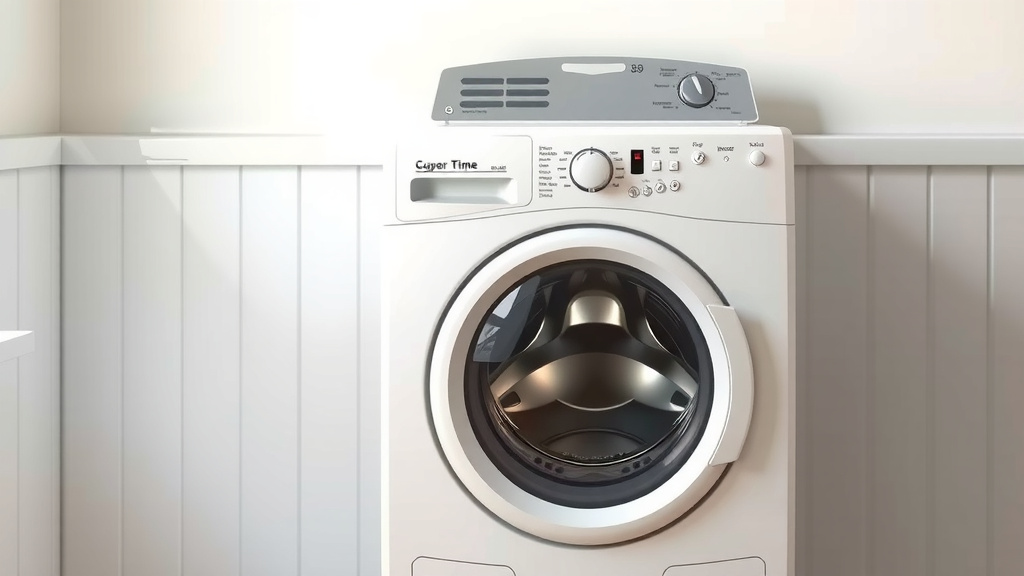
Stacked Washer Dryer Height Guide
The height of a stacked washer and dryer unit can vary, but most commonly measure between 70 and 80 inches tall. This total height includes both the washing machine and the dryer stacked securely on top of each other. Always measure your space before buying to ensure a proper fit.
Stacking units are a fantastic solution for saving precious floor space, especially in smaller homes or apartments. When considering a stacked set, you’ll want to think about the overall dimensions, not just the individual appliance sizes. This can also impact how you load and unload laundry, so it’s good to know what to expect regarding accessibility.
- Stacked units typically range from 70 to 80 inches in height.
- This measurement includes both the washer and the dryer.
- Always check the specific dimensions before purchasing.
- Consider accessibility for loading and unloading.
Let’s walk through the typical height ranges and what you need to consider when planning for a stacked washer and dryer.
Understanding Stacked Washer and Dryer Dimensions
So, you’re looking to go vertical with your laundry appliances. Great choice for saving space! But exactly how tall is a stacked washer and dryer? Typically, you’re looking at a height that ranges from 70 to 80 inches. This measurement is for the entire unit when the washer is placed beneath the dryer.
This vertical configuration is a game-changer for small homes or apartments where floor space is at a premium. But before you whip out your measuring tape, let’s get a clearer picture of what these dimensions mean for your home.
Typical Height Ranges for Stacked Units
When you see a stacked washer and dryer, it’s essentially two separate appliances merged into one tall package. The average height can vary depending on the specific models and brands you choose. Most standard stacked units land comfortably between 70 and 80 inches (about 5.8 to 6.7 feet).
Think of it like stacking two medium-sized appliances. A common front-load washer might be around 36 inches tall, and a matching dryer stacked on top would be similar. Add a few inches for the stacking kit or connections, and you quickly reach that 70-inch mark and beyond.
Compact vs. Standard Sizes
It’s worth noting that there are also more compact stacked units available. These are designed for even tighter spaces and might be a bit shorter. They often still provide a good washing and drying capacity, just in a more petite package.
On the other hand, some high-capacity or feature-rich models might push the upper limit of that 70-80 inch range. If you’re considering a large-capacity set, always double-check the manufacturer’s specifications to ensure it will fit your designated laundry nook.
Why Height Matters: More Than Just Fitting It In
The height of a stacked unit isn’t just a number to compare against your ceiling. It directly impacts how you’ll use the appliances.
For instance, the dryer is up high. This means loading and unloading clothes will be done at a higher level. If you have mobility issues or are shorter in stature, this might require a bit more effort or even a small step stool.
Accessibility Concerns
Many users find that reaching into the top of the dryer drum can be a challenge. If you have back problems or limited reach, this is a very important factor to consider. We found that some users opt for laundry baskets with wheels to make transferring clothes easier.
Always think about who will be doing the laundry. If multiple people of varying heights and physical abilities will use the machines, consider how accessible the top unit truly is for everyone.
Factors Influencing Stacked Unit Height
Several elements contribute to the final height of a stacked washer and dryer. Understanding these can help you predict the dimensions of different configurations.
Individual Appliance Dimensions
The primary driver of the stacked height is the height of the individual washer and the dryer. Most front-load washers and dryers are designed to be stacked. Their typical heights are fairly consistent across many brands.
We found that standard front-load washers often measure between 35 and 40 inches tall. Their matching dryers usually come in at a very similar height. This is why the combined measurement so frequently falls within the 70-80 inch range.
Stacking Kits and Connectors
To securely stack a dryer on top of a washer, a special stacking kit is usually required. These kits often include a metal bracket or frame that fastens the two units together. They also can sometimes provide a small utility shelf.
This kit adds a few inches to the overall height. It’s not a huge amount, maybe 1 to 3 inches, but it’s enough to make a difference in tight spaces. Always factor in the height of the stacking kit when measuring.
Pedestals: A Different Kind of Height Boost
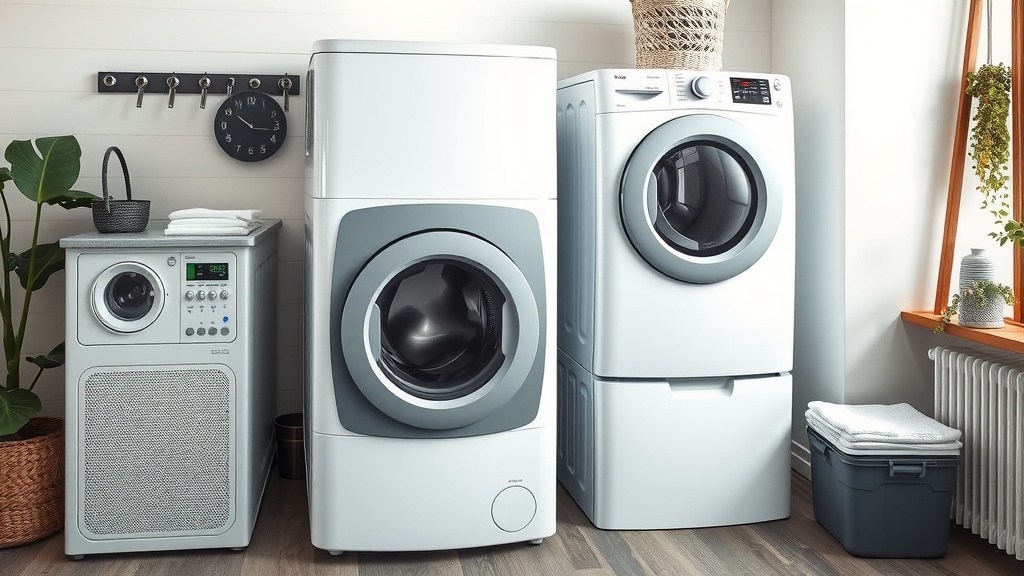
Some people opt to place their washer and dryer on pedestals instead of stacking them directly. Pedestals are drawers that lift the appliances off the floor, usually by about 10-16 inches. This can make loading and unloading much easier, as it raises the drum level.
However, if you use pedestals, you generally cannot stack the units. Pedestals are designed for side-by-side placement or for a single appliance. So, if you’re dreaming of stacking, you’ll likely forgo the pedestals.
Measuring Your Space: The Essential Step
Before you fall in love with a particular stacked unit, you absolutely must measure your laundry area. This isn’t just about width and depth; height is critical!
Measure the full height of your designated space. Don’t forget to account for any sloped ceilings, overhead cabinets, or light fixtures. You need clearance for the appliances, the stacking kit, and ideally, a little extra wiggle room for installation and maintenance.
Don’t Forget Door Clearance
Another height-related consideration is getting the appliances *into* your home and to their final spot. Do you have a standard doorway? What about any tight turns or staircases?
While the appliances are often delivered upright, sometimes they might need to be tilted or maneuvered through smaller openings. We found that it’s wise to check the dimensions of the appliances themselves, not just the stacked configuration, and compare them to your home’s entry points.
What to Look For When Buying
When you’re shopping for a stacked washer and dryer, keep these key dimensions in mind:
- Total Stacked Height: The manufacturer’s stated height for the combined unit.
- Washer Height: The height of the base unit.
- Dryer Height: The height of the top unit.
- Stacking Kit Height: Any additional height the kit adds.
- Door Clearance: Ensuring the unit can fit through doorways.
- Ceiling Clearance: Enough vertical space above the stacked unit.
Many manufacturers provide detailed specification sheets online. These are your best friend for getting precise measurements. Don’t hesitate to contact the retailer if you have any doubts about the dimensions.
Conclusion
You’ve learned that stacked washer and dryer units typically stand between 70 and 80 inches tall. This vertical setup is a smart space-saver, but its height impacts how you use it. Remember to consider accessibility for loading and unloading the high-up dryer. Always measure your specific space carefully, factoring in the stacking kit height and any overhead obstructions. Don’t forget to check if the unit can fit through your doorways!
Your next step is to get out your measuring tape. Measure the height, width, and depth of your laundry area. Compare these measurements with the specifications of the stacked units you’re considering. This ensures your new space-saving solution will fit perfectly and function smoothly for your needs.
Frequently Asked Questions
What is the average height of a standard stacked washer and dryer?
Most standard stacked washer and dryer units measure between 70 and 80 inches tall. This includes both the washing machine and the dryer stacked securely together. This range is common because individual front-load units are often around 35-40 inches each.
Will a stacking kit add a lot of height to the unit?
A stacking kit generally adds a small amount to the overall height, usually between 1 to 3 inches. While it’s not a dramatic increase, it can be important in spaces with limited vertical clearance. Always check the specific dimensions provided by the kit manufacturer.
Are there shorter stacked washer and dryer options for low ceilings?
Yes, compact stacked washer and dryer units are available and tend to be a bit shorter than standard models. They are designed for tighter spaces, including areas with lower ceilings. These compact versions still offer good washing and drying capacity.
Can I put a stacked washer and dryer on pedestals?
No, you generally cannot stack a washer and dryer if they are placed on pedestals. Pedestals are designed to raise appliances for easier access when used side-by-side or as a single unit. Stacking requires the base unit to sit directly on the floor.
What should I do if I have trouble reaching the top dryer?
If reaching the top dryer drum is a concern due to height or mobility issues, consider using a laundry basket with wheels for easier transfers. You might also find a small, sturdy step stool helpful. Think about who will be using the machines when making your decision.