Impeller vs Agitator Washer: Which Is Right For You
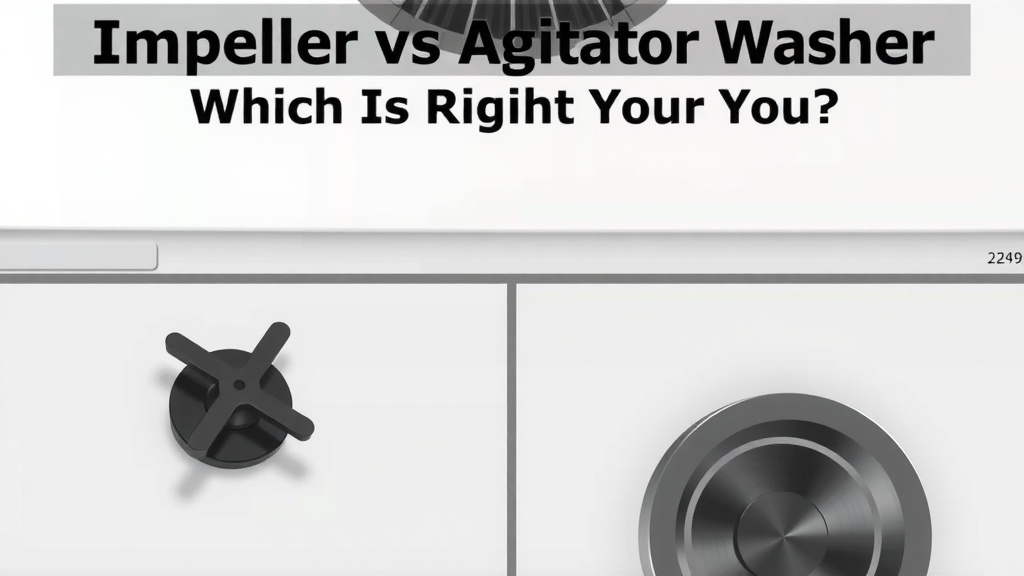
When deciding between an impeller vs. agitator washer, the key difference lies in their washing action. An agitator washer uses a central post to vigorously move clothes, while an impeller washer uses a low-profile disc or fin at the bottom to create a gentler tumblling motion. For delicate fabrics or a larger load capacity, an impeller is often the preferred choice.
Many people wonder which type is better for their laundry needs. We found that agitator models are generally known for getting clothes cleaner, especially heavily soiled items, thanks to their powerful scrubbing action. Impeller models, on the other hand, are celebrated for being kinder to clothes and often offer more space within the drum.
- Agitators scrub clothes with a central post.
- Impellers use a low-profile disc for tumbling.
- Agitators are great for tough stains.
- Impellers are gentler and offer more space.
- Impellers tend to be more energy-efficient.
Let’s break down the pros and cons of each to help you decide which washing machine style is the perfect fit for your household.
Agitator vs. Impeller Washers: What’s the Real Difference?
When you’re standing in front of a wall of shiny new washing machines, the options can feel overwhelming. You’ve probably seen terms like “agitator” and “impeller” pop up, and you might be wondering what on earth they mean for your laundry. Well, you’ve come to the right place! We’re going to break down exactly how these two types of washers work differently, so you can figure out which one will be your laundry room’s new best friend.
The core difference boils down to how the clothes are moved around in the wash. One uses a central post, the other uses a disc. It sounds simple, but this difference impacts everything from how clean your clothes get to how much you can stuff inside.
Understanding the Agitator Washer
You might remember these from your childhood home. Agitator washers have been around for a long time. They feature a prominent, central post that runs up the middle of the wash tub. This post has fins or paddles attached to it. Its main job is to move back and forth, twisting and turning.
How an Agitator Works
As the agitator spins, it twists and turns your clothes. This creates a vigorous scrubbing action. Think of it like a scrub brush for your laundry. The agitator forces water through the fabric, helping to loosen dirt and stains. This is why many people find them excellent for tackling really tough grime.
The Pros of Choosing an Agitator
We found that a major benefit of agitator washers is their powerful cleaning ability. They’re often the go-to for heavily soiled items, like work clothes or muddy sports uniforms. The intense motion can really get into the fibers and lift away stubborn dirt. Many older models are also known for their durability, with some households keeping them for decades.
The Cons of Agitator Washers
However, that powerful action isn’t always a good thing. That vigorous scrubbing can be tough on your clothes. We’ve heard from many users that agitators can cause more wear and tear on fabrics over time. They can also lead to more tangling, leaving you with knotted socks and twisted shirts. Plus, that central post takes up a lot of space, meaning you might have to wash smaller loads compared to other types.
Exploring the Impeller Washer
Impeller washers, also often called high-efficiency (HE) top-loaders, are a more modern design. Instead of a tall post, they have a low-profile disc or a series of fins at the bottom of the wash tub. This is the “impeller.”
How an Impeller Works
The impeller spins rapidly, creating currents and turbulence in the water. This action gently lifts and tumbles your clothes around the tub. It’s more like a gentle massage for your laundry, rather than a vigorous scrub. The goal is to create enough movement to clean without being overly harsh.
The Advantages of an Impeller Washer
One of the biggest draws for impeller models is their gentle washing action. We found that this makes them a fantastic choice if you have a lot of delicate items or simply want your clothes to last longer. Because there’s no bulky agitator, the entire tub is available for your laundry. This means you can often wash larger loads, saving you time and energy by doing fewer cycles. They also tend to be more energy and water-efficient. Many guidelines suggest HE washers use less water per load (Energy Star).
Potential Downsides of Impeller Washers
While great for delicates, some users feel that the gentler action might not be enough for extremely soiled items. We found that really tough, set-in stains might require a pre-treatment or a specific cycle. Also, because they use HE detergent, you need to be mindful of using the correct type and amount. Using too much can lead to residue.
Agitator vs. Impeller: A Quick Comparison
To make it super clear, let’s put their key differences side-by-side. This table should help you see at a glance where each type shines.
| Feature | Agitator Washer | Impeller Washer |
|---|---|---|
| Washing Action | Vigorous scrubbing with central post | Gentle tumbling with low-profile disc |
| Best For | Heavy soils, tough stains | Delicates, larger loads, general cleaning |
| Capacity | Smaller loads due to agitator | Larger loads, more space |
| Wear and Tear on Clothes | Can be higher | Lower |
| Water/Energy Use | Typically higher | Typically lower |
Which Washer Type is Right for Your Home?
So, after looking at the details, how do you make the final call? Consider what your laundry routine looks like. Do you often deal with heavily soiled items? Are you washing for a big family and need to get a lot done at once? Or perhaps you have a lot of delicate clothing that needs extra care.
We’ve found that the best way to decide is to match the washer’s strengths to your household’s needs. Think about these questions:
- How much laundry do you typically do?
- What kinds of fabrics do you wash most often?
- Are you concerned about energy and water consumption?
- Do you have specific types of stains that are common?
- How important is maximizing the space in the drum for larger items?
Conclusion
Choosing between an impeller and an agitator washer comes down to your laundry priorities. We found that if you need maximum cleaning power for tough stains and don’t mind a bit more wear on fabrics, an agitator might be your best bet. However, if you’re looking for a gentler wash, larger load capacities, and better efficiency, an impeller washer is likely the superior choice for your home. Consider the types of clothes you wash most often and your household’s overall laundry needs to make the most informed decision. Our guide to washing machine costs can help you budget for the right washing machine style.
Frequently Asked Questions
Can an impeller washer handle large bulky items?
Yes, impeller washers often handle bulky items like comforters and bedding better than agitator models. Since there’s no central agitator post taking up space, you can typically fit more in the drum. This increased capacity makes washing larger items much more convenient.
Will an agitator washer damage my delicates?
We found that the vigorous scrubbing action of an agitator can be tough on delicate fabrics. Over time, it can lead to increased wear and tear or snagging. If you frequently wash delicate items, an impeller washer’s gentler tumbling motion is generally a safer option.
Do impeller washers use less water than agitator washers?
Yes, impeller washers are generally more water-efficient. They are typically high-efficiency (HE) models and use less water to achieve a clean wash. This can lead to savings on your water bill over time.
Can I use regular detergent in an impeller washer?
No, impeller washers typically require High-Efficiency (HE) detergent. These detergents are formulated to produce fewer suds, which is essential for HE machines. Using regular detergent can lead to too much foam, potentially causing residue or poor rinsing.
Which type of washer is usually faster for washing clothes?
While both types have wash cycles, impeller washers often allow for larger loads. This means you might complete your total laundry in fewer cycles overall, potentially saving you time even if individual cycles are similar in length. Agitator washers can sometimes have faster cycles due to their aggressive cleaning action.