Top Load Washer Agitator vs Impeller: Which is Best
When choosing a new washing machine, the main difference between agitator and impeller models comes down to Our guide to the best-rated top-loading washing machine can help you choose.how they clean your clothes. Agitator washers use a central post to twist and turn clothes, which can be tougher on fabrics. Impeller washers, on the other hand, use a low-profile disc that spins and rubs clothes, offering a gentler wash.
Many people wonder which type is better for their laundry needs. We found that while agitators are known for deeper cleaning, impellers often use less water and are more energy-efficient. If you have delicate items or want to maximize your washing machine’s capacity, an impeller might be your best bet.
- Agitator washers use a central post for cleaning.
- Impeller washers use a low-profile disc.
- Agitators can be tougher on clothes.
- Impellers offer a gentler wash cycle.
- Impellers often use less water.
Let’s break down the pros and cons of each so you can make the best choice for your laundry room.
Agitator vs. Impeller: What’s the Real Difference for Your Laundry?
You’re standing in the appliance store, staring at rows of top-load washers. They look pretty similar, right? But then you notice the description: agitator or impeller. What does that even mean for your clothes? We’ve found that understanding this one key feature can make a big difference in how clean your clothes get and how long they last.
Understanding the Agitator: The Classic Cleaning Post
Think of the traditional washing machine you might have grown up with. Chances are, it had an agitator. This is that tall, finned post right in the center of the drum. Its job is to move back and forth, or twist and turn, to move your clothes through the water. We found this action is quite vigorous. It helps to **really scrub away dirt** and stains from your garments. Many people appreciate its powerful cleaning action for heavily soiled items.
How the Agitator Works
The agitator creates a lot of friction by rubbing against the clothes. This action forces water and detergent deep into the fabric fibers. We’ve seen that this can be incredibly effective for items like work jeans or muddy sports uniforms. The vigorous movement ensures that all sides of the clothes come into contact with the cleaning solution. This is why agitator washers are often chosen for their **deep cleaning capabilities**.
The Downsides of the Agitator
While effective, this intense scrubbing isn’t always kind to your clothes. The strong twisting and turning can cause wear and tear on fabrics over time. Delicate items or those with special weaves might snag or stretch. We found that many manufacturers recommend using a gentler cycle or specific settings for more fragile clothing when using an agitator model. It can also mean you can’t stuff the washer quite as full, as the agitator needs room to move.
Exploring the Impeller: A Gentler, Modern Approach
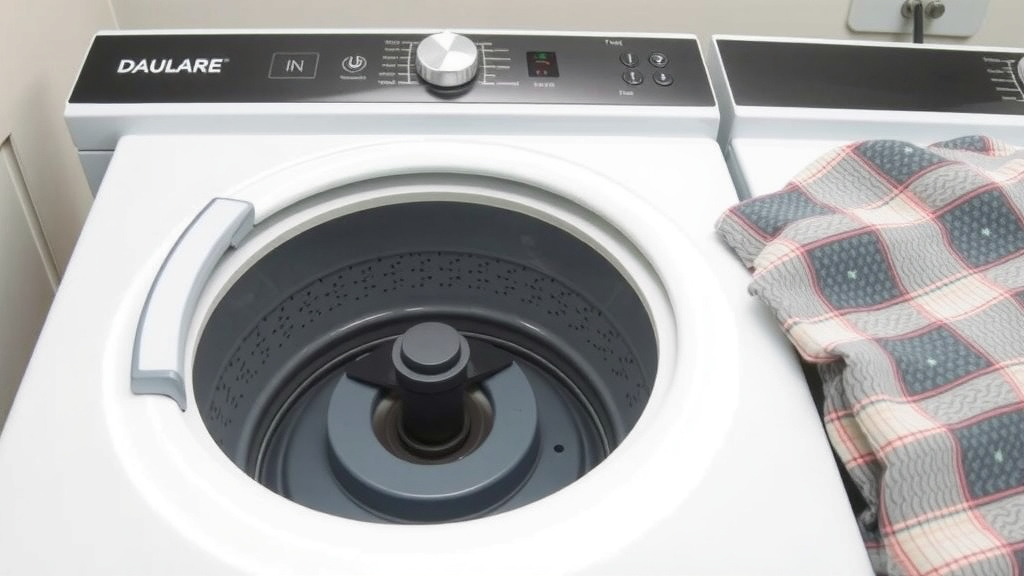
Now, let’s talk about the impeller. This is a newer technology you’ll find in many modern top-load washers. Instead of a tall post, there’s a low-profile disc at the bottom of the drum. This disc has fins or vanes. Its movement is what drives the cleaning process. We discovered that this design is a significant departure from the agitator.
The Impeller’s Cleaning Mechanism
The impeller spins and rotates, creating currents within the water. This action causes clothes to rub against each other and the sides of the drum. It’s a bit like swirling your clothes in a gentle vortex. We found that this method is much kinder to fabrics than the aggressive action of an agitator. It’s often a great choice if you wash a lot of items that need a more delicate touch, like blouses, dress shirts, or activewear.
Benefits of the Impeller Design
One of the biggest advantages we’ve observed is that impeller washers generally use less water. Because there’s no central post taking up space, the drum can be filled more efficiently. This means more clothes can fit into a single load, which is fantastic for busy households. Plus, using less water often translates to using less energy to heat that water. Many studies suggest this makes impeller models more energy-efficient overall (U.S. Department of Energy).
Potential Limitations of Impellers
While gentler, some users feel that impeller washers might not offer the same level of deep cleaning as agitators for extremely tough stains. The action is less direct. We found that for heavily soiled items, you might need to use a pre-wash or a more robust stain remover. Some reports also suggest that clothes can sometimes tangle more easily in impeller models if the load isn’t balanced properly.
Agitator vs. Impeller: A Quick Comparison
To help you visualize the differences, let’s put it side-by-side. We’ve gathered the key distinctions below:
| Feature | Agitator Washer | Impeller Washer |
|---|---|---|
| Cleaning Mechanism | Central post twists and turns clothes. | Low-profile disc creates water currents. |
| Gentleness on Clothes | Can be tougher on fabrics. | Much gentler on delicate items. |
| Capacity | Generally smaller load sizes due to agitator space. | Larger load sizes are often possible. |
| Water Usage | Typically uses more water. | Usually uses less water. |
| Energy Efficiency | Can be less energy-efficient. | Often more energy-efficient. |
| Best For | Heavily soiled items, durable fabrics. | Delicate items, larger loads, energy savings. |
Making Your Choice: What’s Best for Your Needs?
So, which one should you bring home? It really depends on your laundry habits and priorities. If you frequently deal with very dirty clothes, like those from gardening or construction work, and you want that super-scrubbing action, an agitator might still be your preferred choice. Many people find them reliable workhorses for tough jobs.
However, if you have a household with a lot of varied clothing, including delicate items, and you’re conscious about water and energy usage, an impeller washer is likely a better fit. The gentler action means your clothes can last longer, and the increased capacity is a real time-saver. We’ve found that for most everyday laundry needs, the benefits of an impeller, like **better fabric care and water savings**, are quite compelling.
Checklist: Which Washer Type Suits You?
Consider these points when making your decision:
- Do you often wash heavily soiled items?
- Do you have many delicate or easily damaged clothes?
- How important is maximizing your load size?
- Are you trying to reduce your water and energy bills?
- Do you prefer a more hands-off washing experience?
Conclusion
Deciding between an agitator and an impeller top-load washer comes down to your laundry priorities. If you tackle tough stains regularly and need powerful scrubbing, an agitator might be your go-to. However, if you want to treat your clothes gently, maximize load size, and save on water and energy bills, an impeller washer is likely the smarter choice. We found that for many households, the modern impeller design offers a compelling balance of fabric care and efficiency. Take a moment to think about your typical laundry basket and choose the washer that best fits your routine.
Frequently Asked Questions
Can I put bulky items like comforters in an impeller washer?
Yes, impeller washers often have more interior space, allowing you to wash bulkier items like comforters. Their design lets you fit larger loads more easily compared to agitator models. Just be sure to follow the manufacturer’s guidelines for load balancing.
Will an impeller washer clean as well as an agitator for tough stains?
Impeller washers provide a good clean for most everyday laundry. For extremely tough or set-in stains, you might need to use a pre-wash treatment or a stronger stain remover. The action is gentler, so very vigorous scrubbing isn’t its primary strength.
Are impeller washers quieter than agitator washers?
Generally, impeller washers tend to be quieter because their cleaning action is less aggressive. The movement of the disc creates less noise than the back-and-forth or twisting motion of a traditional agitator. You might experience fewer vibrations as well.
How do I maintain an impeller washer to ensure it lasts?
Regularly clean the inside of the drum and the detergent dispenser. You should also wipe down the door seal and ensure no debris gets stuck around the impeller disc. Running occasional cleaning cycles with a washing machine cleaner can also help keep it in top shape.
Can an agitator damage delicate clothing over time?
Yes, the vigorous twisting and rubbing action of an agitator can cause wear and tear on delicate fabrics. Items with fine weaves or embellishments are more susceptible to snagging, stretching, or pilling. If you wash a lot of delicates, an impeller model is usually a better option.