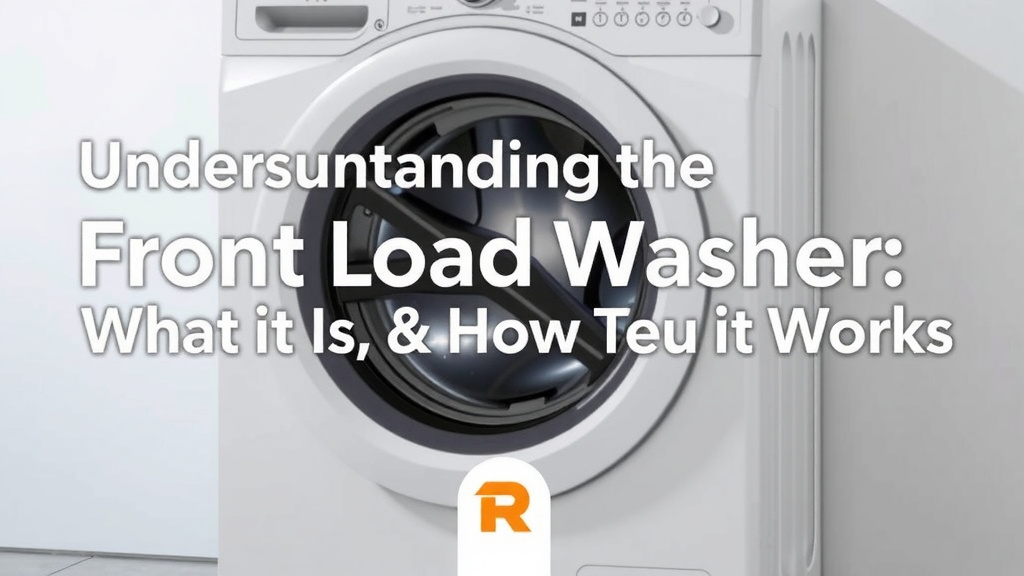
Understanding the Front Load Washer: What It Is & How It Works
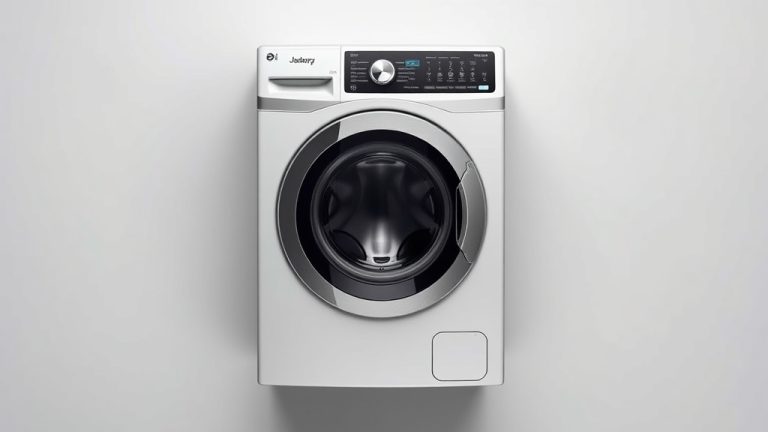
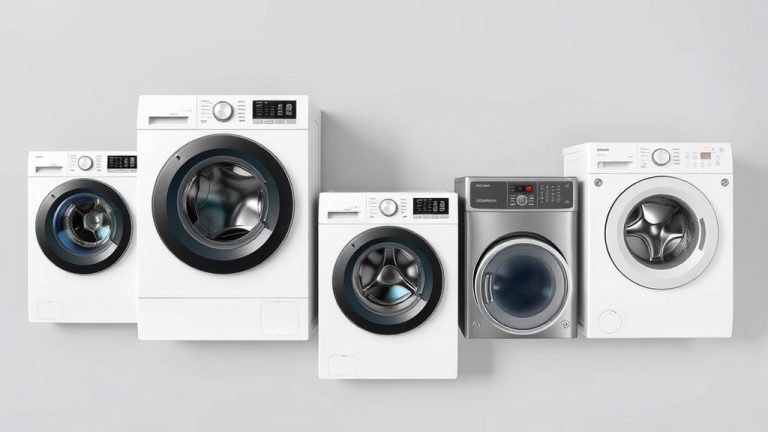
A front load washer is a washing machine where the door is on the front. Clothes tumble into the drum through the door. These machines use gravity and an agitator-free drum to clean your clothes. They are known for being gentle on fabrics.
Unlike older top-load washers, front loaders do not have a central agitator. This allows for larger loads and more efficient cleaning. They also tend to use less water and energy. Many people find their sleeker design appealing for modern homes.
- Front load washers have a door on the front.
- They don’t use a central agitator.
- They are generally more energy and water-efficient.
- Front loaders can handle larger laundry loads.
- They are often considered gentler on clothes.
Ready to see if a front load washer is the right choice for your laundry room? We’ve gathered everything you need to know to help you decide.
Understanding the Front Load Washing Machine
So, you’re curious about front load washers and how they stack up against other types. Think of a front loader as a washing machine that treats your clothes with a bit more care. Instead of a central post that spins clothes around, the drum in a front loader sits horizontally. Your clothes tumble gently from the top to the bottom as the drum rotates. This motion is why they’re often called tumble washers.
This design means you load your laundry through a door on the front of the machine. It’s a simple concept, but it leads to some pretty big advantages in how your laundry gets done. We found that this tumbling action is key to their gentle cleaning power.
How Does a Front Load Washer Actually Work?
The magic of a front load washer lies in its engineering. It uses a combination of gravity and mechanical action to get your clothes clean. Here’s a breakdown of what happens:
The Washing Cycle Simplified
When you start a cycle, the drum fills with water. Your clothes are then lifted by the drum’s paddles and dropped back into the water. This tumbling motion, much like a gentle massage, rubs the fabrics against each other to release dirt. It’s a more efficient way to clean without the harshness of an agitator.
Water and Detergent Interaction
Front loaders are designed to use less water per load. This means the detergent gets more concentrated. The tumbling action helps this concentrated mixture penetrate the fabric fibers. We found that this can lead to better stain removal in many cases, even with lower water levels.
The Spin Cycle’s Role
After washing and rinsing, the drum spins at very high speeds. This centrifugal force pushes water out of your clothes. The result? Laundry that comes out much less damp than with older machines. This means less time in the dryer, which can save you both time and energy.
Key Advantages of Choosing a Front Loader
There are several compelling reasons why so many people are making the switch to front load washers. They offer a blend of efficiency, fabric care, and convenience.
Superior Fabric Care
The lack of a central agitator is a big win for your clothes. Agitators can twist, stretch, and snag fabrics, leading to premature wear and tear. Front loaders, with their tumbling action, are remarkably gentle on all types of materials. We found research from appliance manufacturers consistently highlighting this benefit for extending the life of your wardrobe.
Energy and Water Efficiency
Front loaders are known for their eco-friendly design. They use significantly less water per wash cycle compared to traditional top-load machines. This is partly due to the lower water level needed to saturate the clothes tumbling through the water. Reduced water usage also means less energy is needed to heat the water, contributing to lower utility bills.
Many energy-efficient models have earned the ENERGY STAR certification. This means they meet strict energy efficiency guidelines set by the U.S. Environmental Protection Agency. You can feel good about making a choice that’s kinder to your wallet and the planet.
Larger Load Capacities
Because there’s no agitator taking up space in the center of the drum, front load washers can hold more laundry. This means you can wash bigger loads, or bulkier items like comforters and blankets, in a single cycle. Fewer loads mean less time spent doing laundry overall.
Quieter Operation and Vibration Control
Modern front load washers often incorporate advanced suspension systems. These systems are designed to minimize noise and vibration during the spin cycle. If your laundry room is near living areas, this can be a huge perk. You might even forget the machine is running!
Stackable Design Options
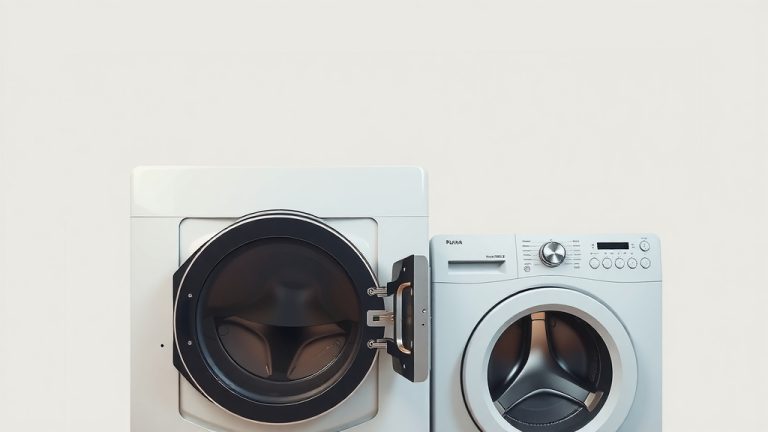
Many front load washers are designed to be stackable. This is a fantastic space-saving solution for smaller homes or apartments. You can place a matching dryer on top of the washer, freeing up valuable floor space. It’s a clever way to maximize your laundry area.
Potential Considerations for Front Loaders
While front loaders offer many advantages, it’s helpful to be aware of a few things. Thinking through these points can help you make the best decision for your household.
Cycle Times Can Be Longer
Some front load wash cycles can take longer than those on older top-load machines. This is often because they are designed for greater efficiency and gentleness. Manufacturers have introduced quick wash cycles on many models to address this for lightly soiled items.
The Need for Regular Maintenance
Front loaders have a rubber gasket around the door. This gasket can trap moisture and hair, potentially leading to mold or mildew if not maintained. Leaving the door ajar after use and wiping down the gasket regularly can prevent this. Many experts also suggest running a cleaning cycle monthly.
Bending Down to Load and Unload
Since the door is at the bottom, you’ll need to bend down to load and unload laundry. If bending is difficult for you, consider purchasing a pedestal for your washer. Pedestals raise the machine to a more comfortable height.
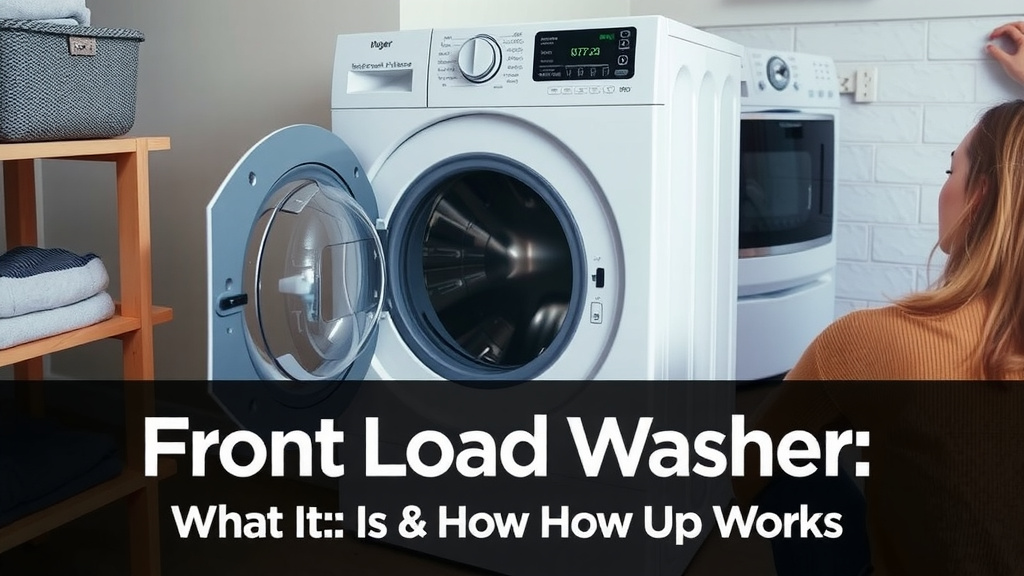
Front Load vs. Top Load Washers: A Quick Look
To help you visualize the differences, here’s a table comparing front load and traditional top load washers:
| Feature | Front Load Washer | Traditional Top Load Washer |
|---|---|---|
| Loading Door | Front | Top |
| Agitator | No | Yes (most models) |
| Fabric Care | Gentle | Harsher (due to agitator) |
| Water Usage | Lower | Higher |
| Energy Usage | Lower | Higher |
| Spin Speed | Higher | Lower |
| Capacity | Larger | Smaller (with agitator) |
| Stackable | Yes (common) | No |
| Maintenance | Gasket cleaning needed | Less frequent specific cleaning |
Making the Final Decision
Choosing the right washing machine is an important decision for your home. Front load washers offer a compelling combination of efficiency, fabric care, and capacity. They are a modern solution for many laundry needs.
Consider these points as you think about your next purchase:
- Do you prioritize gentle fabric care?
- Are you looking to save water and energy?
- Do you often wash large or bulky items?
- Is a sleek, modern design important for your space?
- Do you have the space for a stackable unit or are pedestals needed?
- Are you prepared for the simple maintenance required for the door gasket?
Conclusion
You’ve now seen what makes a front load washer a smart choice for many homes. Their ability to clean gently while using less water and energy is a major win. You can also wash bigger loads and enjoy a sleeker look. While they have a few simple maintenance needs, the benefits often outweigh them.
If you’re ready to upgrade your laundry routine, a front loader could be exactly what you’re looking for. Take a moment to consider your laundry habits and space. Then, start comparing models to find the perfect fit for your household.
Frequently Asked Questions
How do I prevent mold or mildew in my front load washer?
It’s important to wipe down the rubber door gasket regularly after each use. Leaving the door slightly ajar when not in use also helps air circulate. Many manufacturers also recommend running a monthly cleaning cycle with a washing machine cleaner or vinegar.
Are front load washers really more water-efficient?
Yes, front load washers use significantly less water than traditional top-load machines. This is because the drum only needs to fill partially with water to saturate the clothes as they tumble. This reduced water usage also contributes to energy savings.
Can I put my front load washer on top of a pedestal?
Absolutely! Many front load washers are designed to be installed on pedestals. These raise the machine, making it easier to load and unload without bending down as much. They also often provide extra storage space.
Do front load washers take longer to wash clothes?
Some cycles on front load washers can be longer than older top-load machines. This is often due to their focus on efficiency and gentle fabric care. However, most models now include a “quick wash” option for when you’re short on time with lightly soiled items.
Why don’t front load washers have an agitator?
Front load washers don’t need an agitator because they use a different cleaning method. Clothes tumble through the water, relying on gravity and the drum’s rotation to rub against each other for cleaning. This tumbling action is much gentler on fabrics and allows for larger load sizes.