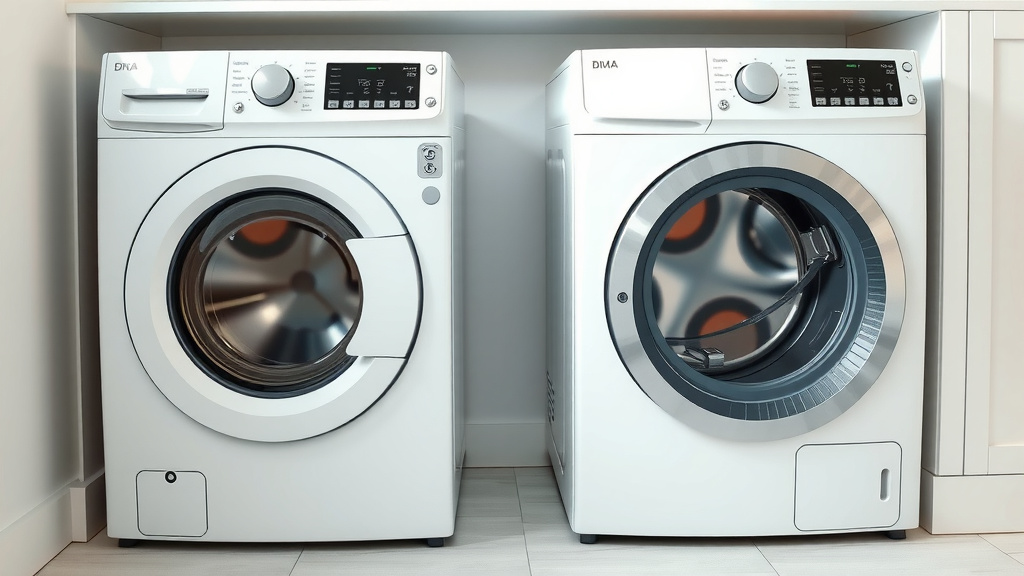
Compact vs Full Size Washer Dryer: Which is Right
When choosing between a compact washer and dryer and a full-size set, the main difference comes down to space and capacity. Compact units are perfect for small apartments or tight laundry rooms, while full-size models handle larger loads and are more common in houses. Your decision hinges on how much laundry you do and the room you have available.
We found that while compact machines are great for saving space and often use less water and energy, they take longer to wash and dry clothes. Full-size washers and dryers offer faster cycles and can clean much more at once, which is ideal for families or anyone with heavy laundry needs.
- Compact: Saves space, good for small homes.
- Full-size: Handles big loads, faster cycles.
- Consider your laundry volume.
- Measure your available space carefully.
Let’s dive into the details of each to help you decide which laundry setup is best for your home.
Comparing Washer and Dryer Sizes: Compact vs. Full-Size
Deciding between a compact and a full-size washer and dryer set really boils down to a few key factors. You’ll want to consider the amount of laundry you typically do and the physical space you have available in your home. We’ve researched both options to help you make the best choice for your laundry needs.
Think of it like packing for a trip. Are you going for a weekend getaway with just a small duffel bag (compact), or are you moving across the country with multiple suitcases (full-size)? Your choice impacts how much you can handle at once and how often you’ll need to run loads.
Understanding Compact Laundry Units
Compact washer and dryer units are designed for efficiency in smaller living spaces. They often come as stackable pairs, making them ideal for closets or small laundry rooms. Their primary benefit is their small footprint, saving valuable floor space.
These units typically have a smaller drum capacity. A compact washer can usually hold between 1.5 to 2.5 cubic feet of laundry. The dryer capacity will be similar. This means you’ll be doing more loads if you have a larger household or generate a lot of dirty clothes.
Pros of Compact Washer and Dryer Sets
One of the biggest advantages is their space-saving design. If you live in an apartment, condo, or a smaller home, a compact set can be a lifesaver. They often fit where a standard set wouldn’t even be considered. Many models are also energy and water-efficient, which can lead to lower utility bills. We found that some compact units can use up to 40% less energy than their full-size counterparts.
Another plus is their quieter operation. Because they are smaller and often lighter, they tend to vibrate less and produce less noise. This can be a big deal if your laundry area is near living spaces or bedrooms. Many compact dryers also offer ventless drying options, meaning you don’t need to worry about installing external venting.
Cons of Compact Washer and Dryer Sets
The most significant drawback is their limited capacity. If you have a family of four or more, you might find yourself running the washer and dryer almost constantly. This can lead to longer laundry days. Also, wash and dry cycles tend to be longer on compact models. Some cycles can take over an hour for just one load. This is due to their smaller size and often gentler, more efficient processes.
Another consideration is the higher cost per load, in a way. While they use less energy per cycle, the longer cycle times and smaller loads mean you’ll be running them more often. You also might have fewer settings and features compared to full-size machines. Some specialized items, like large comforters or sleeping bags, simply won’t fit.
Exploring Full-Size Laundry Units
Full-size washers and dryers are the standard in most houses. They offer a much larger capacity, allowing you to tackle bigger laundry piles with ease. These are the machines you think of when you imagine a traditional laundry room.
A full-size washer typically has a capacity of 3.5 cubic feet or more. Some extra-large models can reach up to 5.5 cubic feet. This means you can fit a significant amount of clothing in a single load. Full-size dryers are equally spacious, capable of drying bulky items like king-size bedding.
Pros of Full-Size Washer and Dryer Sets
The main benefit here is the large capacity. You can wash and dry more clothes at one time. This significantly cuts down on the number of loads you need to do each week. For families or individuals who generate a lot of laundry, this is a huge time-saver. We found that a family of four could potentially reduce their weekly laundry loads by 50% by switching to full-size units.
Full-size machines also generally offer faster cycle times. Because they can handle more clothes and have more powerful motors, they can complete a wash or dry cycle more quickly than compact units. Many models come with a wider range of settings and features, such as steam cycles, sanitizing options, and advanced fabric care. This gives you more flexibility for different types of clothing.
Cons of Full-Size Washer and Dryer Sets
The most obvious drawback is their size. They take up considerably more floor space. If you have a small laundry room or apartment, fitting a full-size set might be impossible. Installation can also be more complex, especially if you need to ensure proper ventilation for the dryer. They require adequate space for airflow and access.
Full-size units also tend to use more water and energy per cycle. While they might be more efficient per pound of laundry due to fewer cycles, the overall consumption for each load can be higher. Many experts say this is a trade-off for the increased capacity and speed. They can also be noisier due to their larger motors and higher spin speeds.
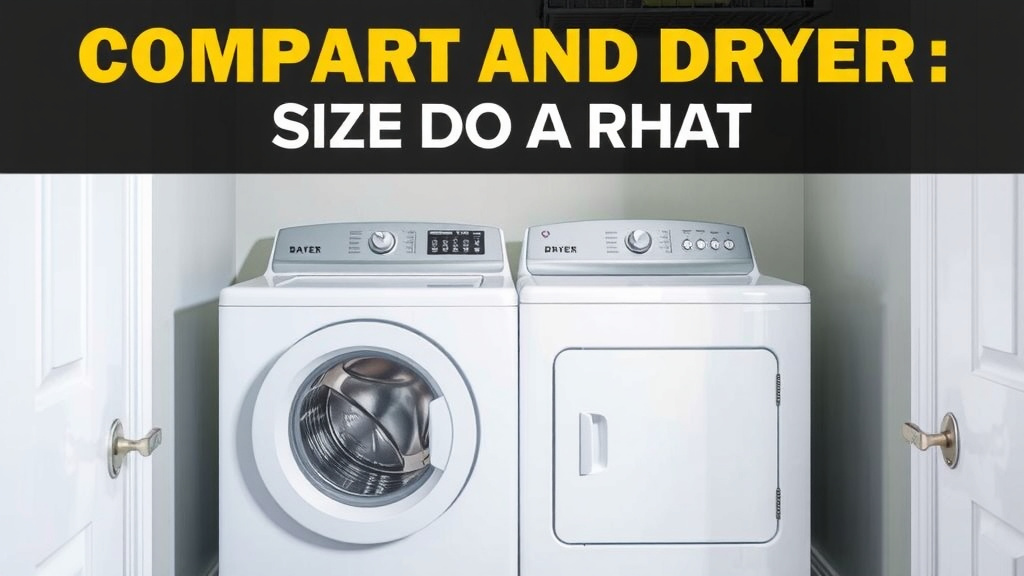
Making Your Choice: Key Considerations
When you’re weighing your options, think about your daily life. How many people are in your household? Do you buy clothes in bulk or have specific laundry needs like sports uniforms or baby clothes? These questions can help guide you toward the right capacity.
Here’s a quick checklist to help you decide:
- Measure your available space accurately.
- Calculate how much laundry you do weekly.
- Consider your budget for initial purchase and utility costs.
- Think about the types of items you wash most often.
- Check for any installation requirements (venting, water hookups).
- Read reviews for specific models that fit your needs.
Space and Capacity Table Comparison
Here’s a simple comparison to help visualize the differences:
| Feature | Compact Units | Full-Size Units |
|---|---|---|
| Typical Washer Capacity | 1.5 – 2.5 cu. ft. | 3.5 – 5.5+ cu. ft. |
| Best For | Small apartments, studios, RVs, individuals, couples. | Families, large households, frequent large loads. |
| Space Required | Minimal, often stackable. | Significant floor space needed. |
| Cycle Times | Longer per load. | Shorter per load. |
| Energy/Water Use | Lower per cycle (can be higher overall if many cycles run). | Higher per cycle (can be lower overall if fewer cycles run). |
| Noise Level | Generally quieter. | Can be noisier. |
Installation and Maintenance
Regardless of the size you choose, proper installation is key. Ensure your chosen location has the necessary hookups for water, drainage, and electricity. For dryers, proper ventilation is essential for safety and efficiency. Many compact units offer ventless options, which simplifies installation in tight spaces.
Maintenance is similar for both types, but smaller loads in compact machines might mean less wear and tear over time. However, running a compact machine constantly for a large household could counteract this. Always follow the manufacturer’s guidelines for cleaning and upkeep to ensure longevity.
Conclusion
Deciding between a compact and a full-size washer and dryer really comes down to your unique lifestyle and living situation. If you’re tight on space but have a lighter laundry load, a compact set is your best bet. For families or those who tackle mountains of laundry, a full-size unit will save you precious time. We found that careful measurement of your space and an honest assessment of your laundry habits are the most important steps. Take a moment to consider these factors, and you’ll be well on your way to choosing the perfect laundry solution for your home.
Frequently Asked Questions
Can a compact washer and dryer handle king-size comforters?
Generally, compact units are not designed for bulky items like king-size comforters. Their smaller drum capacity means these large items won’t fit properly, and attempting to wash or dry them could damage the machine or the item. For bedding like this, a full-size unit is a much better choice.
Are compact laundry machines more energy-efficient overall?
Compact machines typically use less energy and water per cycle, which is great for small loads. However, if you have a lot of laundry, you’ll be running more cycles. This can sometimes lead to higher overall energy consumption compared to running fewer, larger loads in a full-size machine.
Do compact dryers require special installation like venting?
Many compact dryers offer ventless options, making installation easier and more flexible. This is a major advantage if you live in an apartment or don’t have an easy way to vent a traditional dryer. Always check the specific model’s requirements.
How much faster are full-size washer and dryer cycles compared to compact ones?
Full-size units generally have shorter cycle times per load. While exact times vary by model and settings, you can often complete a full wash and dry in a full-size set much faster than with a compact set, especially for larger loads.
Is a full-size washer and dryer set worth it if I only do a few loads a week?
If you consistently do only a few small loads weekly, a full-size set might be overkill. You’d use more water and energy per cycle than necessary. In this scenario, a compact unit could be more efficient and save you money on utilities over time.