Compact vs Full Size Washer: Which Is Right For You
Choosing between a compact washer and a full-size washer depends mainly on your space and laundry needs. Compact washers are ideal for small apartments or RVs because they take up less room. Full-size washers handle larger loads and are better for bigger families. There’s no single “better” option; it’s about finding the right fit for your home.
We know laundry is a chore, and choosing appliances adds to the stress. A compact model might seem convenient, but can it truly keep up with your family’s dirty socks? Conversely, a full-size unit might just overwhelm your limited laundry nook. Understanding the key differences in capacity, size, and efficiency will guide you to the best choice for your household.
- Size Matters: Compacts fit tight spaces, full-size need more room.
- Load Capacity: Full-size handles more clothes per wash.
- Water & Energy: Compacts often use less, but check Energy Star ratings.
- Spin Speed: Full-size washers typically spin faster for drier clothes.
- Cost: Compacts are generally cheaper upfront.
Let’s break down the pros and cons of each to help you make the smartest decision for your laundry routine.
Compact Washer vs. Full-Size: What’s the Right Fit for Your Laundry Room?
Deciding between a compact and a full-size washer can feel like a big laundry day decision. You want clean clothes, but you also need the appliance to fit your life. Let’s break down how each type stacks up so you can find the perfect match for your home and your laundry pile.
Understanding the Size Difference
Dimensions and Space Requirements
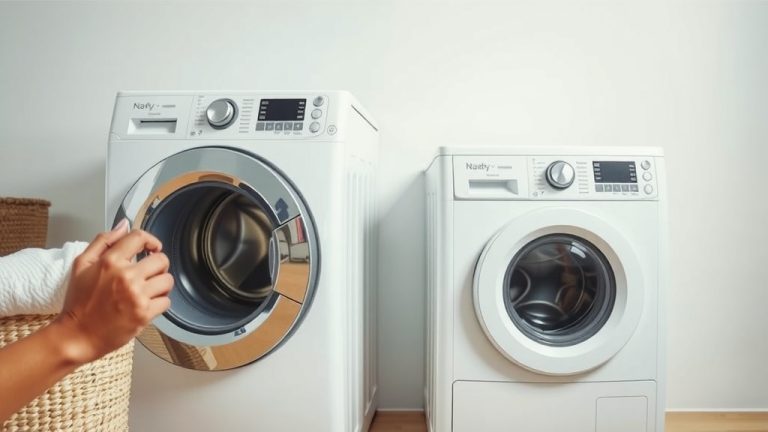
The most obvious difference is how much space each machine needs. Compact washers are designed for tight spots. They are typically about 24 inches wide. Think of them as the nimble dancers of the laundry world. They can tuck away in closets or small laundry nooks. Full-size washers, on the other hand, are the powerhouses. They usually measure around 27 to 30 inches wide. These need a bit more elbow room to operate comfortably.
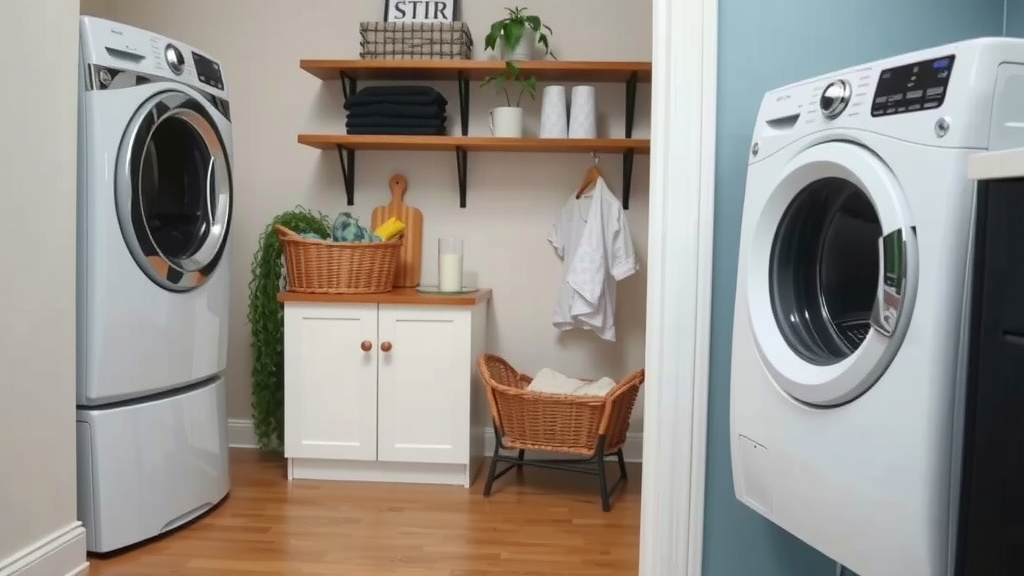
We’ve found that many apartments and smaller homes simply don’t have the floor space for a large unit. A compact washer can be a lifesaver in these situations. It lets you have laundry facilities where you might not have thought possible. Always measure your space carefully before you buy. You need to account for the machine’s depth and width, plus clearance for hoses and door swings.
Installation Considerations
Both types usually require standard water hookups and a drain. However, some compact models are ventless, which is a huge plus for tiny homes or RVs. Full-size machines typically require venting for the dryer function. This means a more involved installation process if you don’t already have a vent setup. Researching the specific installation needs for the model you’re considering is always a good idea. Some compact units might even fit under a counter, adding a layer of convenience.
Capacity: How Much Can They Actually Hold?
Load Size and Family Needs
This is where the rubber meets the road for most people. Full-size washers can handle much larger loads. We’re talking about washing bulky comforters or a week’s worth of family laundry in one go. Their capacity is generally 4.0 cubic feet or more. This is a big advantage for larger households. You spend less time doing loads, which means more time for everything else.
Compact washers have a smaller drum. They typically hold between 1.5 to 2.5 cubic feet. This is perfect for singles, couples, or small families with lighter laundry needs. You might need to do multiple loads for a big family’s weekly wash. It’s like comparing a small carry-on suitcase to a large checked bag. Both have their place, but one holds a lot more.
Washing Bulky Items
If you frequently wash items like thick blankets, large quilts, or multiple towels at once, a full-size washer is likely your best bet. The larger drum allows these items to move freely and get properly cleaned and rinsed. Trying to stuff a king-size comforter into a compact washer is often a recipe for disaster. It won’t get clean, and you risk damaging the machine. We found that many users with compact washers have to take bulky items to a laundromat.
Performance and Efficiency
Water and Energy Consumption
Generally, compact washers use less water and energy per cycle because they are washing smaller loads. This can translate to lower utility bills over time. However, the story isn’t always simple. A highly efficient full-size washer might outperform an older, less efficient compact model. Look for the Energy Star rating on any machine you consider. This certification indicates that the appliance meets strict energy efficiency guidelines set by the EPA.
Many newer full-size washers are also very water and energy efficient. They often have advanced features that optimize water usage based on load size. We found that washing smaller loads in a full-size machine can actually be less efficient than using a properly sized compact unit. It’s about matching the machine’s capacity to your typical laundry volume.
Spin Speed and Drying Time
Spin speed is a critical factor in how dry your clothes come out of the washer. Full-size washers typically boast higher spin speeds, often exceeding 1200 RPM. This means more water is extracted from your clothes before they go into the dryer. Consequently, your drying time is reduced. This saves energy and wear and tear on your dryer. Many compact models have lower spin speeds, meaning clothes might come out wetter. You might need to run your dryer longer to get them fully dry.
Cost: Upfront vs. Long-Term
Purchase Price Comparison
When you first look at the price tag, compact washers are often the more affordable option. They generally cost less to buy upfront than their full-size counterparts. This makes them an attractive choice for budget-conscious shoppers or those needing a temporary solution. However, this isn’t always the case, especially with high-end compact models.
Long-Term Value and Utility Bills
While compact washers might be cheaper to buy, consider the long-term costs. If you have a larger family and find yourself running many small loads, the water and energy usage could add up. A more efficient full-size washer, even with a higher initial cost, might prove more economical over its lifespan for heavy users. It’s worth calculating potential utility costs based on your household size and laundry habits.
Making Your Choice: A Quick Checklist
To help you decide, ask yourself these questions:
- Do you live in a small apartment or RV?
- How many people are in your household?
- Do you wash bulky items frequently?
- What is your available laundry space?
- What’s your budget for upfront and long-term costs?
- How much time do you want to spend doing laundry each week?
Conclusion
Choosing between a compact and full-size washer ultimately comes down to your specific living situation and laundry habits. You’ve learned that compact models shine in small spaces and for lighter loads, potentially saving you upfront costs and utility bills. Full-size washers are your champions for large families and bulky items, offering efficiency through fewer cycles. We’ve seen that assessing your available space, household size, and typical laundry volume is key. Before you buy, take one final look at your laundry area and consider how many loads you actually run each week. This will guide you to the washer that truly fits your life and your laundry needs.
Frequently Asked Questions
Can a compact washer handle a king-size comforter?
Generally, no. A king-size comforter is considered a bulky item. Trying to wash it in a compact washer can prevent it from getting clean and may even damage the machine. For bulky items, a full-size washer is a much better choice.
How much more laundry can a full-size washer hold compared to a compact one?
Full-size washers typically hold more than double the amount of laundry. Compact units usually range from 1.5 to 2.5 cubic feet, while full-size models start at 4.0 cubic feet and go up from there. This means fewer loads for a full-size unit when you have a lot to wash.
Are compact washers always more energy-efficient?
Not necessarily. While compact washers use less water per cycle due to smaller loads, an older, less efficient compact model might use more energy than a newer, Energy Star-rated full-size washer. Always check the Energy Star rating for the best efficiency regardless of size.
Do I need a special vent for a compact washer?
Many compact washers do not require a traditional vent, making them ideal for apartments or RVs. They often use a ventless drying system or may not have a drying function at all, relying on high spin speeds. Full-size washers typically require venting for the dryer component.
What’s the main reason people choose a compact washer?
The primary reason people opt for compact washers is space limitations. They are designed to fit into smaller laundry areas, closets, or nooks where a full-size machine simply wouldn’t fit. This allows individuals in apartments or smaller homes to have their own laundry facilities.