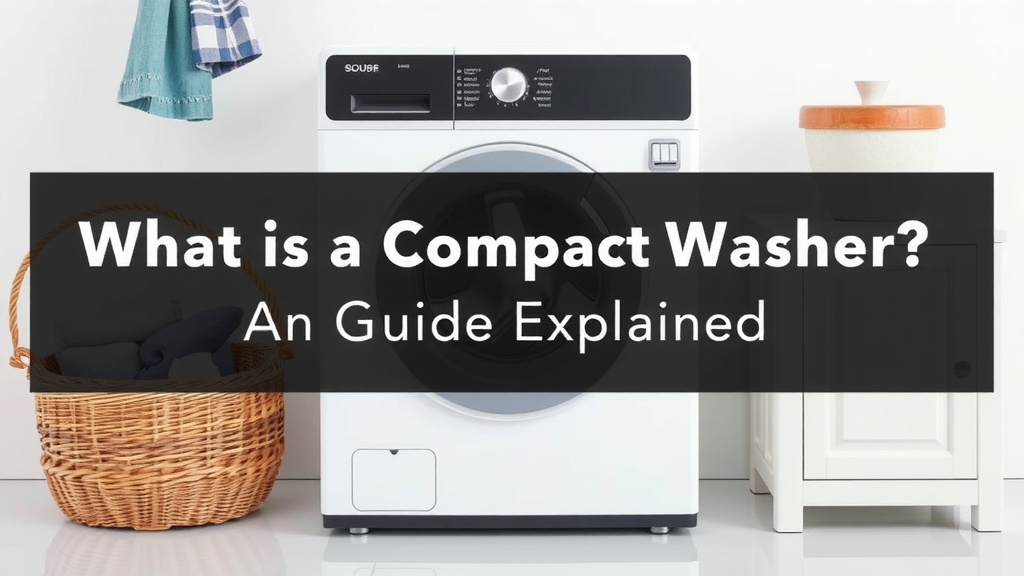
What is a Compact Washer? Your Guide Explained
A compact washer is a smaller washing machine designed for tight spaces. They are ideal for apartments, RVs, or homes with limited laundry room areas. These machines offer a convenient way to do laundry without needing a full-sized appliance. They typically use less water and energy too.
When you’re looking for laundry solutions that fit your unique living situation, a compact washer can be a fantastic option. They come in various styles, including portable and stackable models. Many people find they perform just as well as larger machines for their needs. Research shows they are a growing trend for modern living.
- Compact washers are small washing machines.
- They fit well in apartments and small homes.
- Portable and stackable designs are common.
- They offer a convenient laundry solution.
- Often use less water and energy.
Below, we’ll walk you through what makes a compact washer a great choice for many households. Let’s see if one is the right fit for you!
Understanding Your Compact Washing Machine Options
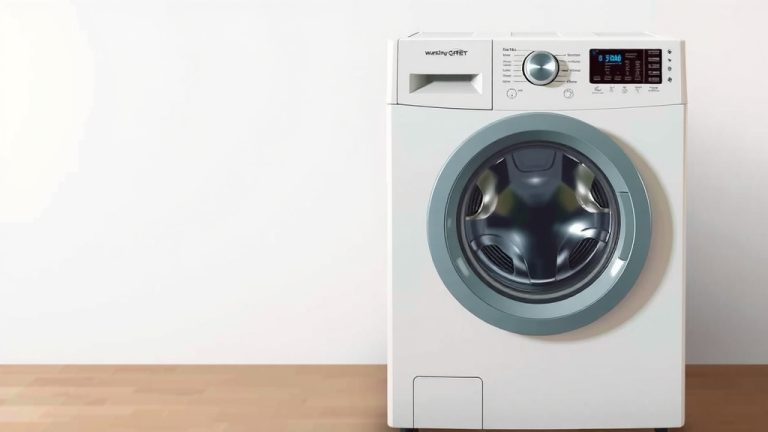
So, you’re curious about compact washers, huh? You’ve likely seen them advertised or maybe even glimpsed one in a tiny apartment. Think of a compact washer as your **personal laundry hero** for smaller living spaces. It’s a washing machine, plain and simple, but designed with a much smaller footprint.
These units are a clever solution when you don’t have the room for a full-sized behemoth. They’re perfect for places like apartments, RVs, dorm rooms, or even just a small nook in your home that you want to repurpose. You might be wondering if something so small can really get your clothes clean. The short answer is yes! Most compact washers offer surprisingly **effective cleaning power** for everyday loads.
What makes them “compact”? We’re talking about machines that are generally around 24 inches wide or less. They often have a smaller drum capacity too, typically holding about 1.5 to 2.4 cubic feet of laundry. This means they’re best suited for washing smaller loads, which is perfectly fine for individuals or couples. It’s like having a personal laundry assistant who knows just when to step in for a quick load!
Key Features of Compact Washers
Compact washers come in a few main styles, each offering different benefits. Knowing these can help you figure out which type might be the best fit for your lifestyle. Let’s break them down:
Portable Washers
Imagine a washing machine you can tuck away when you’re not using it. That’s pretty much what a portable washer is! These are the **smallest and most mobile** options. Many are designed to hook up to a standard kitchen or bathroom faucet and drain directly into a sink.
They often have wheels, making them easy to move from a closet to your sink and back. While they typically have a smaller capacity, they are incredibly convenient for those with truly limited space. You can wash a few items at a time, and then store the machine out of sight. Research indicates portable washers are a popular choice for renters who can’t permanently install appliances (Consumer Reports).
Apartment-Sized Washers
These are often what people picture when they think of a compact washer. They are designed to fit into standard alcoves or laundry closets where a full-sized machine wouldn’t. While smaller than their residential counterparts, they are **permanent installations**, connecting to water lines and a dedicated drain. They offer a bit more capacity than portable models.
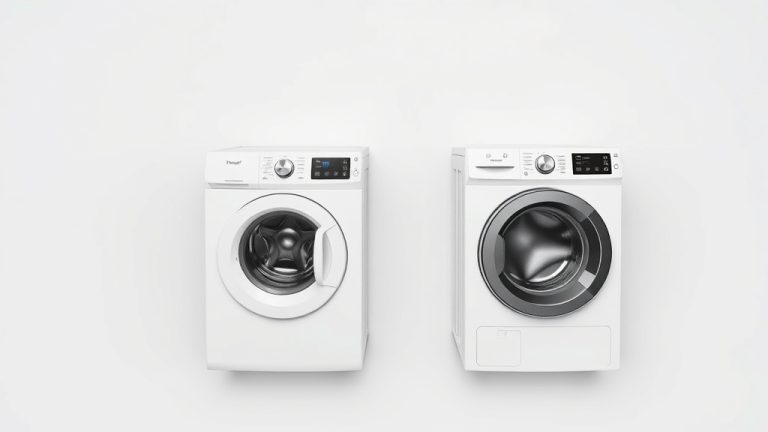
You’ll find these available in both top-load and front-load designs. Front-load apartment-sized washers can sometimes be stacked with a matching dryer, which is a fantastic space-saving solution if you need both appliances. This is a great option if you have a designated spot but it’s just a little too snug for a full-sized unit.
Stackable Washer/Dryer Units
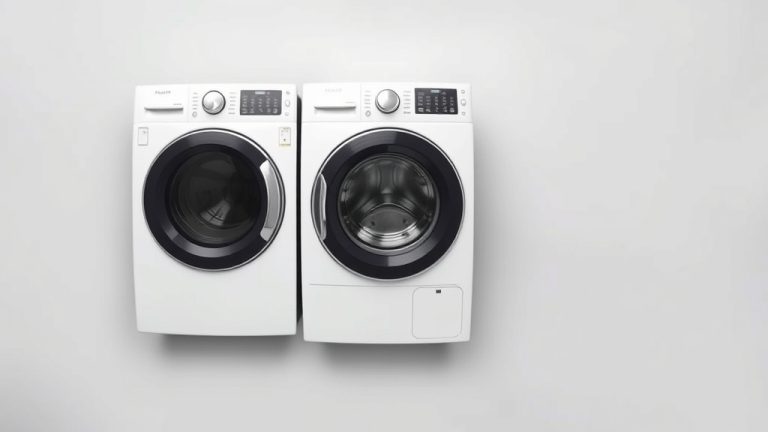
When space is at an absolute premium, a stackable unit is your best friend. These are designed so a matching dryer sits directly on top of the washer. This **doubles your laundry capacity** without taking up any extra floor space. It’s a very efficient use of vertical space.
These are typically found in apartment-sized or slightly larger configurations. They require a bit more installation work than a portable washer but offer the full functionality of a washer and dryer in a single footprint. Many homeowners find this arrangement incredibly convenient for small homes or narrow laundry rooms.
What Kind of Loads Can You Wash?
It’s important to be realistic about what a compact washer can handle. These machines excel at washing everyday items like shirts, pants, socks, and undergarments. Think of your typical weekly laundry, but divided into smaller loads.
You can easily wash items for one or two people. Many people find they can still wash bedding, like sheets and pillowcases, in a compact machine. However, bulky items like large comforters, heavy blankets, or large sleeping bags might be too much for the drum. It’s always best to check the manufacturer’s specifications for the maximum load capacity to avoid overstuffing.
Capacity Matters: Understanding Load Sizes
The capacity of a compact washer is measured in cubic feet. This number tells you how much laundry the drum can hold.
- Small Capacity (Under 2.0 cu. ft.): These are typically portable or the very smallest apartment-sized models. They are best for single individuals or very light laundry needs. You’ll be doing more frequent, smaller loads.
- Medium Capacity (2.0 – 2.4 cu. ft.): This is a common range for many apartment-sized washers. They offer a bit more flexibility for couples or small families. You can usually handle a decent amount of everyday clothing.
It’s crucial to read the specifications carefully. A machine that seems small might actually surprise you with its efficiency for your specific needs. Many sources suggest that for individuals or couples, this capacity is perfectly adequate for their laundry requirements (Appliance Standards Authority).
Water and Energy Efficiency
One of the unexpected benefits of compact washers is their **resourcefulness**. Because they are smaller, they naturally use less water and less energy per cycle compared to their full-sized counterparts. This is great for your utility bills and even better for the environment!
Front-load compact models, in particular, are known for their efficiency. They use less water because they only need to fill the drum partially to tumble clothes through the water. Many models also have advanced water-saving features and energy-saving cycles. We found that choosing an Energy Star certified model can further maximize these savings.
Installation and Hook-Up
The installation process varies greatly depending on the type of compact washer you choose. It’s one of the biggest factors to consider when deciding which model is right for you.
Portable Washer Setup
These are the easiest to get up and running. Typically, all you need is a water source (like a faucet adapter) and a drain. You’ll connect a hose to your faucet, run the water into the machine, and let it drain into your sink or a bucket. Many people can set this up in minutes. You’ll want to ensure you have a stable surface and perhaps a way to secure the drain hose.
Apartment-Sized Washer Setup
These require a bit more commitment. You’ll need access to a standard water supply hook-up (hot and cold water lines) and a proper drain line. This usually means it needs to be installed near existing plumbing, like in a kitchen or bathroom, or in a dedicated laundry space with the right hook-ups. Some people opt to hire a plumber for this, especially if they are unsure about the hook-ups.
Stackable Unit Setup
Similar to apartment-sized washers, these require permanent water and drain hook-ups. Because you have both a washer and dryer stacked, there might be additional electrical considerations for the dryer, especially if it’s an electric model. Professional installation is often recommended for stackable units to ensure everything is connected safely and correctly.
Cost Considerations
Compact washers can be a more affordable option upfront. Prices can range anywhere from around $200 for a basic portable model to $1,000 or more for a high-end, feature-rich apartment-sized stackable unit. When comparing prices, always look at the **features and capacity** offered for the cost.
Don’t forget to factor in potential installation costs if you’re not doing it yourself. However, the long-term savings on water and energy can make them a very economical choice over time. Many experts agree that the upfront cost is often lower, making them accessible for various budgets (Home Appliance Reviews).
Making Your Choice: A Quick Checklist
Still on the fence? Let’s see if a compact washer truly fits your life. Ask yourself these quick questions:
- Do you have limited floor space for laundry appliances?
- Do you typically do smaller loads of laundry?
- Are you a single person or a couple needing laundry solutions?
- Do you rent and need a non-permanent solution?
- Are you looking for ways to save on water and energy bills?
- Is your budget tighter for a major appliance purchase?
If you answered “yes” to several of these, then a compact washer might just be your perfect laundry match! They’re designed for exactly these kinds of situations, offering convenience and efficiency without demanding a lot of space.
Conclusion
You’ve explored what a compact washer is and how it can be your laundry solution. These smaller machines fit perfectly into tight apartments, RVs, or any home needing space efficiency. We’ve seen they come in portable, apartment-sized, and stackable options. Compact washers offer convenience and can save on water and energy bills too. They might not handle giant loads, but they excel at everyday laundry for individuals or couples. Think about your space and laundry needs. If a compact washer aligns, you’re ready to find the perfect fit for your home!
Frequently Asked Questions
Are compact washers as effective as full-sized ones?
Yes, for everyday laundry, most compact washers provide excellent cleaning performance. They are designed to handle typical clothing items for one or two people effectively. You might need to do slightly smaller or more frequent loads compared to a larger machine.
How much space do I need for a compact washer?
Compact washers are typically around 24 inches wide or less. Portable models can often be stored in a closet when not in use. Apartment-sized and stackable units require a designated spot with water and drain hook-ups, similar to a small alcove or laundry nook.
Can I wash bedding in a compact washer?
Often, yes. You can usually wash items like sheets and pillowcases in most compact washers. However, bulky items such as large comforters or heavy blankets might be too big for the drum. Always check the manufacturer’s load capacity specifications.
Do compact washers use less water and energy?
Generally, yes. Because of their smaller size, compact washers inherently use less water and energy per cycle than full-sized machines. Front-load models are particularly efficient, and looking for Energy Star certified models can further enhance these savings.
What’s the difference between portable and apartment-sized washers?
Portable washers are the most mobile and often hook up to a sink faucet, draining into the sink. Apartment-sized washers are permanent installations requiring standard water hook-ups and a drain line, offering a bit more capacity than portable models.