Load Impeller Washer Clothes Properly for Best Results
Loading your impeller washer correctly is simple and makes a big difference. To load clothes properly in an impeller washer, start by adding them loosely around the impeller plate. Avoid packing them tightly. Ensure you don’t overfill the machine, as this can prevent proper cleaning and rinsing.
Many people wonder if there’s a “right” way to load these washers. Research and user guides show that a balanced load is key. Overloading is a common mistake that can lead to damaged clothes and a less effective wash cycle. We found that even distributing the clothes helps achieve the best results.
- Add clothes loosely around the impeller.
- Don’t pack the washer too tightly.
- Avoid overfilling the machine.
- Distribute clothes evenly for balance.
Let’s walk through exactly how to get your impeller washer loaded for the best clean, step by step.
Mastering Your Impeller Washer: A Loading Guide
Loading your impeller washer correctly is simple and makes a big difference. Properly loading your machine ensures clothes get clean and prevents damage. Let’s walk through how to do it right.
Understanding the Impeller and Your Load
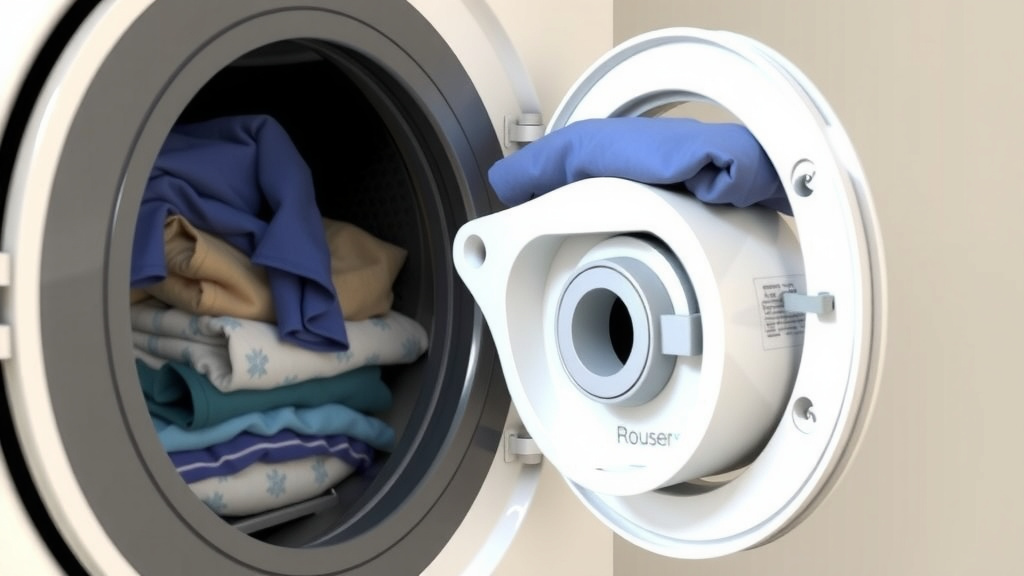
Impeller washers use a low-profile disc or cone at the bottom. This part, the impeller plate, spins and circulates water and clothes. Unlike agitator models, it doesn’t have a tall post in the middle. This design allows for more space and often larger loads. However, it also means you need to be mindful of how you place your garments.
Why Loading Matters
An impeller washer relies on the free movement of water and fabric. When clothes are packed too tightly, water can’t reach all the surfaces. This leads to poor cleaning and rinsing. Overloading also puts unnecessary strain on the machine’s motor and suspension system. You might notice clothes still have soap residue or dirt left behind.
The Role of Balance
As research and user guides show, balance is key. Your washer needs to spin evenly to avoid excessive shaking. If one side of the drum is much heavier than the other, the machine can vibrate violently. This imbalance can cause premature wear on components. Evenly distributing clothes helps the machine operate smoothly.
Step-by-Step Loading Process
Follow these steps for an optimal wash cycle. It’s a straightforward process that yields better results.
Step 1: Add Your Clothes Loosely
Start by placing your first few items into the drum. Make sure they go around the impeller plate without covering it completely. Think of it as arranging them gently, not stuffing them in. You want space for water to flow freely.
Step 2: Distribute Different Fabric Types
It’s helpful to mix lighter and heavier items. Place some garments on one side, then add a few on the opposite side. This helps maintain balance from the start. Avoid piling all your heavy towels on one side and all your light shirts on the other. Many washing machine manufacturers recommend this even distribution.
Step 3: Avoid Overfilling the Drum
This is a common mistake. Your washer isn’t a magic box that can hold endless amounts of laundry. A good rule of thumb is to fill the drum about two-thirds full. If clothes are tightly packed or bunching up, you’ve likely added too much. Check the owner’s manual for specific load size recommendations for your model.
Step 4: Ensure Proper Water Circulation
Imagine your clothes as little sponges. They need room to absorb water and release dirt. If they are pressed tightly together, they can’t do their job effectively. Make sure you can easily move items around with your hand before starting the cycle. This check ensures proper water flow.
Step 5: Consider Load Size and Cycles
Some loads might be too large or too small for optimal cleaning. For instance, a very small load might not balance well, causing the washer to go into an out-of-balance error. Conversely, a massive load might not get thoroughly cleaned. If you have a very large item like a comforter, research whether your machine is designed to handle it. Some models recommend washing large items individually.
What to Avoid When Loading
Certain habits can lead to problems down the line. Steer clear of these common pitfalls to protect your clothes and your machine.
Packing Clothes Too Tightly
We’ve mentioned this, but it bears repeating. Packing is the enemy of clean clothes in an impeller washer. Clothes need to tumble and move freely. When they’re squished, dirt gets trapped, and detergent can’t work its magic. It’s like trying to get clean in a crowded elevator – not very effective!
Overloading the Machine
This stresses the motor and suspension. It also prevents effective rinsing, leaving detergent residue behind. Many repair technicians note that overloading is a frequent cause of washing machine issues (Cleveland Clinic). If your clothes feel stiff or look dingy after washing, consider if you’ve been overloading.
Mixing Incompatible Items
While we suggest mixing light and heavy items for balance, there are limits. Avoid washing delicate items like lingerie or silk with heavy denim or towels. The rougher items can damage the delicate fabrics. Always check garment care labels before combining items. Separate them into distinct loads when necessary.
Ignoring the Impeller Plate
The impeller is central to how your washer works. Ensure that you are not placing items directly on top of it in a way that completely covers it. Clothes should be distributed around it. This allows water to flow and the impeller to do its job without being obstructed.
Loading Checklist for a Perfect Wash
Here’s a quick checklist to ensure you’re loading like a pro:
- Add clothes loosely around the impeller.
- Distribute heavier and lighter items evenly.
- Ensure the drum is no more than two-thirds full.
- Check that clothes can be moved easily by hand.
- Avoid packing items tightly together.
- Separate delicate fabrics from heavy items.
Understanding Load Sizes and Washer Capacity
Knowing your washer’s capacity is vital. Most manufacturers provide guidelines in the user manual. Generally, an impeller washer drum should feel about half to two-thirds full when loaded loosely. The exact amount can vary based on the fabric type and thickness.
Small Loads
A load that’s too small might not balance properly. This can cause your washer to skip the spin cycle or stop altogether. If you only have a few items, consider adding a couple of bath towels to help balance the load. This provides enough weight for the machine to spin effectively.
Large Loads
Overfilling is a significant concern with large loads. Clothes can become tangled and may not get fully clean. If you’re washing bulky items like blankets or sleeping bags, ensure your machine can handle them. Washing one large item at a time is often recommended. This prevents strain on the motor and ensures proper cleaning.
The Water Level Sensor
Many modern washers have sensors that detect load size and adjust the water level automatically. However, even with these features, proper loading is still important. The sensor needs space to work correctly. Overpacked drums can confuse the sensor, leading to less-than-ideal wash results.
Troubleshooting Common Loading Issues
Sometimes, despite your best efforts, you might encounter problems. Here’s how to address them.
Excessive Vibration or Banging
This almost always points to an unbalanced load. Stop the machine, open the lid, and redistribute the clothes. Ensure they are spread evenly around the drum. Pay close attention to heavy items like towels or jeans.
Clothes Still Dirty or Soapy
If clothes aren’t coming out clean or have residue, the most likely cause is overfilling or overcrowding. Water and detergent need to circulate freely. Try a smaller load next time. Also, ensure you’re using the correct amount of detergent for your load size and water hardness. Some experts suggest using a bit less than you think you need for impeller washers.
Clothes Tangled or Damaged
This can happen if items are too tightly packed, especially larger items or those with strings. Allowing clothes to move freely prevents excessive tangling. For delicate items, always use a mesh laundry bag. This offers an extra layer of protection during the wash cycle.
Conclusion
You’ve now learned the essential steps to load your impeller washer like a pro. Remember, loose loading around the impeller plate and avoiding overfilling are key. Distributing weight evenly helps your machine run smoothly, leading to cleaner clothes and less wear and tear. By following these simple guidelines, you’ll ensure your laundry gets the best possible clean every time. Your next step is to apply these loading techniques during your very next laundry day to see the difference for yourself!
Frequently Asked Questions
Can I wash a king-size comforter in my impeller washer?
Generally, it’s best to check your washer’s manual first. Most impeller washers aren’t designed to handle very large, bulky items like king-size comforters. Washing such items can cause overloading and prevent proper cleaning. If you can’t fit it in loosely, it’s better to wash it separately or take it to a laundromat.
How do I know if I’m overfilling the impeller washer?
If clothes are packed tightly and you can’t easily move them around with your hand, you’ve likely overfilled it. Another sign is if clothes appear bunched up and don’t have room to tumble. A good rule is to fill the drum no more than two-thirds full.
Is it okay to put all my laundry in at once?
For an impeller washer, it’s usually better to do smaller, more manageable loads. Mixing very light items with very heavy items needs careful distribution for balance. If you have a large amount of laundry, it’s more effective to split it into two loads to ensure everything gets clean and the machine doesn’t get overloaded.
What happens if I put clothes on top of the impeller plate?
Placing clothes directly on top of the impeller plate can block water circulation and prevent the impeller from spinning effectively. This can lead to poor cleaning performance. Always arrange your clothes loosely around the impeller, allowing water and the plate to move freely.
Why do my clothes sometimes feel stiff or have soap residue?
This is often a sign that your washer was overloaded or packed too tightly. When clothes are squished, water and detergent can’t reach all surfaces properly for adequate rinsing. Try using a smaller load size next time and ensure there’s enough space for water to circulate freely.