Small Space Washing Machine Solutions: Smart Fits
Yes, you can absolutely fit a washing machine into a small space, even a closet or a tiny nook! The key is choosing the right type of machine and using clever space-saving techniques. Many compact and stackable models are designed specifically for this purpose, making laundry day a reality no matter your home size. We found these solutions can dramatically improve your living situation.
Don’t let limited square footage get you down. We’ve researched and found that under-counter washers, all-in-one units, and even portable washers can be fantastic options for apartments, RVs, or small homes. Think vertical storage and smart appliance choices to make laundry accessible. Many people worry about fitting appliances, but the right approach makes it simple.
TL;DR:
- Measure your space carefully first.
- Consider compact or apartment-sized washers.
- Stackable units save floor space.
- Portable washers offer flexibility.
- Utilize vertical space for storage.
Let’s dive into the practical strategies and appliance choices that will help you conquer laundry day, even in the tightest spots. We’ll walk through exactly how to make it work for your home.
Alright, so you’ve got a small living situation but still need to keep those clothes clean. It might seem like a puzzle, but fitting a washing machine into a tight spot is totally doable! We’ve done the research, and it turns out there are some fantastic solutions tailored for smaller homes.
Making Laundry Work in Limited Square Footage
The biggest hurdle is often the perceived lack of space. But with the right approach, you can overcome this. We found that thinking strategically about your available space and appliance types is key. Let’s break down how you can make it happen without sacrificing precious room.
Step 1: Precise Measurements Are Your Best Friend
Before you even start browsing models, grab your tape measure. This is the most critical first step. You need to know the exact height, width, and depth of the space where you plan to put the washer. Don’t forget to measure doorways and any hallways the machine will need to pass through during delivery.
What to Measure
- Height: Measure from the floor to any cabinets, shelves, or ceiling above.
- Width: Measure the total width of the opening or area.
- Depth: Measure from the wall to the front of the intended space.
- Doorways & Hallways: Measure these passage points to ensure the machine can actually get to its spot.
You’ll also want to consider clearance for ventilation and hose connections. Even a few extra inches can make a big difference. We found that leaving a little wiggle room often prevents installation headaches.
Step 2: Choosing the Right Type of Washing Machine
Not all washing machines are created equal when it comes to size. Fortunately, manufacturers have created several types specifically for small spaces. We’ve looked into the most popular and effective options for you.
Compact or Apartment-Sized Washers
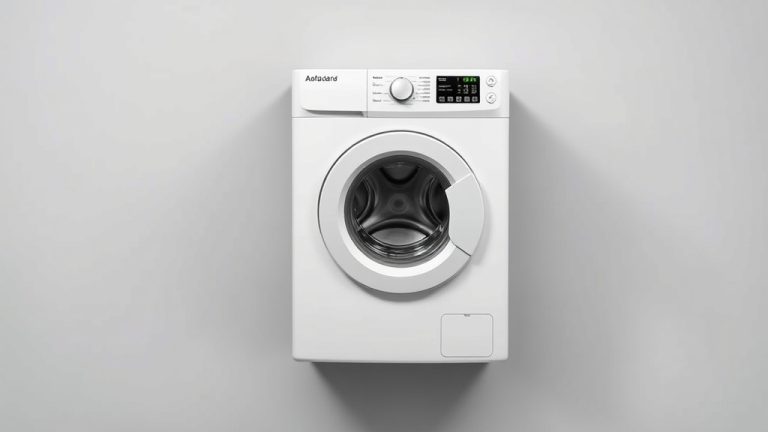
These are essentially smaller versions of standard washers. They typically have a narrower width, often around 24 inches, compared to their full-sized counterparts which can be 27 inches or wider. Many of these models offer similar features to larger machines, just with a smaller drum capacity. This is a great option for couples or small families.
All-in-One Washer-Dryer Units
Talk about a space saver! These ingenious machines combine both washing and drying functions into a single appliance. You load the laundry, and it comes out clean and dry. They are perfect for areas where you can’t vent a separate dryer. We found that these units are a popular choice for renters and those with very limited laundry room space.
Stackable Washer and Dryer Sets
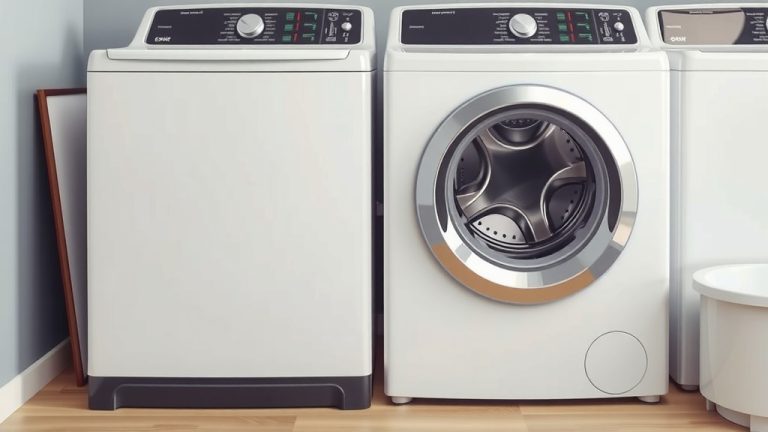
If you have the height but not the width, stackable units are your answer. The washer sits on the bottom, and the dryer is mounted on top. This configuration doubles your laundry capacity without taking up extra floor space. You’ll need to ensure your chosen units are designed to be stacked and have the correct stacking kit.
Portable or Mini Washers
These are often the smallest option. They are lightweight and can be moved easily. Many connect to a standard sink faucet for water supply and drain into the sink basin. They are ideal for RVs, dorm rooms, or situations where permanent plumbing isn’t an option. We found these are a flexible solution for temporary needs.
Step 3: Smart Installation and Placement Ideas
Once you’ve chosen your machine, think creatively about where it can go. Sometimes, a little ingenuity is all it takes.
The Closet Solution
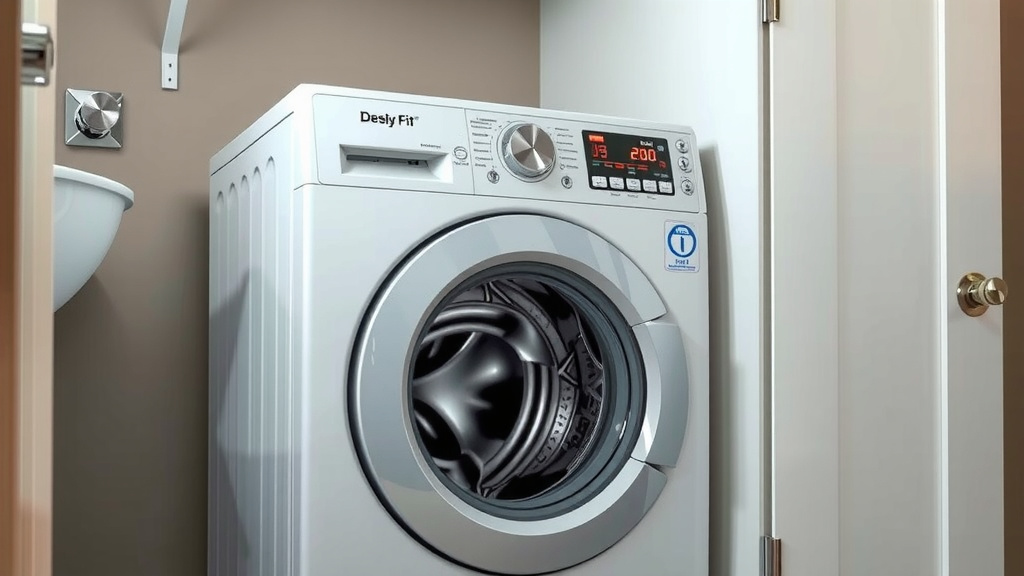
A spare closet can easily be converted into a laundry nook. Ensure there’s proper ventilation and access to water and drainage. You might need to make a few modifications, but it’s a common and effective way to hide your laundry. Many codes require a certain amount of air circulation, so check local regulations.
Under-Counter Installation
Some compact washers are designed to fit neatly under standard countertops, especially in kitchens or small utility areas. This gives your laundry setup a built-in, tidy appearance. This works best with front-loading compact models.
Vertical Space is Your Friend
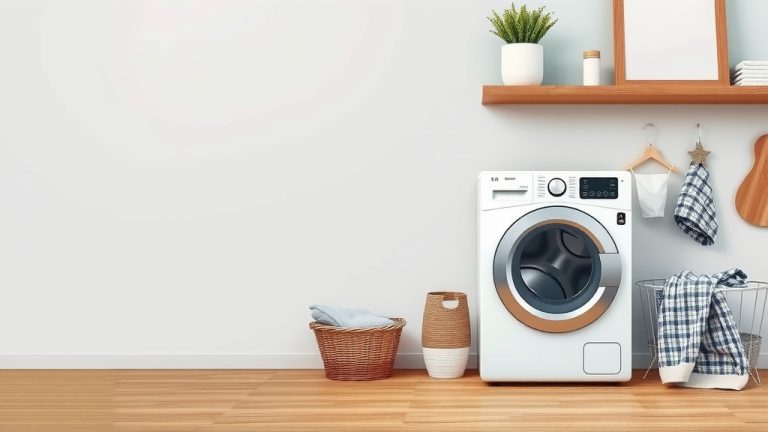
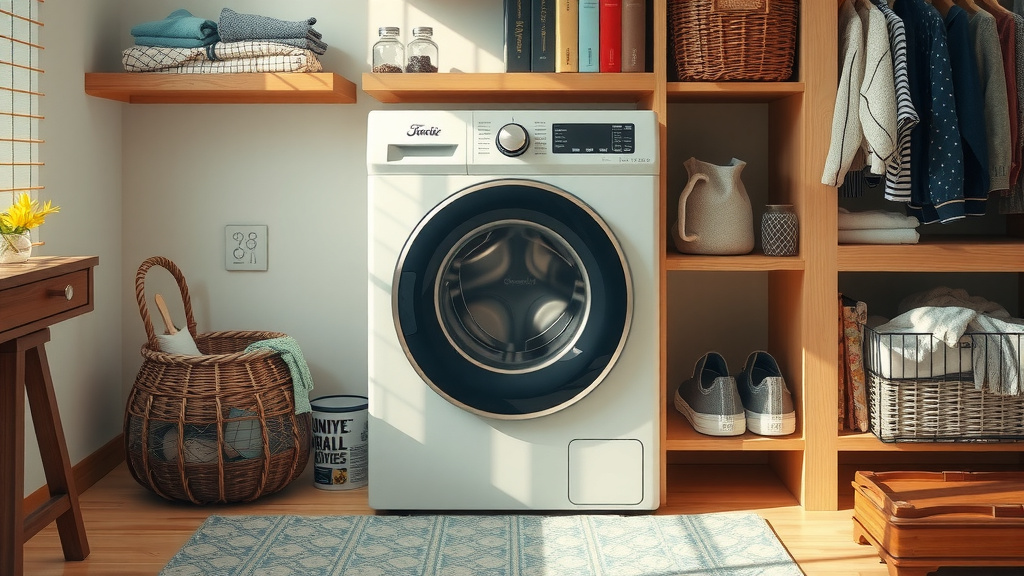
Don’t forget about the walls! Above your washer, you can install shelves or cabinets for storing detergent, fabric softener, and other laundry supplies. This keeps the area organized and maximizes storage potential. Think of it as your mini laundry station.
Step 4: Understanding Plumbing and Electrical Needs
This is where things can get a little technical, but we’ve researched the basics for you.
Water Supply
Most standard washers require hot and cold water hookups. If you don’t have dedicated hookups in your chosen spot, you might need to get a plumber involved. Portable washers often bypass this by connecting to a faucet with an adapter, which is a much simpler setup.
Drainage
Washers need to drain the dirty water. This can be done via a standpipe, a utility sink, or even a drain hose directed into a floor drain. Again, if your chosen location doesn’t have these, you may need professional help. Some compact models have pumps that can push water higher, offering more placement flexibility.
Electrical Outlet
Make sure you have a properly grounded electrical outlet within reach of the machine’s power cord. Avoid using extension cords if possible, as they can be a safety hazard. We found that most modern washing machines require a dedicated circuit for safe operation.
Step 5: Essential Considerations for Small-Space Laundry
Even with the right machine and location, a few extra tips can make your small-space laundry routine much smoother.
Ventilation is Key
Whether it’s a closet or a nook, good airflow is important to prevent mold and mildew. Leave the door open when not in use, or consider installing a small vent fan. We found that many appliance manufacturers recommend leaving at least a few inches of space around the machine for air circulation.
Noise Reduction
Living in close quarters means you’ll want to minimize noise. Look for machines with good vibration reduction technology. Placing a rubber mat under the washer can also help absorb vibrations and reduce noise. Some models are specifically designed to be quieter.
Maintenance and Cleaning
Regular cleaning is essential for any appliance, but especially in tight spaces where dirt can accumulate. Keep the area around the machine clean. Wipe down the door seal after each use to prevent mold. We found that consistently cleaning the lint filter (if applicable) also helps efficiency.
Here’s a quick checklist to get you started:
- Measure your available space precisely.
- Research compact or all-in-one washer-dryer units.
- Check plumbing and electrical access points.
- Consider vertical storage solutions above the machine.
- Ensure adequate ventilation for the appliance.
- Look for models designed for low noise operation.
Conclusion
Fitting a washing machine into a small space is absolutely achievable with the right planning and appliance choice. You’ve learned that precise measurements are your first step to success. We found that exploring compact, all-in-one, or stackable units can transform tiny areas into functional laundry zones. Remember to consider plumbing, electrical needs, and smart placement ideas to maximize your setup. Your next step? Grab that tape measure and start planning your efficient laundry solution!
Frequently Asked Questions
Do I need special plumbing for a compact washer?
Often, compact washers require similar plumbing to standard machines, including hot and cold water hookups and a drain. However, many portable or mini washers come with adapters to connect directly to a sink faucet, simplifying the setup significantly.
Can I put a washing machine in a kitchen?
Yes, placing a washing machine in a kitchen is a common solution for small spaces, especially with under-counter models. You’ll need to ensure you have access to water supply, drainage, and an electrical outlet, and that the machine fits within the available cabinetry space.
How much space does a compact washing machine actually need?
Compact washers are typically around 24 inches wide, much narrower than standard machines. Beyond the machine’s dimensions, we found it’s wise to allow a few inches of clearance on the sides and behind for ventilation and hose connections.
Are all-in-one washer-dryer units as effective as separate machines?
All-in-one units are very effective for saving space and offer the convenience of washing and drying in one cycle. While they may have smaller capacities and longer cycle times than separate units, we found they are a fantastic solution for apartments and homes without dryer venting.
What if I can’t make permanent plumbing connections?
If permanent plumbing isn’t an option, portable or mini washing machines are your best bet. We researched these and found they connect to a standard sink faucet and drain directly into the sink, making them ideal for renters or temporary solutions.