Best Small Washer Dryer: Top Picks for Compact Spaces
Finding the best small washer and dryer really depends on your needs and space. For most people, a stackable unit offers the best space-saving solution. These combo units handle both washing and drying in one compact machine, making them ideal for apartments or small homes. They are a popular choice because they maximize vertical space.
When you’re looking for a small washer and dryer, consider factors like capacity, energy efficiency, and available features. Many compact models are designed to fit into tight spots, like closets or under counters. We found that even smaller units can still handle a decent load of laundry effectively. Think about how much laundry you do each week.
TL;DR:
- Stackable units are great for small spaces.
- Combo washer/dryer units save a lot of room.
- Consider load size and energy use.
- Measure your space carefully before buying.
Below, we’ll help you figure out which small washer and dryer is the perfect fit for your home and laundry routine. Let’s get started!
Choosing Your Ideal Compact Washer and Dryer
So, you’re on the hunt for a small washer and dryer. It might seem like a challenge, but finding the perfect fit for your space and needs is totally doable. We’ve looked into what makes these units tick, and the biggest factor is almost always your available space. Think about where you plan to put it – a closet, a small laundry nook, or maybe even under a counter? This will guide your choices.
Understanding Your Laundry Needs
Before we dive into specific types, let’s get real about your laundry habits. How many people are in your household? Do you have a lot of bulky items like comforters? Most small washers have a capacity between 1.5 to 2.7 cubic feet. This is generally enough for singles or couples. Families might find these a bit tight, requiring more frequent small loads. We found that paying attention to load size upfront can save you a lot of frustration later.
Types of Small Washer and Dryer Solutions
When we talk about small washer and dryer setups, a few main categories pop up. Each has its own way of saving space. Understanding these will help you narrow down what makes the most sense for your home.
All-in-One Combo Units
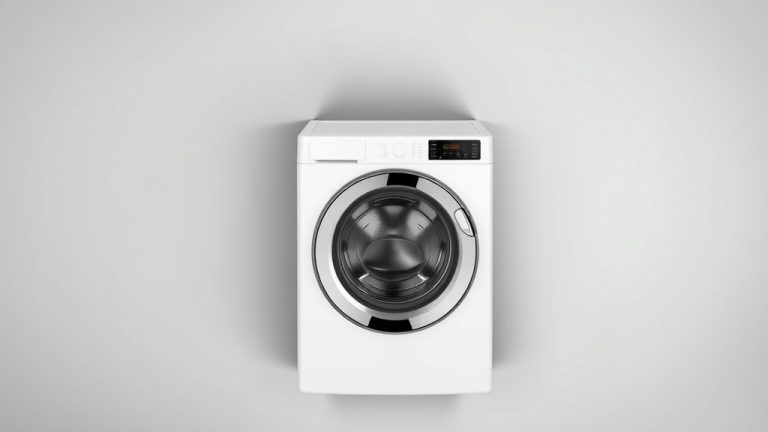
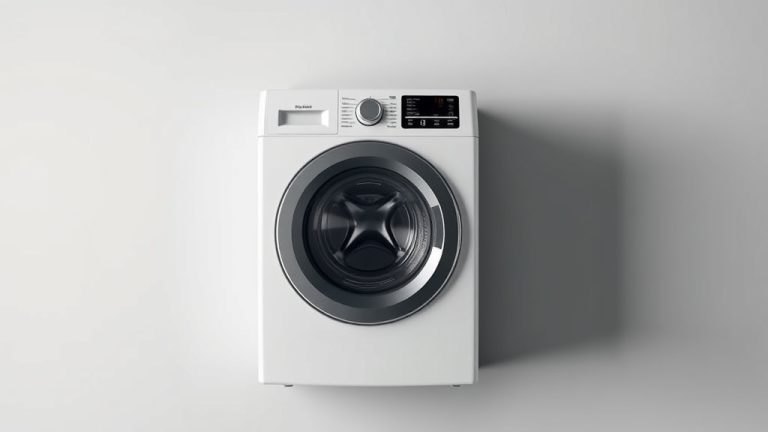
These are the superheroes of small-space laundry. An all-in-one unit, often called a washer-dryer combo, does both washing and drying in a single machine. You load your dirty clothes, select your settings, and it handles the rest. This is a fantastic option if you have limited space and can’t fit a separate washer and dryer. They are incredibly popular for apartments and condos because they require just one water hookup and vent hookup (or sometimes ventless operation).
Stackable Washer and Dryer Sets
A stackable set involves a separate washer and dryer that are designed to be placed one on top of the other. This utilizes vertical space, much like the combo units, but gives you the flexibility of having separate machines. This can be beneficial if you do a lot of laundry and prefer the efficiency of two distinct appliances. You typically need a bit more width than a combo unit, but you gain the ability to wash and dry simultaneously. We found many people appreciate the dual functionality these offer.
Compact Side-by-Side Units
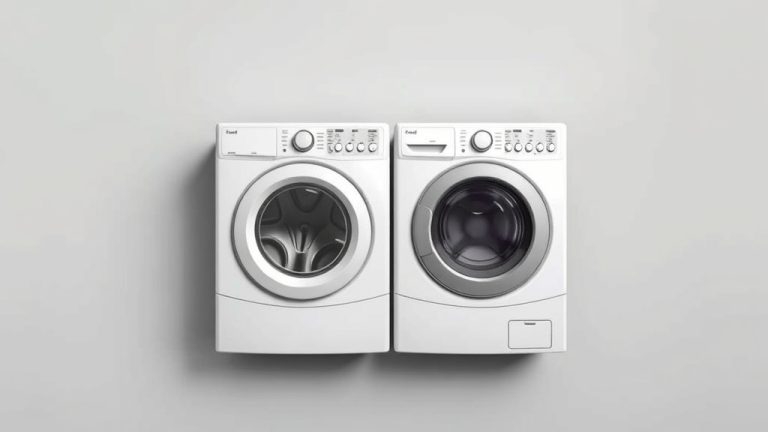
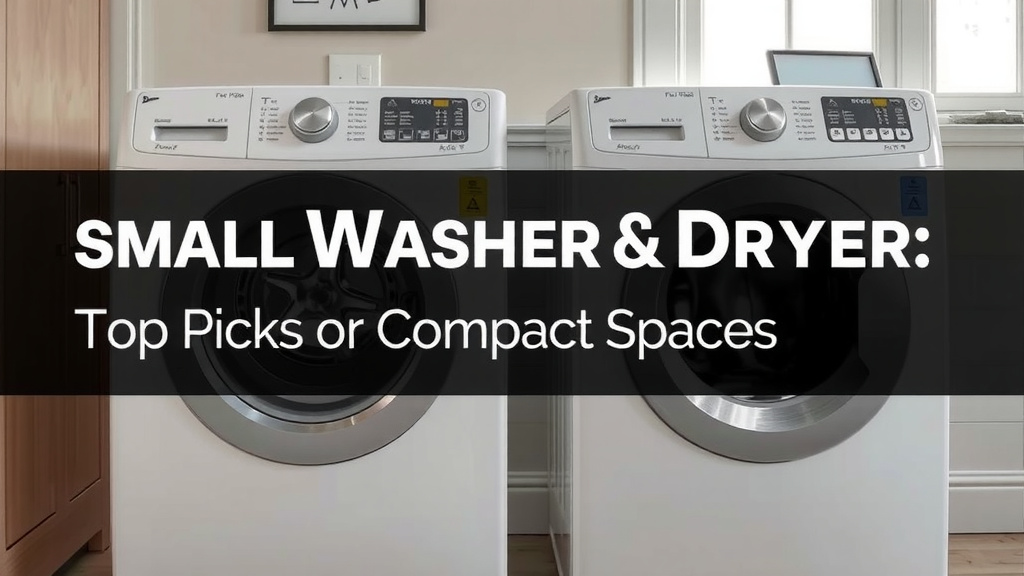
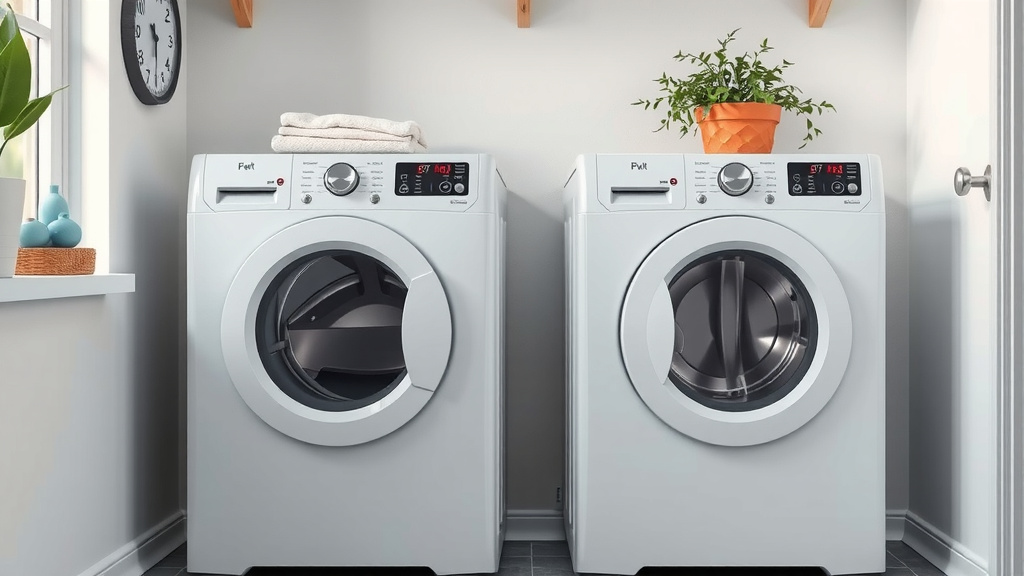
Less common for extreme space saving, but still an option, are compact front-load washers and dryers designed to sit next to each other. These are generally smaller in width than standard machines. They still take up more floor space than a stackable or combo unit, but they offer good capacity for their size. If you have a dedicated laundry closet that’s wider than it is deep, this could be a good solution.
Key Features to Consider for Your Compact Set
Beyond the basic type, several features can make or break your experience with a small washer and dryer. Think about what truly matters for your daily life and laundry routine.
Capacity and Load Size
As we touched on, capacity is king in small appliances. For an all-in-one unit, a typical capacity might be around 1.5 to 2.0 cubic feet. For stackable or side-by-side compact units, you might find capacities ranging from 2.0 to 3.5 cubic feet. What does this mean in laundry terms? Roughly, 1.5 cubic feet can handle about 5-7 pounds of dry clothes. A 2.0 cubic foot machine can manage around 10-12 pounds. Research and data suggest that for a single person, 1.5-2.0 cubic feet is often sufficient (Consumer Reports).
Energy and Water Efficiency
Small appliances don’t always mean small energy bills. Look for units with an ENERGY STAR certification. These machines are designed to use less energy and water, which is good for your wallet and the planet. We found that while compact units might seem smaller, their efficiency ratings can be just as important as their size. Check the yellow EnergyGuide label to compare models.
Venting Options (or Lack Thereof!)
This is a big one for small spaces. Traditional dryers require a vent to expel hot, moist air. However, many compact and all-in-one units offer ventless drying. These typically use a condenser system or a heat pump. Ventless dryers offer more flexibility in placement, as you don’t need an exterior wall. However, they can take longer to dry clothes and may use more energy than vented models. If you’re considering an all-in-one, ventless is often the default and easiest setup.
Specialty Cycles and Smart Features
Don’t underestimate the power of modern features! Many small washers and dryers come with specialized cycles like quick wash, delicate, or sanitizing. Some even offer steam cycles to refresh clothes or reduce wrinkles. Smart features, like app connectivity, allow you to monitor cycles remotely or get alerts when laundry is done. While not essential, these can add convenience to your laundry day.
Making Your Final Decision: A Quick Checklist
To help you wrap your head around it all, here’s a simple checklist to guide your decision:
- Measure your space precisely: Include height, width, and depth, plus clearance for doors and hoses.
- Determine your typical load size: How much laundry do you do per week?
- Decide on venting needs: Do you have a vent hookup, or do you need a ventless option?
- Consider your budget: Prices can vary widely based on brand, features, and type.
- Prioritize energy efficiency: Look for ENERGY STAR ratings.
- Read reviews: See what other users say about reliability and performance.
A Comparison Table of Compact Solutions
Here’s a general overview to help visualize the differences:
| Type | Pros | Cons | Best For |
|---|---|---|---|
| All-in-One Combo | Space-saving, single unit, easy installation, ventless options | Longer drying times, smaller capacity, can’t wash and dry simultaneously | Apartments, small homes, minimal space |
| Stackable Set | Maximizes vertical space, can wash and dry simultaneously, flexible capacity | Requires more width than combo, needs separate units, installation can be complex | Small homes needing more capacity, those who want separate controls |
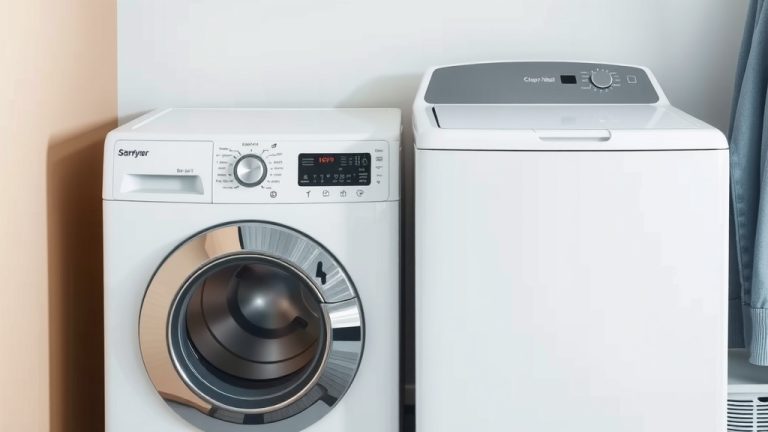
| Compact Side-by-Side | Good capacity for size, can wash and dry simultaneously | Takes up more floor space, less space-saving than others | Slightly larger laundry nooks, homes with more width than depth |
Conclusion
Finding the best small washer and dryer is all about matching your space and laundry habits. We’ve seen that all-in-one combo units and stackable sets are top contenders for maximizing small areas. Remember to measure your space carefully and consider your typical load size. Don’t forget to check for energy efficiency and ventless options if needed. Your next step is to use the checklist and comparison table to narrow down your choices and make an informed decision for your home.
Frequently Asked Questions
How much laundry can a small washer and dryer actually hold?
Small washer capacity typically ranges from 1.5 to 2.7 cubic feet. This is generally sufficient for singles or couples doing 10-12 pounds of laundry per load. For families or those with bulky items, you might need more frequent, smaller loads.
Are ventless dryers as good as vented dryers in compact units?
Ventless dryers offer great installation flexibility but can take longer to dry clothes and may use more energy than vented models. Research suggests they are a practical solution for apartments where venting isn’t possible.
What’s the main difference between a combo unit and a stackable set?
An all-in-one combo unit washes and dries in a single machine, saving maximum space. A stackable set uses separate washer and dryer units placed on top of each other, allowing simultaneous washing and drying but requiring a bit more width.
Do small washer and dryer units use less energy?
Not always. While they are smaller appliances, it’s important to check for ENERGY STAR certification. This rating indicates that a unit is designed to use less energy and water, regardless of its size.
Can I install a small washer and dryer myself?
While some compact units are designed for easier DIY installation, it often involves connecting water lines and drainage. We recommend consulting the manufacturer’s instructions or hiring a professional for proper setup, especially for stackable units.