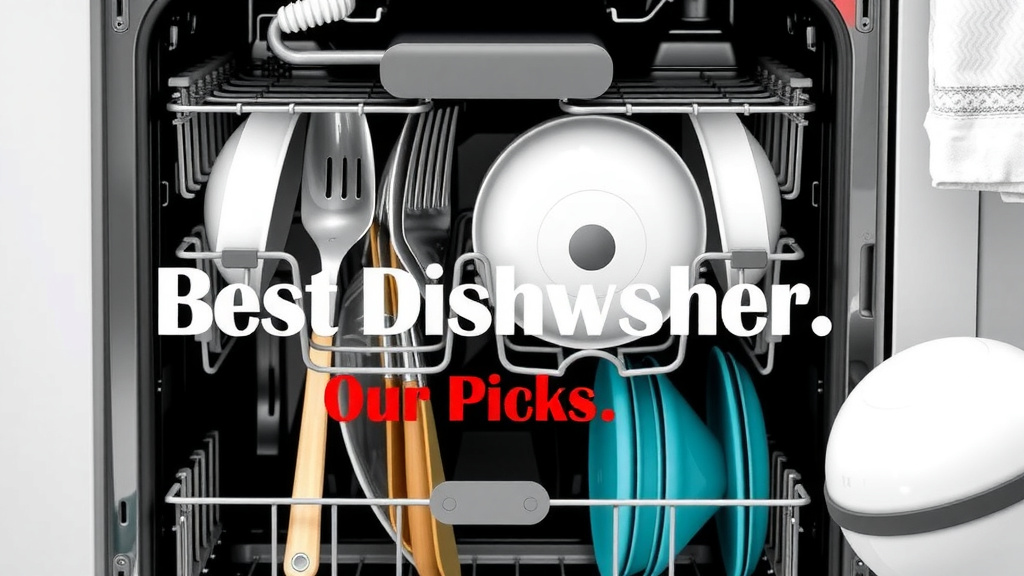
Best Dishwasher: Our Top Picks & Buying Guide
Finding the best dishwasher for your home really depends on your specific needs and budget. We found that top-rated dishwashers often excel in cleaning performance, quiet operation, and energy efficiency. Many models offer flexible loading options and smart features, making them a worthwhile kitchen upgrade.
It’s more than just clean dishes. The best dishwasher can save you time and water compared to washing by hand. We looked at models that consistently earn high marks for durability and user satisfaction. Consider your kitchen space and how often you run a load when making your choice.
- The “best” dishwasher balances cleaning power, noise, and efficiency.
- Consider your budget and needed capacity.
- Look for models with flexible racks and quiet operation.
- Smart features can add convenience, but aren’t always necessary.
- Energy Star ratings mean long-term savings.
Let’s walk through what makes a dishwasher truly great and how to pick the perfect one for your kitchen.
So, you’re on the hunt for the perfect dishwasher? It’s a big decision, isn’t it? This isn’t just about sparkling plates; it’s about saving your precious time and water. We’ve sifted through a lot of information to help you find a machine that will make your kitchen routine a whole lot easier. Think of it as finding your kitchen’s new best friend.
Choosing the Right Dishwasher for Your Home
Finding the right dishwasher is like finding the right tool for a job. You want something that performs well without causing a fuss. We looked at what truly matters to people when they pick a new dishwasher. It’s a blend of clean dishes, quiet operation, and long-term value. Let’s break down the key features that make a dishwasher stand out.
Cleaning Performance: The Core Function
At the heart of any good dishwasher is its ability to get dishes clean. Really clean. No one wants to pull out glasses with lipstick stains or plates with dried-on food. We found that many top-rated models use advanced spray arm technology and varied wash cycles to tackle tough messes. Some even have soil sensors that automatically adjust the wash time and water usage. This means you get a spotless clean every time, even with baked-on grime.
Noise Levels: The Sound of Silence (Almost!)
Is there anything more annoying than a dishwasher that sounds like a jet engine? You’re trying to enjoy a quiet evening, and suddenly, the dishwasher kicks into high gear. We discovered that manufacturers are getting much better at making dishwashers quieter. Many models are now whisper-quiet, often measured in decibels (dB). Anything below 45 dB is considered very quiet, making it perfect for open-plan living spaces or if you run your dishwasher at night.
Capacity and Loading Flexibility: Fitting It All In
How many people are in your household? How often do you run the dishwasher? These questions help determine the capacity you need. Most standard dishwashers hold about 12-16 place settings. But it’s not just about size; it’s about how you can arrange your dishes. We’ve seen some innovative rack designs lately. Adjustable tines, fold-down shelves, and dedicated silverware baskets can make loading a breeze. Some high-end models even have a third rack, perfect for utensils or small bowls. This flexibility means you can fit more in and get everything clean.
Energy Efficiency: Saving Green and Being Green
Who doesn’t want to save money on their utility bills? Energy efficiency is a big deal for dishwashers. Look for the ENERGY STAR® label. These appliances are certified to use less energy and water than standard models. While they might have a slightly higher upfront cost, the long-term savings on electricity and water bills can add up. Plus, you’re doing a little something good for the planet. Many guidelines point to ENERGY STAR certified dishwashers using about 3-4 gallons of water per cycle, compared to much more for handwashing (Environmental Protection Agency).
Durability and Reliability: Built to Last
You want a dishwasher that’s going to last, right? Nobody wants to buy a new appliance every few years. We found that brands known for quality craftsmanship often use more robust materials. Stainless steel tubs, for example, tend to be more durable and resist odors better than plastic tubs. Reading user reviews and checking warranty information can give you a good idea of a model’s long-term reliability. Some experts suggest checking consumer reports for detailed reliability ratings by brand and model.
Smart Features: Convenience at Your Fingertips
This is where things get a bit futuristic! Many new dishwashers come with smart features. You can often control them with your smartphone, check cycle status, or even order detergent refills. Some models can diagnose problems remotely, alerting you or a technician if something is wrong. While these features are cool, ask yourself if they’re essential for your daily life. For some, the convenience is worth it; for others, a simple, reliable machine works just fine.
What to Look for in Smart Features
If you’re considering a smart dishwasher, think about what you’d actually use. Wi-Fi connectivity is standard, allowing remote control. Then there are diagnostic alerts, which can be super helpful. Some even integrate with smart home systems. We found that apps often provide cycle status updates and notifications. This can be handy if you’re not always home when the cycle finishes.
Understanding Wash Cycles and Options
Dishwashers aren’t just on or off anymore! They come with a variety of cycles designed for different needs. You’ll often find a normal cycle for everyday loads, a heavy-duty or pots-and-pans cycle for tough messes, and a quick or express cycle for lightly soiled dishes. Many also offer specialized options like sanitizing rinses (great for baby bottles!) or delicate cycles for glassware. Having the right cycle means you can optimize cleaning while saving energy and water.
Common Wash Cycles Explained
Let’s look at a few common ones:
- Normal/Auto: For everyday dishes with typical soil levels. Sensors often adjust water and time.
- Heavy Duty/Pots & Pans: For heavily soiled items and baked-on food.
- Light/Quick Wash: For lightly soiled items or when you need dishes fast.
- Delicate/Glassware: Gentler wash for fragile items.
- Rinse Only: To rinse dishes before a full wash later.
Your Dishwasher Checklist: What to Prioritize
Ready to make a decision? Here’s a quick rundown to keep you on track:
- Budget: How much are you comfortable spending?
- Size: Will it fit your kitchen space and needs?
- Noise Level: Check the dB rating if quiet operation is important.
- Rack Flexibility: Can you adjust it to fit your dishes?
- Energy Star: Look for the label for efficiency savings.
- User Reviews: See what real owners are saying.
Dishwasher Styles: Built-in, Portable, and Drawer
Beyond the features, dishwashers come in different styles. The most common is the built-in model, which integrates under your countertop. Portable dishwashers are great for renters or those without a dedicated space; they connect to your faucet and can be rolled away. Dishwasher drawers offer a more modular approach, allowing you to run smaller loads or have them installed at different heights. Each has its pros and cons, depending on your kitchen layout and lifestyle.
| Dishwasher Style | Pros | Cons |
|---|---|---|
| Built-in | Standard, integrates well with cabinets, good capacity. | Requires permanent plumbing and electrical. |
| Portable | Flexible placement, easy to install, good for renters. | Takes up floor space, needs faucet connection for each use. |
| Drawer | Flexible loading, can run small loads, ergonomic options. | Can be more expensive, smaller capacity per drawer. |
By considering these factors, you’re well on your way to finding a dishwasher that doesn’t just clean dishes, but genuinely improves your life in the kitchen. Happy hunting!
Conclusion
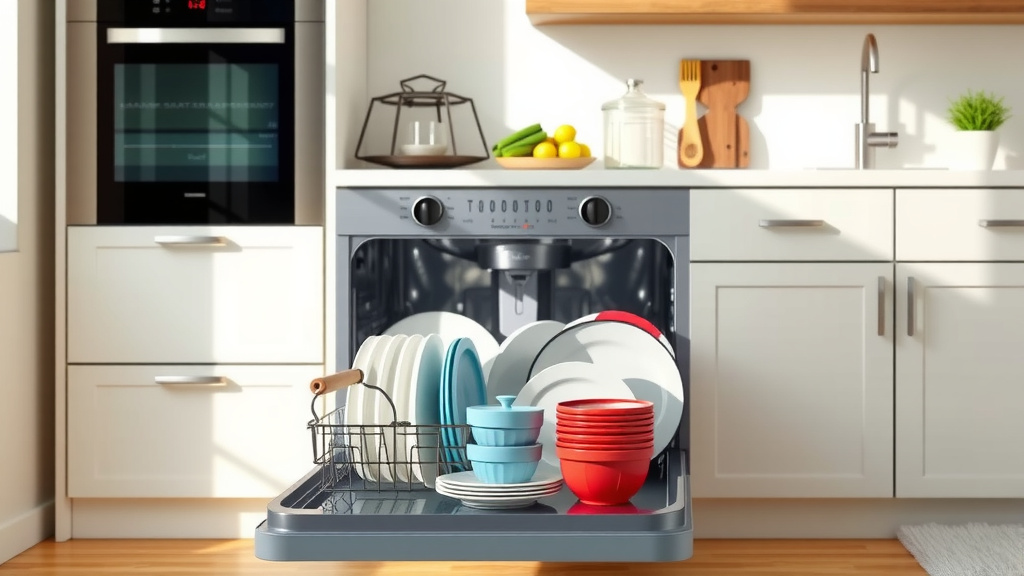
So, you’re ready to find your ideal dishwasher! Remember, the best one balances powerful cleaning with quiet operation and smart energy use. We found that flexible loading racks can truly make a difference in your daily routine. Don’t forget to check for ENERGY STAR certification for long-term savings. Your perfect dishwasher is out there, waiting to simplify your kitchen chores. Take this guide, check your measurements, and start comparing models to make your final choice. You’ll soon be enjoying sparkling clean dishes with minimal effort.
Frequently Asked Questions
How do I know if a dishwasher is quiet enough for my home?
Look for the decibel (dB) rating on the dishwasher’s specifications. Anything below 45 dB is generally considered very quiet. This is especially important if you have an open-concept living space or tend to run your dishwasher at night.
Are smart dishwashers really worth the extra cost?
Smart features like app control and diagnostic alerts add convenience, but they aren’t essential for everyone. If you enjoy having remote access to appliance functions and want instant notifications, they might be worth it. For others, a reliable, well-performing standard model is perfectly sufficient.
What’s the difference between stainless steel and plastic dishwasher tubs?
Stainless steel tubs are generally more durable and resist odors and staining better than plastic tubs. They also tend to hold heat longer, which can help with drying performance. While often more expensive upfront, they can offer better longevity and a more premium feel.
How often should I run my dishwasher to be energy efficient?
Running your dishwasher only when it’s full is the most efficient approach. Many modern dishwashers are designed to use less water and energy per load than washing by hand, especially when using the eco or auto cycles.
What is the average lifespan of a dishwasher?
With proper maintenance and regular use, a dishwasher can last anywhere from 10 to 15 years. Sticking to manufacturer guidelines for cleaning and avoiding overloading can help maximize its lifespan.