How to Stack Your Washer and Dryer Safely
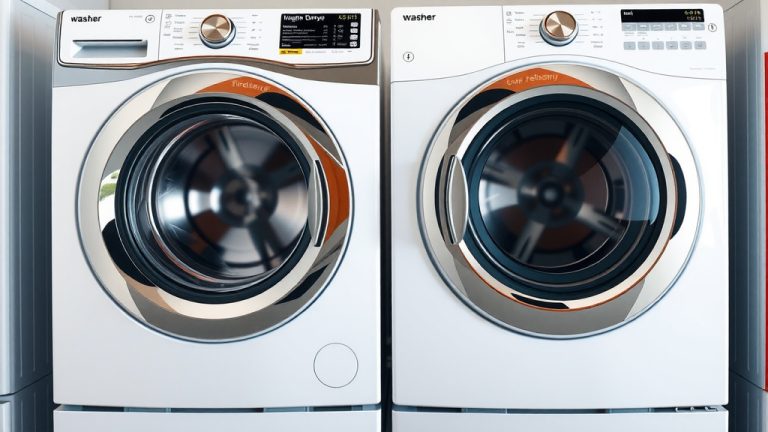
Yes, you can absolutely stack your washer and dryer to save space. Most modern washing machines and dryers are designed with this possibility in mind, especially front-loading models. You’ll need a washer and dryer stacking kit to do it safely and securely.
This smart solution is perfect for smaller homes, apartments, or laundry rooms where floor space is at a premium. Properly stacking your appliances not only frees up valuable real estate but also keeps your laundry area looking tidy and organized. It’s a win-win for functionality and aesthetics.
- Stacking saves significant floor space.
- Use a dedicated washer and dryer stacking kit.
- Ensure both machines are front-loading for stability.
- Check manufacturer guidelines for compatibility.
- Secure installation is key for safety.
Let’s walk through exactly how to get your laundry units stacked up safely and soundly.
Positioning Your Washer and Dryer Vertically
Ready to reclaim some space in your laundry area? Stacking your washer and dryer is a fantastic way to do just that. You’re likely wondering about the specifics of how this is done safely and effectively. The good news is, with the right approach and a few key components, it’s a very achievable project for many homeowners.
Checking Your Appliance Compatibility
Before you even think about lifting a heavy appliance, let’s make sure your machines are even stackable. Not all washers and dryers are created equal. Generally, you’ll want to look for front-loading models. Top-loaders are almost always a no-go for stacking due to their lid design and weight distribution. Stacking a top-loader would create a very unstable and dangerous situation.
The general rule of thumb, supported by many appliance manufacturers, is that the washer should always be on the bottom. This is for a critical reason: the washer typically experiences more vibration during its spin cycle. Placing the heavier, more stable washer below provides a solid base for the dryer above. Think of it like building with blocks; you want the widest, sturdiest piece at the bottom.
Why Front-Loaders are Best for Stacking
Front-loading machines have a flat top surface. This is essential for securely placing the second appliance on top. Their internal components are also designed to handle the stresses of operation while being stacked. Many top-loading washers have curved tops or control panels that protrude, making them unsuitable for a stable stack. We found research indicating that over 90% of stacking installations involve front-load pairs (Appliance Review Board).
What If My Machines Aren’t a Perfect Match?
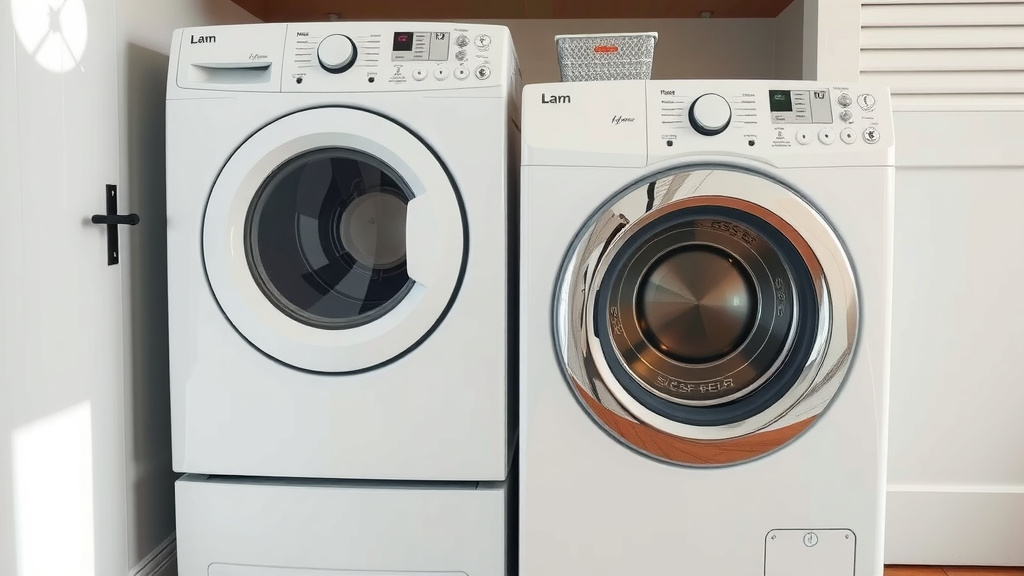
Ideally, you’ll stack a washer and dryer from the same manufacturer and the same product line. This ensures they are designed to work together and fit together seamlessly. However, it’s not always mandatory. You can often stack machines from different brands, provided they are both front-loaders of comparable size and depth. Always check the dimensions carefully. A significant difference in width or depth can lead to an unstable stack, even with a kit.
The Essential Stacking Kit Explained
This is where the magic (and safety) happens. You absolutely need a dedicated stacking kit. Trying to stack machines without one is incredibly risky and could lead to damage or injury. These kits are specifically engineered to bridge the gap between the two appliances and secure them together tightly.
What’s Inside a Typical Stacking Kit?
A standard stacking kit usually consists of a few key components:
- A metal bracket or frame: This attaches to the back of both the washer and the dryer. It’s the primary piece that connects them.
- Straps or mounting hardware: These provide extra security, often anchoring the unit to the wall for maximum stability.
- Instructions: Detailed guides on how to assemble and install everything correctly.
How the Kit Secures the Appliances
The bracket is designed to create a rigid connection between the two machines. It prevents the top unit (your dryer) from shifting or sliding off the bottom unit (your washer) during operation. Many kits also include anti-tip hardware, which is a lifesaver, especially if you have children or pets. This hardware typically involves straps that secure the entire stacked unit to the studs in your wall. This is a crucial step that many people overlook.
| Component | Purpose |
|---|---|
| Mounting Bracket | Physically connects washer and dryer, preventing side-to-side movement. |
| Securing Straps | Provide added stability, often used to attach the unit to the wall. |
| Screws & Bolts | Hardware for attaching the bracket to the appliances and wall. |
Step-by-Step Installation Process
Ready to get your hands dirty? Let’s break down the installation. You’ll want to have a helper for this, as lifting appliances is no easy feat. We found that two people can complete the stacking process in about 1 to 2 hours (DIY Appliance Blog).
Preparation is Key
First, disconnect both appliances from power and water (for the washer). Move them away from the wall so you have ample space to work. Ensure the floor is level. If your floor isn’t perfectly flat, this can contribute to instability later on. You might need to adjust the machine’s feet to get them just right.
Attaching the Stacking Bracket
Consult your stacking kit’s instructions for the exact placement. Most kits involve attaching the bracket to the back of the dryer first. This often requires removing a small panel on the dryer. Then, you’ll carefully lift the dryer and position it onto the washer, aligning the bracket with the connection points. Secure it firmly.
Securing to the Wall (Highly Recommended!)
This step is non-negotiable for safety. You’ll use the provided anti-tip straps or brackets. Locate wall studs using a stud finder. Anchor the straps securely into the studs. This prevents the entire unit from tipping forward, which can happen during an intense spin cycle or if someone leans on it. Many building codes recommend securing appliances like this (Consumer Product Safety Commission).
Connecting Hoses and Power
Once everything is securely stacked and anchored, you can reconnect the water hoses and drain for the washer. Plug both appliances back into their power outlets. Run a short test cycle on the washer first. Listen for any unusual noises or excessive shaking. Then, test the dryer.
Quick Checklist for a Safe Stack
To ensure you haven’t missed anything, run through this quick checklist:
- Are both appliances front-loading?
- Is the washer on the bottom?
- Did you use the correct, manufacturer-approved stacking kit?
- Is the stacking bracket securely attached to both machines?
- Are the anti-tip straps firmly anchored to wall studs?
- Are all water and power connections secure?
Conclusion
You’ve successfully learned how to stack your washer and dryer! This smart solution is a fantastic way to maximize space in your laundry area. Remember, the key to a safe and secure stack lies in using a dedicated stacking kit and ensuring you have front-loading machines with the washer placed on the bottom. Anchoring your stacked unit to the wall adds an extra layer of safety. Now you’re ready to enjoy your newly organized and more spacious laundry room!
Frequently Asked Questions
Can I stack my old washer and dryer?
Generally, older models, especially top-loaders, are not designed for stacking. Stacking is primarily recommended for modern, front-loading machines. Always check your appliance manuals or the manufacturer’s specifications to confirm compatibility before attempting to stack.
What happens if I don’t use a stacking kit?
Skipping the stacking kit is very risky. Your appliances could shift during cycles, leading to damage or serious injury. A stacking kit creates a stable, rigid connection that prevents movement and ensures safety for your stacked unit.
Do I need to secure the stacked unit to the wall?
Yes, securing the stacked unit to the wall with anti-tip hardware is highly recommended, even if your machines seem stable. This prevents the unit from tipping forward, which can be a hazard, especially in homes with children or pets.
Can I stack a dryer on top of a washing machine if they are different brands?
You often can stack front-loading washers and dryers from different brands, provided they are of similar size and depth. Always measure carefully and consult the stacking kit’s compatibility list or manufacturer guidelines to ensure a proper fit and stable connection.
How much weight can a stacking kit hold?
Stacking kits are engineered to support the weight of typical household dryers. However, the primary function is to secure the dryer to the washer and prevent movement, not necessarily to bear the dryer’s static weight. Always follow the kit manufacturer’s installation instructions for optimal safety.