Cheapest Washer and Dryer Deals for Your Budget
Finding the absolute cheapest washer and dryer means looking at basic models. You’ll likely find the lowest prices on apartment-sized units. These are often simpler machines without many bells and whistles. While they get the job done, they might not offer the latest features.
When budget is your main concern, focusing on entry-level brands is key. We’ve found that appliance stores often have sales on these standard sets. Be prepared for fewer cycles and perhaps a less robust build than premium options. Think of it as getting the essentials covered without breaking the bank.
- The cheapest washer and dryer combos are usually basic, apartment-sized models.
- Look for entry-level brands and keep an eye out for sales.
- Expect fewer cycles and simpler functions on budget sets.
- Consider used or refurbished options for even greater savings.
Ready to find the most affordable way to get your laundry done? Let’s dive into what makes certain washer and dryer sets the cheapest and where you might find them.
Finding the Most Affordable Washer and Dryer Options
When you’re on the hunt for the cheapest washer and dryer set, your primary goal is to find machines that do the laundry without demanding a small fortune. We’ve researched the market, and the lowest prices usually come with simpler, no-frills models. These are often designed for smaller living spaces, which naturally brings down manufacturing costs. Think of them as the workhorses of the appliance world – dependable but not flashy.
You’ll likely find the most budget-friendly options when you look at apartment-sized units. These are typically smaller in capacity and dimensions. This means they use less material and often have less complex internal mechanisms. While they might not handle a mountain of clothes, they are perfect for individuals or small families who don’t need excessive capacity. We found that many entry-level appliances focus on core functionality.
What Features Drive Up the Price?
Understanding what makes appliances expensive can help you spot the bargains. High-end washers and dryers often boast advanced features. These include steam cycles for sanitizing, specialized fabric care settings, Wi-Fi connectivity for smart home integration, and ultra-quiet operation. They also tend to use more durable materials and offer larger capacities. The more technology and premium materials, the higher the price tag, as you might expect.
On the flip side, the cheapest models strip away these extras. You’ll get the basic wash and dry cycles you need for everyday clothes. They focus on getting the job done efficiently without any added frills. This is where you’ll find the real savings. Many experts agree that for most households, the standard cycles are perfectly adequate (Consumer Reports).
Where to Look for Budget-Friendly Laundry Pairs
Finding the cheapest washer and dryer isn’t just about the brand; it’s also about where and when you shop. Retailers often have strategic sales events. Planning your purchase around these times can lead to significant savings. We’ve seen many deals pop up during holiday weekends and seasonal clearance events.
Retailer Strategies and Sales
Big box stores like Home Depot, Lowe’s, and Best Buy frequently run promotions. These can include discounts on floor models or bundles where you save money by buying the washer and dryer together. You might also find special financing offers or extended warranties included with these deals. Keep an eye on their weekly ads or sign up for email newsletters to be alerted to upcoming sales.
Smaller, local appliance dealers can also be a source of good deals. Sometimes, they have older models they need to clear out. They might also offer more personalized service and be willing to negotiate on price. We found that smaller businesses can sometimes offer competitive pricing, especially on basic models.
The Power of Online Shopping
Online retailers such as Amazon and Wayfair offer a vast selection. You can easily compare prices from different sellers and read customer reviews. While you can’t see the appliance in person, the convenience and potential for lower prices are attractive. Just be sure to factor in shipping costs and return policies. We noticed that online availability of entry-level models is quite good.
Many online stores also have dedicated sale sections. You can often filter by price to quickly see the cheapest options. Searching for “basic washer dryer combo” or “entry-level laundry set” can help narrow down your results effectively. We found that a little patience online can yield great results.
Considering Used and Refurbished Options
If your budget is extremely tight, you might consider purchasing a used or refurbished washer and dryer. This is often the absolute cheapest way to get a complete set. These machines have been previously owned and then inspected, repaired, and cleaned by a professional.
Buying Used Appliances
You can find used appliances on platforms like Craigslist, Facebook Marketplace, or from local appliance repair shops. While the price is often significantly lower, there are risks involved. You might not get a warranty, and the lifespan of the machine could be shorter. It’s wise to inspect the appliance thoroughly before buying. Ask about its history if possible.
We recommend testing both the washer and dryer cycles when viewing a used unit. Look for any signs of rust, leaks, or unusual noises. If you’re not mechanically inclined, consider bringing a knowledgeable friend along. Buying used is a gamble, but the savings can be substantial.
Refurbished Units: A Safer Bet?
Refurbished appliances usually come with a limited warranty, offering some peace of mind. Appliance stores or specialized refurbishers often sell these. They’ve typically undergone more rigorous checks and repairs than standard used items. This makes them a safer, though slightly more expensive, alternative to buying completely used.
Many refurbishers offer a 30-day or even a 90-day warranty. This can cover minor issues that might arise shortly after purchase. We found that a refurbished unit can offer a good balance between cost savings and reliability. It’s a smart compromise for many budget-conscious shoppers.
What to Expect from the Cheapest Models
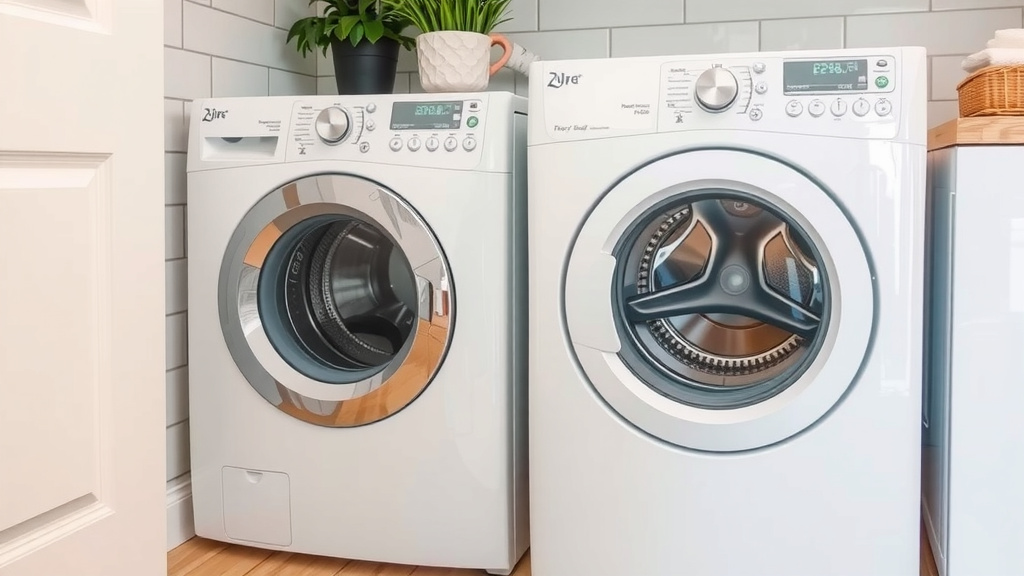
When you opt for the cheapest washer and dryer, you are making a trade-off for simplicity and fewer features. It’s important to set your expectations realistically. These machines are built to perform the fundamental tasks of washing and drying clothes.
Basic Cycles and Controls
Don’t expect a multitude of wash cycles like “delicates,” “bulky items,” or “sanitize.” Typically, you’ll find a few standard options: Normal, Whites, and maybe a Perm Press or Colors cycle. The controls are usually straightforward knobs rather than complex digital displays. This simplicity can actually be a plus for some, as there’s less that can go wrong.
For drying, you’ll likely have a few temperature settings (High, Medium, Low) and a timed dry option. Some might have an automatic sensor dry, which is a nice bonus if you can find it on a budget model. We found that the user interfaces are designed for ease of use, making them accessible for everyone.
Capacity and Dimensions
As mentioned earlier, the cheapest sets are often apartment-sized. This means they have smaller drums. A typical capacity might be around 2.0 to 3.0 cubic feet for a washer, compared to 4.0 or more for larger models. This is perfectly fine for individuals or couples, but large families might find themselves doing more loads. Always check the dimensions to ensure they fit your laundry space, especially if you’re looking at compact units.
These smaller units are also often lighter and less robustly built than their larger counterparts. While they are designed to be durable, they might vibrate more or sound louder during operation. Many guidelines suggest proper installation and leveling can mitigate some of these issues (Appliance Manufacturer Association).
Energy and Water Efficiency
The very cheapest models might not be the most energy-efficient. Older designs or simpler mechanics can sometimes mean higher water and electricity consumption. However, many basic models still meet basic Energy Star requirements, especially newer ones. Always look for the Energy Star label if this is a concern.
While they might use a bit more energy, the upfront cost savings can still make them the cheapest overall option for your budget. If long-term running costs are a major concern, it’s worth comparing the estimated annual energy usage of different models, even among the budget options.
Checklist for Finding Your Cheapest Washer and Dryer:
- Prioritize basic models over advanced features.
- Look for apartment-sized units for lower prices.
- Compare prices at big box stores and online retailers.
- Consider buying used or refurbished for maximum savings.
- Check for sales events and holiday promotions.
- Read reviews to ensure basic functionality and reliability.
Conclusion
Finding the cheapest washer and dryer means focusing on simplicity and essential functions. You’ve learned that apartment-sized units and entry-level brands are your best bet for lower prices. Remember to compare prices across retailers, watch for sales, and consider used or refurbished options if your budget is extremely tight. By understanding what drives up costs, you can confidently select a reliable laundry pair that meets your basic needs without straining your finances. Your next step is to start comparing prices at your preferred retailers and keep an eye on those sale flyers!
Frequently Asked Questions
Are the cheapest washer and dryer sets reliable?
The cheapest models are designed for basic functionality, and many are quite reliable for everyday use. They might not have the advanced features or robust build of premium units, but they get the laundry done. Checking reviews for common issues can help you make an informed choice.
What is the typical lifespan of a budget washer and dryer?
A budget washer and dryer set can last anywhere from 8 to 12 years with proper maintenance. While they might not be built for extremely heavy use like some high-end models, consistent care can extend their operational life significantly.
Do cheap washer and dryer units use more energy?
Older or very basic models might be less energy-efficient than newer, high-efficiency units. However, many budget-friendly options still meet Energy Star requirements. It’s always wise to check the Energy Guide label to compare estimated annual energy consumption.
Is it worth buying a used washer and dryer to save money?
Buying used can offer substantial savings, but it comes with risks. You might not get a warranty, and the unit’s lifespan could be shorter. Thoroughly inspecting and testing a used machine is crucial, or consider a refurbished option for a bit more peace of mind.
Can I find a washer and dryer combo for under $500?
Yes, it’s often possible to find basic washer and dryer sets or compact combos for under $500, especially during sales events or when considering used or refurbished appliances. You’ll likely be looking at smaller capacity, no-frills models.