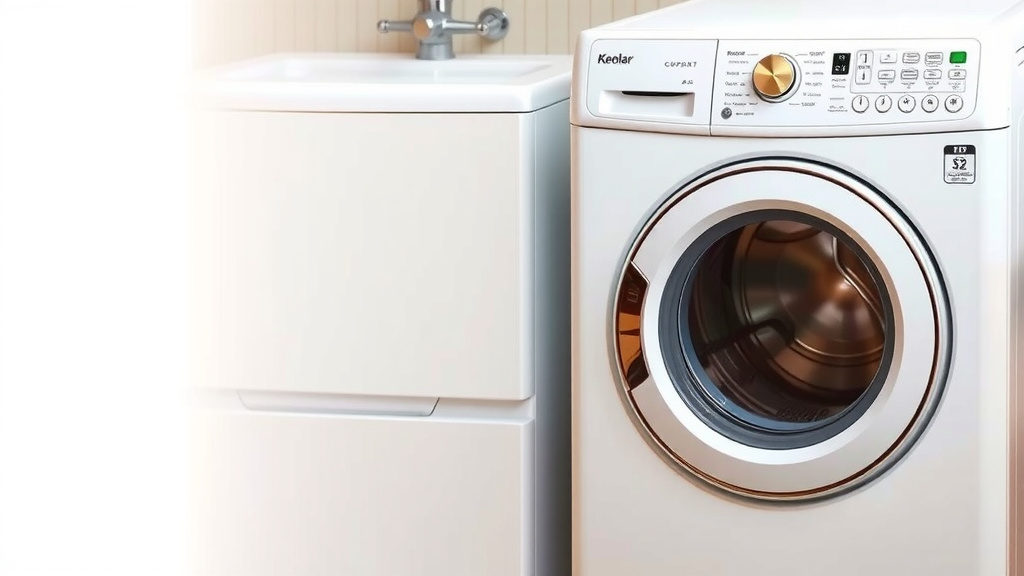
How to Buy a Washer and Dryer: A Simple Guide
Purchasing a new washer and dryer can seem daunting, but it doesn’t have to be a chore! The smartest way to buy a washer and dryer is to first assess your needs and budget, then research different types and brands, and finally compare prices and features before making a decision. Understanding your laundry habits and available space will help you find the perfect set that makes wash day a breeze.
Many factors go into choosing the right laundry pair. Think about how much laundry you do, the size of your home, and any special features you might want, like steam cleaning or smart technology. We’ve researched what homeowners like you often consider, and it boils down to balancing efficiency, capacity, and cost. Getting this right means fewer trips to the laundromat and more time for you.
- Know your laundry habits and space.
- Decide on the best type (front-load vs. top-load).
- Set a realistic budget. Set a realistic budget, as washing machine prices vary significantly by type and features.
- Compare energy efficiency ratings.
- Look for desired features like smart tech or steam.
Let’s walk through exactly how to find the perfect washer and dryer for your home.
Your Guide to Buying a New Washer and Dryer
Ready to upgrade your laundry setup? You’ve come to the right place. We’ll help you navigate the process of choosing a washer and dryer that fits your life. It’s all about finding the right match for your needs and budget.
Understanding Your Laundry Needs
Before you even look at models, take a moment to think about your laundry habits. How often do you do a load? Do you have a big family with mountains of clothes, or are you usually just washing for one or two people? These questions help determine the capacity you’ll need.
Capacity Matters for Your Household Size
If you’re washing king-size comforters or large loads of towels frequently, you’ll want a larger capacity washer. Standard machines typically hold around 3.5 to 4.5 cubic feet. Larger, high-efficiency models can go up to 5.0 cubic feet or more. This means fewer loads, saving you time and energy. For smaller households, a standard capacity might be perfectly fine and potentially more energy-efficient.
Space and Installation Considerations
Measure your laundry space carefully! You need to know the height, width, and depth available. Don’t forget to account for door swings and space for venting the dryer. Check that your existing water hookups and electrical outlets are compatible with the types of machines you’re considering. Some modern appliances might need special outlets.
Choosing the Right Type of Washer
When it comes to washers, the biggest decision is between front-load and top-load models. Each has its own set of advantages and disadvantages that can impact your laundry routine.
Front-Load Washers: The Efficient Choice
Front-load washers are known for their energy and water efficiency. They use less water per cycle because they tumble clothes through a small amount of water. This gentler tumbling action can also be easier on your clothes. Many people prefer them because they often offer better cleaning performance and higher spin speeds, which extract more water and reduce drying time.
However, front-loaders typically cost more upfront. They also require you to bend down to load and unload, though pedestals can help with this. It’s also important to properly maintain the door seal to prevent mold or mildew, something many experts suggest (Cleveland Clinic).
Top-Load Washers: Convenience and Cost
Top-load washers are generally more affordable to purchase. They are also easier to load and unload because you don’t have to bend over. If you like to add forgotten items mid-cycle, a top-loader makes that easy. They also tend to have faster wash cycles.
There are two main types of top-loaders: impeller and agitator. Agitator models use a central post to move clothes around, which can be rougher on fabrics. Impeller models (also called HE top-loaders) use a low-profile disc or cone at the bottom of the tub. These use less water than agitator models and are gentler on clothes, but may not handle bulky items as well.
Dryer Considerations: Features and Functionality
Once you’ve picked your washer, it’s time to think about the dryer. The primary function is, of course, drying, but features can make a big difference in convenience and efficiency.
Gas vs. Electric Dryers
This is a fundamental choice. Electric dryers use a standard 240-volt outlet. Gas dryers require a gas line connection and a standard 120-volt outlet. If you already have a gas line, a gas dryer can sometimes be more cost-effective to run because natural gas is often cheaper than electricity. However, gas dryers usually have a higher purchase price.
Capacity and Special Cycles
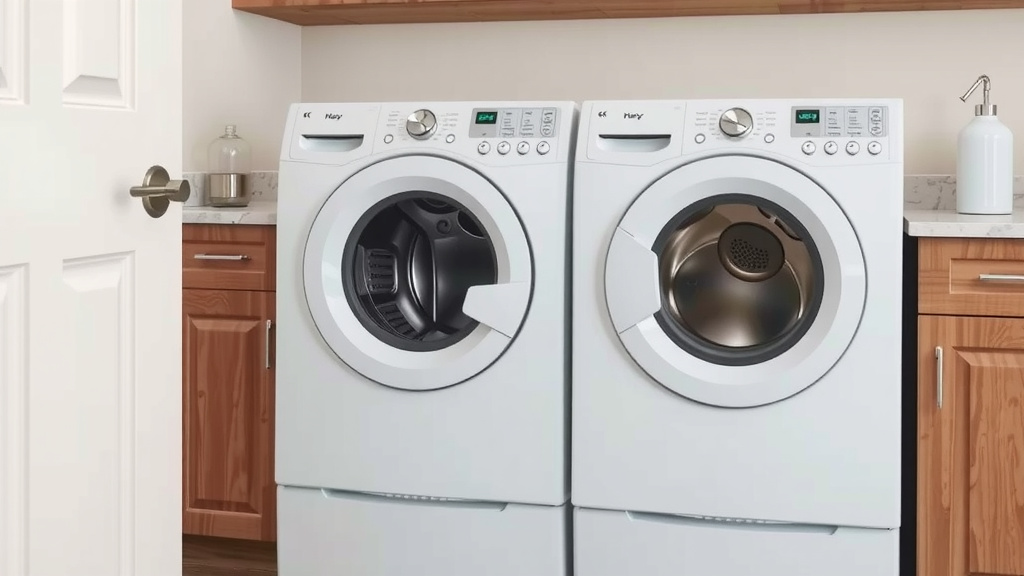
Just like washers, dryers come in various capacities. Match your dryer’s capacity to your washer’s to ensure you can dry large loads efficiently. Look for features like steam cycles, which can help reduce wrinkles and refresh clothes without a full wash. Sensor drying is also a great feature; it automatically detects when clothes are dry and shuts off, preventing over-drying and saving energy.
Energy Efficiency and Smart Technology
When looking at any appliance, energy efficiency is a big factor. Look for the ENERGY STAR label. These appliances meet strict energy performance standards set by the U.S. Environmental Protection Agency, meaning they use less energy and water than standard models. This can lead to significant savings on your utility bills over the life of the appliance.
Many newer models come with smart technology. This can include Wi-Fi connectivity, allowing you to control and monitor your laundry from your smartphone. You might get alerts when a cycle is done or even diagnose potential issues remotely. While these features are convenient, they do add to the cost.
Setting Your Budget and Finding Deals
Washers and dryers can range from a few hundred dollars to over $2,000 per unit. It’s wise to set a realistic budget before you start shopping. Consider not just the purchase price but also potential installation costs and the long-term savings from energy-efficient models.
Keep an eye out for sales events, especially around holidays like Memorial Day, Labor Day, and Black Friday. Many retailers offer package deals if you buy both a washer and dryer together. Reading reviews can also help you find reliable models that offer good value for the money. We found that combining research with a clear budget helps prevent buyer’s remorse.
A Quick Checklist for Your Purchase:
- Measure your space accurately.
- Determine your ideal washer capacity.
- Decide between front-load or top-load.
- Choose between gas or electric dryer.
- Set your budget and stick to it.
- Look for ENERGY STAR certification.
Conclusion
You’re now well-equipped to find the perfect washer and dryer set. By assessing your laundry habits and available space, you can determine the ideal capacity and type for your home. Remember to compare energy efficiency ratings and desired features to balance performance with cost. Setting a clear budget upfront will guide your search and prevent impulse buys. With this knowledge, you’re ready to make a confident purchase that simplifies your laundry routine for years to come. Your next step is to start measuring your laundry space and researching specific models!
Frequently Asked Questions
How much should I budget for a new washer and dryer set?
A realistic budget can range widely, from around $1,000 for basic models to $3,000 or more for high-end, feature-rich sets. Consider the purchase price, potential installation fees, and long-term savings from energy-efficient units. Many retailers offer package deals when you buy both appliances together.
What’s the difference between an agitator and an impeller top-load washer?
Agitator washers use a central post to move clothes, which can be tougher on fabrics. Impeller washers, also known as HE top-loaders, use a low-profile disc at the bottom. Impellers generally use less water, are gentler on clothes, and are more common in newer, efficient models.
Is it worth paying extra for smart technology in washers and dryers?
Smart technology offers convenience like remote monitoring and cycle control via your smartphone. If you value convenience and are comfortable with connected appliances, it can be a great addition. However, these features do increase the upfront cost, so weigh the added benefits against your budget.
How do I know if I need a large capacity washer?
Consider your household size and common laundry items. If you frequently wash bulky items like king-size comforters or large towels, or if you have a larger family that generates a lot of laundry, a larger capacity washer (5.0 cubic feet or more) can save you time by reducing the number of loads.
Should I choose a gas or electric dryer?
If your home already has a natural gas line, a gas dryer can sometimes be more cost-effective to operate. Electric dryers require a specific 240-volt outlet and can be simpler to install if you don’t have a gas line. Research local utility costs to determine which is more economical for you.