Stackable Washer Dryer Height: What You Need to Know
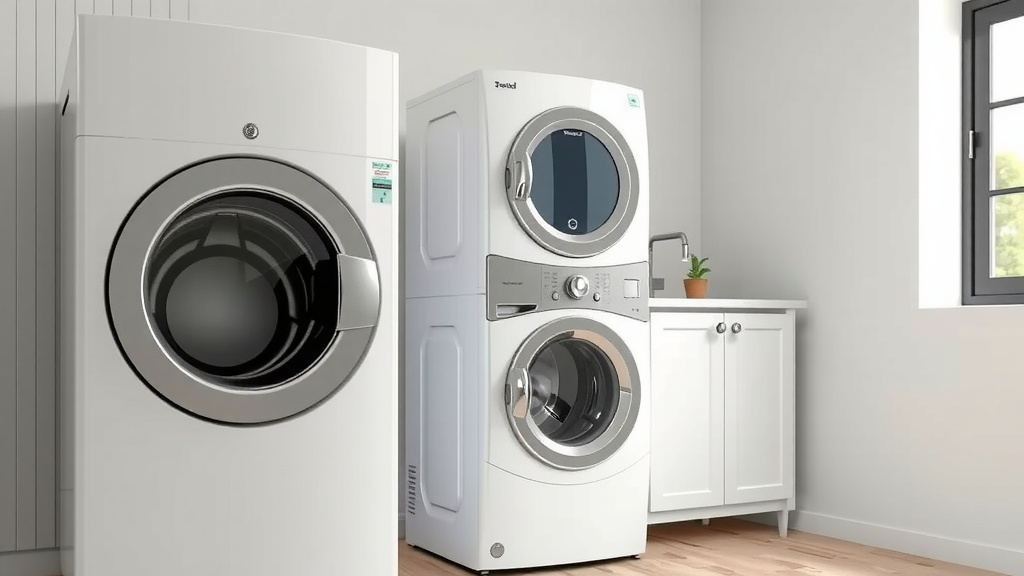
Stackable washer and dryer units typically stand around 70 to 80 inches tall. This height includes both the stacked washer and dryer, plus any necessary clearance above. Many common models fall within this standard height range, but it’s wise to check specific dimensions.
When considering a stackable set, your total laundry room space is key. You’re not just looking at height, but also the width and depth required. Understanding these measurements will help you avoid any surprises when it’s time for installation. We found that proper planning prevents common headaches.
- Stackable washer and dryer heights usually range from 70 to 80 inches.
- This measurement includes both units stacked.
- Always check the specific model’s dimensions.
- Don’t forget to account for width and depth needs.
- Proper measurements ensure a perfect fit for your space.
Let’s walk through the typical dimensions and what you should measure to ensure a perfect fit for your laundry needs.
Understanding Stackable Washer & Dryer Height Requirements
So, you’re looking at stackable washer and dryer units and wondering about their height. It’s a great question because space is often the biggest factor when choosing these appliances. We found that most stackable units fall into a pretty consistent height range, which makes planning a bit easier.
Generally speaking, you can expect a stacked washer and dryer unit to measure around 70 to 80 inches tall. This measurement accounts for both the washer and the dryer, one stacked on top of the other. Think of it as needing ceiling space similar to a tall doorway or a standard closet height.
Typical Dimensions for Stackable Sets
While height is a major concern, it’s good to have a general idea of the other dimensions too. This helps you visualize how much floor space and wall space you’ll need. We’ve seen that most stackable units are designed to fit into common laundry nook sizes.
Overall Height: The Big Picture
As mentioned, the 70 to 80 inches figure is your go-to for the total stacked height. This range is pretty standard across many brands and models. It’s crucial to remember that this is the *appliance height*. You’ll still need a little extra room above for things like venting or electrical connections, depending on your setup.
Width and Depth: Don’t Forget These!
Now, let’s talk width and depth. Most stackable washer and dryer pairs share a similar width. Typically, you’ll find they are about 27 to 30 inches wide. This is often comparable to the width of a standard standalone washing machine.
Depth is also important. Stackable units usually range from 30 to 34 inches deep. This measurement is from the front of the machine to the back. Make sure you account for the space needed to open the doors fully, especially if they are counter-balanced.
Factors Influencing Stackable Unit Height
You might be wondering if there are other things that affect the final height. While the 70-80 inch range is common, a few factors can make a slight difference. We found that considering these details can save you from installation headaches.
Washer vs. Dryer: Which Unit is on Top?
Typically, the dryer is placed on top of the washer. This configuration usually offers the most stable and common setup. However, some manufacturers might have specific guidelines or offer different stacking kits. It’s always best to confirm which unit goes where according to the manufacturer’s instructions.
Pedestals: Adding More Height
Some people opt for pedestals to raise their laundry units. Pedestals can add anywhere from 10 to 16 inches to the overall height of the stack. If you choose to use a pedestal, your total stacked height could easily go up to 90 inches or more. This is definitely something to consider if you have low ceilings or are particularly short.
Venting and Connections: The Hidden Inches
Don’t forget the practicalities of hooking everything up. The dryer vent hose needs space to connect and bend. Electrical outlets and water hookups also require clearance. We found that leaving at least 4 to 6 inches of space behind the units is a good rule of thumb for proper airflow and access.
Measuring Your Space: A Practical Checklist
Before you fall in love with a particular stackable set, it’s essential to measure your laundry area. Doing this upfront will prevent disappointment and ensure a smooth purchase and installation process. Here’s a quick guide to what you should measure:
- Total Height: Measure from your floor to the lowest point of your ceiling or any overhead cabinets.
- Width: Measure the width of the space available.
- Depth: Measure the depth of the space, allowing for door swings and clearances.
- Doorways: Measure the width of all doorways the unit will need to pass through to get to its final location.
- Ceiling Height at Entry: Check ceiling height in hallways and stairwells if your unit needs to navigate them.
Comparing Stackable Sets: A Quick Look
To give you a clearer picture, let’s look at some typical measurements you might encounter. Keep in mind these are general ranges, and specific models will vary. We found that comparing these figures can help narrow down your choices.
Here’s a table showing common dimensions:
| Appliance Component | Typical Width | Typical Depth | Typical Height (Stacked) |
|---|---|---|---|
| Stackable Washer Unit | 27 – 30 inches | 30 – 34 inches | 30 – 40 inches |
| Stackable Dryer Unit | 27 – 30 inches | 30 – 34 inches | 40 – 45 inches |
| Total Stacked Unit | 27 – 30 inches | 30 – 34 inches | 70 – 80 inches |
| Stackable Unit with Pedestal | 27 – 30 inches | 30 – 34 inches | 80 – 96 inches |
What If My Space is Tight?
If you’re working with a very small laundry closet or alcove, don’t despair! There are options. Some compact stackable units are designed for smaller spaces. We found that these can be as narrow as 24 inches wide.
These compact models might also have slightly different height specifications. It’s vital to check the manufacturer’s specs very carefully. A few inches can make a big difference when you’re trying to fit an appliance into a snug spot.
Ensuring Proper Clearance for Performance
Beyond just fitting the unit in, you need to think about clearance for operation and maintenance. Proper airflow is key to efficient drying and prevents your appliance from overheating. The American Society of Heating, Refrigerating and Air-Conditioning Engineers (ASHRAE) guidelines often recommend adequate ventilation for all appliances (ASHRAE).
We found that most manufacturers recommend at least 1 inch of clearance on the sides and back. For the top, it might be a bit more, especially if your dryer vents upwards. Always consult your specific appliance manual for recommended clearances.
Your Installation Day Confidence Boost
Knowing the exact height of stackable washer and dryer units is fundamental to a successful installation. By understanding the typical ranges and considering factors like pedestals and venting, you can confidently select a unit that fits your needs and your space. Remember, those 70-80 inches are a great starting point, but always measure your own home.
Conclusion
You’ve learned that stackable washer and dryer units typically stand between 70 and 80 inches tall. This measurement is key for planning your laundry space. Remember to account for potential additions like pedestals, which can add significant height. Also, don’t forget those vital inches for venting and electrical connections.
Before you buy, measure your space thoroughly, including doorways for delivery. Armed with these dimensions and considerations, you’re ready to choose a stackable set that perfectly fits your home and laundry needs.
Frequently Asked Questions
Can I stack a regular washing machine and dryer?
Generally, you cannot stack a standard, non-stackable washing machine and dryer. Stackable units are specifically designed with reinforced frames and secure fastening systems to safely support the weight of the top appliance. Regular units aren’t built for this kind of vertical load.
Will a stackable unit fit under a standard 8-foot ceiling?
Yes, most stackable washer and dryer units are designed to fit comfortably under an 8-foot ceiling. The typical stacked height of 70-80 inches leaves ample room, even after accounting for necessary clearances. Always double-check the specific model’s height against your ceiling measurement.
How much space do I need behind a stackable washer and dryer?
You’ll want at least 4 to 6 inches of space behind your stackable units. This clearance is essential for proper airflow, preventing overheating, and allowing easy access for venting connections and electrical plugs. Always consult your appliance’s manual for exact recommendations.
What if I have very low ceilings, like in a basement?
If you have very low ceilings, look for compact or apartment-sized stackable units, which tend to be shorter. You might also need to forgo pedestals and ensure your chosen model’s height, plus any necessary clearances, fits within your available space. Careful measurement is crucial here.
Does the washer or dryer unit usually go on top?
Typically, the dryer unit is placed on top of the washing machine. This configuration is standard because washers are generally heavier and provide a more stable base for the dryer. Always follow the manufacturer’s stacking kit instructions to ensure correct and safe installation.