How to Stack Your Washer and Dryer Safely
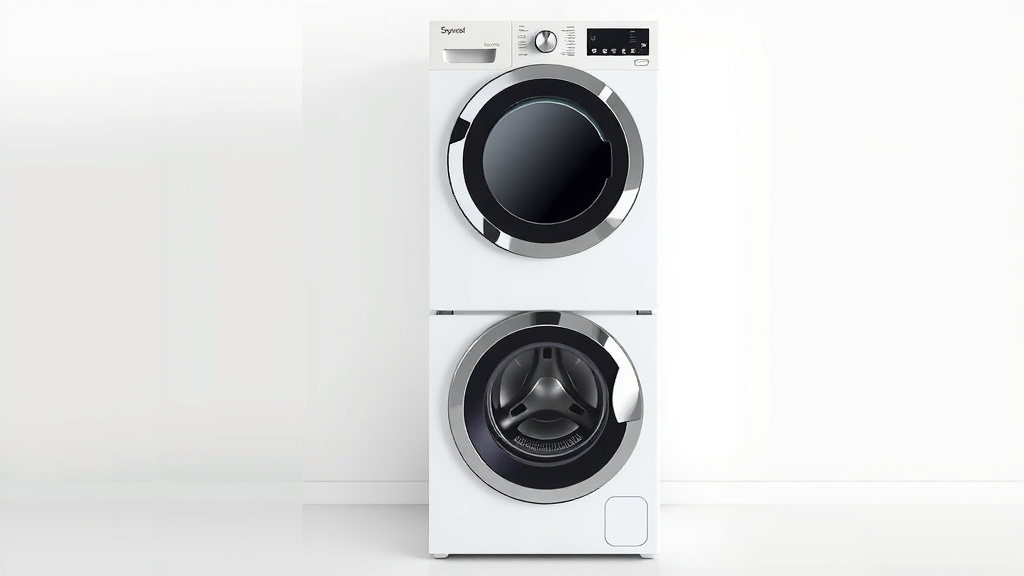
Yes, you can absolutely make your washer and dryer stackable, and it’s a fantastic way to save precious floor space in your home. Most modern laundry appliances are designed with stacking in mind, especially front-loading models. You’ll typically need a stacking kit to securely connect them.
Transforming your laundry area often involves vertical organization. Stacking allows you to fit both appliances into a smaller footprint. It’s a smart solution for apartments, condos, or even just tight laundry rooms. Many homeowners find it makes their space feel much larger and more functional.
TL;DR:
- Yes, stacking your washer and dryer is possible.
- Front-loaders are best for stacking.
- You’ll need a special stacking kit.
- It saves a lot of floor space.
- It can make laundry day easier.
Let’s walk through exactly how you can get your washer and dryer stacked up safely and securely!
Achieving a Stacked Washer and Dryer Setup
You’re wondering if you can stack your washer and dryer. The short answer is a resounding yes! This is a popular solution for maximizing space in homes of all sizes. Most modern front-loading washers and dryers are designed with stacking in mind. It’s not as complicated as you might think. We’ll guide you through the steps to make it happen safely.
Think of it like building upwards instead of outwards. Stacking uses the vertical space your laundry appliances already occupy. This frees up valuable floor area. It can make a cramped laundry room feel much more open. Many people find it simplifies their laundry routine too. Let’s get started on making your laundry setup work for you.
Before You Stack: Essential Considerations
Compatibility Check: Is Your Washer and Dryer Stackable?
The first and most important step is checking if your appliances are designed for stacking. Most front-loading washers and dryers are. Top-loading machines generally are not. They have controls on the top, which would be awkward and unsafe to reach. They also aren’t built with the structural integrity for a heavy dryer on top.
You can usually find this information in your appliance’s user manual. Look for terms like “stackable” or specifications about stacking kits. If you can’t find the manual, check the manufacturer’s website using your appliance’s model number. It’s crucial to confirm this before buying any accessories. Stacking incompatible machines can lead to damage or accidents.
Appliance Dimensions and Weight Limits
Once you know they’re stackable, check the dimensions. Ensure the dryer is roughly the same width and depth as the washer. This is essential for a stable and secure fit. Also, note the weight of each appliance. The washer typically goes on the bottom because it’s heavier and has a wider base. The dryer rests on top. Your stacking kit will also have weight limits, so make sure your machines are well within those.
Research suggests that a front-load washer can weigh over 200 pounds when empty. A dryer is often lighter but still substantial. You want to be sure the floor can support this combined weight. For most homes, this isn’t an issue, but it’s good to be aware. Always place the heavier appliance on the bottom for maximum stability.
Installation Space Requirements
Measure your laundry space carefully. You need enough height for both appliances plus the stacking kit. You also need adequate clearance around the machines for ventilation and access. Ensure there’s enough room to open the doors fully. You’ll need space for electrical outlets and water hookups. Don’t forget about access for maintenance or repairs.
Many experts recommend at least 6 inches of clearance on all sides for proper airflow. This is especially important for the dryer vent hose. Good ventilation helps prevent overheating and extends the life of your appliances. Think about how you’ll move the machines in and out of the space too. It can be a tight squeeze!
The Stacking Process: Step-by-Step
Gathering Your Supplies
You’ll need a few key items. First, the stacking kit specific to your washer and dryer brand. These kits are designed to securely fasten the two units together. They often include brackets, screws, and sometimes a special mounting plate. You’ll also need basic tools like a screwdriver, a level, and potentially a drill.
Make sure you have the correct screws for mounting. The kit might provide them, but sometimes you need to use screws suitable for your wall type if the kit requires wall anchoring. Always double-check what’s included and what you might need to buy separately. A good set of basic tools makes the job much easier.
Positioning the Washer and Dryer
Start by placing the washer in its final position. Ensure it’s level using a spirit level. You might need to adjust the machine’s feet. A level washer prevents vibrations and uneven wear. Once the washer is perfectly level and in place, it’s time to position the dryer.
Carefully lift or slide the dryer next to the washer. You might need a helper for this step, as dryers can be awkward to maneuver. Align the dryer so it sits directly on top of the washer. Double-check that the edges are flush and that the dryer is centered. This alignment is critical for stability and for the stacking kit to work correctly.
Installing the Stacking Kit
Follow the manufacturer’s instructions for your specific stacking kit. Typically, you’ll attach brackets or a mounting plate to the back of the appliances. Some kits involve securing the dryer to the washer using straps or brackets that go around the top and back. Others might require screwing through the back of the dryer into the washer’s top panel.
The goal is to create a secure connection that prevents the dryer from shifting or tipping. This is where using a level again is important. Ensure the dryer is level on top of the washer before you fully tighten any screws. Many kits also include a bracket that secures the entire unit to the wall for added safety, especially in earthquake-prone areas or for added peace of mind.
Securing the Vent Hose and Power Cords
Once the units are stacked and secured, connect the dryer vent hose. Ensure it’s not kinked or crushed. A kinked hose restricts airflow and can be a fire hazard. We found that proper vent connection is a key safety measure. Make sure the vent terminates safely outside your home. Then, connect the power cords for both appliances.
It’s a good idea to use surge protectors for your appliances if possible. Arrange the cords neatly to avoid tripping hazards. Ensure they aren’t pulled too tight or stressed. Proper cord management contributes to a tidy and safe laundry area.
Common Stacking Kit Types
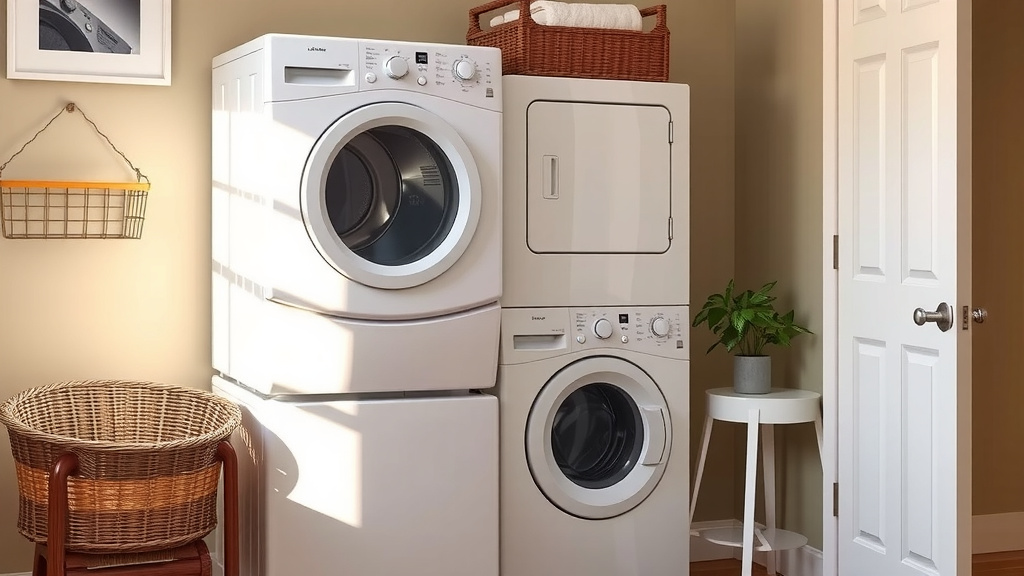
You’ll find a few main types of stacking kits on the market. The most common is a metal bracket system. These kits usually include angled metal brackets that screw into the back of both appliances, connecting them firmly. Some brackets are designed to go over the top edge of the washer and screw into the dryer.
Another type is a strap system. These use heavy-duty straps that wrap around the appliances and are tightened to secure them. They are often used for machines that might not have specific mounting points on the back. Lastly, some manufacturers offer custom-fit platforms or drawers that sit between the washer and dryer. These can add a bit of extra storage but ensure they are rated for the weight and designed for stacking.
Here’s a quick look at what you might find:
| Kit Type | Description | Pros | Cons |
|---|---|---|---|
| Metal Brackets | Screws into appliance backs, creating a rigid connection. | Very secure, permanent connection. | Requires drilling into appliances. |
| Strap Systems | Heavy-duty straps that cinch appliances together. | Easier to install, less invasive. | May feel less secure than rigid brackets. |
| Platform/Drawer | A platform that sits between units, often with storage. | Adds storage, can simplify installation. | More expensive, adds height. |
Safety First: Your Stacking Checklist
Before you begin, let’s run through a quick safety checklist. Have you?
- Confirmed your washer and dryer are front-loading and designed for stacking?
- Verified the dimensions of your appliances fit together and within your space?
- Purchased the correct, manufacturer-recommended stacking kit?
- Ensured your floor can support the combined weight of both machines?
- Gathered all necessary tools and read the instructions for your stacking kit?
- Planned for proper dryer venting and electrical connections?
Going through this list will help ensure a smooth and safe installation. Remember, safety is the top priority. If anything feels uncertain, don’t hesitate to consult a professional.
Conclusion
You’re now equipped to transform your laundry space by stacking your washer and dryer. We’ve covered confirming compatibility, checking dimensions, and the essential steps using a stacking kit. Remember, a secure setup ensures safety and makes your laundry area much more efficient. Following these guidelines will help you reclaim valuable floor space and create a more functional home. Your next step is to gather your tools, find the right stacking kit, and get ready to enjoy your new, organized laundry setup!
Frequently Asked Questions
What if my washer and dryer are not front-loading?
If your appliances are top-loading, they are generally not designed for stacking. Their control panels are on top, and they lack the structural support needed for a dryer above. In this case, you’ll need to explore other space-saving solutions like wall-mounting shelves or a different appliance configuration.
How do I know if my specific washer and dryer models are stackable?
The best way to confirm is to check your appliance’s user manual for terms like “stackable” or information about stacking kits. If you can’t find the manual, search the manufacturer’s website using your model numbers for specifications or compatibility details.
Can I use a universal stacking kit if one isn’t made for my brand?
While universal kits exist, it’s always best to find one specifically recommended by your appliance manufacturer. Universal kits may not offer the same secure fit or structural integrity. Research and found that a brand-specific kit ensures the safest and most stable connection for your units.
How much clearance do I need around stacked units?
Experts recommend at least 6 inches of clearance on all sides for proper ventilation, especially for the dryer vent hose. This airflow helps prevent overheating and prolongs appliance life. Ensure you also have enough space to open the doors fully and access hookups.
What happens if the dryer isn’t perfectly level on top of the washer?
An uneven dryer can cause excessive vibration, which is noisy and can lead to premature wear and tear on both appliances. It also compromises the stability of the stacked unit. Always use a level to ensure the washer is perfectly level on the floor, and then ensure the dryer is level on top before securing it with the stacking kit.