New Washing Machine: What Key Features to Consider
Buying a new washing machine can feel overwhelming, but focusing on a few key features will help. Look for energy efficiency, the right capacity for your household size, and a reliable brand when shopping. These factors ensure you get a machine that cleans well, saves you money, and lasts for years to come.
Beyond the basics, consider the types of cycles you’ll actually use. Do you need heavy-duty options or just standard washes? Think about noise levels and whether you have space for a top-loader or front-loader. We found that understanding your personal laundry habits makes choosing much simpler.
TL;DR:
- Check energy efficiency ratings to save on bills.
- Match machine capacity to your household size.
- Prioritize brands with good repair records.
- Consider wash cycles you’ll genuinely use.
- Think about available space for top or front loaders.
Let’s walk through exactly what you should be looking for to find the perfect washing machine for your home.
Key Things to Consider When Shopping for a New Washer
Choosing a new washing machine might seem like a big decision. But we’re here to break down exactly what matters most. You want a machine that gets clothes clean. You also want it to be easy on your wallet and your home. Let’s dive into the essential features. Our guide to the cost of a new washing machine can help you budget.
Understanding Washing Machine Types and Features
Capacity: How Much Laundry Do You Actually Do?
This is one of the first things to think about. How many people live in your home? Do you have a large family with lots of tiny clothes? Or are you a solo dweller with just a few items each week? Washing machine capacities are measured in cubic feet. A good rule of thumb: smaller households (1-2 people) might be fine with 2.0 to 3.5 cubic feet. Larger families (3-5 people) will likely need 3.5 to 5.0 cubic feet. Families of six or more might consider 5.0 cubic feet and up. Picking the right size means you won’t have to run as many loads. This saves water, energy, and your precious time.
Top-Loaders vs. Front-Loaders: The Big Debate
You’ll see two main styles: top-loaders and front-loaders. Both have their pros and cons. Let’s look at them closely.
Top-Loaders: Easy Access and Familiarity
Top-loading machines are often more budget-friendly. They’re also generally easier to load and unload. You don’t have to bend over as much. Many people are used to them. They typically have shorter wash cycles than front-loaders. However, they tend to use more water and energy. The agitator, the central post in some models, can be rough on delicate fabrics. High-efficiency (HE) top-loaders are available. They use less water and don’t have a central agitator, offering a gentler clean.
Front-Loaders: Efficiency and Gentler Care
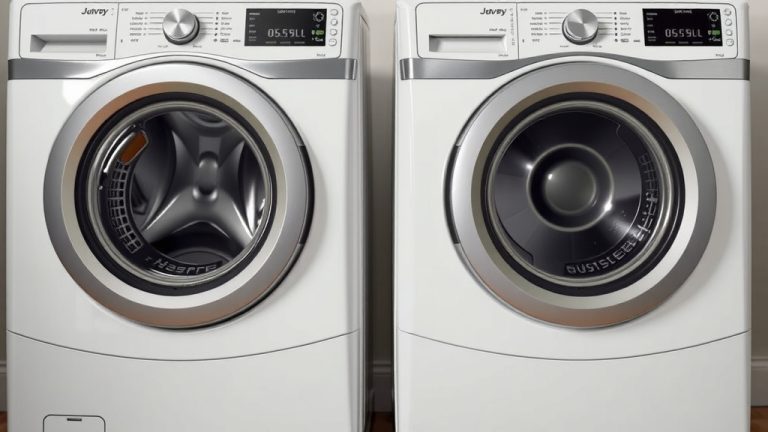
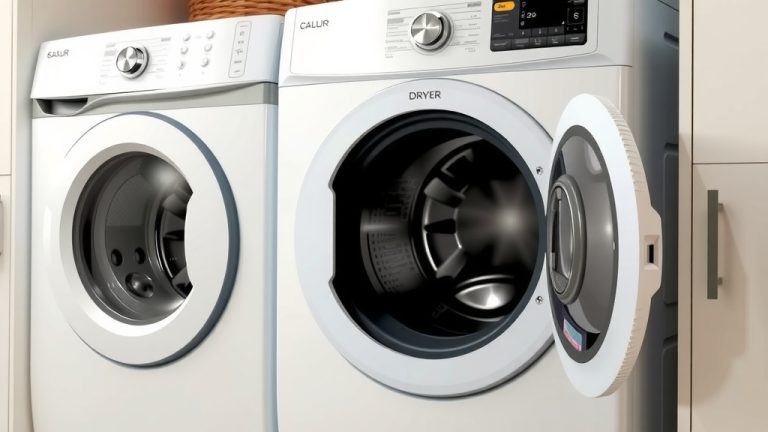
Front-loaders often use less water and energy. They spin clothes faster, which means less time in the dryer. This can save you money on utility bills. Many studies show they are also gentler on your clothes. This is because they tumble items rather than rubbing them against an agitator. The downside? They can be more expensive upfront. They also typically have longer wash cycles. You’ll need to bend down to load them. Some people find they can develop odors if not maintained properly. Leaving the door ajar after use helps prevent this (Cleveland Clinic).
Energy Efficiency: Saving Green While Going Green
Look for the ENERGY STAR label. Machines with this certification use less energy and water. This is good for the environment and your utility bills. Energy Star certified washing machines use at least 50% less water and 75% less energy than older models. Over the life of the machine, these savings add up significantly. You’ll want to check the CEE Tier rating too. Higher tiers mean better energy and water savings. It’s a simple way to make a smart choice for your home and the planet.
Wash Cycles and Settings: Do You Need Them All?
Think about your typical laundry needs. Do you wash a lot of heavy-duty items like work clothes or bedding? Or are most of your loads standard cottons and synthetics? Most machines offer basic cycles like Normal, Delicates, and Heavy Duty. Many also include specialized cycles for things like bulky items, sportswear, or quick washes. Some offer steam cleaning for sanitizing or wrinkle reduction. Consider if you’ll actually use these extra settings. More complex cycles can sometimes mean a higher price tag. Match the cycles to your lifestyle for optimal performance.
Special Features to Consider
Some washers come with cool extra features. Smart features let you control your washer via an app on your phone. You can start, stop, or get notifications. This can be super convenient if you’re often away from home. Others offer automatic detergent dispensers. These store a larger amount of detergent. The machine then dispenses the right amount for each load. This saves detergent and ensures better cleaning. Think about whether these bells and whistles are worth the extra cost for you.
Reliability and Maintenance: A Long-Term View
Brand Reputation Matters
When buying any major appliance, brand reputation is important. We found that certain brands consistently rank high for reliability and customer satisfaction. Look for brands that have good reviews for durability and customer service. Check consumer reports or online reviews. A reliable brand means fewer headaches down the road. You want a washer that performs well for years, not months. Research brands that have a history of solid performance.
Noise Levels: Is Your Washer a Silent Helper or a Roaring Monster?
Washers can be noisy. If your laundry room is near a living area, noise level is a big consideration. Some models are designed to be quieter than others. Look for machines with features like vibration reduction systems. Some manufacturers even provide decibel ratings. Reading reviews can give you a good idea of how noisy a particular model is in real-world use. You don’t want your washing cycle to sound like a jet engine taking off!
Maintenance Tips for Longevity
No matter which washer you choose, proper maintenance is key. Regularly clean the detergent dispenser and the drum. For front-loaders, wipe down the door seal and leave the door slightly ajar between washes. This prevents mold and mildew buildup. Check your machine’s manual for specific cleaning recommendations. Keeping your washer clean will help it run efficiently and last longer.
Final Checklist Before You Buy
Before you head to the store or click “buy online,” quickly run through this list:
- Does the capacity fit your household size?
- Is it a top-loader or front-loader that suits your needs and space?
- Does it have an ENERGY STAR rating for efficiency?
- Are the wash cycles suitable for your typical laundry?
- What is the brand’s reputation for reliability?
- Are there any noise reduction features that are important to you?
Conclusion
You’re now ready to choose your next washing machine with confidence. Remember to match the capacity to your household’s needs and decide between a convenient top-loader or an efficient front-loader. Always look for that ENERGY STAR rating to save on utility bills and consider the wash cycles you’ll actually use. Prioritizing reliable brands and thinking about noise levels will ensure you find a machine that serves your family well for years. Your next step is to visit a retailer or browse online, keeping these key factors in mind to make the perfect purchase for your laundry room.
Frequently Asked Questions
How often should I clean my washing machine?
It’s a good practice to clean your washing machine monthly. Wipe down the door seal and leave the door ajar on front-loaders between washes. Regularly cleaning the detergent dispenser and drum prevents buildup and keeps your machine running efficiently.
Are front-loaders really more efficient than top-loaders?
Generally, yes. Front-loaders tend to use less water and energy because they rely on tumbling action and high-speed spins. This efficiency can lead to noticeable savings on your utility bills over time.
What does a “HE” washing machine mean?
“HE” stands for High-Efficiency. HE washing machines use less water and energy compared to traditional models. They often use a different cleaning action, like tumbling, and require specific HE detergents.
Is a smart washing machine worth the extra cost?
That depends on your lifestyle. Smart features, like app control and notifications, can be very convenient if you’re often away from home or like to monitor your laundry remotely. For others, the basic functions are perfectly sufficient.
How do I choose the right capacity for my family?
Consider the number of people in your household. For 1-2 people, a smaller capacity is usually fine. Larger families or those who do big loads of towels and bedding will benefit from a larger capacity machine to reduce the number of cycles needed.