High Efficiency Washer vs Standard: Which is Better?
When comparing high-efficiency washers versus older models, **high-efficiency (HE) washers are the clear winner** for most households. They use significantly less water and energy, which can lead to lower utility bills over time. While the initial cost might be higher, the long-term savings and environmental benefits make HE machines a wise choice for your laundry needs. This can lead to lower utility bills over time; our guide to new washing machine costs explains the price ranges.
Choosing the right washing machine involves looking at more than just cleaning power. You’ll want to consider factors like water usage, energy consumption, and cost savings. Older, standard washing machines often consume much more water per load. This difference adds up, especially if you do a lot of laundry. Many people wonder if the extra expense for an HE model is truly worth it.
- HE washers use less water and energy.
- This can lead to lower utility bills.
- Older machines use much more water.
- HE models often clean just as well.
We found that understanding these differences can help you make the best decision for your home. Let’s dive into the details of high-efficiency washers versus their less efficient counterparts.
Comparing HE Washers to Traditional Models: What’s the Difference?
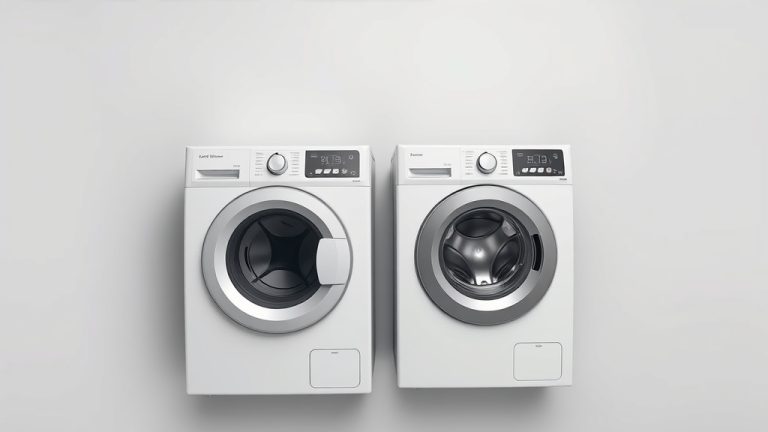
When you’re looking at new washing machines, you’ll likely see two main types: high-efficiency (HE) and traditional. The biggest difference boils down to how they use water and energy. We found that HE machines are designed to use much less of both. This makes them a more environmentally friendly and cost-effective choice for most homes.
How Traditional Washers Work (and Why They Use So Much Water)
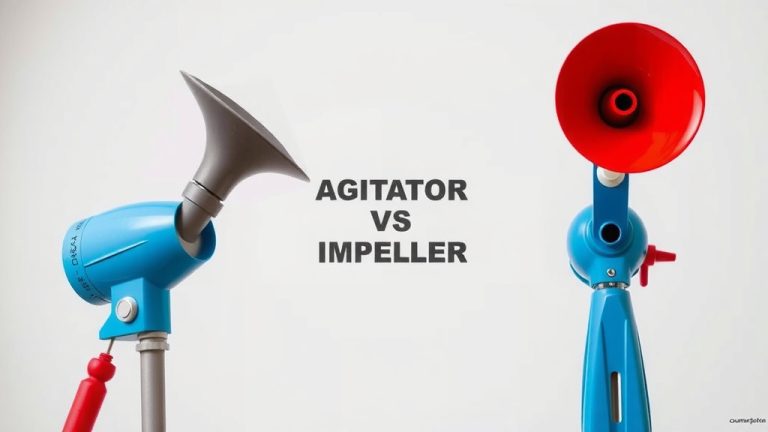
Think back to your old washing machine. You probably remember filling it up with water, right? Traditional washers, also called top-loaders, use a lot of water. They need enough water to completely submerge your clothes. This is often referred to as an “antic” or “agitator” wash cycle. The agitator is that central post in many older machines. It spins around and moves your clothes through the water. While this method can get clothes clean, it’s a real water guzzler. We found that some traditional machines can use up to 40 gallons of water per load. That’s a lot of water running down the drain!
What Makes High-Efficiency Washers Different?
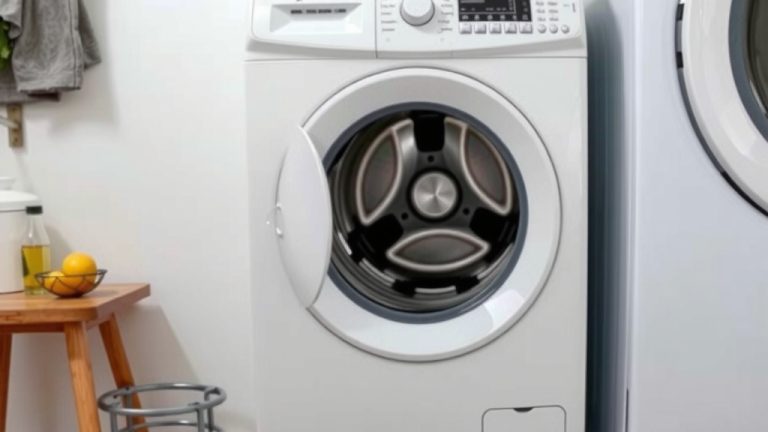
High-efficiency washers operate on a different principle. They’ve been engineered to clean clothes with a lot less water. There are two main types of HE washers: front-loaders and top-loaders. Front-loading HE machines are the most common. They tumble clothes through a small amount of water and detergent. Think of it like a gentle workout for your clothes. HE top-loaders exist too, but they don’t have the central agitator. Instead, they often use a low-profile impeller at the bottom of the drum. This also moves clothes through less water. Many experts say this tumbling or impeller action is just as effective at removing dirt and stains (Consumer Reports). HE top-loaders exist too, but they don’t have the central agitator; our guide to top-rated top-loading washers can help you compare.
Water Savings: A Big Win for HE
The most striking difference is water usage. Traditional machines can use 30-40 gallons per load. HE machines, on the other hand, typically use between 10-25 gallons. This significant reduction in water use adds up quickly. If you do several loads of laundry each week, you’ll notice the difference on your water bill. We found that this water efficiency is a primary reason why HE washers are becoming the standard.
Energy Consumption: HE Leads the Way
It’s not just water that HE washers save. They also use less energy. How so? Well, heating water for laundry is a big energy draw. Since HE machines use less water, they need less energy to heat it. Additionally, HE machines often have higher spin speeds. This means your clothes come out of the wash much drier. When clothes are drier, they spend less time in the dryer. That translates to lower energy bills from your dryer too. Many studies show HE washers can cut down on your total household energy consumption by 10-15% (Energy Star).
| Washer Type | Water Usage (Gallons) | Energy Usage (kWh) |
|---|---|---|
| Traditional Top-Loader | 30-40 | 0.8 – 1.2 |
| High-Efficiency (HE) Front-Loader | 10-25 | 0.3 – 0.6 |
| High-Efficiency (HE) Top-Loader | 15-30 | 0.4 – 0.7 |
What About Cleaning Performance?
You might be wondering if using less water means less clean clothes. We found that for most everyday laundry needs, HE washers do an excellent job. The tumbling action in front-loaders and impeller action in HE top-loaders are very effective at lifting dirt away. Some very tough, set-in stains might require pre-treatment, but that’s often the case with any washing machine. Many HE models offer different wash cycles and settings to handle various fabric types and soil levels. We discovered that customer satisfaction with HE cleaning performance is generally very high.
Detergent Needs: A Small Adjustment
One thing to keep in mind with HE washers is the detergent. Because they use less water, you need to use less detergent. In fact, you should only use detergents specifically labeled “HE.” Using regular detergent can create too many suds. This can lead to residue on your clothes and even damage the machine over time. It’s a small change, but important for optimal performance and machine longevity. We found that HE detergents are readily available and often cost-comparable to regular ones.
Cost: Initial Investment vs. Long-Term Savings
Let’s talk about the price tag. Generally, HE washers have a higher upfront cost than traditional models. However, this is where the long-term savings really shine. The reduced water and energy bills can help you recoup the initial investment over several years. We found that the payback period varies depending on your utility rates and how much laundry you do. Some government and utility companies also offer rebates or incentives for purchasing energy-efficient appliances. It’s worth checking if any are available in your area.
Is an HE Washer Right for You? A Quick Checklist
To help you decide, consider these points:
- Do you want to save money on your water and energy bills?
- Are you looking for a more environmentally friendly appliance?
- Do you do multiple loads of laundry per week?
- Are you willing to use HE-specific detergent?
- Do you have the budget for a slightly higher initial purchase price?
- Do you want clothes to come out of the wash with less moisture?
If you answered “yes” to most of these, an HE washer is likely a great fit for your household. We found that for the vast majority of people, the benefits of high-efficiency washing machines outweigh the initial costs and minor adjustments required.
Conclusion
You’ve seen how high-efficiency (HE) washers stand out against older models. They are champions of water and energy conservation. This means real savings on your utility bills over time. While the upfront cost might seem higher, the long-term benefits are clear. HE machines offer excellent cleaning performance with fewer resources. If you’re looking for a smarter, greener, and more cost-effective way to do laundry, an HE washer is your best bet. Make the switch and start saving today!
Frequently Asked Questions
Do HE washers really clean clothes as well as traditional ones?
Yes, research and customer feedback generally show that HE washers clean very effectively. The tumbling action in front-loaders and impeller action in HE top-loaders are designed to lift dirt and stains. You might need to pre-treat very tough, set-in stains, but this is often true for any washer.
What happens if I use regular detergent in an HE washer?
Using regular detergent in an HE washer can create too many suds. This can lead to detergent residue on your clothes and inside the machine. Over time, excessive suds can even damage your HE washer. Always use detergents specifically labeled “HE” for best results.
Are HE washers more expensive to maintain?
Generally, HE washers are not more expensive to maintain. In fact, using less water and energy can lead to lower utility bills. While some specialized parts might exist, regular maintenance is similar to traditional machines. The key is using the correct HE detergent and following manufacturer guidelines.
How long does it take for an HE washer to pay for itself?
The time it takes for an HE washer to pay for itself depends on your utility rates and how much laundry you do. We found that for many households, the savings on water and energy bills can offset the higher initial cost within 3-7 years. Checking for local rebates can speed up this payback period.
Can I wash large or bulky items in an HE washer?
Yes, most HE washers can handle large and bulky items like comforters or sleeping bags. Front-loading HE machines are particularly good at accommodating these items without an agitator taking up space. Always check your owner’s manual for specific capacity guidelines.