Portable Washer: Your Guide to Compact Laundry Solutions
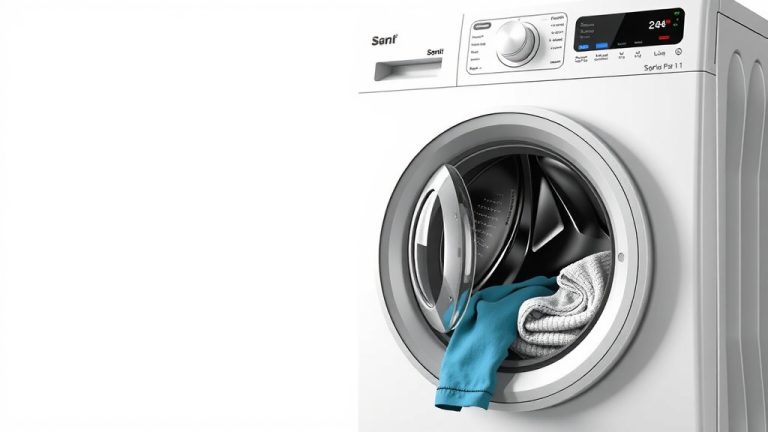
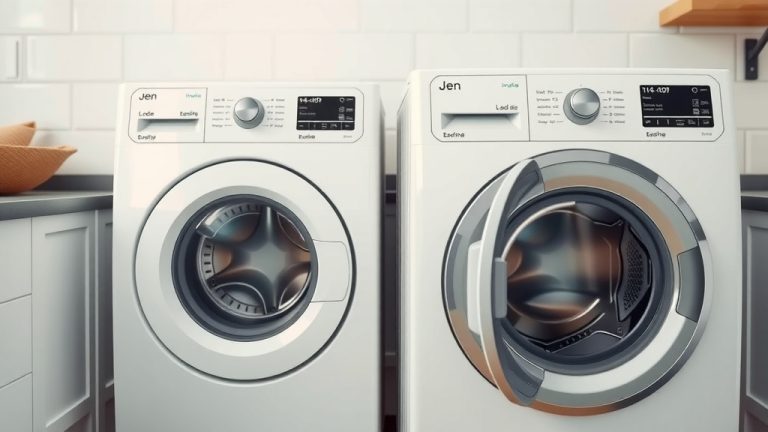
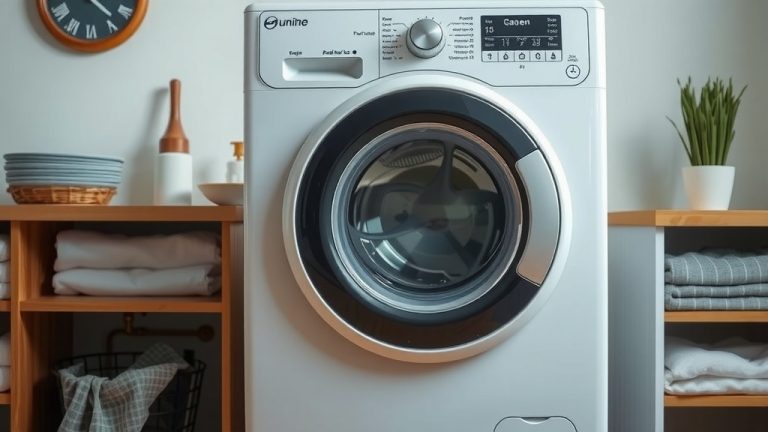
A portable washer is a compact, usually electric washing machine designed for small spaces or temporary use. Think of it as your personal, space-saving laundry solution. Many models connect to a standard faucet and drain into a sink, making them incredibly versatile for apartments, RVs, dorm rooms, or even just small bathrooms. They are a fantastic way to handle laundry without needing a dedicated hookup or large appliance.
These handy devices have gained popularity because they solve a common problem: the lack of in-home laundry facilities. We found that they offer a convenient alternative to laundromats or bulky machines. Many portable washers are surprisingly effective for their size and can handle everyday loads of clothes, towels, and bedding.
TL;DR:
- A portable washer is a small, often electric washing machine.
- It’s great for apartments, RVs, and dorms.
- Easy to connect and use; no permanent hookups needed.
- A convenient laundry alternative for small spaces.
Now that you know what a portable washer is, let’s dive into the different types available and what makes them tick.
Understanding Your Portable Washing Machine Options
So, you’re curious about these handy contraptions, aren’t you? A portable washer, at its heart, is a compact laundry machine. It’s designed for people who don’t have the space or hookups for a full-sized washer. Think of it as a miniature laundry room you can tuck away when you’re done. They are incredibly useful for a variety of living situations, from tiny apartments to sprawling RVs.
How Do These Compact Cleaners Actually Work?
It’s simpler than you might imagine. Most portable washers connect to your existing faucet with an adapter. This is how they get water. They then drain using a hose that can usually be placed in a sink or bathtub. This clever setup means no permanent plumbing changes are needed. You just hook it up when you need it and disconnect it when you’re finished. It’s a flexible laundry solution for many.
Water Inlet: The Faucet Connection
The magic begins with the water supply. A special hose attaches to your kitchen or bathroom faucet. Many models come with a universal adapter. You simply screw it onto the faucet. Then, you connect the washer’s hose to this adapter. It’s a straightforward process that typically takes just a few minutes. You control the water flow by turning your faucet on and off. We found this to be a user-friendly system.
Water Outlet: Draining the Dirty Water
Once the wash and rinse cycles are complete, the machine needs to drain. A flexible drain hose extends from the unit. You can position this hose to empty into a nearby sink, shower stall, or bathtub. Some units even have pumps to help push the water out. This gravity-fed or pumped drainage is key to their portability. You don’t need a dedicated drain pipe like a standard washer.
Types of Portable Washers: What’s Out There?
Portable washers aren’t a one-size-fits-all product. We see a few main categories emerge based on their features and capacity. Understanding these differences will help you pick the perfect one for your needs. It’s all about matching the machine to your laundry habits and available space. Your laundry day will thank you for making the right choice!
Single Tub Models: Simple and Effective
These are often the most basic and budget-friendly options. A single tub model handles both washing and spinning in the same drum. You’ll manually move clothes from the wash cycle to the spin cycle. Some people find this a bit more hands-on, but it’s a solid performer for small loads. They are typically smaller and lighter, making them easy to store.
Two Tub Models: Wash and Spin Separately
These units offer a bit more convenience. They have two separate tubs: one for washing and one for spinning. You wash your clothes in the first tub. Then, you transfer them to the second tub for spinning to remove excess water. This separation means you can often wash a second load while the first is spinning. This dual-tub design can speed up your laundry process.
Combo Washer-Dryer Units: The All-in-One Solution
If you want the ultimate convenience, a portable washer-dryer combo might be for you. These machines wash your clothes and then dry them, all in a single unit. They are usually a bit larger and more expensive. However, they eliminate the need for a separate dryer or hanging clothes to dry. This all-in-one functionality is a huge space saver.
Spin Only Dryers: A Little Extra Help
While not a full washer, a spin-only dryer is a common accessory for those using very basic wash methods. These compact machines are designed solely to spin clothes at high speeds. This removes a significant amount of water. It drastically reduces drying time when used after hand-washing or using a portable washer without a strong spin cycle. It’s a great addition for anyone looking to speed up air-drying.
Key Features to Consider When Buying
When you’re browsing for a portable washer, a few features stand out as particularly important. We’ve researched common considerations that users prioritize. Thinking about these points upfront can save you a lot of hassle later. Your goal is to find a machine that fits your lifestyle and makes laundry less of a chore.
Capacity: How Much Can It Hold?
Portable washers come in various sizes, measured by how many pounds of laundry they can handle. A small capacity might be around 5-6 pounds, perfect for one or two people. Larger units can go up to 10-12 pounds, suitable for small families or heavier laundry items like towels. Consider how much laundry you do at once. It’s better to have a little extra capacity than not enough.
Dimensions and Weight: Where Will It Live?
Since space is often the reason you’re looking at a portable washer, its physical size and weight are crucial. Measure the spot where you plan to keep it. Think about how easily you can move it to and from storage. Some are light enough to lift onto a shelf, while others are best left on the floor. A compact design is key for easy storage.
Spin Speed: How Dry Will Clothes Be?
The spin speed, often measured in Revolutions Per Minute (RPM), determines how much water is extracted. Higher RPMs mean drier clothes, which means less drying time. If your portable washer has a strong spin cycle, you might not need a separate spin-only dryer. We found that higher RPMs (around 1000+) generally lead to better results.
Noise Level: Is It Disruptive?
Some washing machines can be quite loud. If you live in close quarters, like an apartment building or RV, noise can be a major concern. Look for models that advertise quiet operation. Reading reviews from other users can also give you a good idea of how noisy a particular machine is during its cycles.
Making the Most of Your Portable Washer
Once you have your portable washer, using it efficiently makes all the difference. It’s not just about plugging it in and walking away. A little attention to detail can improve your laundry results. We’ve found that a few simple practices can significantly enhance the user experience. Happy washing!
- Read the manual thoroughly. Every machine is slightly different.
- Don’t overload the drum. This is key for effective cleaning and spinning.
- Balance the load before spinning. This prevents excessive shaking and noise.
- Use the right amount of detergent. Too much can cause excess suds and residue.
- Clean the lint filter regularly. This keeps the machine running efficiently.
- Allow the machine to air out after use. This helps prevent mildew.
Conclusion
You’ve learned that a portable washer is a smart solution for anyone needing laundry facilities without the fuss of permanent hookups. These compact machines offer flexibility for apartments, RVs, and small homes. By understanding the different types and key features, you can find the perfect fit for your space and laundry needs. Don’t let limited space stop you from enjoying the convenience of at-home laundry. Start by measuring your available space and considering your typical laundry load size. Your perfect portable washer awaits!
Frequently Asked Questions
Can a portable washer handle a full load of laundry?
Portable washers typically have smaller capacities than standard machines, usually ranging from 5 to 12 pounds. You’ll need to adjust your expectations and potentially do smaller, more frequent loads. It’s always best to check the manufacturer’s recommended load size to ensure optimal cleaning performance and avoid overloading.
How long does a wash cycle typically take on a portable washer?
Wash cycle times can vary, but most portable washers complete a cycle in about 15 to 30 minutes. This is often faster than traditional machines because of their smaller size and simpler functions. Remember that rinse and spin cycles will add extra time to the overall process.
Do portable washers require special detergents?
No, you can generally use your regular laundry detergent with a portable washer. However, we found it’s important to use a high-efficiency (HE) detergent and only a small amount. Too much detergent can create excessive suds, making it harder for the machine to rinse effectively and potentially leaving residue on your clothes.
Are portable washers difficult to store when not in use?
Storage is usually quite straightforward. Most portable washers are designed to be lightweight and compact, allowing you to tuck them away in a closet, under a bed, or in a corner when they’re not needed. Some even have wheels or folding designs for easier transport and storage.
Can I use a portable washer in an RV?
Absolutely! Portable washers are very popular for RVs because they are energy-efficient and don’t require fixed plumbing. You can connect them to your RV’s water source (often via an adapter to an existing faucet) and drain them into a sink or shower. They provide the convenience of washing clothes on the go.