Front Load vs Top Load Washer: Which Is Best For You
When deciding between a front load vs top load washing machine, front loaders generally offer better cleaning performance and are more energy-efficient. Top loaders, especially HE models, are often quicker and more comfortable to load for many people. The best choice depends on your budget and laundry needs.
Many people wonder about the differences in water usage and gentleness on clothes. Front loaders often use less water, making them a more eco-friendly option. They also tend to be gentler on fabrics due to their tumbling action. We’ve looked into the specifics to help you decide.
- Front loaders clean better and use less water.
- Top loaders are often faster and easier to load.
- Consider energy efficiency and cost when choosing.
- Your personal preference for loading matters too.
Let’s break down the key differences between these two popular washing machine types to help you find the perfect fit for your home.
Navigating Your Washing Machine Choices
Choosing a new washing machine can feel like a big decision. You’re looking at two main types: the classic top-loader and the more modern front-loader. They both get your clothes clean, but they go about it in different ways. We’ve looked at what makes each one tick so you can make the best choice for your laundry room.
How Top Loaders and Front Loaders Work
The Top Loader’s Agitation Method
Top-load washers typically use an agitator or an impeller. The agitator is a central post that twists and turns clothes. This action helps scrub away dirt. Impellers are shorter, finned cones at the bottom of the drum. They spin and move clothes through the water.
Agitators can be tough on fabrics. They create more friction as clothes rub against them and each other. This can lead to more wear and tear over time. Some newer top-loaders use impellers instead. These are generally gentler on clothes than agitators.
The Front Loader’s Tumbling Action
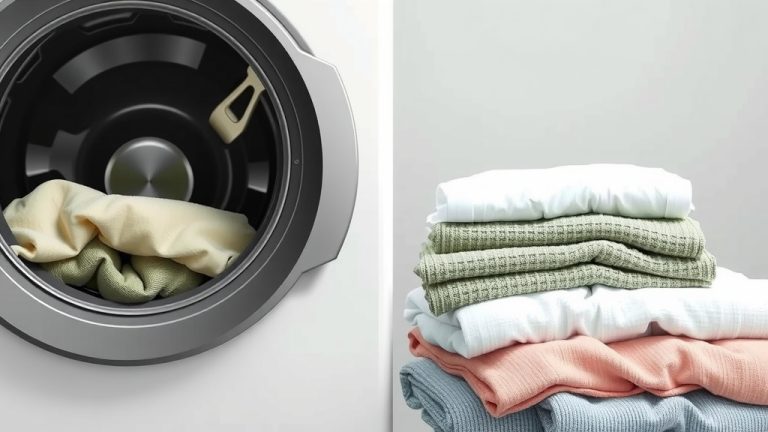
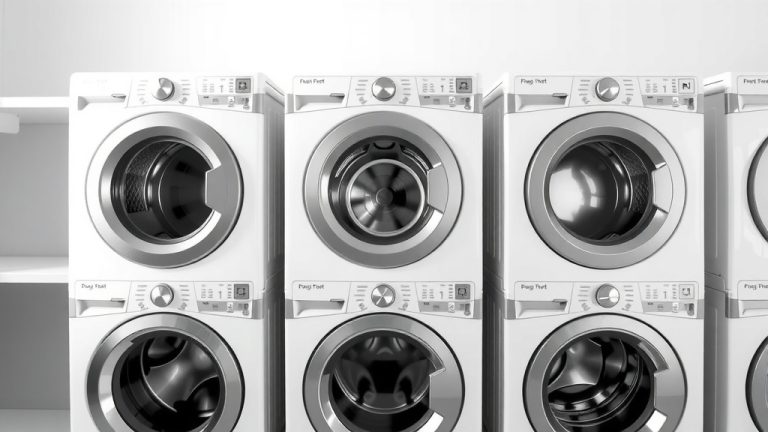
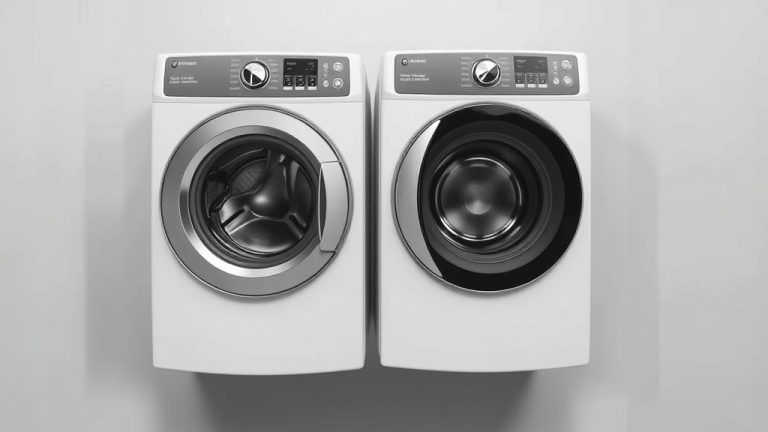
Front-load washers use a horizontal drum. Clothes are lifted by paddles inside the drum. Then, they tumble down into the water at the bottom. This tumbling motion mimics how you might hand wash clothes by rubbing them together. It’s a much gentler approach.
Because they tumble clothes, front-loaders often require less water. They don’t need to fill the entire drum to get clothes clean. This can save you money on your water bill. It’s also better for the environment. Many studies show front-loaders use significantly less water per cycle than top-loaders (U.S. Department of Energy).
Performance Differences You’ll Notice
Cleaning Power
When it comes to cleaning tough stains, front-loaders often come out on top. Their tumbling action can work detergent deep into fabric fibers. This helps lift stubborn dirt and grime more effectively. We found that front-loaders generally deliver a more thorough clean.
Top-loaders, especially those with agitators, can sometimes leave behind dirt in certain areas. The clothes can get bunched up. This can make it harder for water and detergent to reach everywhere. However, high-efficiency (HE) top-loaders without a central agitator can also offer excellent cleaning.
Gentleness on Clothes
If you’re concerned about your favorite sweaters or delicate items, a front-loader is usually the better choice. The tumbling action is much kinder to fabrics. It causes less stretching and snagging than the vigorous movement of an agitator. This means your clothes might last longer.
Top-loaders with agitators can be rough on clothes. They can cause pilling and stretching over time. Even HE top-loaders, while gentler than agitator models, might not be as gentle as a front-loader’s tumbling action.
Spin Speeds and Drying Time
This is where front-loaders really shine. They can spin much faster than most top-loaders. Higher spin speeds extract more water from your clothes. This means they come out of the washer much drier.
When your clothes are drier, they take less time to dry in the dryer. This can save you energy and reduce wear on your dryer. It can also be a big help if you use a clothesline. You’ll find your laundry dries much faster.
Convenience and Usability Factors
Loading and Unloading
This is a big one for many people. Top-loaders allow you to toss clothes in without bending over. You can also add forgotten items mid-cycle easily. This can be a significant advantage for those with back issues or mobility challenges.
Front-loaders require bending down to load and unload. This can be uncomfortable for some. However, many people prefer the waist-high loading found on some models when they are placed on pedestals. You can also leave the door slightly ajar to prevent mold and mildew.
Cycle Times
If speed is your priority, some top-loaders can be quite fast. Standard cycles on older top-loaders might take around 30 minutes. Even some HE top-loaders offer quick wash cycles that can get laundry done in under an hour.
Front-loaders often have longer cycle times. This is because the tumbling action and water efficiency require more time to work effectively. A typical front-loader cycle can last 60 minutes or more. However, many newer models offer express cycles for lighter loads.
Capacity and Space
Both types of machines come in various capacities. You can find compact models and large-capacity machines in both front-load and top-load designs. However, front-loaders often have larger usable drum space within a similar external footprint. This is because they don’t have a central agitator taking up room.
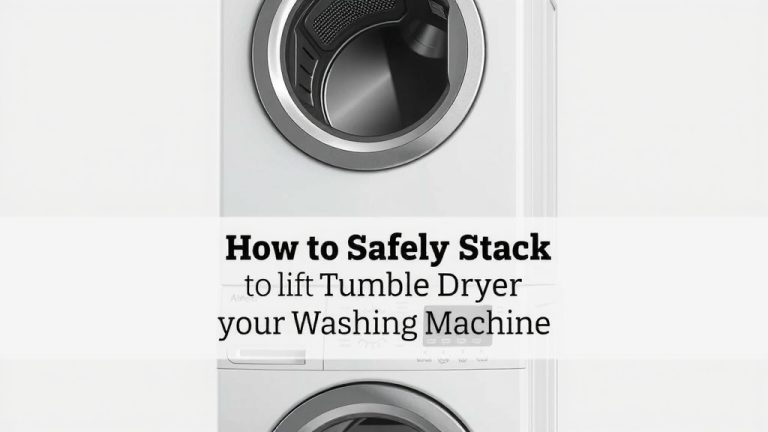
When considering space, remember that most front-loaders can be stacked with a matching dryer. This is a great space-saving solution for smaller homes or apartments. Top-loaders cannot be stacked.
Cost and Efficiency Considerations
Initial Purchase Price
Generally speaking, top-load washers tend to be less expensive upfront. Basic agitator models are often the most affordable option. HE top-loaders can be priced similarly to mid-range front-loaders.
Front-load washers typically have a higher initial purchase price. The advanced technology and features often come at a premium. However, this price difference can often be offset by long-term savings in water and energy use.
Water and Energy Consumption
As mentioned, front-loaders are winners when it comes to saving water and energy. Their efficient design means they use less water. They also tend to use less electricity because the faster spin speeds mean less time in the dryer. The U.S. Department of Energy confirms that ENERGY STAR certified front-loaders are significantly more efficient.
While HE top-loaders are much more efficient than older agitator models, they still generally use more water and energy than front-loaders. If saving money on utility bills and being eco-friendly are top priorities, a front-loader is likely your best bet.
Maintenance and Longevity
Front-loaders have a reputation for being durable. Their simpler mechanical design (no agitator motor) can lead to fewer repair issues. However, it’s important to keep them clean to prevent mold and odors.
Top-loaders, especially those with agitators, have more moving parts. This can sometimes lead to more frequent repairs. Regular maintenance on both types is key to ensuring they last as long as possible.
Quick Comparison Table
| Feature | Front Load Washer | Top Load Washer (HE) | Top Load Washer (Agitator) |
|---|---|---|---|
| Cleaning Performance | Excellent | Very Good | Good |
| Gentleness on Clothes | Excellent | Good | Fair |
| Water Efficiency | High | Medium | Low |
| Energy Efficiency | High | Medium | Low |
| Spin Speed | High | Medium | Low |
| Ergonomics (Loading) | Requires Bending | Easy | Easy |
| Cycle Time | Longer | Moderate | Shorter |
| Initial Cost | Higher | Moderate | Lower |
| Stackable | Yes | No | No |
Your Laundry Room Checklist
To help you decide, consider these points:
- What’s your budget for a new machine?
- How much laundry do you do each week?
- Do you have back or knee problems that make bending difficult?
- How important is water and energy efficiency to you?
- Do you have space for a stackable washer and dryer?
- Are you looking for the absolute best cleaning performance?
Conclusion
Choosing between a front load and top load washer comes down to your priorities. Front-loaders generally offer superior cleaning and water efficiency, but at a higher upfront cost and often with longer cycles. Top-loaders, especially HE models, provide a quicker, more accessible laundry experience. We’ve seen how each type performs differently. Now, weigh these factors against your laundry habits and budget. Your best choice is the machine that fits your life and your clothes best.
Frequently Asked Questions
Do front load washers really clean better?
Yes, research and user experiences consistently show that front-load washers tend to offer better cleaning performance. Their tumbling action effectively works detergent into fabrics, lifting tougher stains than the agitation methods found in many top-loaders. You’ll likely see cleaner results, especially on heavily soiled items.
Are top load washing machines better for your back?
For many people, top-load washers are more comfortable to use. You don’t need to bend over to load or unload clothes. This can be a major benefit if you have back pain or mobility issues. Some front-load models can be raised on pedestals, offering a similar ergonomic advantage.
Which type of washer is gentler on clothes?
Front-load washers are generally much gentler on your clothes. The tumbling action mimics hand washing, causing less friction and wear compared to the more aggressive agitator found in traditional top-loaders. If preserving the lifespan of your garments is a priority, a front-loader is a good choice.
Will a front load washer save me money on my utility bills?
Yes, front-load washers are typically more energy and water-efficient. They use less water because they don’t need to fill the entire drum. Their high spin speeds also extract more water, meaning your dryer works less. These savings can offset the higher initial purchase price over time.
Can I add clothes to a front load washer mid-cycle?
Most front-load washers do not allow you to add clothes once the cycle has started. This is because the door is typically locked for safety and to maintain water levels. Some newer models offer a small door or pause function for adding forgotten items early in the wash. Top-loaders usually let you add clothes at any point.