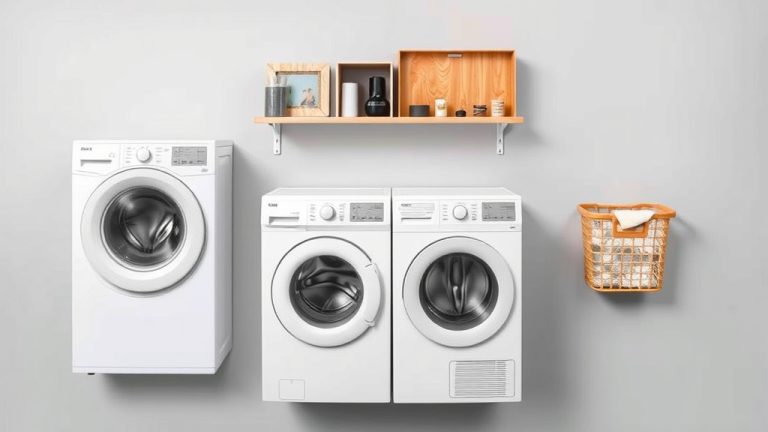
Front Loader vs Top Loader Washing Machine: Which is Best
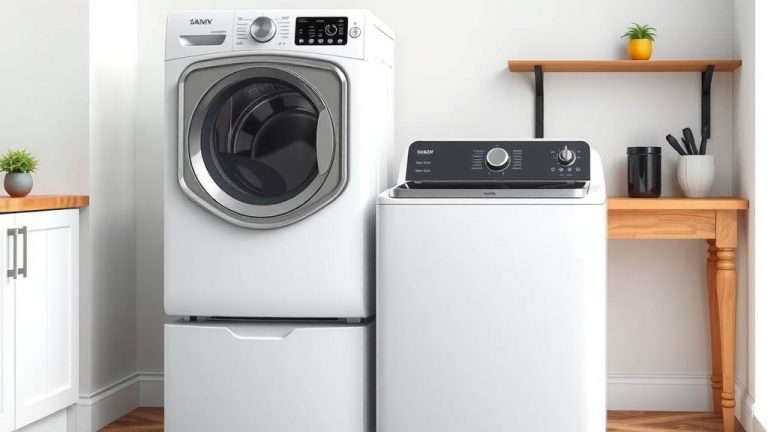
When choosing a washing machine, the front loader vs. top loader debate is key. While both clean clothes, front loaders generally offer better efficiency and gentler fabric care. Top loaders can be quicker and more affordable upfront, but often use more water and energy.
Many people wonder which type is truly superior for their home. We found that both have unique advantages depending on your priorities, whether it’s saving water, accommodating larger loads, or ease of use. Understanding these differences helps you pick the perfect fit for your laundry room.
- Front loaders clean better and are more water-efficient.
- Top loaders are often cheaper and faster to load.
- Consider load size and budget when deciding.
- Front loaders are gentler on clothes.
Let’s dive into a detailed comparison to help you make the best choice for your needs.
Front Loader vs. Top Loader: Which Washing Machine is Right for You?
Choosing a new washing machine can feel like a big decision, and frankly, it is! You want something that gets your clothes clean, saves you time and money, and fits your lifestyle. We’ve found that both front-load and top-load washers have their own sets of pros and cons. Let’s break down the key differences to help you figure out which type will be your laundry room’s best friend.
Understanding the Core Differences
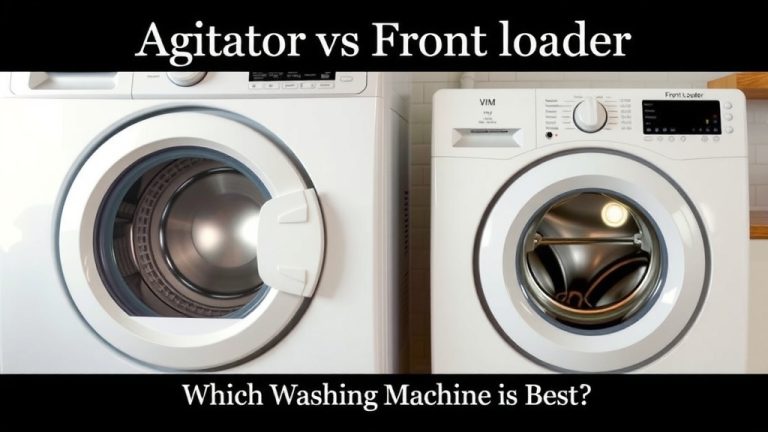
The main distinction between front-load and top-load washers lies in how they agitate your clothes. Front-loaders use a tumbling action, while most top-loaders use an agitator or an impeller. This fundamental difference affects everything from cleaning performance to water usage.
How They Work: The Mechanics of Clean
When you think about washing clothes, you probably picture a machine spinning them around. That’s essentially what both types do. However, the method of agitation is quite different.
Front Loaders: The Tumbling Technique
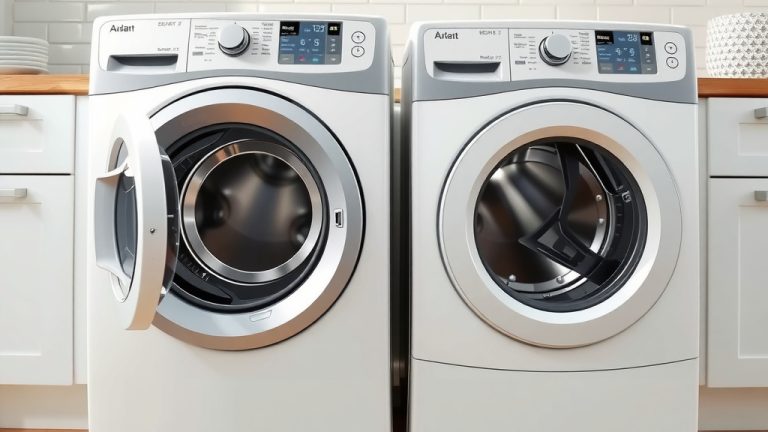
Front-load washers have a drum that rotates horizontally. Your clothes are lifted by baffles inside the drum and then dropped back into the water and detergent. This gentle tumbling action is very effective at removing dirt without being too harsh on fabrics. We found this method often leads to better stain removal.
Top Loaders: Agitator vs. Impeller
Top-load washers have drums that spin vertically. You have two main styles here: those with a central agitator and those with an impeller. The traditional agitator is a finned post that twists back and forth, forcing clothes through the water. Newer models often use an impeller, which is a low-profile cone or disc at the bottom of the drum that spins, creating currents to move clothes. Many find the impeller models gentler than those with a traditional agitator.
Performance and Efficiency: What We Found
When it comes to getting clothes clean and using resources wisely, there are some clear distinctions. We’ve researched how each type measures up in terms of cleaning power, water usage, and energy consumption.
Cleaning Power and Fabric Care
In our research, front-loaders generally excel at cleaning performance. Their tumbling action is not only effective at lifting dirt but also significantly gentler on your clothes. This means less wear and tear over time, helping your favorite outfits last longer. Many experts agree that this gentle approach is a major advantage for delicate items.
Top-loaders, especially those with a traditional agitator, can sometimes be rougher on fabrics. While they get clothes clean, the constant rubbing against the agitator can lead to pilling or stretching. Impeller models have improved this aspect, but front-loaders still tend to win for overall fabric care.
Water and Energy Usage
Here’s where front-loaders really shine. Because the drum is sealed and the water level only needs to cover about half the load, they use substantially less water. Research from sources like the U.S. Department of Energy indicates that front-loaders can use up to 40% less water than older top-loaders. This also translates to lower energy bills because there’s less water to heat.
Top-loaders, particularly those with agitators, typically need to fill the entire drum with water. This means they consume more water and, consequently, more energy for heating and running the machine. While some newer high-efficiency top-loaders are improving their water usage, front-loaders remain the champions of efficiency.
Ease of Use and Accessibility
When you’re doing laundry, convenience is key! Let’s look at which type might be easier for you to use and load.
Loading and Unloading
For many people, the ease of loading is a deciding factor. Top-loaders allow you to simply drop clothes in from the top. There’s no bending over required, which is a big plus for those with back or knee issues. Unloading is also straightforward.
Front-loaders require you to bend down to load and unload. However, many people find the larger door opening easier to manage when loading bulky items like comforters. Plus, the ability to stack a dryer on top of a front-load washer can save valuable floor space in smaller laundry rooms.
Cycle Times
If speed is your main concern, top-loaders often have shorter wash cycles. A typical top-load wash might take 30-40 minutes. Front-loaders, with their more complex tumbling action and water-saving features, can sometimes take longer, often 60 minutes or more. However, many newer front-load models offer quick wash cycles for when you’re in a hurry.
Cost Considerations: Upfront vs. Long-Term
Let’s talk about the elephant in the room: price. Your budget plays a huge role in this decision.
Initial Purchase Price
Generally, top-load washing machines tend to be more affordable upfront. You can often find a basic top-loader for significantly less than a comparable front-loader. This makes them an attractive option for those on a tighter budget or who don’t want to invest as much in an appliance.
Long-Term Operating Costs
While front-loaders may cost more initially, they often save you money in the long run. Their superior water and energy efficiency can lead to noticeable reductions in your utility bills each month. Over the lifespan of the machine, these savings can offset the higher purchase price, especially if you do a lot of laundry. We found that the energy savings alone can be quite substantial (Energy Star).
Making Your Final Choice: A Quick Checklist
To help you summarize, here’s a quick rundown to guide your decision. Think about what matters most to you and your household.
- Do you prioritize gentle fabric care and superior stain removal? Consider a front-loader.
- Is water and energy efficiency a major concern for your utility bills? A front-loader is likely your best bet.
- Do you prefer a machine that’s easy to load without bending? A top-loader might be more comfortable.
- Are you looking for the lowest initial purchase price? Top-loaders are typically more budget-friendly.
- Do you often wash large, bulky items? Front-loaders often have larger capacities and easier access for bulky loads.
- Is faster cycle time more important than efficiency for your busy schedule? Some top-loaders offer quicker washes.
Ultimately, the “best” washing machine is the one that best fits your laundry habits, your budget, and your home. By understanding these differences, you’re well on your way to making a smart choice!
Conclusion
Deciding between a front-load and top-load washer boils down to your personal priorities. You’ve learned that front-loaders generally offer superior cleaning and fabric care, along with impressive water and energy savings. If these are your main concerns, a front-loader is likely your best bet for long-term value and garment longevity. On the other hand, if convenience, quicker cycles, or a lower upfront cost are more important for your household, a top-loader might be the more practical choice. We encourage you to think about your laundry habits and budget to make the smartest decision for your home.
Frequently Asked Questions
Do front-load washers really clean better than top-loaders?
Yes, our research found that front-load washers generally offer a higher level of cleaning performance. Their tumbling action is effective at lifting dirt and stains while being gentler on your clothes, reducing wear and tear over time.
Which type of washer is better for saving water and energy?
Front-load washers are the clear winners when it comes to water and energy efficiency. They use significantly less water because the drum doesn’t need to be fully submerged, which also means less energy is needed for heating.
Is it harder to load clothes into a front-load washer?
Loading a front-load washer does require bending down, unlike a top-loader where you just drop clothes in. However, many users find the larger door opening on front-loaders makes it easier to load bulky items like comforters.
Why are top-load washers usually cheaper to buy?
Top-load washing machines, especially traditional agitator models, often have simpler designs and fewer complex components. This typically results in a lower manufacturing cost, which translates to a more affordable purchase price for you.
Can I stack a dryer on top of a front-load washing machine?
Yes, a major advantage of front-load washers is their ability to have a matching dryer stacked on top. This space-saving design is ideal for smaller laundry rooms or apartments where floor space is limited.