Front Load vs Top Load: Energy Efficiency Compared
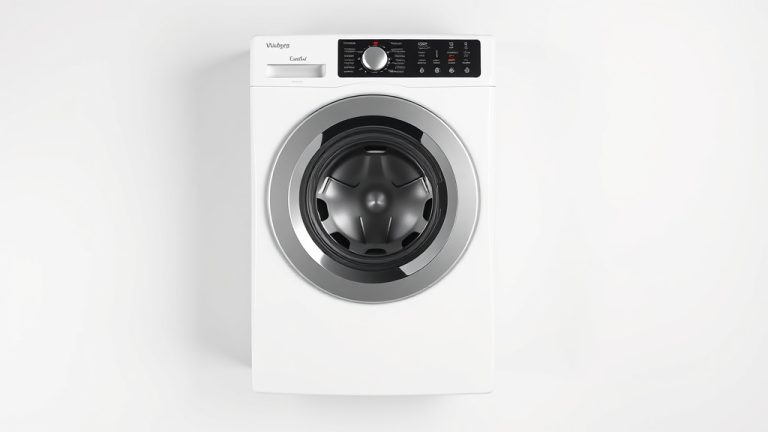
Front loaders win on energy efficiency, using roughly 50% less water and 30% less electricity than top loaders. That is the simple answer. You will save the most on utility bills with a front-loading washer.
But the choice isn’t just about the sticker price or energy ratings. We found that your laundry habits, available space, and budget all play a part. Most experts agree that the long-term savings from a front loader often outweigh the higher upfront cost.
TL;DR (The quick story):
- Front loaders are the champions of efficiency and water conservation.
- Top loaders are gentler on your back and easier to load with less bending.
- High-efficiency (HE) top loaders are better, but still don’t match front loaders on cost.
- Front loaders spin faster, which means faster drying times and more energy saved.
- Expect to pay more upfront for a front loader, but you will earn that back over time.
Below, we break down everything you need to know about making this call for your home. We will walk you through the real numbers, the pros and cons, and help you choose the perfect machine for your family.
Front Loaders vs. Top Loaders: Which One Saves You More Money?
We found that front loaders win on energy efficiency almost every single time. They use less water and less electricity per load. That means lower utility bills month after month.
The gap is noticeable. A typical front loader uses about 13 gallons of water per load. A standard top loader uses about 20 gallons. That is a big difference when you do five loads a week.
How We Measure Washer Efficiency
You might see yellow Energy Guide labels on machines at the store. These labels show estimated yearly operating costs. The Department of Energy uses a rating system called the Integrated Modified Energy Factor (IMEF). Higher numbers mean better efficiency.
Many guidelines point to the Energy Star program as your best bet for finding a smart buy (Energy Star). We recommend looking for that blue label first. It takes the guesswork out of comparing models.
The Role of the Spin Cycle
Front loaders spin much faster than top loaders. They can reach 1,200 to 1,600 RPM. Top loaders usually top out around 700 RPM.
Faster spinning means more water is removed from your clothes. Your dryer then has to work less. This is a hidden energy win that many shoppers miss entirely.
Water Usage: The Biggest Difference Between Washer Types
Water is the heart of the energy debate. You might think electricity is the main cost, but heating water is where the real expense lives. Using less hot water saves you twice over.
A front loader’s tumbling action cleans clothes by dropping them through water. A top loader needs a full tub to soak everything. That is why front loaders are so much more efficient.
According to research from the American Cleaning Institute, front loaders can cut water usage by nearly half compared to traditional top loaders (American Cleaning Institute).
High-Efficiency Top Loaders: A Better Option?
Some top loaders now carry the “HE” (high-efficiency) label. These machines use special wash systems to reduce water. They do better than older models, for sure.
But here is the catch. We found that even the best HE top loaders still use more water than an average front loader. The design is the limiting factor.
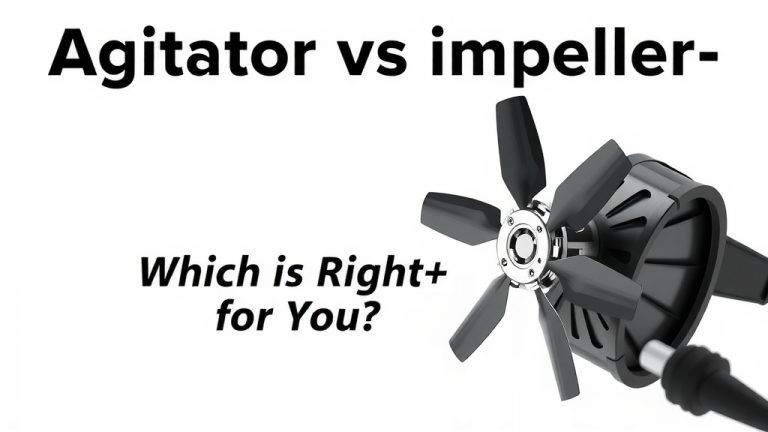
HE top loaders with impellers (a low-profile disc instead of an agitator) are the closest match. But they still lag behind on spin speed and overall efficiency.
Electricity Costs: What You Pay at the Plug
Heating water is the biggest energy expense in your laundry room. It accounts for about 90 percent of the energy a washer uses. Less water means less energy to heat it.
Data from the U.S. Department of Energy shows that front loaders use about 30 percent less electricity than standard top loaders (U.S. Department of Energy). That number holds up across most real-world usage.
The Drying Bonus You Should Know About
Here is a small fact that changes the math. Front loaders spin faster, so clothes come out drier. They might have less water in them by up to 50 percent.
Your dryer runs for a shorter time. That saves you money on every single load. Over a year, this drying bonus adds up to serious savings.
We like to call it the “hidden savings.” You are not just saving on the wash cycle. You are saving on the dry cycle, too.
Upfront Costs vs. Long-Term Savings
Front loaders cost more at the store, plain and simple. You might pay $200 to $500 more for a comparable model. That sticker shock is real.
But think about the long game. You will save about $35 to $50 per year on utility bills with a front loader. Over ten years, that is $350 to $500 in savings.
That means the higher upfront cost often pays for itself. Many experts say the break-even point lands around the five-year mark.
Repair Costs and Maintenance Lurk in the Background
Front loaders have a reputation for mold and mildew issues. The rubber gasket around the door can trap moisture. You need to keep the door open between washes.
Top loaders are simpler machines. They have fewer parts that can break. This can mean lower repair bills down the road.
But as long as you clean the gasket monthly and leave the door ajar, front loaders are reliable. A little effort saves you a lot of money in the long run.
Which Washer Fits Your Home Best?
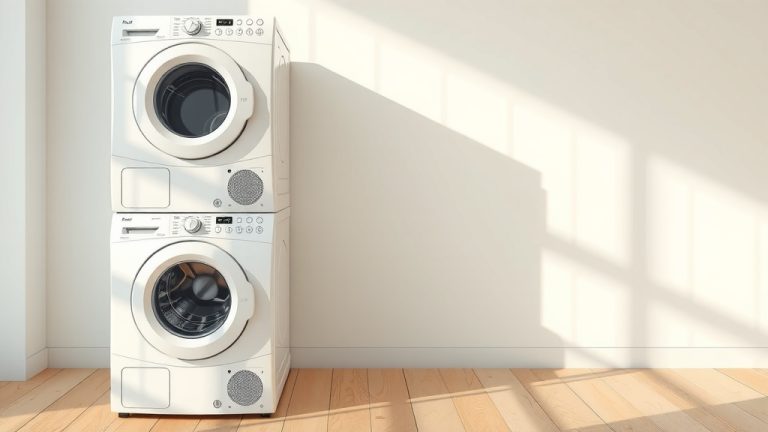
Space matters more than you might think. Front loaders stack with dryers, which is perfect for small homes or apartments. Top loaders need open space above the lid.
Bending down to load a front loader can hurt your back. If you have mobility issues, a top loader might be your best friend. You can stand upright and reach in.
For families with kids, front loaders are easier to keep locked. The door prevents little ones from climbing in. Top loaders are open and inviting.
Load Capacity and Bulky Items
Front loaders generally offer larger drum capacity. You can wash comforters and blankets with ease. The tumbling action handles bulky items gently.
Top loaders are better at handling heavy, muddy items. Think work clothes or sports uniforms. The agitator really scrubs the dirt out.
We found that most households do fine with either option. It simply depends on what you wash most often.
A Quick Cost Comparison to Visualize the Difference
Let us put the numbers side by side. This table shows a typical year of laundry for a family of four.
| Cost Factor | Front Loader | Top Loader |
|---|---|---|
| Water per load | 13 gallons | 20 gallons |
| Energy use | Lower by 30% | Standard baseline |
| Drying time | Shorter | Longer |
| Annual utility cost | $85 | $120 |
| Purchase price | $900 | $600 |
Making the Final Call for Your Home
You have to weigh your own priorities. If saving money on bills is your top goal, choose a front loader. If you hate bending over and want a simple machine, go with a top loader.
Maybe you want the best of both worlds. There are some high-end top loaders that get close to front loader efficiency. They cost more, but they are an option.
We found that your lifestyle is the real deciding factor. A single person who washes once a week might not see a huge difference. A big family washing daily will absolutely feel it.
Your Washer Checklist Before You Buy
Keep this simple list in your pocket when you go shopping. It covers the key points you just learned.
- Check for the Energy Star label on the front of the machine.
- Compare the estimated yearly operating costs on the yellow tag.
- Look at the spin speed rating, aim for 1,200 RPM or higher.
- Measure your laundry space for height and depth clearance.
- Think about your own back and how much bending you can handle.
- Calculate the break-even point by dividing the price difference by your yearly savings.
The Environmental Side of the Coin
Saving energy is not just about your wallet. It is also about the planet. Using less water keeps more in your local reservoirs. Using less electricity reduces demand on power plants.
Many guidelines point to energy-efficient appliances as a simple way to lower your carbon footprint (Environmental Protection Agency). You wash clothes anyway. Might as well do it smart.
Front loaders are a clear win for the environment. That said, any efficient machine is better than an old clunker. Upgrade when you can, and you are doing your part.
Conclusion
You now have the full picture. Front loaders win on energy and water efficiency, saving you about $35 to $50 per year. They also spin faster, which means your dryer works less and your clothes come out closer to dry.
Top loaders cost less upfront and are easier on your back. That matters, especially if bending is a struggle for you. But you will pay more on every single utility bill.
Your next step is simple. Measure your space, check your budget, and look for the Energy Star label on any machine you consider. If long-term savings matter most to you, go with a front loader. Your wallet and the planet will thank you.
Frequently Asked Questions
Are front loaders really worth the extra money?
Yes, for most households. You will pay more upfront, but the utility savings add up over time. Most people break even around the five-year mark. After that, you are pocketing the difference.
Do front loaders damage clothes more than top loaders?
Actually, front loaders are gentler on your fabrics. There is no agitator to tug and pull at your clothes. The tumbling action is softer, which means your favorite shirts last longer.
Can I put a front loader on a pedestal to avoid bending?
Absolutely. You can purchase a pedestal to raise the machine off the floor. That lifts the door to a comfortable height. It adds to the cost, but it solves the back strain problem.
How often should I clean a front loader to prevent mold?
You should wipe the rubber gasket monthly and leave the door open between washes. A quick cleaning cycle with vinegar or a washer cleaner every few months helps too. It takes five minutes and prevents costly repairs.
Are high-efficiency top loaders a good middle ground?
They are better than standard top loaders, for sure. You will save some water and energy. But they still use more than a front loader because of the design. If you really want a top loader, choose an HE model with an impeller.