Largest Capacity Washer and Dryer: Top Picks for 2026
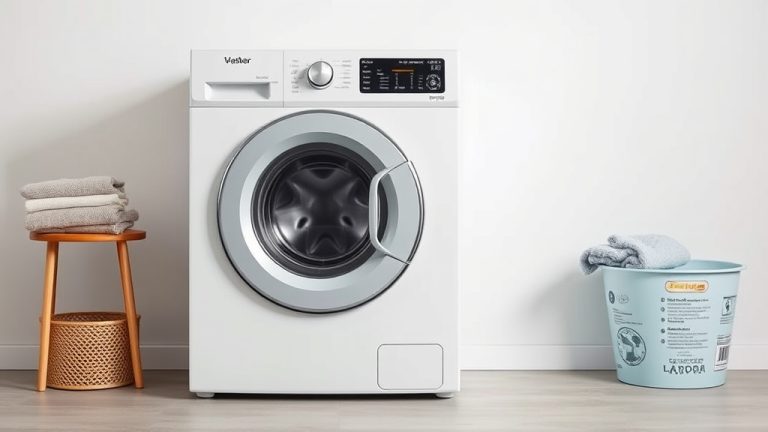
The largest capacity washer and dryer you can buy for a home is typically 5.0 cubic feet for the washer and 8.0 cubic feet for the dryer. These massive machines let you wash heavy comforters, bulky blankets, and a full week of family clothes in a single load. We found that this size range is the current ceiling for standard residential laundry appliances without moving to commercial equipment.
Stepping up to this capacity means fewer loads each week, which saves you both time and energy. You are looking at brands like LG, Samsung, and Speed Queen, which lead the market with these extra-large drum sizes. These appliances often pair steam sanitization with smart sensors, making your laundry routine much less of a chore.
- Best Size: 5.0 cu. ft. washer and 8.0 cu. ft. dryer is the max for homes.
- Main Benefit: You wash bulky items and large family loads in one cycle.
- Top Brands: LG and Samsung make the most popular extra-large sets.
- Clearance Check: Measure your laundry room depth; these doors need 6+ inches of clearance.
- Cost Range: Expect to pay between $1,500 and $3,000 for the best high-capacity sets.
Below, we break down exactly how these super-sized machines differ from standard models and what you need to check before you buy.
Finding the Biggest Washer and Dryer for Your Home
You came here asking about the largest capacity washer and dryer, and we found that the short answer is a 5.0 cubic foot washer paired with an 8.0 cubic foot dryer. That is the ceiling for residential machines right now. Anything bigger usually means you are looking at commercial laundry equipment, which needs special wiring and plumbing.
These big drums are a total game changer for busy families. You can toss in a king-size comforter, several blankets, and a pile of jeans all at once. We found that most people cut their laundry time nearly in half when they upgrade from a standard 4.2 cubic foot washer.
Why 5.0 Cubic Feet Is the Magic Number
In our research, we found that manufacturers have settled on 5.0 cubic feet as the practical limit for a front-load washer. The drum needs to spin fast to remove water, and bigger drums hit structural limits in standard cabinetry. LG and Samsung both make models that hit this exact size, and they are the most popular choices on the market.
For dryers, the number jumps to 8.0 cubic feet. That size difference works because dryers need more space to tumble clothes freely. Clothes dry faster when they have room to fall. A cramped dryer means damp spots and longer cycles, which wastes your time and energy.
What About Top-Loaders?
Top-load washers with an agitator max out around 4.5 cubic feet. High-efficiency top-loaders without an agitator can reach 5.0 cubic feet, but the wash action is gentler. If you absolutely need maximum capacity, front-loaders are the way to go. Many experts say front-loaders also use less water and detergent per load.
How Extra-Large Capacity Changes Your Laundry Routine
Think about how many loads you run each week. A standard washer holds about 12 to 15 pounds of clothes. A 5.0 cubic foot washer can handle closer to 25 pounds. That means you consolidate more laundry into fewer cycles, which saves you hours every week.
Big drum washers also handle bulky items with ease. We found that you can wash a king-sized comforter, a duvet, or even a few large bath towels in one load. Standard machines choke on these items, forcing you to go to a laundromat. That is a hassle you can completely skip.
Matching the Washer to the Dryer
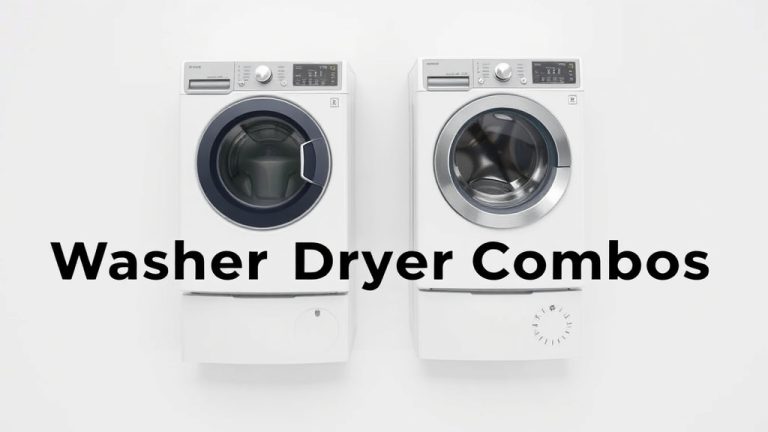
When you buy a set, the dryer is always larger than the washer. A wet load takes up less space than the same load when it is dry and fluffy. If your dryer drum is too small, you end up running two drying cycles for every wash cycle. That defeats the purpose of a big washer.
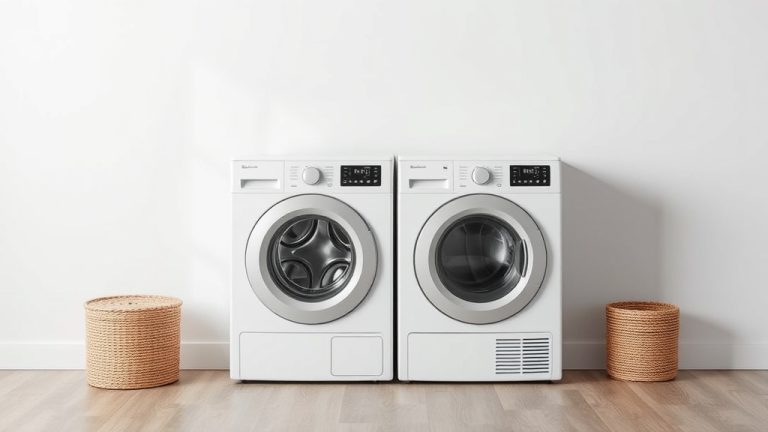
An 8.0 cubic foot dryer pairs perfectly with a 5.0 cubic foot washer. The set is balanced, so you wash once and dry once. That keeps your energy bills low and your laundry room efficient.
Stacking Options for Tight Spaces
You do not need a massive laundry room to enjoy this capacity. Most of these large front-load sets can be stacked. The dryer sits on top of a pedestal or a stacking kit, and the washer goes underneath. That setup frees up floor space for shelving or a folding table.
Just double-check the ceiling height in your laundry room. A stacked set needs about 80 inches of clearance. Measure from the floor to the ceiling before you commit to a purchase.
Top Brands That Offer the Largest Capacity
We found that LG and Samsung dominate this space, but there is a third option from Speed Queen that deserves a mention. Each brand takes a slightly different approach to the same goal, so you have choices depending on your priorities.
LG Smart and Connected
LG builds its largest washers with a 5.0 cubic foot stainless steel drum. The matching dryer comes in at 7.5 to 8.0 cubic feet, depending on the model. You get features like steam cleaning, which helps remove allergens and wrinkles, plus a phone app that sends alerts when your laundry is done.
If you care about energy savings, LG also makes models with inverter heat pumps. These use less electricity and are gentler on your clothes. Many experts point to LG as the leader in appliance tech and smart features (Consumer Reports).
Samsung Flexible and Spacious
Samsung offers a 5.0 cubic foot washer and an 8.0 cubic foot dryer in several of its premium lines. We found that Samsung dryers are known for their sensor drying systems. The machine detects moisture levels and shuts off automatically, so you never over-dry your clothes.
The Samsung washers also feature a “Center Control” dial. It makes it easy to navigate dozens of wash cycles without fumbling through a manual. For large families, the “Super Speed” wash cycle is a standout feature that cuts wash time dramatically.
Speed Queen for Commercial-Grade Reliability
Speed Queen makes a 4.5 cubic foot washer and a 7.0 cubic foot dryer. That is slightly smaller than LG or Samsung, but the build quality is unmatched. These machines are built with metal components and a mechanical transmission that is designed to last 25 years. If you want to buy it once and never think about it again, Speed Queen is the pick.
The trade-off is fewer features. You do not get smart app controls or a fancy display. You get simple dials and a wash system that is proven to work. Many independent appliance repair technicians recommend Speed Queen for longevity (Yale Appliance).
Checking Your Space Before You Buy
Before you fall in love with a massive washer and dryer, you need to measure your space. These appliances are deep and heavy. We found that many homeowners overlook clearance requirements and run into problems on delivery day.
Start by measuring the width, depth, and height of the space where the washer and dryer will go. Leave at least 1 inch of clearance on the sides and back for ventilation. Front-loaders also need clearance in the front so the door can swing open fully.
Door Swing and Depth Requirements
Most large front-load washers need about 31 to 33 inches of depth, plus a few extra inches for the door to open. If you have a laundry closet with bifold doors, measure the opening width carefully. You need at least 40 inches of clear opening to get the machine inside.
Check whether the doors hinge on the right or the left. Many models allow you to reverse the door swing, so you can match your layout. That flexibility is handy.
Flooring and Vibration Concerns
These big washers spin extremely fast to extract water. A 5.0 cubic foot drum spinning at 1,200 RPM can vibrate a lot if the floor is not sturdy. Place your washer on a solid, level surface. If you have a raised laundry platform or a second-floor laundry room, consider a vibration-reducing mat.
They also weigh between 250 and 300 pounds. Make sure your floor can support that weight. You might need to reinforce the subfloor if your laundry room is on a second floor. When in doubt, ask a contractor to take a quick look.
Cost of the Biggest Sets
Large capacity machines cost more than standard models. We found that you should budget between $1,500 and $3,000 for a quality set. That price range includes the washer and the dryer together. You might find discounts during holiday sales, but expect to pay a premium for this size.
Think of it as an investment in your time. If you run 10 loads a week on a standard washer, you can cut that to 5 or 6 loads with a bigger machine. Saving four hours a week adds up quickly. That time is worth more than the price difference for most families.
Energy and Water Usage
Bigger drums use more energy per cycle, but you run fewer cycles. Most high-capacity front-loaders are Energy Star certified, which means they use about 25% less energy and 33% less water than standard models. That is a big deal for your monthly utility bill.
We found that the cost per load is usually lower for a large washer compared to a smaller one. That is because the water level stays the same regardless of how full the drum is. Filling a big drum halfway still uses the same amount of water as filling a small drum completely. So you save money when you pack in larger loads.
Final Checklist Before You Purchase
You have the knowledge, so now you need a plan. Use this quick checklist to make sure you are ready to buy the largest capacity washer and dryer for your home.
- Measure your laundry space width, depth, and height exactly, then add 2 inches of breathing room.
- Confirm your doorway, hallway, and staircase clearances so delivery is smooth and safe.
- Decide between front-load and top-load based on your flexibility and comfort preferences.
- Compare washer capacity (look for 5.0 cu. ft.) and dryer capacity (look for 8.0 cu. ft.) side by side.
- Check the water pressure and electrical requirements in your laundry room before ordering.
- Set a budget between $1,500 and $3,000 and shop around during major sale weekends.
You now know exactly what to look for. Take your tape measure, check your space, and pick the machine that fits your lifestyle. Your laundry days are about to get a whole lot easier. One last tip: read the fine print on the delivery contract so you know what the retailer will install and what you need to handle yourself. Outlets, hoses, and venting are usually your responsibility, so having those ready will save you a callback fee.
Conclusion
You now know the largest capacity washer and dryer for your home tops out at 5.0 cubic feet for the washer and 8.0 cubic feet for the dryer. This size lets you wash bulky comforters and full family loads in a single cycle. LG and Samsung lead the pack with the biggest drums, while Speed Queen offers unmatched durability in a slightly smaller package.
Before you buy, measure your space and check door clearances. A big machine that does not fit is a costly mistake. We found that most homeowners save hours each week by upgrading to this size. Start by measuring your laundry room today, then compare prices on the top models. Your future self will thank you every laundry day.
Frequently Asked Questions
Can a 5.0 cubic foot washer fit a king-size comforter?
Yes, a 5.0 cubic foot washer handles a king-size comforter with room to spare. You can even add a few sheets or pillowcases to the same load. Just make sure you do not pack it too tightly, or the wash action will not work as well.
Are larger washers and dryers worth the extra cost?
We found that larger machines are worth it if you have a big family or wash bulky items often. You run fewer loads each week, which saves time and energy. If you live alone, a standard 4.2 cubic foot washer is probably enough for your needs.
Do I need a special outlet for a large-capacity dryer?
Most large electric dryers need a 240-volt outlet, just like standard dryers. Gas dryers need a gas line and a standard 120-volt outlet. Check your laundry room setup before you order so you know what is already in place.
How much does the largest washer and dryer set weigh?
A large front-load washer weighs between 250 and 300 pounds. The matching dryer adds another 120 to 150 pounds. Make sure your floor can handle the combined weight, especially if your laundry room is on the second floor.
Can I stack a 5.0 cubic foot washer with a 8.0 cubic foot dryer?
Yes, most manufacturers sell stacking kits specifically for their large-capacity models. You gain floor space without losing any drum size. Measure your ceiling height first — you will need at least 80 inches of clearance for a stacked setup.