Choosing a New Washing Machine: Your Guide
Choosing a new washing machine means finding one that fits your budget and your laundry needs. You’ll want to consider the type of machine, its capacity, and energy efficiency. Think about your household size and how much laundry you do weekly.
Many factors go into selecting the right washer. We researched various models to help you make an informed decision. You should look at features like wash cycles, noise levels, and smart technology options. Don’t forget to check the water usage and overall cost of operation.
- Consider machine type: top-loader vs. front-loader.
- Check the capacity for your laundry loads.
- Look for energy and water efficiency ratings.
- Factor in your budget and desired features.
Let’s walk through exactly how to pick the best washing machine for your home.
Finding Your Perfect Washing Machine Match
Choosing a new washing machine can feel overwhelming with all the options. We’re here to simplify it for you. Let’s figure out what really matters for your laundry needs.
Understanding Washer Types: Front-Load vs. Top-Load
The first big decision is between a front-load and a top-load washing machine. Both have their pros and cons, and your choice depends on what you prioritize. Our guide to the best-rated top-load washing machine can help you compare options.
Front-Load Washers: The Efficient Choice
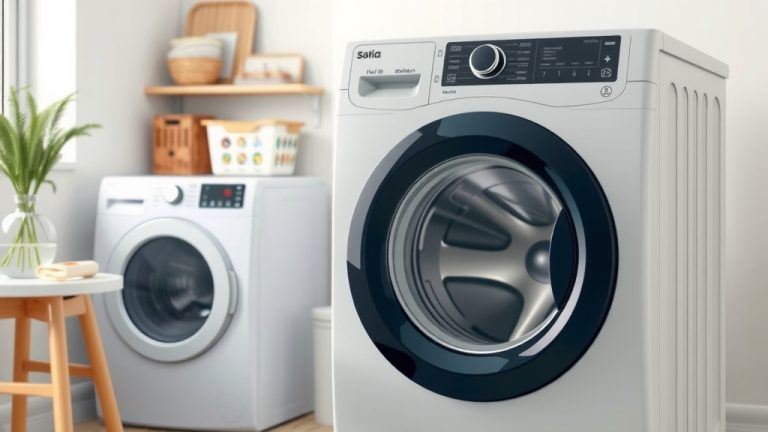
Front-load washers often use less water and energy. They clean clothes very gently by tumbling them. This means your clothes might last longer. We found that many front-loaders also offer higher spin speeds. This extracts more water, leading to shorter drying times. A potential downside is that they tend to be more expensive upfront. You also have to bend down to load and unload them, which can be tough on your back.
Top-Load Washers: Easy and Accessible
Top-load washers are generally easier to load because you don’t have to bend over. You can also add forgotten items mid-cycle more easily. There are two main types of top-loaders: traditional agitator models and high-efficiency (HE) impeller models.
Agitator Models
These have a central post that twists and turns clothes. They are typically less expensive and offer faster wash cycles. However, they can be rougher on fabrics. We found they also tend to use more water than other types.
Impeller Models (HE)
These use a low-profile disc at the bottom of the drum to move clothes. They offer larger capacities than agitator models. HE impeller models are also gentler on clothes and use less water. Many experts say they offer a good balance of cleaning power and fabric care (Consumer Reports).
Capacity Matters: How Much Laundry Do You Haul?
Consider the size of your household and how often you do laundry. Washing machine capacity is measured in cubic feet. It tells you how much laundry can fit inside the drum.
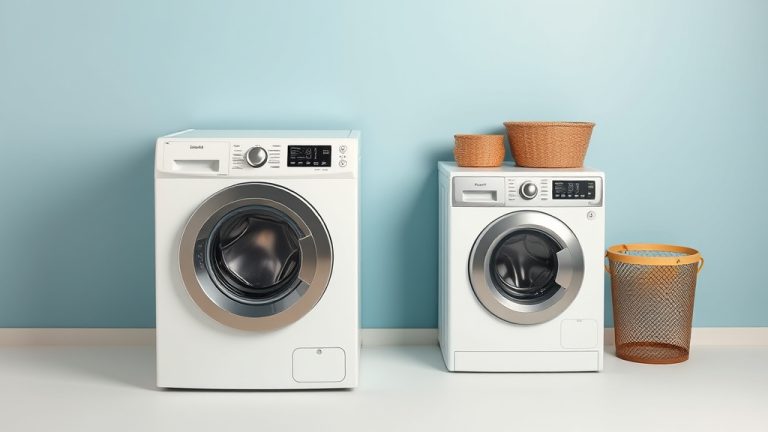
A small household (1-2 people) might be fine with a smaller capacity machine, around 2.0 to 3.5 cubic feet. For an average family (3-4 people), a medium capacity of 3.5 to 4.5 cubic feet is usually sufficient. Larger families or those who do fewer, bigger loads might need a large capacity machine, 4.5 cubic feet or more. We found that choosing the right size means fewer wash cycles overall, saving you time and energy.
Energy and Water Efficiency: Save Money and the Planet
Washing machines use a lot of electricity and water. Looking at efficiency ratings can save you money on utility bills. It’s also better for the environment.
Look for the ENERGY STAR® label. These appliances meet strict energy efficiency guidelines set by the U.S. Environmental Protection Agency. We found that ENERGY STAR certified washers use about 50% less energy than conventional washers. They also use about 30% less water. You can often find the water usage per load listed on the machine’s yellow EnergyGuide label.
| Washer Type | Typical Water Usage per Load | Energy Efficiency | Pros | Cons |
|---|---|---|---|---|
| Front-Load | 10-15 Gallons | High | Gentle on clothes, better cleaning, less water/energy | Higher upfront cost, bending required |
| Top-Load (Agitator) | 30-45 Gallons | Lower | Lower upfront cost, faster cycles | Rougher on clothes, uses more water |
| Top-Load (HE Impeller) | 15-30 Gallons | Medium-High | Larger capacity, gentle on clothes, less water than agitator | Can be more expensive than agitator models |
Essential Features to Consider
Beyond the basics, washing machines come with a variety of features. Think about what would actually make your laundry routine easier.
Wash Cycles and Options
Most washers offer standard cycles like Normal, Delicates, and Heavy Duty. But many also have specialized cycles. Options like Steam, Sanitize, or Allergen cycles can be beneficial. Some machines offer custom cycle options or the ability to download new ones.
Noise Levels
If your laundry room is near living areas, noise is a big concern. Some machines are much quieter than others. We found that front-loaders and HE top-loaders tend to be quieter. Look for models that specifically advertise quiet operation or vibration reduction technology.
Smart Features
Many newer washers have Wi-Fi connectivity. This allows you to start, stop, and monitor cycles from your smartphone. You can also get cycle completion alerts. While convenient, these features often add to the cost. Consider if you’ll truly use them before paying extra.
Budgeting for Your New Washer
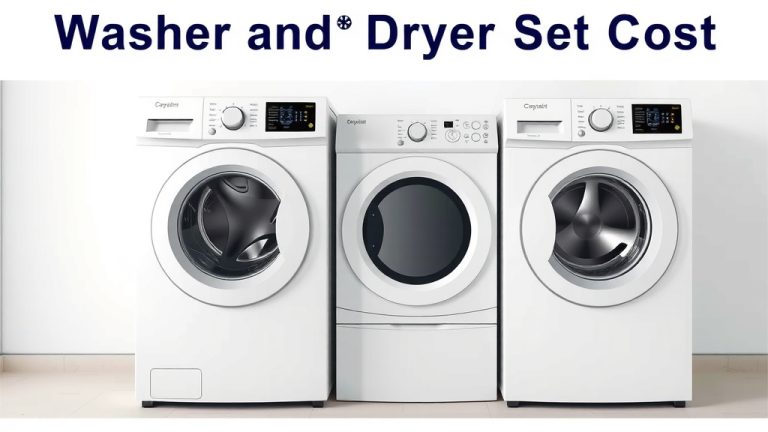
Washing machines range widely in price. You can find basic models for a few hundred dollars, while high-end smart washers can cost over a thousand dollars. We recommend setting a realistic budget early on.
Remember to factor in not just the purchase price, but also the long-term costs. Energy and water usage, as well as potential repair costs, should be part of your calculation. Many experts suggest that investing a little more upfront in an energy-efficient model can save you money over time.
Your Washing Machine Checklist
To help you narrow down your choices, here’s a quick checklist:
- What is your budget?
- Do you prefer front-load or top-load?
- What capacity do you need for your household size?
- How important are energy and water efficiency ratings?
- Which special wash cycles or features are a must-have for you?
Conclusion
You’ve now got a clear path to finding your ideal washing machine. We’ve covered the key differences between front-load and top-load models, and why capacity and efficiency matter. Remember to weigh essential features like wash cycles and noise against your budget. Don’t forget to look for the ENERGY STAR label to ensure long-term savings. Your next step is to use this knowledge to compare specific models and make the best choice for your home and laundry habits.
Frequently Asked Questions
Are front-load washers really better than top-load washers?
Front-load washers generally offer better water and energy efficiency and are gentler on clothes. However, they typically have a higher upfront cost and require bending to load. Top-load washers are easier to load and often cheaper, but can use more water and be rougher on fabrics.
How do I know what washing machine capacity I need?
Consider your household size and how often you do laundry. For 1-2 people, a smaller capacity (2.0-3.5 cu ft) is usually fine. Families of 3-4 will likely need a medium capacity (3.5-4.5 cu ft), while larger households might benefit from 4.5 cu ft or more.
What does the ENERGY STAR label mean for washing machines?
The ENERGY STAR label indicates that a washing machine meets strict energy efficiency guidelines set by the EPA. These certified models use significantly less energy and water than conventional washers, saving you money on utility bills and reducing environmental impact.
Are smart washing machine features worth the extra cost?
Smart features like app control and cycle notifications can be convenient, but they often increase the price. You should assess if you’ll genuinely use these capabilities regularly. For many households, basic, efficient models offer the best value without unnecessary expense.
Can I still add clothes to my washer mid-cycle?
It depends on the machine. Most top-load washers, especially older agitator models, allow you to add clothes easily. Many front-load washers and newer HE top-loaders have a pause function, but you might need to wait a few minutes for the door to unlock and the water level to drop sufficiently.