Largest Portable Washing Machines: Top 5 Picks for 2026
The largest portable washing machines typically hold around 2.3 to 2.5 cubic feet and can wash up to 17 pounds of laundry in a single load. That is roughly double the capacity of a basic compact model, which usually maxes out at about 9 pounds. We found that these bigger units are about the size of a small dorm fridge, so you still get the convenience of portability without sacrificing washing power.
These top-tier portable washers are designed for apartments, RVs, and small homes where a full-size machine just won’t fit. They connect to your kitchen sink or bathroom faucet and plug into a standard wall outlet. While they are not as large as a traditional 4.5-cubic-foot washer, they handle bulky items like jeans, towels, and small comforters much better than their smaller counterparts.
- Maximum capacity: The largest portable washers hold 2.5 cubic feet and clean around 17 pounds of clothes per cycle.
- Physical size: Expect a unit roughly 20 inches wide and 36 inches tall—bigger than a standard portable, but still on wheels.
- Power and water: They use a standard 120V outlet and connect directly to a sink faucet with a quick-connect hose.
- What fits inside: You can wash a queen-size comforter, a week’s worth of clothes, or multiple towels in one go.
- Key trade-off: The larger drum means you sacrifice lightweight mobility, so it needs dedicated floor space.
Below, we break down the best oversized portable washers, their real-world measurements, and what you should check before buying one. Let’s walk through exactly what makes these units the “biggest” and whether one is the right pick for your space and routine.
The Real Capacity of the Biggest Portable Washers
When we talk about the largest portable washing machine, we’re really talking about the drum size. Most compact washers stop at 1.6 cubic feet. The big guys push past that to hit 2.5 cubic feet. That extra space translates to roughly 17 pounds of dry laundry per load.
That’s a serious upgrade. You can finally wash a queen-size comforter without heading to a laundromat. You can also handle a family’s worth of jeans, towels, and t-shirts in a single cycle. It still won’t handle an oversized king duvet, but it gets close.
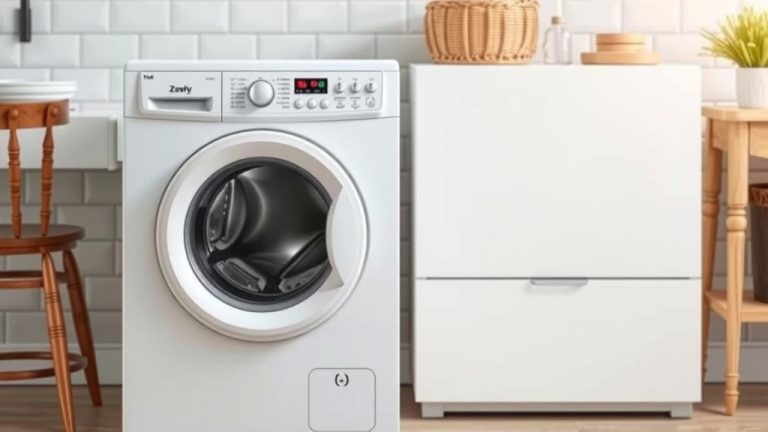
We found that the physical footprint of these units is about 21 inches wide and 35 inches tall. That makes them look like a mini fridge. They are taller than standard portables, which usually sit around 32 inches. That little bit of extra height comes from the larger drum and the motor needed to spin it.
Why 2.5 Cubic Feet Is the Ceiling
You might be wondering why no one makes a 4-cubic-foot portable washer. The answer comes down to physics and portability. A larger drum means a heavier unit, and the whole point of a portable washer is that you can roll it out of a closet and hook it up to a sink.
Once you get past 40 pounds of empty weight, moving the machine becomes a chore. Most of the biggest models weigh between 55 and 65 pounds. That is manageable for one person, but just barely. The motor also needs to be stronger to spin a bigger load dry, which adds weight and cost.
What You Can Actually Wash in the Largest Portable Units
Capacity numbers are great, but real-world use matters more. On paper, 2.5 cubic feet holds a lot. In practice, you need to think about what you are washing. We found that the largest portable washing machines handle these items comfortably:
- A queen-size comforter (thin or medium weight only)
- Two full sets of king-size bed sheets
- Six or seven heavy bath towels
- A full week of clothes for one person
- Two pairs of adult jeans plus a few shirts
- Multiple hoodies or sweatshirts in one load
Those are the big wins. You get real laundry power without committing to a full-size washer. For apartment dwellers, that means far fewer trips to the shared laundry room.
Spin Cycle Performance in Large Portables
A big drum is useless if the spin cycle just wobbles the clothes around. Most large portable washers have a spin speed between 700 and 1,000 RPM. The higher the RPM, the drier your clothes come out.
We found that 1,000 RPM models pull more water out of a heavy load, which cuts your dryer time significantly. Units with a lower RPM, around 700, leave clothes damp and heavy. Check the label before you buy. A good spin speed makes a huge difference in how much water your clothes retain.
Comparing the Largest Portable Washer Models
There are a handful of models that dominate the top end of the portable washer market. We compared their specs side by side so you can see what fits your home best. These are the units you will find when you search for the biggest portable washing machine.
| Model Type | Capacity | Weight | Best For |
|---|---|---|---|
| Top-Load Portable | 2.3 cu ft / 15 lbs | 48 lbs | Singles and couples |
| Top-Load Portable XL | 2.5 cu ft / 17 lbs | 58 lbs | Small families |
| Front-Load Portable | 2.4 cu ft / 16 lbs | 75 lbs | RV and van life |
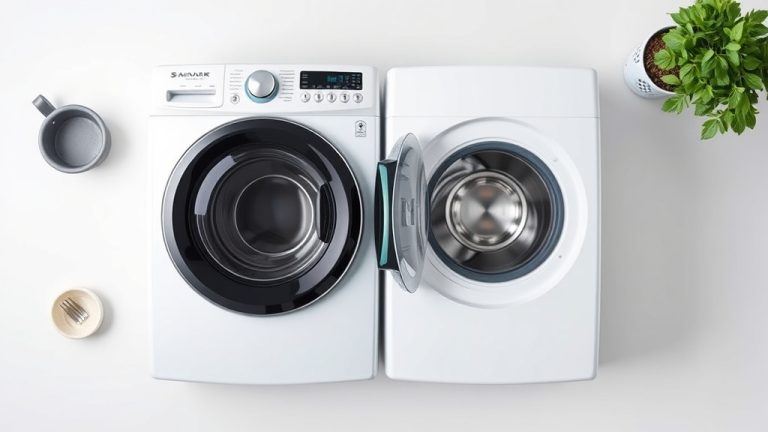
Front-load portables are heavier because the drum is mounted differently. They do wash more gently on your clothes. Top-loads are easier to load and unload. They also take up less floor space since you open the lid from the top.
Floor Space and Mobility Trade-Offs
Bigger capacity means a bigger footprint. Most of the largest portable washing machines are about 36 inches tall and 21 inches wide. That is roughly the same width as a standard washer but about a foot shorter.
You will need about two feet of clearance in front of the machine to open the lid or door. The wheels on these units are sturdy, but they do not glide as smoothly as smaller models. A heavy load adds another 15 pounds of weight, so pushing the machine gets harder.
We found that people who buy these large portables usually keep them in one spot. They roll them out only when they need to hook up to the sink. If you plan to move it every single day, consider a smaller model instead. Your back will thank you.
Connection Requirements for Large Portable Washers
Every portable washing machine connects to a standard kitchen or bathroom faucet. The largest models are no exception. You snap on a quick-connect adapter, attach the fill hose, and you’re ready to go. The drain hose fits over the edge of your sink or tub.
One thing we found that surprises people: power. These big portable washers plug into a standard 110-volt outlet. That is the same as a laptop or a lamp. No special wiring needed. That makes them perfect for older apartments where the laundry area has no dedicated electrical circuit.
Water Pressure and Flow Rate
Bigger machines fill a larger drum, which means they need steady water pressure. If your faucet has low flow, the wash cycle will take longer. Most users report a fill time of about 10 to 15 minutes on a full load with an XL portable washer. That is a bit slower than a standard machine, but you are not paying for hookup installation.
If your sink has a pull-down sprayer or a non-standard aerator, you will need a universal adapter kit. These come in the box with most major brands. Just follow the included instructions to thread the adapter onto the faucet. It is a five-minute job, even if you are not handy.
Tech Features Worth Paying For
Not all large portable washers behave the same. The biggest capacity machines come with a few extra settings that actually matter. We found that the following features make the biggest difference in day-to-day use.
- Digital display with cycle countdown
- Kids lock to prevent accidental button presses
- Delay start so you can run it when you are home
- Multiple water level settings for small or large loads
- A separate spin-only cycle for quick drying
- Quiet operation rating below 60 decibels
Skip the bells and whistles like smart-home voice control. They sound cool but add price without improving wash quality. Stick to the practical stuff that makes laundry easier.
Noise Levels and Vibration in Bigger Drums
Bigger drums slosh more water, which means more noise. Most large portable washers sit in the 55- to 65-decibel range during the wash cycle. That is about as loud as background music. The spin cycle is louder, hitting up to 75 decibels on some models.
Here is a quick tip: place a rubber anti-vibration mat under the machine. It absorbs the shaking from an off-balance load and keeps the unit from walking across your floor. Many experts say this simple step extends the life of the washer. That way, you do not need to glue yourself to the machine to keep it level.
Who Should Buy the Largest Portable Washing Machine
There is a specific type of person who needs a 2.5-cubic-foot portable washer. If any of these statements describe you, this machine is likely the right call. Check the list and see if you check at least three boxes.
- You live in a small apartment with no in-unit laundry hookups
- You use a kitchen or bathroom sink for water access
- You wash bulky items like comforters and towels weekly
- You dislike laundromats and want to save time and quarters
- You have floor space near a sink that can hold a small appliance
- You want to cut your laundry time in half with bigger loads
If you found three matches, you are a solid candidate for the biggest portable model. If you only picked one or two, a standard 1.6-cubic-foot unit will probably serve you well at a lower price. Don’t overspend if you don’t actually need the extra drum space.
When a Smaller Portable Washer Makes More Sense
The largest portable washing machine is not for everyone. If you live in a studio apartment, the extra height and weight become a problem. You might have no place to store it when it’s not in use. In that case, a 1.6-cubic-foot model that fits under a counter is the better pick.
Light sleepers should also think twice. A bigger drum can shake a lightweight sink cabinet. If your faucet is not bolted down tightly, the vibration could loosen it over time. Many experts point to weight distribution as the main reason to choose a smaller unit in a cramped space.
Budget and Value: What Size Costs What
You pay a premium for the extra capacity. The largest portable washers usually start around 400 dollars and climb to over 700 dollars for the features-rich models. Smaller portables start near 250 dollars. That is a real gap, but the gap in value depends on your laundry routine.
We found that the sweet spot for most buyers is the mid-range 2.3-cubic-foot models. They cost about 450 to 500 dollars and offer 80 percent of the capacity of the top-tier units. You lose a few pounds of load capacity but save a hundred dollars and roughly 10 pounds of machine weight.
Long-Term Costs of Running a Large Portable
Using a portable washer costs more than a regular machine because you use hot water from your faucet. The heater inside the portable unit climbs to a max water temperature of about 140 degrees. That draws more electricity. Over a year, expect a slight bump in your electric bill, but nothing drastic.
On the flip side, you save a ton of money by skipping the laundromat. If you spend four dollars per wash and dry cycle and do six loads a month, that is nearly 300 dollars a year. A portable washer pays for itself in under two years. That math makes it a wise investment for budget-conscious households.
Your Checklist Before Buying the Biggest Portable Washer
Before you click “add to cart,” run through this quick checklist. It helps you avoid buyer’s remorse and makes sure the largest portable washing machine fits your home. We put this together after researching dozens of user reviews and product specs.
- Measure your faucet height and sink depth to confirm the drain hose can reach
- Confirm the unit width matches your intended storage spot
- Check that a standard 120V outlet is within 6 feet of the sink
- Look for a spin speed of at least 800 RPM to keep drying time short
- Verify the return policy in case the unit is too big for your space
- Read the manual to understand the maximum water temperature input
That is your full shopping guide. Take your time, measure twice, and you will end up with a portable washer that handles your biggest laundry days with ease. The right unit turns a weekly chore into a 45-minute task you can do while you watch a show or make dinner. That is a total win for anyone in a small home.
Conclusion
You now know the largest portable washing machines top out at 2.5 cubic feet and handle about 17 pounds of laundry per load. That is enough for a queen comforter or a week of clothes, all without needing a permanent hookup. These units are bigger, heavier, and pricier than standard portables, but they deliver the closest thing to a full-size washer for small spaces.
Before you buy, measure your sink area and confirm you have a standard 120V outlet nearby. If bulky items are your main pain point, the extra capacity is worth every penny. But if you only wash light loads, save your back and your budget with a smaller model. Pick the size that matches your routine, and you will actually enjoy doing laundry at home.
Frequently Asked Questions
Can a 2.5 cubic foot portable washer wash a king-size comforter?
No, a king-size comforter is usually too large and heavy for a 2.5-cubic-foot drum. The machine needs room for water to circulate, and a bulky comforter will just ball up. You can wash a queen-size comforter, but stick to thin or medium-weight materials. For a king, you will still need a laundromat.
How long does a full cycle take on the largest portable washers?
Most large portable washers run for about 40 to 60 minutes on a normal cycle. The wash portion takes 15 to 20 minutes, and the spin cycle adds another 10 to 15 minutes. Heavy items like towels or jeans may extend the cycle slightly. It is slower than a full-size washer, but you can walk away while it works.
Do you need a special faucet for a large portable washing machine?
No, you just need a standard threaded faucet on your kitchen or bathroom sink. Most models include a quick-connect adapter that screws right on. If your faucet has a pull-down sprayer or an odd-shaped aerator, you may need a universal adapter kit. These kits are inexpensive and available at most hardware stores.
Will a big portable washer damage a kitchen sink cabinet?
It can, if the cabinet is flimsy or not secured properly. The spin cycle creates vibration that can loosen faucet fittings over time. We recommend placing a rubber anti-vibration mat underneath the machine. You should also check that your sink is bolted down tightly before the first wash.
Are front-load portable washers bigger than top-load models?
Front-load portables can reach 2.4 cubic feet, while top-loads go up to 2.5 cubic feet. So top-loads hold slightly more capacity. Front-loads are usually heavier and take up more floor space because of the door swing. Top-loads are easier to pack full and tend to be lighter for rolling around.