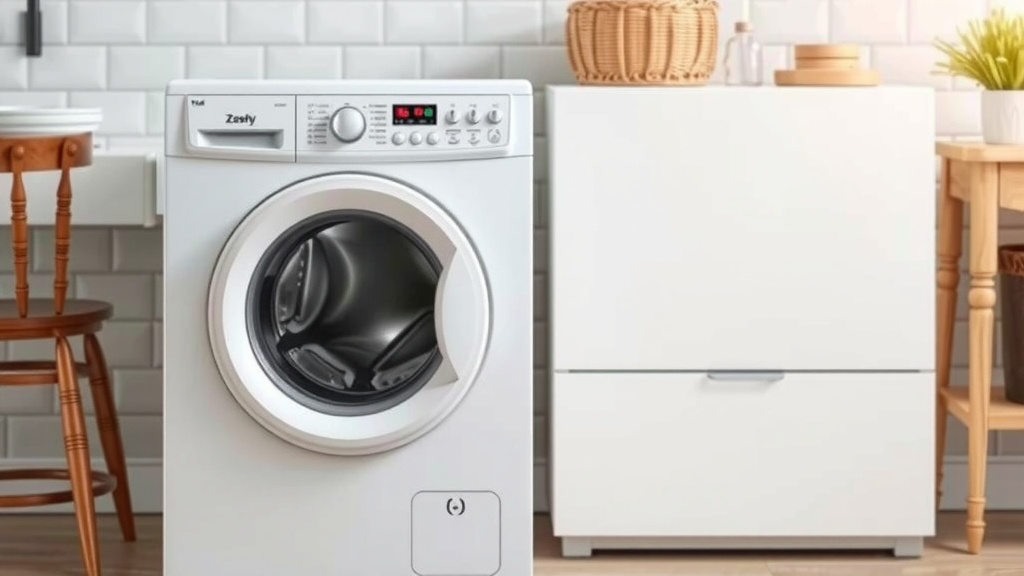
Front Load Washer Water Savings: How Much You Can Save
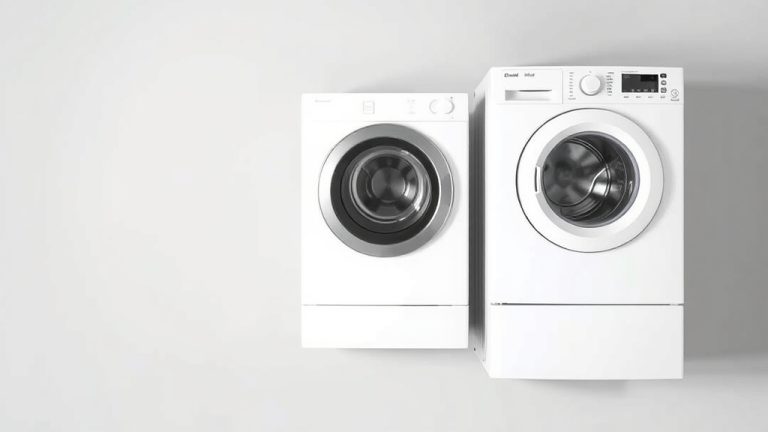
So, how much water does a front load washer save? You’ll be happy to know that front load washers are remarkably water-efficient. They typically use about 30-50% less water than traditional top-load machines. This means fewer gallons are flushed down the drain with every load.
When you’re looking to cut down on your utility bills, your washing machine plays a big part. Front loaders achieve their water savings by tumbling clothes through a small pool of water at the bottom. This is a smarter approach than top loaders, which often fill the entire drum. You can expect to save a significant amount of water over time.
- Front load washers use 30-50% less water than old top-loaders.
- They achieve savings by tumbling clothes in less water.
- This efficiency leads to lower water bills.
- It’s a great way to be more eco-friendly at home.
Let’s dive into the specifics of how much water you can expect to save and why these machines are so efficient.
Understanding Front Load Washer Water Savings
Front load washers use considerably less water than older, traditional top-load models. You can expect them to be about 30% to 50% more efficient with water usage.
How Front Loaders Achieve Water Efficiency
The magic behind a front loader’s water savings lies in its design. Instead of filling the entire tub with water, these machines use a tumbling action. Your clothes are lifted and dropped through a small amount of water at the bottom of the drum.
Think of it like this: a traditional top-loader is like a bathtub, filling up completely to wash your clothes. A front-loader is more like a shower, using a controlled spray to get the job done. This means much less water is needed per cycle.
Typical Water Usage Comparison
To give you a clearer picture, let’s look at some numbers. Research shows a standard top-load washer might use anywhere from 30 to 45 gallons of water per load.
A high-efficiency (HE) front-load washer, on the other hand, often uses just 10 to 20 gallons per load. That’s a huge difference! Over a year, this can add up to thousands of gallons saved.
| Washer Type | Average Water Usage Per Load (Gallons) |
|---|---|
| Traditional Top-Load Washer | 30 – 45 |
| High-Efficiency (HE) Front-Load Washer | 10 – 20 |
As you can see, the savings are quite substantial. This efficiency isn’t just good for your wallet; it’s also better for the environment. You’re contributing to water conservation efforts right from your laundry room.
Factors Influencing Your Savings
While front-load washers are inherently water-savers, your actual savings can vary. Several factors come into play.
Machine Size and Capacity
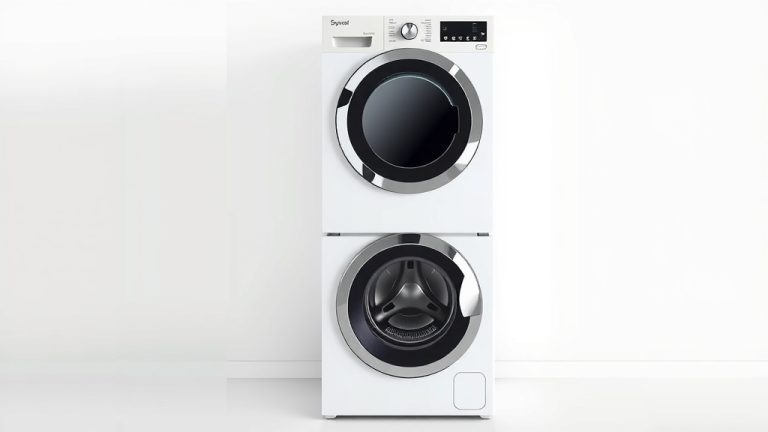
Larger capacity machines, whether top-load or front-load, will generally use more water. However, a large-capacity front-loader will still likely use less water than a comparably sized traditional top-loader. You’re getting more cleaning power without a proportional increase in water use.
Wash Cycle Selection
The type of cycle you choose makes a difference. Heavy-duty cycles, for instance, might use slightly more water to tackle tough stains. Conversely, quick wash or eco-friendly cycles are designed for maximum water efficiency. Always check your machine’s manual for cycle specifics.
Load Size and Frequency
This might seem obvious, but it’s worth mentioning. The more loads you do, the more water you use. However, front-loaders help minimize the impact of frequent washing. You’ll still save water on each individual load, even if you wash several times a week.
Many modern front-load washers also have sensors. These sensors can detect the size of your load. They then adjust the water level accordingly. This is another smart way they ensure you’re not wasting water. You get just enough water for a clean wash.
Water Pressure and Appliance Age
Your home’s water pressure can slightly affect how much water an appliance uses. Also, like any appliance, washers can become less efficient over time. Regular maintenance can help ensure your machine continues to operate at its best. Keeping seals clean and clear of debris is a good practice.
The Economic and Environmental Impact
The water savings from a front-load washer translate into real benefits for you and the planet. Let’s break it down.
Lower Utility Bills
Water isn’t free, and neither is heating it. By using less water, you’ll see a reduction in both your water bill and your energy bill if you use hot water for washes. Over time, these savings can add up significantly. Some studies suggest annual savings can be upwards of $100 or more, depending on your water rates and usage habits.
Reduced Environmental Footprint
Water is a precious resource. Conserving it is important for sustainability. When you choose a water-efficient appliance like a front-load washer, you’re doing your part to reduce strain on local water supplies. This is especially important in areas prone to drought. You’re making a positive environmental choice.
Furthermore, heating less water means using less energy. This can reduce your carbon footprint. It’s a win-win situation for your household budget and for the environment. We found that many consumers are increasingly looking for eco-friendly appliance options.
Making the Most of Your Front Loader’s Efficiency
Want to maximize the water and energy savings from your front-load washer? Here are a few tips.
- Wash full loads whenever possible. This ensures you’re getting the most out of each cycle.
- Choose cold water settings. Heating water accounts for about 90% of the energy used by a washing machine.
- Use the correct detergent. Front-load machines require High-Efficiency (HE) detergent. Using regular detergent can cause excessive suds, which might require extra rinses and thus more water.
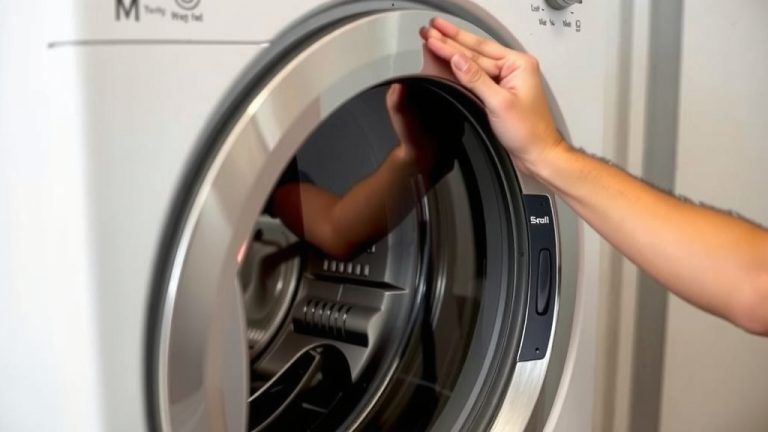
- Maintain your machine. Clean the door seal and dispenser drawer regularly. Check for any obstructions.
- Consider your cycle selection. Opt for eco-friendly or quick wash cycles when appropriate.
Conclusion
You’ve seen how front-load washers offer impressive water savings, often using 30-50% less water than older models. Their clever tumbling action means less water is needed for a thorough clean. This efficiency not only helps lower your utility bills but also makes a positive impact on water conservation. By understanding the factors that influence savings and adopting smart laundry habits, you can maximize these benefits. Ready to make your laundry routine more eco-friendly and budget-conscious? Consider a front-load washer for your next appliance upgrade.
Frequently Asked Questions
How much money can I expect to save on water bills with a front load washer?
The exact savings vary based on your local water rates and how often you do laundry. However, research and found that you could potentially save anywhere from $50 to over $100 per year on your water and energy bills. This is due to the significant reduction in water usage per load.
Are all front load washers really that water-efficient?
Generally, yes. Most modern front-load washers are designed with water efficiency in mind. Look for ENERGY STAR certified models, as these are independently verified to meet strict water and energy conservation standards. This certification ensures you’re getting a truly efficient appliance.
Can a front load washer save water if I only do small loads?
Front-load washers are designed to be efficient even with smaller loads because they use a minimal amount of water to start. While washing full loads is always recommended for maximum efficiency, their design prevents the extreme water waste seen in traditional top-loaders when they are not completely full.
Do front load washers use less detergent too?
Yes, front-load washers typically require less detergent because they use less water. It’s important to use High-Efficiency (HE) detergent specifically designed for these machines. Using too much or the wrong type of detergent can create excessive suds, potentially requiring extra rinses and negating some water savings.
How does a front load washer’s water usage compare to a high-efficiency (HE) top load washer?
While HE top-load washers are more efficient than traditional ones, front-load washers generally still use less water. HE top-loaders might use around 15-25 gallons per load, whereas front-loaders often use just 10-20 gallons. The tumbling action in front-loaders is typically the key differentiator for lower water consumption. While HE top-load washers are more efficient than traditional ones, front-load washers generally still use less water.