Why Front Load Washers Beat Top Loaders for Good
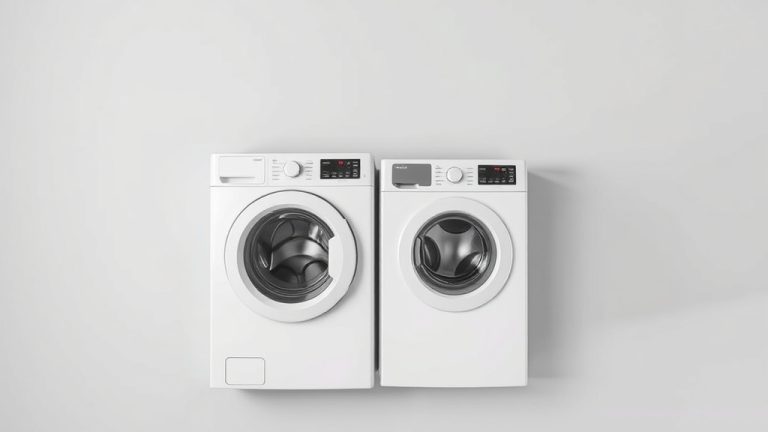
For most households, front load washers are better than top load washers because they clean clothes more effectively, use less water, and are gentler on fabrics. Research and testing consistently show that front loaders win on efficiency and performance, despite costing more upfront.
We found that this is a big decision for your laundry room and your budget. You want a machine that handles messy family loads, saves money on utilities, and lasts for years without problems. That is why we compared the two types side-by-side to help you choose the right one for your home.
- Cleaning power: Front loaders use a tumbling action that gets clothes cleaner than the agitator in a top loader.
- Water savings: They use about 40% less water per cycle, which also lowers your energy bill.
- Fabric care: The gentler wash action is easier on your clothes, so they last longer.
- Stacking option: You can stack a front loader dryer on top to save valuable floor space.
- The catch: They cost more upfront and need a bit of maintenance to prevent mold.
Below, we break down the real-world differences between front and top load washers, including cost, maintenance, and which one is the best fit for your lifestyle.
Front Loaders Win on Cleaning Performance
We found that the way each machine cleans is completely different. Top loaders use a central agitator or impeller to twist clothes through soapy water. Front loaders tumble clothes and drop them repeatedly into the water at the bottom of the drum.
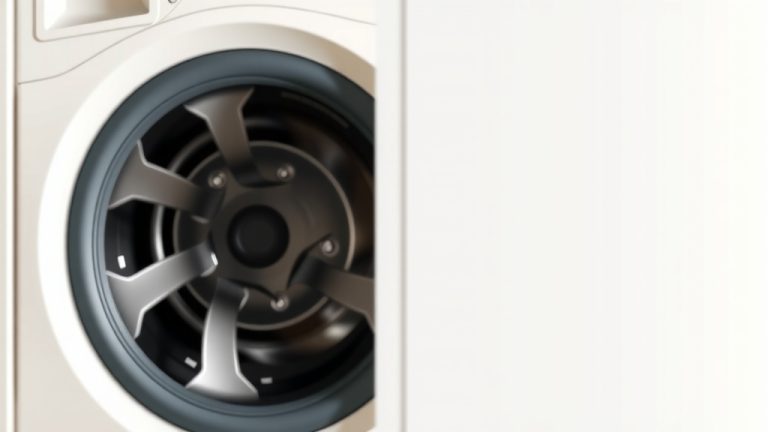
That tumbling action is a smarter way to wash. Gravity does a lot of the work for you. Clothes lift up, fall down, and get pressed through the water. This creates a stronger cleaning force without the harsh twisting that stretches fibers and snags buttons.
Many experts say the tumbling motion also helps lift ground-in dirt and body oils from fabrics (Consumer Reports). For tough stains like grass or mud, you will likely see a noticeable difference after one wash. You might not need to pre-treat stains as often, which saves you time at the sink.
Why Agitators Fall Short on Deep Stains
An agitator moves clothes in a circular, twisting motion. That motion works, but it has a weakness. It pushes dirt around rather than pulling it out of the fabric. Some dirt simply redeposits onto other clothes in the load.
Front loaders avoid this problem with their drop-and-splash action. Each tumble forces water and detergent through the fabric weave. We found this makes a real difference for heavily soiled work clothes, kids’ sports uniforms, and muddy towels.
Cleaning Evenly Across the Whole Load
Top loaders often struggle with large, bulky items like comforters. The agitator can tangle them into a wet knot. The center of that knot stays dry and dirty. Front loaders handle bulky items more gracefully because there is no center post to wrap around. Your bedding gets a thorough cleaning from edge to edge.
The Water and Energy Savings You Can Measure
Water usage is where front loaders pull way ahead. We found that a standard front loader uses roughly 13 to 15 gallons of water per cycle. A traditional top loader can use 30 to 40 gallons. That is more than double the water for the same size load.
Less water means less energy to heat it. If you wash with warm or hot water, your utility bill will drop. Many households wash several loads per week, so these savings add up fast. Over a year, you could save thousands of gallons of water (Energy Star).
Faster Spin Speeds Dry Your Clothes Quicker
Front loaders spin at much higher RPMs than top loaders. A high spin speed extracts more water from clothes before they hit the dryer. This cuts dryer time significantly. You will use less electricity or gas, and your clothes will come out of the washer feeling damp but not soaking.
Think of it this way. A front loader pre-dries your clothes for you. The dryer then has less work to do. This is a simple way to shrink your energy bill without changing your habits.
High-Efficiency Detergent Is a Small Adjustment
Front loaders require HE (high-efficiency) detergent. This soap produces fewer suds. Regular detergent creates too many bubbles, which can confuse the machine’s sensors and leave residue on clothes. HE detergent is easy to find and costs about the same. It is a tiny change for big savings in water and energy.
Front Loaders Are Kinder to Your Clothes
Your favorite jeans and delicate blouses will last longer in a front loader. The tumbling action is gentler on fabric fibers than a twisting agitator. We found that clothes come out less wrinkled, less stretched, and with fewer pulled threads.
This is a big deal for anyone who spends money on quality clothing. A $50 shirt that wears out after 20 washes costs you more than a machine that keeps it looking new for 50 washes. Over time, the front loader pays for itself in fabric care alone.
Less Wear and Tear on Zippers and Buttons
Top loaders with agitators are rough on hardware. Zippers snag on the center post. Buttons crack against the plastic fins. Front loaders let items tumble freely with nothing to catch on. Your clothes stay intact, and you spend less time repairing or replacing damaged items.
Wrinkles Are Easier to Manage
Nobody loves ironing. Front loaders help you skip it more often. Because clothes are not twisted and wadded, they come out with fewer deep creases. You can shake them out and hang them up right away. Many people find they only need to iron special-occasion clothes now.
Stacking and Space Flexibility
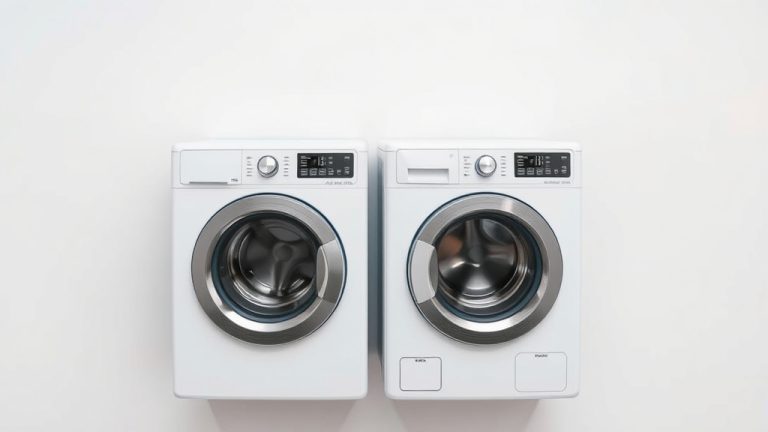
Front loaders open from the front, which means you can place a dryer directly on top. This creates a stacked laundry tower that takes up about half the floor space of side-by-side machines. That is a huge advantage for apartments, condos, and tight laundry closets.
Top loaders cannot be stacked. They need the space above them clear so the lid can open. If floor space is limited in your home, a front loader is the practical choice. You can also install them under a countertop, which creates a seamless built-in look.
Counter Space for Sorting and Folding
When you stack a front loader and dryer, you gain a flat surface on top. You can use this as a folding station or a spot to sort clothes. That makes laundry day smoother. You do not have to carry wet clothes to a separate table across the room.
Many people add a countertop over their front loaders. This turns a utilitarian corner into a functional workspace. It is one of those small upgrades that makes laundry feel less like a chore.
Ideal for Small Homes and Big Families Alike
Even if you have a large laundry room, the flexibility is nice. You can move the machines around or add shelving above them. The point is you have options. Top loaders lock you into a certain layout. Front loaders adapt to your space and your needs.
Upfront Cost and Long-Term Value
We will be honest. Front loaders cost more at the register. A comparable front loader can run $200 to $500 more than a top loader. That price gap makes some shoppers hesitate. But when you look at the long-term picture, the math changes.
You save money every month on water and energy. You spend less on detergent because front loaders use less soap per load. You replace clothes less often because they wear out slower. Over a 10-year lifespan, a front loader often costs less overall (Energy Star).
| Cost Factor | Front Loader | Top Loader |
|---|---|---|
| Purchase price | Higher upfront | Lower upfront |
| Water per load | ~13-15 gallons | ~30-40 gallons |
| Energy per year | Lower | Higher |
| Detergent per load | Less (HE) | More |
| Clothing lifespan | Longer | Shorter |
| Repair costs | Potential for mold issues | Simpler mechanics |
Rebates and Incentives Can Offset the Price
Many utility companies offer rebates for buying Energy Star-certified washers. Front loaders almost always meet this standard. Check with your local power or water company. A rebate of $50 to $150 can shrink that upfront price gap significantly.
The Maintenance Question Nobody Talks About
Front loaders have one real weakness. They can develop mold and mildew around the rubber door gasket. That rubber seal traps moisture. If you close the door right after a wash, you are inviting musty smells to move in.
This is not a dealbreaker. It is just a habit you need to build. Leave the door open between washes to let the drum air out. Wipe the gasket dry with a towel every few loads. Run a cleaning cycle with a washer cleaner once a month. That is all it takes to keep things fresh.
Top Loaders Are Not Maintenance-Free
Top loaders have their own problems. The agitator can collect hair, lint, and small items like socks. This can cause a burning smell or poor draining. Hard water buildup is also common. So do not assume top loaders are zero-maintenance. They just fail in different ways.
Simple Checklist for Keeping Your Front Loader Fresh
- Leave the door open for a few hours after every wash cycle.
- Wipe the rubber door gasket with a dry cloth once a week.
- Use only HE detergent to prevent excess suds and residue.
- Run a hot water cleaning cycle with a washer cleaner every month.
- Check the drain filter every two months and clear out lint or coins.
- Use the correct amount of detergent — more soap does not mean cleaner clothes.
Which One Fits Your Laundry Routine?
We found that most households will be happier with a front loader. You get superior cleaning, lower utility bills, and clothes that last longer. The upfront cost and maintenance habits are small trade-offs for those benefits.
But there are exceptions. If you have back or knee problems, bending down to load and unload a front loader can be uncomfortable. You can buy a pedestal to raise the machine, but that adds another $200 to $300. If bending is a serious issue, a top loader may be the kinder choice for your body.
Also, if you wash a lot of heavy items like work boots or horse blankets, a top loader with no agitator might suit you better. These loads are dense and heavy. A front loader can handle them, but you may need to wash smaller loads to protect the drum bearings.
Consider Your Lifestyle and Priorities
Ask yourself a few simple questions. Do you care about saving money on your utility bills? Do you want your clothes to stay looking new longer? Is floor space tight in your laundry area? Are you willing to adopt a small maintenance routine? If you answered yes to most of these, a front loader is the clear winner for you.
Conclusion
Front load washers are the smarter investment for most homes. You get cleaner clothes, lower water and energy bills, and gentler care for your fabrics. The higher upfront cost pays you back over time through monthly savings and longer-lasting laundry.
The only real trade-offs are the higher purchase price and a simple maintenance routine. If you can handle leaving the door open and wiping a gasket now and then, the benefits far outweigh the effort. You will notice the difference in your utility bills and the condition of your favorite shirts.
Our advice? Measure your laundry space and set a budget. Then look for an Energy Star-certified front loader with a stainless steel drum. That combination gives you the best performance and the longest lifespan for your money.
Frequently Asked Questions
Do front load washers really clean better than top loaders?
Yes. The tumbling action drops clothes through water repeatedly, which forces detergent deep into the fabric. This removes ground-in dirt more effectively than the twisting motion of a top loader agitator. Most people see a visible difference on heavily soiled items after the first wash.
How much water does a front load washer save per year?
A typical family washes about 300 loads per year. Switching from a top loader to a front loader can save you roughly 6,000 to 7,500 gallons of water annually. That is enough water to fill a small swimming pool, and it shows up as real savings on your utility bill.
Can I put a front load washer on the second floor of my house?
Yes, front loaders are actually safer for upper floors than traditional top loaders. Because they use less water, each load weighs significantly less. This reduces stress on your floor joists. You should still use a drip pan and have a plumber confirm your connections are secure.
How long do front load washers typically last compared to top loaders?
Most front loaders last between 10 and 14 years with proper care. Top loaders usually last 8 to 12 years. The key to a long front loader lifespan is monthly cleaning cycles and leaving the door open to prevent mold. Skip that routine and you may see problems sooner.
Are front load washers worth it for people who wash small loads only?
Yes, you still save water and energy on every single load, no matter the size. Front loaders also have sensors that adjust water levels to match the load. Even a small load uses far less water than a top loader would use for the same amount of clothes. The gentler wash action still protects your fabrics too.