Convertible Dishwasher Explained: What It Is and How It Works
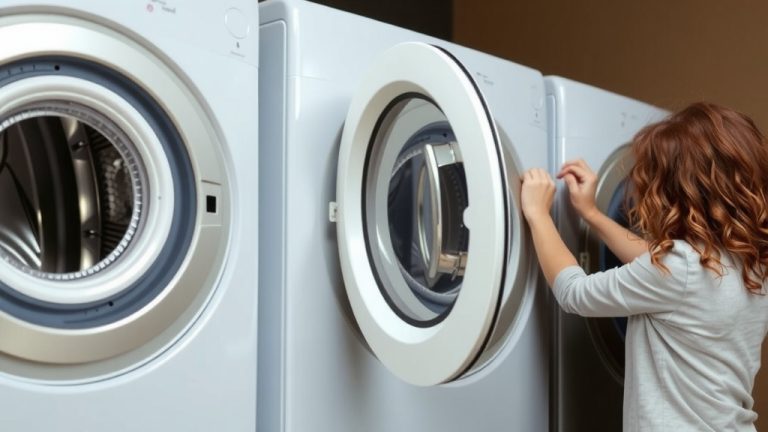
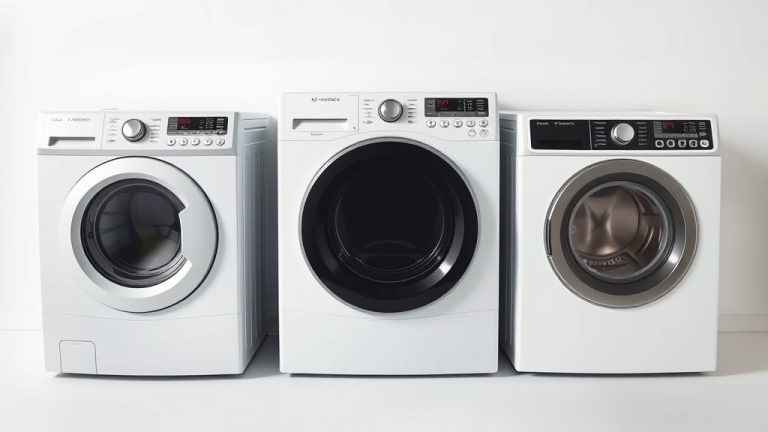
A convertible dishwasher is a portable dishwasher that you can install as a permanent, built-in appliance later. You can roll it up to your sink, hook it up, and start washing today. Or, you can remove the wheels and top, and slide it right under your countertop when you’re ready.
We found that this two-in-one design is a lifesaver for renters, small apartments, or anyone remodeling their kitchen. It gives you the flexibility of a portable unit now, without losing the option for a sleek, built-in look later. Many experts say it’s the smartest way to get a dishwasher without committing to a full kitchen renovation.
- Dual Mode: It works as a roll-around portable unit or a permanent built-in.
- Easy Setup: No hardwiring is required; you just connect it to your kitchen faucet.
- Perfect for Renters: You can take it with you when you move.
- Space Saver: It fits into standard 24-inch cabinet openings when converted.
- Cost-Effective: It is generally cheaper than a full built-in installation.
Below, we break down exactly how a convertible dishwasher works, how to choose the right one, and the simple steps to switch between portable and built-in modes. Let’s get your dishes clean with zero hassle.
Understanding the Convertible Dishwasher Design
A convertible dishwasher is essentially a portable dishwasher with a built-in future. You get a fully functional machine on wheels. When your kitchen situation changes, that same machine transforms into a permanent fixture. We found this dual-personality design solves a real problem for many households.
The key difference from a standard portable model is the hardware. Convertible units come with removable tops and wheels. They also have adjustable feet for leveling under a counter. This makes the switch from rolling to resting possible.
How It Works as a Portable Unit
In portable mode, you park the dishwasher next to your sink. You connect a special faucet adapter to your kitchen faucet. The dishwasher pulls water through a hose, cleans your dishes, and drains back into the sink.
Most portable units hold about eight place settings. That is enough for a small family or a couple who cooks often. You simply roll it away when you are done, freeing up your counter space.
How It Works as a Built-In Unit
When you are ready to commit, you convert the unit. You remove the top panel and the wheels. Then you slide the dishwasher into a standard 24-inch cabinet opening. You connect the water line directly to your home’s plumbing, just like a regular built-in model.
We found that this conversion takes about 30 minutes with basic tools. You need a screwdriver and an adjustable wrench. Many manufacturers include the conversion kit right in the box.
The Real Benefits of a Convertible Dishwasher
Why would you choose a convertible over a standard portable or a traditional built-in? The answer comes down to flexibility. We found that this appliance adapts to your life, not the other way around.
Perfect for Renters and Apartment Dwellers
Renting a place without a dishwasher is a common frustration. A convertible unit gives you the luxury of clean dishes without asking your landlord for permission. When you move, the dishwasher moves with you. No money lost on permanent installation.
Many renters tell us this is the smartest appliance purchase they make. You are not stuck leaving a costly appliance behind.
Ideal for Kitchen Remodels
Remodeling your kitchen is exciting, but it takes time. A convertible dishwasher bridges the gap. You can use it as a portable unit while your new cabinets are being built. Once the space is ready, you convert it to a built-in. This way, you enjoy clean dishes the entire time.
This also helps your budget. You buy one appliance that serves two purposes, rather than buying a portable now and a built-in later.
Convertible vs. Portable vs. Built-In: What Is the Difference?
Choosing between these three types of dishwashers can feel confusing. We broke down the main differences so you can see the picture clearly.
| Feature | Convertible | Portable | Built-In |
|---|---|---|---|
| Mobility | Rolls now, fixed later | Always rolls | Always fixed |
| Installation | Faucet now, hardwired later | Faucet only | Hardwired only |
| Best for | Renters, remodelers | Small spaces | Homeowners |
| Counter fit | Yes, when converted | No | Yes |
| Price range | Mid-range | Lower | Higher |
We found that a convertible dishwasher offers the best of both worlds. You pay a little more than a portable, but you save compared to a built-in plus installation fees.
Key Features to Look For When Buying
Not all convertible dishwashers are created equal. We researched the market and found that certain features matter more than others. Keep these in mind as you shop.
Water Consumption and Efficiency
Look for models with an Energy Star rating. These use less water and electricity. Many guidelines point to Energy Star appliances as a good first step for reducing your home’s environmental impact (U.S. Department of Energy). A typical convertible dishwasher uses about 3 to 4 gallons per load. That is far less than hand washing.
Cycle Options and Noise Levels
Check for a heavy-duty cycle for pots and pans. Look for a quick wash for everyday dishes. Also, pay attention to the noise rating. A dishwasher rated at 50 decibels or lower is quiet enough for an open kitchen layout. We found that quieter models cost a bit more, but they are worth it if your kitchen is near your living room.
Faucet Adapter Compatibility
Not every faucet works with a portable dishwasher. Most come with a universal adapter, but some older faucets need a special fitting. Check your kitchen faucet before you buy. If you have a pull-out sprayer head, you may need an additional adapter. We recommend measuring your faucet threads to be sure.
How to Switch Between Portable and Built-In Modes
Switching modes is not as hard as it sounds. We found that most people can do it in an afternoon. Here is a simple breakdown of the process.
Step-by-Step Conversion to Built-In
First, unplug the unit and disconnect the water hose. Next, remove the top panel by unscrewing it from the sides. Then, flip the unit on its side to access the wheels. Remove the wheels and attach the included leg levelers. Finally, slide the unit into the cabinet opening and connect the water supply line.
You will also need to secure the unit to the countertop with the included brackets. This keeps it from tipping when you pull out a heavy rack. Many experts say that proper anchoring is essential for safety.
Checklist Before You Convert
Before you start the conversion, make sure you have everything ready. Use this quick checklist:
- Confirm your cabinet opening is exactly 24 inches wide.
- Check that your water supply valve is within reach.
- Have a screwdriver and adjustable wrench on hand.
- Verify your electrical outlet is grounded.
- Clear out the space under the counter completely.
- Keep the conversion kit parts in a safe spot.
Common Mistakes to Avoid
Even with a straightforward process, people make mistakes. We found that avoiding these pitfalls saves you time and frustration.
Skipping the Water Pressure Test
Portable dishwashers rely on your home’s water pressure. If your pressure is too low, the dishwasher will not clean well. Many guidelines suggest a minimum of 20 psi for optimal performance (U.S. Environmental Protection Agency). You can test this with a simple gauge from a hardware store.
Ignoring the Drain Hose Length
When you convert to a built-in, the drain hose needs to reach your plumbing. We found that most standard hoses are long enough, but not always. Measure the distance from the dishwasher location to the drain pipe before you start.
Is a Convertible Dishwasher Right for Your Kitchen?
This is the big question. We found that a convertible dishwasher works best for people in transition. If you rent, move often, or plan to remodel, this is your machine. If you own a home and never plan to move, a traditional built-in might be a better use of your money.
Think about your next five years. Are you staying in the same place? Will your kitchen change? A convertible gives you options without locking you into one path. It is a practical, budget-friendly choice for the uncertain times in life.
We also found that these units are great for vacation homes or guest houses. You get the convenience of a dishwasher without the commitment of a full installation. When you sell the property, you can take the dishwasher with you.
Take a close look at your daily routine. If you hate hand washing dishes, a convertible is a worthy upgrade. It is a small change that makes a big difference in your kitchen workflow.
Conclusion
You don’t have to choose between washing dishes by hand and committing to a major kitchen project. A convertible dishwasher gives you the best of both worlds. You get a roll-around machine today, and a permanent built-in whenever you’re ready.
We found this is the smartest pick for renters, apartment dwellers, and anyone planning a remodel. You save money, you save space, and you keep your options open. The conversion takes about 30 minutes with basic tools.
If you’re tired of scrubbing pots by hand, start by measuring your kitchen space. Then check your faucet compatibility. Once you confirm those two things, you’re ready to find the perfect convertible dishwasher for your home.
Frequently Asked Questions
Can you install a convertible dishwasher yourself?
Yes, you can. In portable mode, you just attach the hose to your kitchen faucet. For built-in mode, you need basic plumbing knowledge and simple tools. We found most homeowners can handle the conversion in about 30 minutes.
How much water does a convertible dishwasher use?
Most convertible models use about 3 to 4 gallons per load. That’s significantly less than hand washing the same amount of dishes. Energy Star rated models are the most efficient choice for your utility bills.
Will a convertible dishwasher fit under my countertop?
Standard convertible models fit into a typical 24-inch cabinet opening. You need to remove the top panel and wheels first. Check your cabinet height too, since most units are about 34 inches tall before conversion.
Do convertible dishwashers need hot water or cold water?
They work best with hot water. Your dishwasher heats the water internally, but starting with hot water speeds up the cycle. You should connect the unit to your hot water supply line under the sink for best cleaning results.
Can you move a convertible dishwasher after it’s installed as a built-in?
Technically yes, but it’s not practical. Once you convert it to built-in mode, you remove the wheels and top. You can reinstall those parts if you move. We found most people just leave it behind and buy a new portable for their next place.