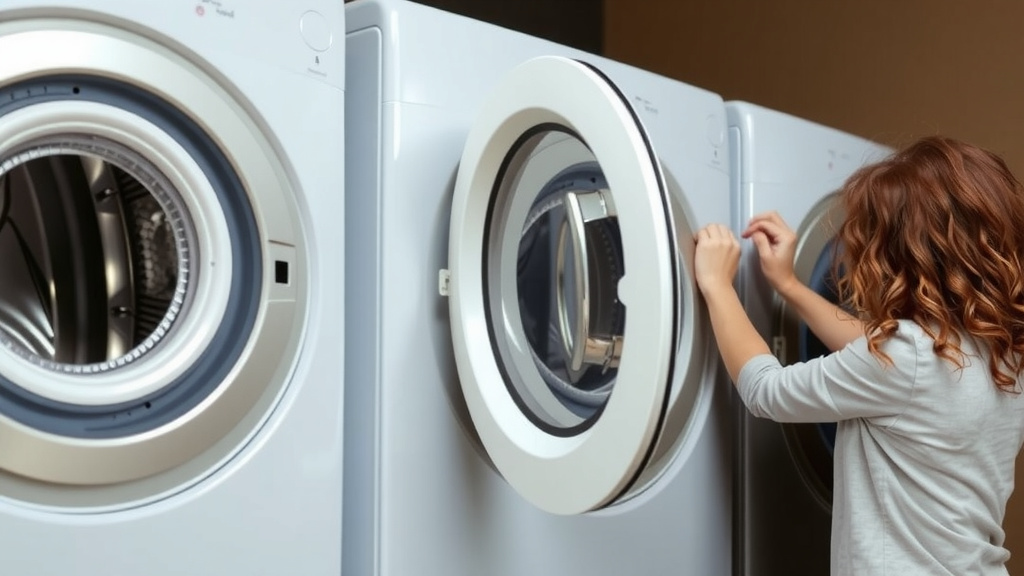
How Much Clothes to Put in Front Load Washer?
When loading your front load washer, aim for about three-quarters full. This allows enough space for clothes to move freely and get properly clean. Overloading can lead to poor washing performance and put strain on your machine.
Figuring out the right amount of laundry matters for effective cleaning. Too little, and you might waste water and energy. Too much, and your clothes won’t get a thorough wash. Many experts suggest the “rule of thumb” to avoid these pitfalls and ensure your machine runs smoothly.
- Don’t stuff your washer completely full.
- Aim for about 75% capacity.
- Clothes need room to tumble for best results.
- Overloading can damage your machine over time.
Let’s walk through exactly how much to load for a cleaner wash and a happier washing machine.
How Full Should Your Front Load Washer Be?
When it comes to loading your front load washer, there’s a sweet spot to aim for. Too little, and you’re wasting water and energy. Too much, and your clothes might not get that squeaky-clean finish you’re hoping for. We’re here to help you nail that perfect load every time.
The Magic Number: 75% Full is Your Goal
Think of your washing machine like a dance floor. If it’s too crowded, nobody can move! Your clothes need plenty of room to tumble and swish around in the water. Experts and appliance manufacturers generally agree that loading your washer about **three-quarters full** is the ideal capacity. This allows for optimal movement, ensuring detergent reaches all your fabrics and grime gets thoroughly washed away.
Why That Space Matters for Cleaning
A front load washer works by tumbling clothes. This action helps to dislodge dirt and stains. If your machine is packed too tightly, the clothes can’t tumble effectively. They might just sit there, or worse, get bunched up. This means some items might not even get wet, leading to partial cleaning and potential missed spots.
Research shows that proper load size directly impacts cleaning performance. When clothes have adequate space, they can absorb water and detergent more evenly. This also allows for better rinsing, ensuring no soap residue is left behind. Residue can make clothes feel stiff or even irritate sensitive skin (Cleveland Clinic).
What Happens When You Overload?
Pushing past that 75% mark can cause a few problems. For starters, your clothes simply won’t get as clean as they should. You might notice dingy whites or lingering odors, especially in areas that were packed too tightly. It’s a common frustration that can easily be avoided with a little attention to load size.
Beyond cleaning issues, overloading puts **unnecessary strain** on your washing machine. The motor has to work harder to turn the drum when it’s heavy and packed. This can lead to premature wear and tear on the machine’s components. Over time, this could result in costly repairs or even shorten the lifespan of your appliance. Think of it like trying to sprint with a giant backpack on – it’s just not efficient or healthy for the equipment!
How to Visually Judge the Right Load Size
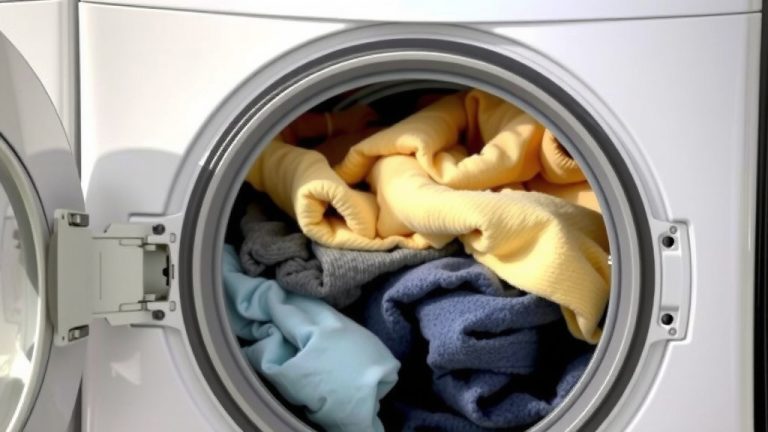
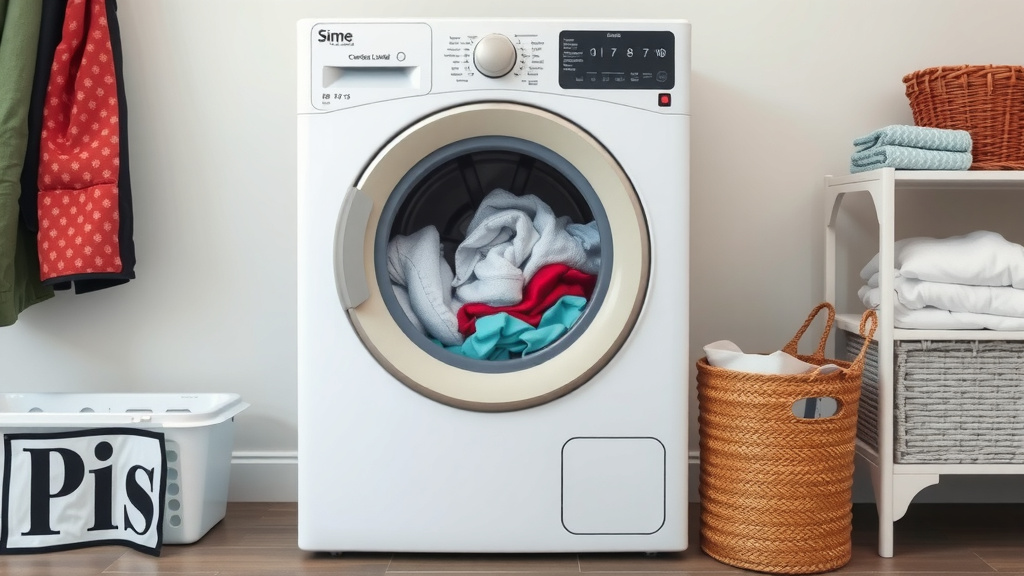
So, how do you actually *see* that 75% full mark? It’s simpler than it sounds. When you’re loading, toss your clothes in loosely. Don’t press them down. Once you feel like you’ve reached about three-quarters of the drum’s capacity, stop. You should still be able to easily lift a portion of the clothes and see the bottom of the drum.
The “Hand Test” for Perfect Loading
A great visual cue is the “hand test.” After you’ve loaded your clothes, try to slide your hand into the top of the drum. You should be able to comfortably fit your hand in there between the clothes and the top of the drum. If you can barely get your fingertips in, it’s likely too full. If you can fit your whole forearm, you might be able to add a little more, but always err on the side of less rather than more.
Different Fabrics, Different Needs
It’s also worth noting that different types of fabrics take up varying amounts of space. Bulky items like towels and bedding will fill the drum much faster than lighter items like t-shirts and socks. This means you’ll likely be able to fit fewer towels in a load than you would t-shirts, even if the weight might seem similar.
For example, a load of heavy towels might only fill the drum to about 50-60% and still be a full load. Conversely, a load of lightweight synthetics could potentially fill it to 85-90% without being truly overloaded, because they don’t occupy as much volume. Always let the space and the ability for clothes to move be your guide, rather than just the weight of the load (Consumer Reports).
What About Smaller Loads?
You might be wondering if it’s okay to do smaller loads. Yes, it is! However, remember the goal is still to give your clothes room to move. Even a small load shouldn’t be packed to the brim. If you only have a few items, ensure they can still tumble freely. Many modern washing machines also have load sensors that adjust water levels for smaller loads, but this doesn’t change the need for **adequate tumbling space**.
The Impact of Detergent and Water
The amount of detergent you use is also tied to load size. Using too much detergent, especially in a densely packed load, can lead to over-sudsing. This can leave residue on your clothes and inside the machine, potentially causing odors and diminishing cleaning effectiveness. Always follow the detergent manufacturer’s recommendations for your load size and machine type.
Front load washers are designed to use less water than older top-load models. This water efficiency is part of what makes them eco-friendly. But this also means they rely more on the tumbling action to get clothes clean. If there isn’t enough water or enough space for clothes to move through the water, cleaning will suffer.
A Quick Checklist for Your Next Load
Here’s a handy checklist to keep in mind:
- Toss clothes in loosely, don’t force them down.
- Stop when the drum is about 75% full.
- You should be able to see the bottom of the drum when you look in.
- Use the “hand test” to check for sufficient space.
- Adjust based on fabric type – bulky items need more room.
- Avoid packing it so tightly that clothes can’t move freely.
When in Doubt, Err on the Side of Less
It’s better to run a load that’s slightly less than full than one that’s stuffed to the brim. You’ll achieve cleaner clothes, protect your washing machine, and get the best performance out of your appliance. A happy washing machine means longer-lasting clothes and less hassle for you!
Conclusion
You’ve learned that the sweet spot for your front load washer is about three-quarters full. This allows clothes the essential room they need to tumble, get truly clean, and ensures your machine doesn’t overwork itself. Remember the simple visual cues like the “hand test” to avoid overloading. Following this guideline will lead to cleaner laundry, a longer-lasting washer, and fewer repair worries down the road. For your next wash, focus on giving your clothes space to move freely – your machine will thank you for it!
Frequently Asked Questions
Can I do a load with just a few items?
Yes, you can absolutely do smaller loads. The key is to ensure those few items still have enough room to tumble freely within the drum. Don’t pack even a small load to the very top, as movement is still crucial for effective cleaning.
How do I know if I’ve overloaded my washer if I can’t see the bottom?
If you can’t easily see the bottom of the drum after loading, it’s likely too full. Another good test is the “hand test”: try to fit your hand vertically between the top of the clothes and the top of the drum. If you can only fit your fingertips, you need to remove some items.
Does load size affect how much detergent I should use?
Yes, it does. Always check your detergent’s packaging for recommendations based on load size. Using too much detergent, especially in a packed machine, can lead to excess suds that rinse poorly and leave residue on your clothes.
Will washing heavy items like towels affect how many I can fit?
Bulky items like towels and bedding take up much more space than lighter clothes. You’ll likely fit fewer towels in a load than you would t-shirts, even if the weight seems comparable. Always prioritize giving these items ample room to move and absorb water.
Is it okay to put clothes in if they are still damp from a previous wash?
It’s generally not recommended to put damp clothes into a fresh wash load. Damp clothes can add unnecessary moisture and might not allow the new items to tumble and clean effectively. Always ensure your clothes are dry before adding them to the washer.