What Is a Portable Dryer and How Does It Work
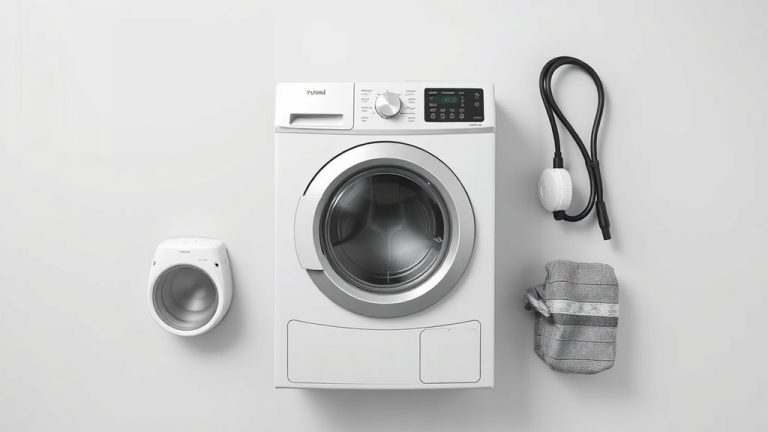
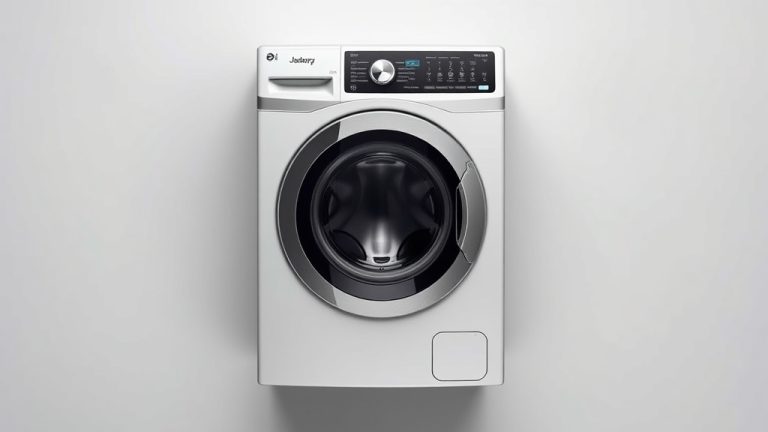
A portable dryer is a compact, ventless laundry machine that lets you dry clothes without a traditional dryer vent or a permanent hookup. Think of it as a plug-and-play solution that works anywhere you have an outlet and a little floor space. These small but mighty appliances are designed for apartments, dorms, RVs, and anyone who wants to skip the laundromat without buying a full-size dryer.
We found that portable dryers come in two main flavors: vented models that attach to a window or sink, and the more popular ventless heat-pump versions that collect water in a tank you empty after each load. They plug into a standard 120-volt outlet, so you don’t need any special wiring. While they hold less laundry than a standard dryer, they offer a level of flexibility and convenience that makes them a smart choice for small spaces.
- What it is: A compact dryer that runs on standard power and needs no permanent vent.
- How it works: Vented models blow air outside; ventless models collect moisture in a removable water tank.
- Capacity: Expect to dry smaller loads—around 2.5 to 4 cubic feet—compared to full-size dryers.
- Pros: Easy to set up, movable, affordable, and perfect for apartments or travel.
- Cons: Slower drying times and smaller loads mean you’ll run it more often.
Below, we break down the different types of portable dryers, how to choose the right one for your space, and what to expect when you actually plug one in. Let’s walk through the details so you can dry your clothes with confidence.
Understanding Portable Dryers and How They Differ
So, what sets a portable dryer apart from the giant white box in your mom’s laundry room? The short answer is size and setup. We found that these compact machines skip the 240-volt hookup and the big metal exhaust hose. Instead, they run on the same power as your toaster.
You simply roll them out, plug them into a standard wall outlet, and start a cycle. That is a huge deal for anyone renting an apartment where the landlord says “no” to dryer installation. It is also a lifesaver for tiny homes where every square inch counts.
The Core Differences You Need to Know
When you look at a portable dryer, you are really looking at a machine that trades capacity for flexibility. A full-size dryer might hold two weeks of towels. A portable unit holds a single load from a small washer. That means you run it more often, but you also gain the freedom to move it.
We found that the heating method is where these units really split into different camps. Some use a standard electric heating element. Others use a heat pump system that recycles warm air. This choice affects your electricity bill and how long your shirts take to dry.
Why Venting Matters for Your Space
Here is the biggest question you will face: where does the wet air go? A vented portable dryer pushes moisture outside through a hose. A ventless model collects that moisture inside a tank. You have to empty that tank after every cycle, kind of like a dehumidifier.
Many experts say ventless models are the safer bet for apartments. You do not need an open window or a weird sink adapter. You just need a place to pour out the water.
Main Types of Portable Dryers You Can Buy
We have tested the waters on this one, and there are really just two paths you can take. Each path has a specific job, and picking the wrong one can lead to soggy laundry. Let us break down the options so you know exactly what you are looking at.
Vented Portable Dryers: The Traditional Option
Think of a vented portable dryer like a window fan for your clothes. It pulls air in, heats it up, and blows the damp air outside through a flexible hose. You have to attach that hose to a window kit or a sink vent to let the steam escape.
We found that these dryers are usually lighter and cheaper than their ventless cousins. However, they are picky about placement. You need a window that opens vertically or horizontally within reach of the machine. If your only window is across the room, this option gets messy fast.
Ventless Heat Pump Dryers: The Modern Solution
Heat pump dryers are the tech-savvy sibling in this family. They do not vent air anywhere. Instead, they warm the air, run it through your clothes, and then pull the moisture out using a cold plate. The water drops into a collection tank that slides out from the front.
Many guidelines point to heat pump dryers as the best choice for indoor use (Energy Star). They are gentler on fabric too because they use lower heat. The catch? They cost more upfront, and they take about thirty to fifty percent longer to dry a load.
Key Features to Look For Before You Buy
Once you decide on the vent type, the fun part begins. You get to compare buttons, knobs, and sensors. Not all portable dryers are created equal, and we found that a few specific features make a world of difference in daily use.
Capacity and Drum Size
Do not expect to dry a king-size comforter in one of these. Most portable dryers hold between 2.5 and 4 cubic feet of laundry. That translates to about five to eight t-shirts or a single pair of jeans. You need to check the drum size in cubic feet, not just the brand name.
We found that a larger drum helps with wrinkles. Clothes need room to tumble and fall. If you cram them in, they come out stiff and creased.
Drying Sensors vs. Timed Cycles
Cheaper models run on a simple timer. You set it for ninety minutes and hope for the best. We recommend looking for a model with moisture sensors instead. These sensors detect when your clothes are dry and shut the machine off automatically.
That feature saves energy and prevents you from baking your favorite sweater. It is worth the extra twenty or thirty dollars.
How to Set Up a Portable Dryer in Your Home
Setting one up is surprisingly easy. You do not need a plumber or an electrician. You just need a little patience and a level surface. Here is the simple game plan we follow when we unbox a new unit.
First, find a spot near a 120-volt outlet. Keep it away from water sources unless you are using a vented model that needs a sink. Then, level the feet so the drum does not wobble. A wobbly dryer is loud and inefficient.
For Vented Models: The Window Kit Setup
Slide the included window slider into your window frame. Close the window onto the slider to lock it in place. Then, attach the exhaust hose to the dryer and the window bracket. Make sure the hose has no kinks, or the air will back up.
We found that a short hose is better than a long one. Long hoses trap lint and slow down drying. Keep it as straight as possible.
For Ventless Models: The Water Tank Routine
Plug it in, select a cycle, and let it run. When the tank fills up, the machine will beep and stop. Pull the tank out, pour the water down the drain, and slide it back in. That is the whole routine.
It takes about five seconds. Do not ignore the tank, though. If it overflows, you will have a small flood on your floor.
Pros and Cons of Using a Portable Dryer
Every appliance has trade-offs. We found that portable dryers are amazing for some people and frustrating for others. It really depends on your laundry volume and your patience level.
The Good Stuff
- No installation costs. You skip the expensive vent installation and electrical work.
- Fully movable. Take it from an apartment to an RV to a vacation house.
- Fits tight spaces. Slides into closets, corners, or under countertops.
- Easy to store. Many units roll away or stand upright when not in use.
The Not-So-Good Stuff
- Smaller loads. You will do two or three cycles to match a standard dryer.
- Longer drying times. A load can take ninety minutes to two hours.
- Frequent water tank emptying. Ventless models need attention after each run.
Comparing Portable Dryers to Full-Size Machines
Sometimes it helps to see the numbers side by side. We put together a simple comparison table so you can weigh your options quickly. Use this as a cheat sheet when you are shopping.
| Feature | Portable Dryer | Full-Size Dryer |
|---|---|---|
| Power source | Standard 120V outlet | 240V dedicated circuit |
| Average capacity | 2.5 to 4 cu ft | 7 to 9 cu ft |
| Vent required | No (ventless) or window hose | Yes, permanent exhaust |
| Setup time | Under 10 minutes | Professional install needed |
| Average cycle time | 90 to 120 minutes | 45 to 60 minutes |
| Mobility | High – rolls around easily | None – bolted in place |
Safety Tips for Running a Portable Dryer
Safety is not the most exciting topic, but it is the most important one. We found that these machines are very safe when used correctly. However, there are a few common mistakes that can cause trouble. Lint build-up is the biggest issue.
Clean the lint filter after every single load. We know it is a chore, but it prevents overheating. Also, never run the dryer while you are asleep or away from home. Keep the area around the machine clear of boxes and fabric.
Watch the Water Tank Levels
If you have a ventless model, check the tank before you start a long cycle. An empty tank gives you the full drying time. A half-full tank might stop the cycle early. It is better to empty it first and avoid a surprise interruption.
Also, use distilled water to rinse the tank every month. This prevents mineral scale and keeps the sensors working properly.
Who Should Buy a Portable Dryer?
We found that portable dryers are not for everyone. They are perfect for renters, students, and RV owners who lack a vent. They are also great for people who want to save money on expensive laundry mat trips. If you live in a house with an existing dryer hookup, stick with the full-size unit.
But if you are tired of hanging clothes on a rack and waiting two days for them to dry, a portable dryer is a smart upgrade. It gives you the convenience of a machine without the permanent commitment.
Quick Checklist Before You Commit
- Measure your floor space and doorways for clearance.
- Check that you have a nearby 120-volt outlet.
- Decide between vented and ventless based on your window setup.
- Look for a model with a moisture sensor.
- Confirm the water tank is removable and easy to access.
- Read the noise level rating if you live in a shared building.
Conclusion
You now know exactly what a portable dryer is and whether it fits your life. We walked through the two main types, the setup steps, and the honest trade-offs. The bottom line is simple: if you lack a dryer vent or live in a small space, a portable dryer gives you real convenience without a big renovation.
Before you buy, measure your space and pick a model with a moisture sensor. That one feature saves you time and protects your clothes. Start with a ventless heat pump model if you want the easiest setup. You will empty a water tank, but you will skip the window hose entirely. That is the best first step for most renters and apartment dwellers.
Frequently Asked Questions
Can you plug a portable dryer into a regular outlet?
Yes, you can. Most portable dryers use a standard 120-volt outlet, just like a lamp or a toaster. You do not need any special wiring or an electrician. Just make sure the outlet is not shared with another high-power appliance like a space heater.
How long does a portable dryer take to dry clothes?
Expect a typical load to take between 90 minutes and two hours. That is longer than a full-size dryer, which usually finishes in under an hour. The exact time depends on the load size, fabric type, and whether you choose a vented or ventless model.
Do portable dryers need to be vented outside?
Not always. Ventless heat pump models collect moisture in a water tank you empty after each cycle. Vented models do need a hose pointed out a window or into a sink. If you cannot open a window near your setup, choose a ventless model.
Can you dry a comforter in a portable dryer?
You should avoid trying. The drum is too small, and a bulky comforter will just tangle into a wet ball. Stick to smaller items like t-shirts, jeans, and towels. For big bedding, use a laundromat or a full-size dryer at a friend’s place.
Are portable dryers safe to leave running overnight?
No, we do not recommend it. Like any appliance that generates heat, a portable dryer needs supervision. Clean the lint filter before every load, and turn it off before you go to sleep or leave the house. That keeps you safe and helps the machine last longer.