What Is a Pedestal Washer Used For? Key Benefits
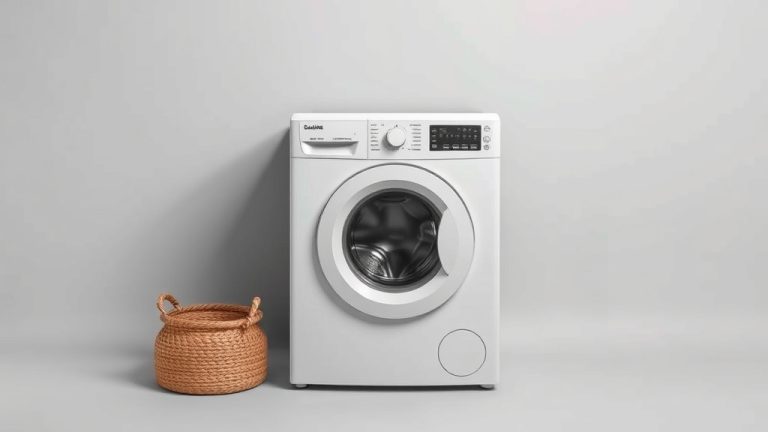
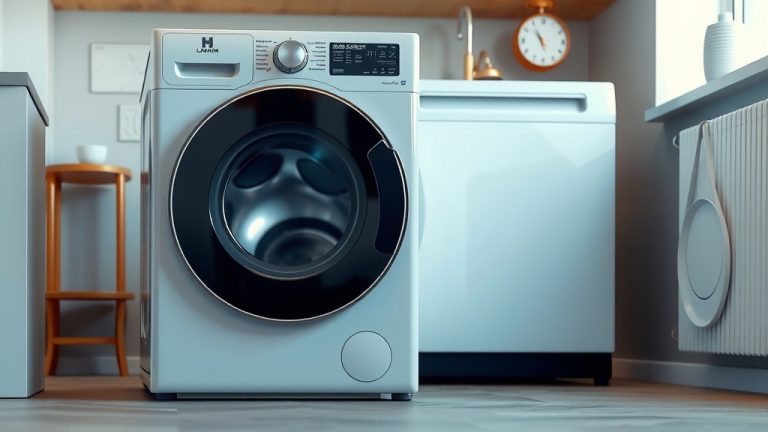
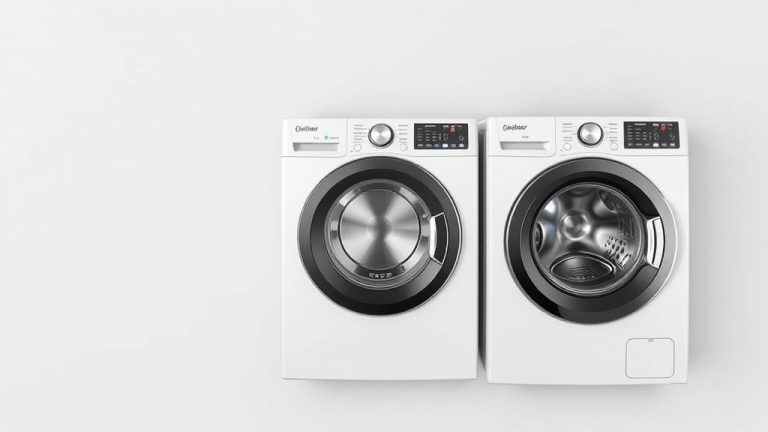
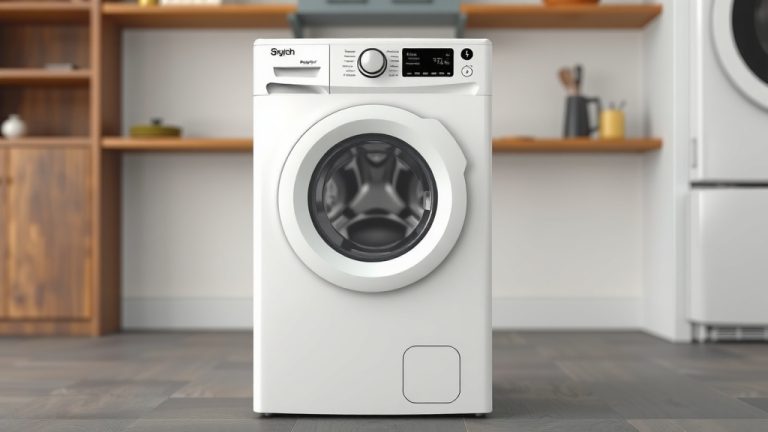
A pedestal washer is a compact washing machine that sits on a raised platform under your main washer and dryer to give you extra laundry capacity without taking up more floor space. Think of it as a bonus washing machine that handles small loads, delicates, or bulky items while your main machine tackles the big stuff.
We found that these handy units are becoming a popular choice for busy households. They let you wash a second load at the same time, which is a total game-changer for families with kids, athletes, or anyone who just hates waiting for a full cycle to finish. You get more done in less time, and they also add a convenient raised surface that makes loading and unloading your main machines much easier on your back.
- Extra capacity: It adds a second, smaller wash drum for more loads at once.
- Convenience: It raises your main washer and dryer to a more comfortable height, reducing bending and stooping.
- Perfect for small loads: Use it for delicates, baby clothes, sneakers, or a quick load of towels.
- Space-saver: It uses the vertical space you already have, so you don’t need a bigger laundry room.
- Efficiency: It lets you run two cycles simultaneously, saving you hours of laundry time each week.
Below, we break down everything you need to know about what a pedestal washer is used for, how it works, and whether it’s the right fit for your home. Let’s walk through the details together so you can decide if this clever appliance deserves a spot in your laundry room.
Real-World Uses for a Pedestal Washer
So, what does a pedestal washer actually do for you on a daily basis? We found that most owners use it for the same handful of clever tasks. It is not a replacement for your main washer. It is a sidekick that handles the overflow and the special loads.
You might run it for a quick load of gym clothes while the main washer handles sheets. Or, you might use it to wash a few delicate items on a gentle cycle. The key is that you get two loads done in the same amount of time it normally takes to do one.
Handling Small, Daily Loads
Let’s be honest. Waiting for a full-sized washer to fill up for just a few items feels wasteful. You use gallons of water and a long cycle for three t-shirts. A pedestal washer solves this problem instantly.
We found that these compact units are perfect for the small piles that appear daily. Think about a couple of towels, a pair of jeans, or the kids’ school uniforms. You can wash these smaller loads in the pedestal while your main washer waits for the bigger weekend laundry.
Quick Washes for Activewear and Sports Gear
Do you hit the gym every morning? If so, you know the drill. The sweaty clothes pile up fast. A pedestal washer lets you toss in your workout gear right when you get home.
Many units have a quick wash setting that finishes in under 30 minutes. This means your yoga pants and sports bras are clean and ready for tomorrow. You won’t have to let them sit in a hamper and get musty.
Tackling Delicates and Special Fabrics
Silk blouses, lace undergarments, and fancy lingerie are tricky. Your big washer might be too rough on them. The agitator can stretch or snag the fabric. Hand washing is a chore nobody looks forward to.
Your pedestal washer acts as a gentle middle ground. It offers a delicate cycle that uses cool water and a slow spin. We found that this is much safer for your expensive items than the main machine.
You simply set the cycle, add a small amount of gentle detergent, and walk away. The machine handles the rest without you having to baby the clothes in the sink.
The Convenience of a Built-In Laundry Helper
Beyond the extra washing power, there is a major physical benefit to these units. They are designed to sit underneath your main washer and dryer. This raises the height of your primary machines by about 15 inches.
That added height might not seem like a big deal at first. But anyone with back pain will tell you it is a lifesaver. You no longer have to bend over and reach deep into the drum to grab your clothes.
Reducing Strain on Your Back and Knees
Laundry involves a lot of bending, lifting, and twisting. For older adults or people with mobility issues, this can be painful. The National Institutes of Health notes that repetitive bending is a common trigger for lower back discomfort.
Raising the washer and dryer to waist level keeps your spine in a neutral position. You stand upright while loading and unloading. This simple change can reduce daily wear and tear on your joints.
Creating a Seamless Laundry Workspace
Visually, a pedestal washer makes your laundry room look built-in and custom. Instead of two bulky machines sitting on the floor, you have a sleek stack. The pedestal fills the gap underneath, creating a clean, finished look.
This also gives you a handy flat surface on top of the pedestal, right below the main machines. You can use it to sort clothes, fold items, or hold your detergent. It keeps everything you need within arm’s reach.
How a Pedestal Washer Works With Your Dryer
Here is a common question. Does the pedestal wash clothes and dry them too? Most of the time, no. The washer unit only washes and spins. It does not have a heating element to dry your clothes.
If you have a pedestal dryer, that unit sits under your main dryer and blows warm air to dry small loads. We found that some families buy both, but it is not required. You can buy just the washer pedestal and hang your small items to dry.
| Feature | Pedestal Washer | Pedestal Dryer |
|---|---|---|
| Main Function | Washes and spins clothes | Dries clothes with warm air |
| Typical Capacity | 1.0 to 1.2 cubic feet | 1.0 to 1.2 cubic feet |
| Ideal For | Delicates, activewear, small loads | Towels, bedding, small items |
| Placement | Under a washing machine | Under a clothes dryer |
Many experts say that having both is the ultimate setup. You can wash a small load in the washer pedestal and dry it in the dryer pedestal at the same time. This creates a fully functional mini-laundry station that runs independently from your main machines.
Is a Pedestal Washer Right for Your Home?
We found that these machines are not for everyone. They require a specific setup and a bit of a budget. Before you rush to buy one, let’s look at your living situation and your laundry habits.
If you live in a small apartment with stackable units, this might not work. The pedestal needs to sit side-by-side with your washer, or the washer needs to be top-loading. Front-loading machines are the most common partners for pedestals.
Assessing Your Laundry Volume
Start by counting how many loads of laundry you do each week. A family of four might do eight to ten loads. A single person might do two or three.
If you are constantly behind on laundry, this extra machine helps. It lets you process two loads at once. If you barely fill your main washer, this is probably an unnecessary expense for you.
Checking Your Floor Space and Setup
Measure the area under your machines. There needs to be a 24-inch to 28-inch gap, depending on the model. You also need access to a water supply line and a drain, or you will need to install a Y-connector.
Many pedestal washers come with a pump that pushes the water up and out. This makes installation flexible. Still, we recommend having a professional plumber set it up to avoid leaks and water pressure issues.
Quick Checklist Before You Buy
Ready to see if this is the right move? We put together a short checklist to help you decide. Run through these points to confirm a pedestal washer fits your lifestyle.
- Confirm your main washer is front-loading or that the pedestal matches your specific brand and model.
- Measure the height of your laundry room ceiling to ensure the raised machines will still fit comfortably.
- Check for a nearby water source and a floor drain or standpipe for the new machine.
- Identify your small-load frequency to make sure you will actually use the second drum.
- Decide on your budget and factor in professional installation costs if needed.
- Think about your back and whether raising the main machines would improve your comfort.
The Financial Side of Adding a Pedestal Washer
Let’s talk money. Pedestal washers are not cheap. They typically cost anywhere from $800 to $1,500 for a quality unit. This is a big investment for a second, smaller machine.
We found that the price is often justified by the time savings. If you value your weekends and hate spending hours in the laundry room, this machine pays for itself in convenience. It also adds value to your home if you ever decide to sell.
Compare this to the cost of a laundromat. If you regularly pay to wash bulky items like comforters, a pedestal washer can save you money over time. You keep those trips local and do it all at home.
Energy and Water Efficiency Considerations
You might worry about the environmental impact of running two machines. We found that pedestal washers are actually quite efficient. They use far less water and energy than a full-sized washer.
Since the drum is smaller, the machine uses less water per load. Many models are ENERGY STAR certified, which means they meet strict efficiency guidelines set by the U.S. Environmental Protection Agency. This keeps your utility bills lower than you might expect.
Just remember to run full loads in the pedestal. A small machine is only efficient if you do not run it five times a day for one sock at a time. Batch your small items together for the best results.
Noise and Vibration Levels
Anything that spins at high speed makes noise. A pedestal washer is no different. However, because it sits directly on the floor, it can vibrate more than a machine that is stacked.
We found that most modern units have built-in suspension systems to absorb the shaking. You might still hear a low hum during the spin cycle. If your laundry room is near a bedroom, this could be a minor annoyance during nighttime washes.
To reduce vibration, make sure the machine is level. You can adjust the feet to stabilize it. Placing a rubber anti-vibration pad underneath also helps to keep things quiet and steady.
Maintenance and Longevity of Your Pedestal Washer
Like any appliance, your pedestal washer needs a little TLC to last. The good news is that maintenance is simple. You just have to stay on top of it.
Check the rubber gasket around the door regularly. Wipe it down to prevent mold and mildew buildup. Leave the door slightly ajar between washes so the inside can air out and dry completely.
You should also clean the drain pump filter every few months. Lint, coins, and hair can clog it up over time. Refer to your owner’s manual for the exact location of the filter and how to remove it safely.
Making the Final Decision
We hope this breakdown gives you a clear picture. A pedestal washer is a versatile tool that adds capacity, convenience, and comfort to your laundry routine. It is not a gimmick. It is a practical solution for busy households.
Take a look at your own habits. If you wash small loads frequently, have the space, and want to save your back, this might be the perfect upgrade for you. If your laundry volume is low, you might be better off sticking with your current setup.
We found that the families who buy one rarely regret it. They love the ability to multitask and finish laundry faster. The raised height is a bonus that keeps giving every single day.
Conclusion
You now know exactly what a pedestal washer is used for. It is a compact second washer that saves your back, saves your time, and handles the small loads your main machine is overkill for. From gym clothes to delicates, this little unit pulls its weight every single day.
We found that the best time to buy one is when you are tired of waiting for full cycles just to wash a few items. If that sounds like you, measure your laundry room space and check your water hookups this week. That simple step will tell you if a pedestal washer is the smart upgrade your home needs.
Frequently Asked Questions
Can you use a pedestal washer without a pedestal dryer?
Yes, you can absolutely use a pedestal washer on its own. It only washes and spins, so you will need to hang your small items to dry or toss them into your main dryer. Many people buy just the washer unit and air-dry delicates and activewear, which is actually better for those fabrics anyway.
Does a pedestal washer need its own water line?
Most pedestal washers connect to your existing water supply using a Y-connector. This splits the water flow from your main washer so both machines can run at the same time. You do not need a separate dedicated line, but you do need a drain hose setup that can handle the extra water.
Can you put a pedestal washer under a top-loading washer?
No, a pedestal washer is designed to sit under a front-loading machine. Top-loaders open from the top, so there is no way to access the drum if the machine is raised. You would need to place the pedestal washer beside a top-loader instead, which requires more floor space.
How long does a quick wash cycle take on a pedestal washer?
Most pedestal washers have a quick cycle that finishes in about 15 to 30 minutes. This is perfect for a sweaty workout top or a few items you need right away. You can set it and forget it while your main washer handles the larger load in the background.
Is a pedestal washer worth the money for one person?
If you do only two or three loads a week, a pedestal washer is probably not worth the cost. You likely do not have enough small loads to justify the expense. However, if you wash delicate items by hand often or hate the laundromat for bulky items, it can still be a nice convenience.