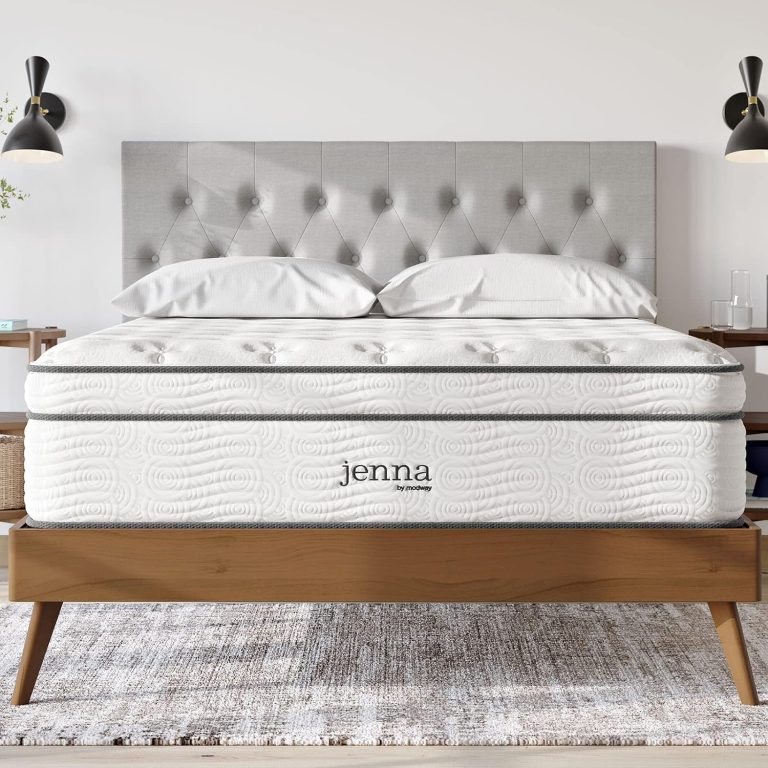
Adjustable Bed Mattress Replacement: Top Options for 2026
You can replace your adjustable bed mattress, and you don’t need to buy a whole new base. Most adjustable bases work with any standard mattress, as long as it’s flexible and compatible. We found that hybrid and memory foam mattresses are your safest and smartest options for the best results.
Choosing a replacement mattress for an adjustable bed isn’t just about comfort; it’s about avoiding damage to your new mattress and your base. You need a bed that bends without breaking, offers solid support, and actually improves your sleep. We’ll help you skip the guesswork and find the perfect match for your adjustable frame.
- Memory foam and hybrid mattresses are the best replacements for adjustable beds.
- Never use traditional innerspring mattresses or old-school box springs; they can snap or damage the base.
- Look for mattresses labeled “bendable” or “adjustable-base friendly” for guaranteed compatibility.
- Measure your adjustable base first to ensure the new mattress fits properly.
- A mattress topper can be a quick fix, but it won’t fix a worn-out, sagging bed.
Below, we break down the best mattress types, what to look for, and a few simple steps to make your replacement a total success.
Finding the Right Mattress for Your Adjustable Base
You don’t have to toss the whole setup. Swapping out just the mattress is smart and budget-friendly. We found that the key is picking a bed that bends with your base, not against it. Let’s walk through your best options so you can sleep soundly again.
Why Your Current Mattress Might Be Failing
Maybe your old bed has seen better days. Sagging in the middle or a broken-down edge makes the base’s adjustments feel useless. Often, the springs are fighting the bend of the frame, causing pressure points.
Another clue is a mattress that’s too stiff to lift at the head or feet. If it resists the curve, you’ll feel like you’re sliding down the bed. That’s a clear sign it’s time for an upgrade that actually works with your adjustable frame.
The Big No-No: Innerspring and Box Springs
Traditional innerspring mattresses are a recipe for trouble here. The metal coils are built to lie flat. Forcing them into an angled position puts massive strain on the wires. Over time, they can pop, snap, or poke through the fabric.
Old-school box springs are even worse. They are rigid frames meant for stationary bases. Putting one on an adjustable bed is like trying to bend a wooden plank. You risk damaging both the box spring and the motorized base underneath it. Avoid this costly mistake.
Top Mattress Types That Work Well
You have two standout winners here: memory foam and hybrids. Both flex easily and provide the comfort you expect. Below, we break down what makes each one a great partner for your adjustable base.
Memory Foam: The Flexible Favorite
Memory foam is the classic choice for a reason. It’s made from layers of flexible polyurethane foam that contour to any position. When you raise the head, the foam gives way smoothly without any resistance. It’s silent and super easy on the base’s motor.
We found that all-foam beds do a fantastic job of absorbing motion. If you share the bed, you won’t feel your partner shifting around when they adjust their side. These beds also offer great pressure relief for your hips and shoulders, especially when you’re lounging in a zero-gravity position. Look for one with a medium-firm feel for the best balance of support and sink.
Hybrid Models: Support with a Little Bounce
A hybrid combines foam layers with a core of wrapped or pocketed coils. The key here is the “pocketed” part. Unlike old innersprings, these individual coils are designed to compress independently. They bend neatly with the frame’s curve.
Hybrids give you more bounce and edge support than all-foam options. They also sleep cooler because there’s more air circulating through the coils. This is a superb pick if you run hot at night but still want that classic, springy feel. Just make sure the coil count is high and the gauge is thin to guarantee flexibility. We recommend checking the product label for “adjustable base ready” before you buy.
Other Options Like Latex and Airbeds
You aren’t just limited to foam and hybrids. Latex mattresses, especially those made from natural Dunlop or Talalay latex, are highly elastic. They bend well and offer a more buoyant feel than memory foam. They’re also naturally hypoallergenic and breathable, which is a great perk for allergy sufferers.
Airbed mattresses, which let you adjust firmness with a remote, also work fine on adjustable bases. The air chambers flex easily with the frame. These are excellent if your comfort needs change nightly. Just ensure the bed is constructed with flexible top layers, not thick rigid foam that can restrict the bend.
Key Features to Look For Before You Buy
Shopping for a new bed can be overwhelming. Focus on a few specific specs to narrow down your choices. This ensures you get a mattress that won’t just fit, but will also last.
Flexibility and Compliant Materials
The top layer must be made of pliable materials. Look for high-density foam, soft latex, or quilting that stretches. A thick, stiff firm layer on top will create that annoying “hammock” effect when the base lifts. The whole mattress should move like one cohesive, flexible unit.
Check the fabric on the outside too. It should be a knit or stretch fabric that can extend without tearing. You also want to see how the mattress handles a full 60-degree tilt. If it bends cleanly without bunching up at the foot, it’s a winner.
Thickness and Support Core
Thickness matters more than you’d think. A mattress that is too thick (over 13 inches) can put too much lever pressure on the base. However, if it’s too thin (under 8 inches), you might bottom out on the metal frame slats. Aim for a 10- to 12-inch profile for the sweet spot.
The support core should be made of flexed foam or those pocketed coils we mentioned. A heavy-duty support core prevents sagging in the middle when the head is elevated. It also stops the mattress from sliding when the base is at an angle. Quality construction here prevents premature wear and tear.
How to Ensure a Perfect Fit on Your Base
Before you hit that “buy now” button, grab a tape measure. Adjustable bases come in standard Twin, Full, Queen, and King sizes, but not all are identical. Measure the length and width of your existing metal frame. Do not guess; it’s a huge hassle if the new mattress doesn’t align with the articulation points.
Here is a quick reference table to help you visualize common sizes, but always verify against your specific base’s manual.
| Base Size | Mattress Width | Mattress Length |
|---|---|---|
| Twin | 38 inches | 75 inches |
| Full | 54 inches | 75 inches |
| Queen | 60 inches | 80 inches |
| King | 76 inches | 80 inches |
Check if your base uses a strap system or a foot bracket to hold the mattress in place. If it does, you might want a mattress with a strong bottom layer or a dedicated hook-and-loop attachment. Many beds offer a “grip” bottom that prevents sliding.
The Quick Checklist for a Smooth Swap
Ready to make the switch? Keep this simple list handy when you are shopping online or in the store. It will save you time and frustration.
- Confirm the mattress is specifically marked as “compatible with adjustable bases.”
- Measure your base’s width and length to get the exact size right.
- Check the warranty to ensure it covers adjustable base use.
- Look for a 100-night trial period to test the comfort at home.
- Ensure your base has a warranty of its own and won’t be voided.
- Inspect the return policy if you buy online; make sure they take returns easily.
Why a Mattress Topper is Not the Fix
It’s tempting to just throw a thick topper on your old sagging mattress. We get it—it’s cheap and easy. But honestly, that’s only a band-aid. A topper adds cushion, yet it cannot fix structural damage. It won’t restore support or stop the base from pushing against worn-out coils.
Experts note that a worn mattress often lacks the foundation to support your spine properly, leading to back pain (Mayo Clinic). You need a solid base layer to get proper orthopedic support. Save the topper for making your new, good mattress even cozier, not for fixing a lost cause.
Setting Up Your New Mattress
Once your new mattress arrives, it needs time to decompress. Most foam beds are compressed in a box. Take it out of the plastic and lay it flat on the adjustable base. It can take anywhere from a few hours to a full day to expand fully. Use a massage setting if your base has one to help the foam unfold.
Expect a slight “new bed” smell for the first few days. That’s normal. Ventilate the room well. We found that sleeping on it after 24 hours gives the best first impression. Test the head and foot tilt right away to make sure the mattress bends as beautifully as promised.
Conclusion
You don’t need to replace your adjustable base just because your mattress gave out. Swapping in a flexible memory foam or hybrid mattress is your best move. These beds bend with your frame, support your spine, and help you sleep better without fighting the mechanics.
Measure your base first, double-check the mattress specs for “adjustable base ready,” and look for a solid trial period. That way, you can test the comfort at home without any risk. A quick topper won’t fix a sagging core, so invest in the right replacement now. You will thank yourself the first night you adjust the head and feel zero resistance.
Frequently Asked Questions
Can I use a regular mattress on an adjustable bed?
You can, but we don’t recommend it unless the mattress is flexible. A standard innerspring lacks the bend needed for the base to move. You risk snapping coils. Check the label for “adjustable base compatible” before you try.
Will a hybrid mattress damage my adjustable base?
No, as long as you choose one with pocketed coils. These coils compress individually, so they bend cleanly with the frame. A hybrid with a continuous coil system can cause problems. Read the specs carefully to make sure the coils are wrapped or pocketed.
How do I know if my old mattress is too worn out for my adjustable base?
Lay it flat and run your hand across the surface. If you feel lumps, sagging, or visible indentations, it’s time. A worn mattress also moves around on the base when you raise the head. You won’t get proper support, and the base has to work harder.
What thickness should my replacement mattress be for an adjustable base?
Stick with 10 to 12 inches for the best results. Anything under 8 inches means you might feel the metal slats. Over 13 inches puts too much weight and leverage on the frame’s hinge points. A medium profile gives you the perfect balance of comfort and flexibility.
Do I need a special mattress cover for an adjustable bed?
Not a special one, but you need a stretchy one. A tight, non-flexible cover will bunch up and fight the bend. Look for a fitted sheet with deep pockets and at least 15% spandex. That gives you enough give for the mattress to move smoothly while keeping everything snug.