Do Mattresses Expire? Lifespan Signs & When to Replace
Yes, mattresses do expire. Most mattresses have a lifespan of 7 to 10 years, but that doesn’t mean they suddenly stop working on day 3,650. It means they slowly lose support, comfort, and hygiene over time, which can affect your sleep quality and even your health.
Think of your mattress like a pair of running shoes. They don’t fall apart overnight, but they get worn out with daily use. We found that most people keep their mattresses much longer than they should, often because it’s expensive to replace them or they just don’t notice the gradual decline. That sagging dip, the dust mites, the stubborn stains—these are all signs your bed is past its prime and ready for retirement.
- Average lifespan: Most mattresses last 7–10 years, depending on the type and quality.
- Wear and tear: Sagging, lumps, and loss of support are clear signs of expiration.
- Hygiene issues: Over time, mattresses collect dust mites, sweat, dead skin, and allergens.
- Health impact: An expired mattress can cause back pain, poor sleep, and allergy flare-ups.
- Replace it: If you’re waking up tired or sore, it’s probably time for a new one.
So, how do you know if your mattress has actually expired, and what should you do about it? Let’s walk through the signs together so you can make the best call for your sleep and your wallet.
Understanding the Real Lifespan of Your Mattress
Let’s be honest: nobody wakes up on a random Tuesday and decides their mattress has officially hit its expiration date. It’s a slow fade. You might notice you’re sleeping better at hotels. Or your back feels tight every single morning. That’s your mattress telling you it’s tired.
We found that most people confuse a mattress “expiring” with it breaking completely. It won’t. It will just stop doing its job well. The materials inside—whether foam, springs, or latex—break down from the pressure of your body and the moisture you release every night.
The Sleep Foundation and many experts say that 7 to 10 years is the sweet spot for a typical mattress. But that number is just an average. Your actual timeline depends on the materials, your weight, and how well you care for it.
Why Foam and Springs Break Down Over Time
Think about a sponge. If you squeeze it a thousand times, it gets softer. It loses its bounce. That’s exactly what happens to memory foam and polyurethane foam. The cells in the foam collapse from constant pressure.
Innerspring mattresses have their own problems. The metal coils can lose tension. They start to poke up or create deep canyons in the middle. We found that sagging is the #1 complaint from people sleeping on older innerspring beds.
Latex mattresses tend to last longer—often 12 to 15 years. But even latex will eventually soften and lose its supportive push-back. Nothing lasts forever, unfortunately.
Quality Matters More Than You Think
There’s a difference between a cheap $200 mattress from a big-box store and a high-end $2,000 model. The cheap one might last 4 to 5 years. The premium one could easily last a decade or more.
We found that density is the secret to mattress longevity. Higher-density foam holds its shape longer. Lower-density foam (the soft, cheap stuff) breaks down fast. If you’re buying new, check the density specs. Don’t just look at the price tag.
Clear Signs Your Mattress Has Expired
So, how do you know if it’s time to say goodbye? You don’t need a scientific lab test. Your body and your eyes will tell you. Here are the most common red flags we see in households across the US.
Visible Sagging and Permanent Indentations
Lay a straight edge across your mattress. If you can slide a hand into a dip that’s deeper than 1.5 inches, your mattress is done. That dip means the support layer has collapsed.
This is a huge deal. A sagging mattress throws your spine out of alignment. You’ll wake up with neck pain, lower back pain, and stiffness. No amount of pillow fluffing can fix a broken foundation.
Lumps, Bumps, and Poking Springs
If you feel a spring poking into your ribs, that’s not a “feature.” That’s a defect from wear. Foam mattresses might develop hard lumps where the material has bunched up. These create pressure points that cut off circulation while you sleep.
You shouldn’t have to avoid certain areas of your bed. That’s like sitting on a couch with a broken cushion. It’s uncomfortable, and it’s time for a replacement.
You Wake Up Tired and Sore
This is the big one. If you’re sleeping 7 to 8 hours and still waking up groggy, your mattress is likely the culprit. A worn-out bed doesn’t support your body enough to let your muscles relax fully.
Many guidelines from the National Institutes of Health point to poor sleep surfaces as a major contributor to chronic back pain. If your aches fade after you’ve been up for an hour, the bed is probably at fault.
The Gross Reality: Hygiene and Allergens
Beyond comfort, there’s the “ick” factor. Your mattress is basically a giant sponge for everything your body sheds. Let’s not sugarcoat this—it gets gross in there.
Dust Mites and Dead Skin Build-Up
You shed about 1.5 grams of dead skin every day. That’s a feast for dust mites. They love dark, warm, damp environments. Your mattress is their five-star restaurant.
Over 8 years, your bed can double its weight from dust mite droppings, dead skin, and sweat. That’s a fact that makes people cringe, but it’s true. Those allergens can trigger asthma attacks and allergy symptoms.
Sweat, Stains, and Odors That Won’t Go Away
You sweat at night—everyone does. That moisture seeps deep into the mattress core. Over time, it creates a musty odor that no amount of baking soda can fix.
Stains from spills, pets, or body oils break down the fabric and foam. They also create a breeding ground for mold and mildew, especially in humid climates. We found that deep-set stains are a hygiene red flag. Even a mattress protector can only delay the inevitable.
Allergy Flare-Ups at Night
Do you wake up with a stuffy nose, itchy eyes, or a scratchy throat? Your old mattress could be the trigger. The Environmental Protection Agency notes that indoor allergens often concentrate in bedding.
If your symptoms improve when you sleep at a hotel or a friend’s house, that’s a dead giveaway. Your mattress is harboring allergens that make your nights miserable.
How Long Do Different Mattress Types Really Last?
Not all mattresses are created equal. Here’s a quick breakdown of typical lifespans we found based on industry data and expert recommendations.
| Mattress Type | Average Lifespan | Main Weak Point |
|---|---|---|
| Innerspring | 6–8 years | Coils lose tension and sag |
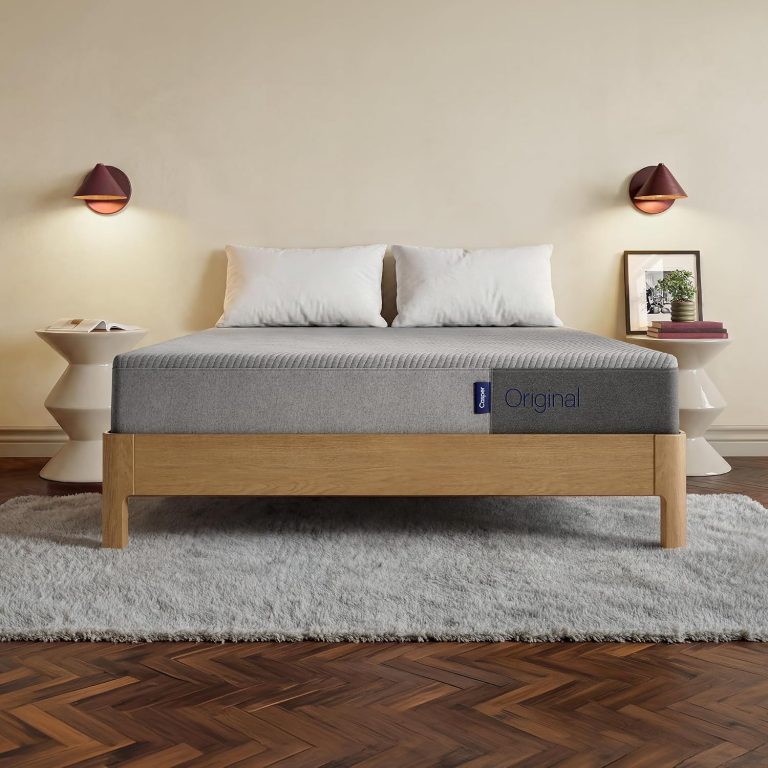
| Memory Foam | 7–10 years | Foam breaks down and softens |
| Latex | 12–15 years | Natural materials age slowly |
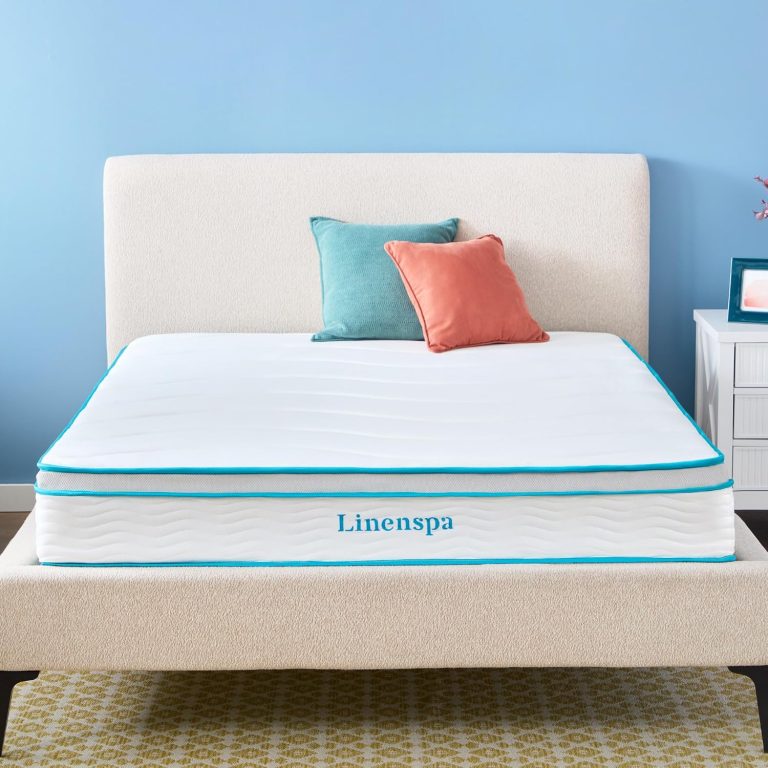
| Hybrid | 7–9 years | Foam top layer wears out first |
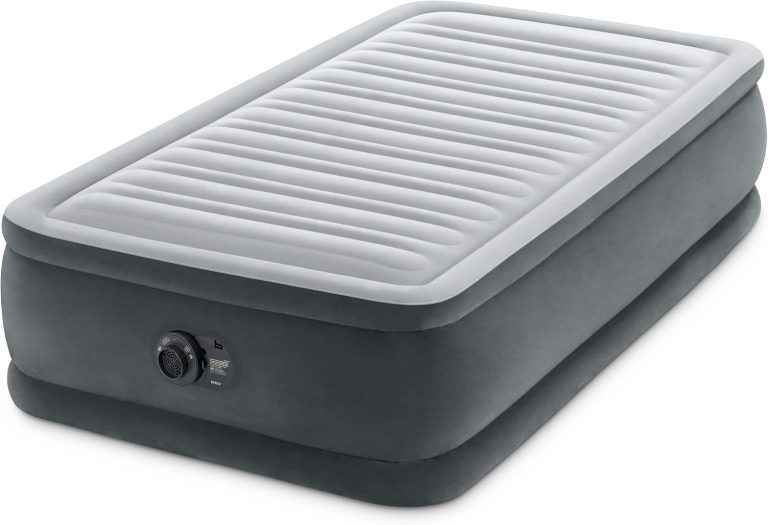
| Airbed | 5–7 years | Air chambers can leak or weaken |
These are averages. A heavy sleeper might wear out a mattress faster. Two people sleeping on one bed will also speed up the breakdown. Flip your mattress if it’s flippable, but most modern ones are one-sided. Rotation helps, but it only does so much.
What Happens If You Keep Using an Expired Mattress?
We get it. Mattresses are expensive. It’s tempting to just deal with it. But there are real consequences to sleeping on an expired bed.
Poor Sleep Quality and Daytime Fatigue
An unsupportive mattress causes you to toss and turn all night. You wake up more frequently, even if you don’t remember it. This fragments your sleep cycle. You miss out on deep, restorative REM sleep.
That means you feel foggy, irritable, and low-energy during the day. It affects your work, your mood, and your relationships. Your mattress is stealing your energy.
Chronic Pain and Joint Stiffness
Your spine needs neutral alignment while you sleep. An old mattress with sagging spots forces your spine into awkward curves. Your muscles work overtime to compensate.
Over months and years, this leads to chronic pain. The Mayo Clinic recognizes poor sleep posture as a leading cause of back and neck issues. You might start avoiding certain activities because of the pain. That’s no way to live.
Increased Exposure to Allergens
Older mattresses hold more dust mites, pet dander, and mold spores. Every time you roll over, you stir them into the air. You breathe them in all night long.
This can worsen asthma, trigger eczema, and cause chronic sinus congestion. We found that swapping out an old mattress often relieves allergy symptoms within a few weeks.
How to Make Your Mattress Last Longer
You don’t have to wait for expiration to hit. There are simple things you can do to extend the life of your bed. It’s like changing the oil in your car—small effort, big payoff.
Here’s a quick checklist we put together to help you protect your investment:
- Use a waterproof mattress protector from day one. It blocks sweat, spills, and stains.
- Rotate your mattress every 3 months (if it’s not flippable, rotate head-to-toe).
- Vacuum your mattress monthly with an upholstery attachment to remove dust and debris.
- Avoid jumping on the bed—kids, we’re talking to you. It damages the internal structure.
- Keep pets off the bed or at least use a washable pet blanket as a barrier.
- Wash your bedding weekly in hot water to kill dust mites.
These steps won’t make your mattress immortal. But they can add a few extra years of good sleep. That’s worth it.
When to Start Shopping for a Replacement
Here’s a simple rule: if your mattress is approaching the 7-year mark and showing any of the signs we talked about, start researching. Don’t wait until it’s unbearable. Plan ahead for a smooth transition.
We recommend shopping for a new mattress when you’re well-rested, not desperate. That way, you can think clearly. You’ll make better decisions about firmness, material, and budget. If you’re considering a new bed, our comparison of adjustable mattress vs regular options can help you decide.
Remember, a mattress is a 10-year investment in your health. It’s worth spending time to pick the right one. Your future self—and your back—will thank you.
Conclusion
Your mattress does expire, and most beds are past their prime by year 10. We covered the signs: sagging, lumps, morning aches, and allergen buildup. These issues don’t fix themselves, and they won’t get better with time.
If your mattress is showing these warning signs, start planning your replacement now. Don’t wait until your back forces you into action. Take the checklist we shared and apply it to your new bed from day one.
A mattress is a health investment, not just furniture. You spend a third of your life on it. Give yourself the support you deserve. Your sleep quality, energy levels, and daily comfort will thank you.
Frequently Asked Questions
Can a mattress expire if it still looks new?
Yes. A mattress can lose its internal support even if the surface looks fine. Foam breaks down and coils lose tension from the inside out.
You might not see visible damage, but your body will feel it. If you wake up sore or tired, the mattress is likely expired regardless of appearance.
Is it bad to sleep on a 15-year-old mattress?
It’s not ideal. A 15-year-old mattress has likely lost most of its support and collected significant allergens over time.
You’re risking poor sleep quality, back pain, and allergy flare-ups. The money you save by keeping it isn’t worth the toll on your health and daily energy.
How can I test if my mattress needs replacing?
Lay a straight edge across the mattress and check for dips deeper than 1.5 inches. Press your hand into the surface and see if it springs back slowly.
Also pay attention to how you feel in the morning. If you consistently wake up with stiffness or fatigue, that’s your body telling you the mattress has expired.
Does a mattress warranty cover expiration?
Most warranties cover manufacturing defects, not normal wear and tear. Sagging beyond a certain depth is often covered, but you’ll need to check your specific warranty terms.
Warranties typically last 10 to 20 years, but they don’t mean the mattress will perform well for that whole time. The warranty just guarantees against certain defects.
Can a mattress expire if you barely use it?
Yes, even a guest room mattress expires. Materials degrade from humidity, temperature changes, and time, even without regular use.
The foam will still break down and the materials will still collect dust. A lightly used mattress might last a bit longer, but it won’t last forever.