Mattress vs Bed: Key Differences Explained
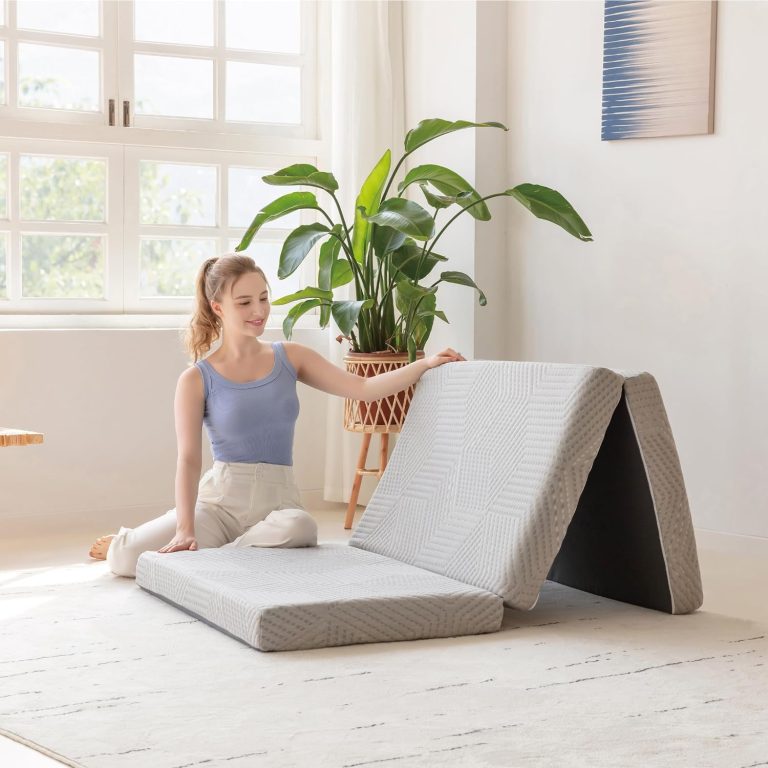
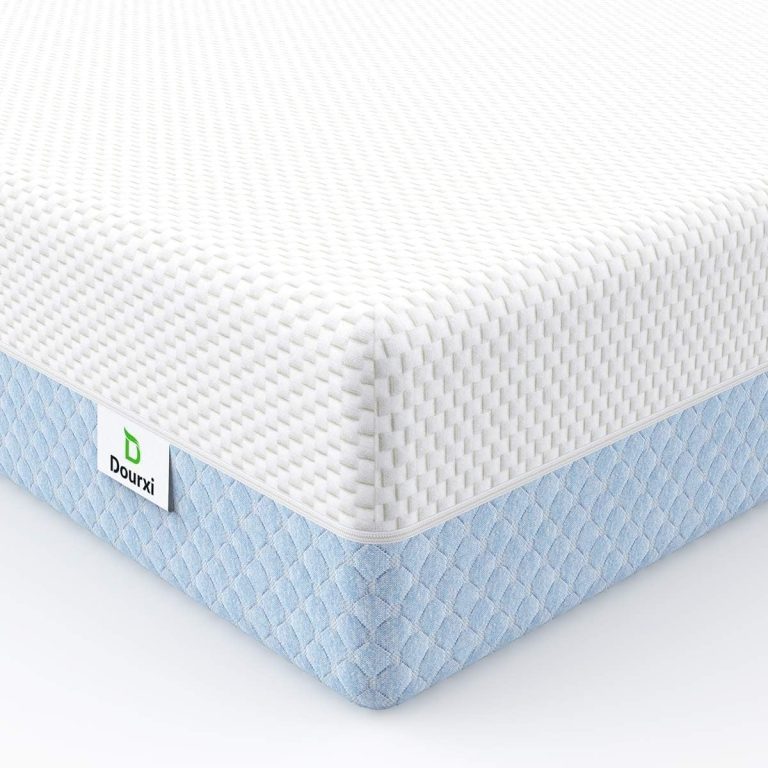
No, a mattress and a bed are not the same thing. A mattress is the soft, padded layer you sleep on. A bed is the entire setup, including the frame, foundation, and the mattress itself. Think of the mattress as the part you lie on and the bed as the whole piece of furniture.
We found that most people use the words interchangeably, but they are different parts of your sleep system. The bed frame holds everything up, while the mattress provides the comfort and support for your body. Understanding the difference is key when you are shopping for new sleep gear or trying to fix a creaky setup.
- The mattress is the comfort layer you sleep on.
- The bed is the entire unit, including the frame and foundation.
- The bed frame provides the structural support and lifts the mattress off the floor.
- You can buy a mattress without a bed frame, but you need a firm surface for it to sit on.
- Your purchase decision matters: You replace a mattress, but you usually keep a bed frame.
Below, we break down the exact differences between these two items so you can make the right choice for your bedroom. Let’s walk through how each part works and why it matters for your sleep.
Understanding the Core Difference Between a Mattress and a Bed
You sleep on the mattress. The bed is the whole package that holds everything together. It is that simple. The mattress is the cushion. The bed is the furniture.
When you walk into a furniture store, the display usually shows the bed. But you buy the parts separately. This distinction matters for your budget, your space, and your sleep quality.
The Mattress Is Your Support System
Your mattress does the heavy lifting for comfort. It supports your spine, hips, and shoulders. It absorbs motion when you toss and turn. It is the surface that your body remembers in the morning.
We found that most back pain complaints relate directly to the mattress, not the frame. The material inside matters. Memory foam, innerspring, latex, and hybrid options all feel different. Your weight and sleep position determine which one you need.
The Bed Is the Framework
The bed includes the frame, the headboard, and sometimes a footboard. It lifts the mattress off the ground. This setup prevents dust, mold, and pests from invading your sleep space. It also gives your room a finished look.
Think of the bed as the car chassis. The mattress is the seat. You can swap the seat, but the chassis keeps everything rolling. Without the frame, your mattress sits on the floor and collects moisture over time.
Why People Confuse These Two Sleep Essentials
Language is lazy. We say “I bought a new bed” when we really mean “I bought a new mattress.” This habit creates confusion when you shop online. You might order a mattress and realize you have nothing to put it on.
The industry does not help. Stores sell “bed-in-a-box” products. That name suggests you get a whole bed. In reality, you get a compressed mattress rolled up in a box. The frame is sold separately.
We found that first-time buyers make this mistake often. They unbox the mattress, place it on the floor, and wonder why their back hurts. The floor is flat and firm, sure. But it has zero ventilation, which traps heat and moisture.
Anatomy of a Complete Bed Setup
Before you buy anything, you need to understand the layers. A full bed setup has distinct parts. Each one has a job to do.
- Bed frame: The metal or wooden structure that supports the whole system.
- Foundation or box spring: Sits on top of the frame and gives the mattress a flat, even base.
- Mattress: The padded comfort layer you actually lie on.
- Bedding: Sheets, blankets, pillows, and mattress protectors.
- Headboard: The decorative piece attached to the frame behind your head.
You can skip some parts. Many modern frames do not need a box spring. They have built-in slats instead. But you cannot skip the frame entirely if you want your mattress to last.
The Box Spring and Foundation Role
A box spring adds height and absorbs shock. Traditional spring mattresses used to require them. Today, most foam mattresses work fine with a solid platform or slatted frame. Check your mattress warranty before you decide.
We found that skipping the foundation voids many warranties. Manufacturers require “proper support” to honor their guarantees. A solid surface with slats no more than three inches apart usually counts. The floor does not count.
Bed Frames Come in Many Styles
Platform beds are low-profile and modern. They have a solid or slatted base built right in. You set your mattress directly on top. No box spring needed.
Traditional beds use a metal frame with a headboard and footboard. You add a box spring for support. These setups sit higher off the ground. That makes getting in and out easier if you have mobility issues.
How to Shop for These Separately
Your strategy changes depending on which piece you need. Start with the mattress. It matters most for sleep quality. Then match the frame to your style and budget.
We found that people who buy both at once often overspend. They let the showroom salesperson talk them into expensive bundles. You do not need a luxury frame to enjoy a great mattress. A simple, sturdy platform works perfectly.
What to Look For in a Mattress
Focus on firmness, material, and your sleep position. Side sleepers usually want softer foam to cushion their shoulders. Back sleepers need medium firmness. Stomach sleepers need a firmer surface to keep the spine aligned.
Many experts say to test a mattress for at least 15 minutes in the store. Lie in your usual sleep position. If you shop online, look for a generous trial period, like 100 nights. Most reputable brands offer this.
What to Look For in a Bed Frame
Weight capacity matters. A heavy mattress plus two sleepers adds up quickly. Check the frame’s maximum load rating. Metal frames with center support bars handle more weight than simple side rails.
Measure your room. A king-size frame needs a lot of floor space. Leave at least two feet on each side for walking room. Also, consider storage. Some frames have built-in drawers underneath. That is a huge win for small bedrooms.
When You Can Skip the Frame Entirely
There is one situation where a frame is not mandatory: floor sleeping culture. Some people intentionally place their mattress on the floor. This is a Japanese-inspired style called shikibuton. It works well when you use a thin futon mattress.
But a thick western mattress on the floor is a bad idea. Air cannot circulate underneath. Trapped moisture leads to mold growth. The Centers for Disease Control and Prevention points out that damp environments promote allergens and dust mites (CDC).
We found that floor sleepers also struggle with getting up. A low surface is hard on your knees and lower back. If you want the floor look, use a low platform bed instead. It gives you the height and the airflow.
Cost Differences You Should Know About
Mattresses cost more than frames in almost every case. A decent queen mattress runs $500 to $1,500. A simple frame might run $150 to $400. High-end frames with storage or adjustable bases cost more. But the mattress remains the bigger investment.
We recommend budgeting 70% for the mattress and 30% for the frame. This split ensures you spend on what affects your sleep most. A fancy frame does not fix a bad mattress. A good mattress on a cheap frame still works great.
| Feature | Mattress | Bed Frame |
|---|---|---|
| Role | Provides comfort and support | Provides structural base |
| Typical cost | $500–$1,500 | $150–$800 |
| Lifespan | 7–10 years | 15–20 years |
| Replacement frequency | Regular replacement | Rarely replaced |
| Affects back pain | Yes, directly | Minimal |
Your Purchase Checklist Before You Checkout
You want to get this right the first time. Use this quick checklist when you shop. It keeps you focused and prevents buyer’s remorse.
- Measure your space: Verify the frame dimensions fit your room with walking clearance.
- Decide on materials: Choose foam, innerspring, or hybrid based on your sleep position.
- Check the warranty: Make sure the frame and foundation meet the mattress’s requirements.
- Look at the weight capacity: Ensure the frame holds you, your partner, and the mattress combined.
- Read return policies: Know the trial period and return shipping fees before ordering.
- Set your budget ceiling: Decide your max spend and stick to it without upgrades.
Replacing One Without the Other
You can keep your old frame and buy a new mattress. That is the most common upgrade path. Frames last for decades. Mattresses wear out. If your frame feels solid and does not squeak, reuse it.
Check the slats for cracks or bending. Check the center support leg for stability. If everything feels solid, you are good to go. Just make sure the new mattress matches the frame size. A queen mattress needs a queen frame.
We found that most people replace both at the same time because they want a new look. That is fine. Just know you are paying for convenience, not necessity.
The Final Take: They Work as a Team
Your mattress and bed frame are partners. They do different jobs, but you need both. The mattress gives you comfort. The frame gives you stability and elevation. Neither works well without the other.
When you shop, think about your sleep style first. Then think about your room aesthetics. Your back will thank you when you invest in a quality mattress. Your room will look polished with a sturdy frame. You can mix and match brands, styles, and finishes. There is no rule saying they must match perfectly.
The next time someone says they bought a new bed, ask them what kind of mattress they got. That question shows you know the difference. It also opens the door to a real conversation about sleep health. Now go measure your space and figure out what you actually need to upgrade. Your perfect sleep setup starts with knowing which part you are actually buying.
Conclusion
You now know the real difference. The mattress is what you sleep on. The bed is the entire setup that holds it up. That simple distinction changes how you shop, budget, and replace your sleep gear.
Remember the basics. Your mattress does the comfort work. Your frame provides the support and keeps things off the floor. You can replace one without the other, and you should prioritize your mattress when money is tight.
Your next step is clear. Measure your room, check your current frame’s condition, and decide which piece you actually need. Start with the one that impacts your sleep quality the most. Your back will thank you in the morning.
Frequently Asked Questions
Can you put a mattress directly on box springs without a frame?
Yes, you can, but it is not a good long-term solution. The box springs alone will not keep the mattress stable or elevated. You risk shifting and sliding, plus you lose the proper support a frame provides. A frame keeps the whole system solid and secure.
Do you need a box spring with a platform bed?
No, you do not. Platform beds have a built-in solid base or slatted surface. They are designed to support the mattress directly, so a box spring just adds unnecessary height. Check your mattress warranty, but most modern foam and hybrid mattresses work perfectly on a platform.
What is the difference between a bed frame and a bed base?
A bed frame is the outer structure, usually metal or wood, that holds everything up. A bed base, like a box spring or foundation, sits on top of the frame and gives the mattress a flat surface. Some frames have the base built in, like platform beds, so you do not need both.
Can you use a queen mattress on a full-size bed frame?
No, you cannot. The dimensions do not match. A queen mattress is 60 inches wide and 80 inches long, while a full frame is only 54 inches wide and 75 inches long. The mattress will hang over the edges, which leads to sagging and damage. You need a frame that matches the mattress size.
Is it cheaper to buy a mattress and frame together?
Not usually. Bundled deals often look like savings, but they rarely are. Retailers boost the price of the frame and call the package a discount. We found that buying separately lets you compare prices and pick the best quality for each piece. You have more control over your budget that way.