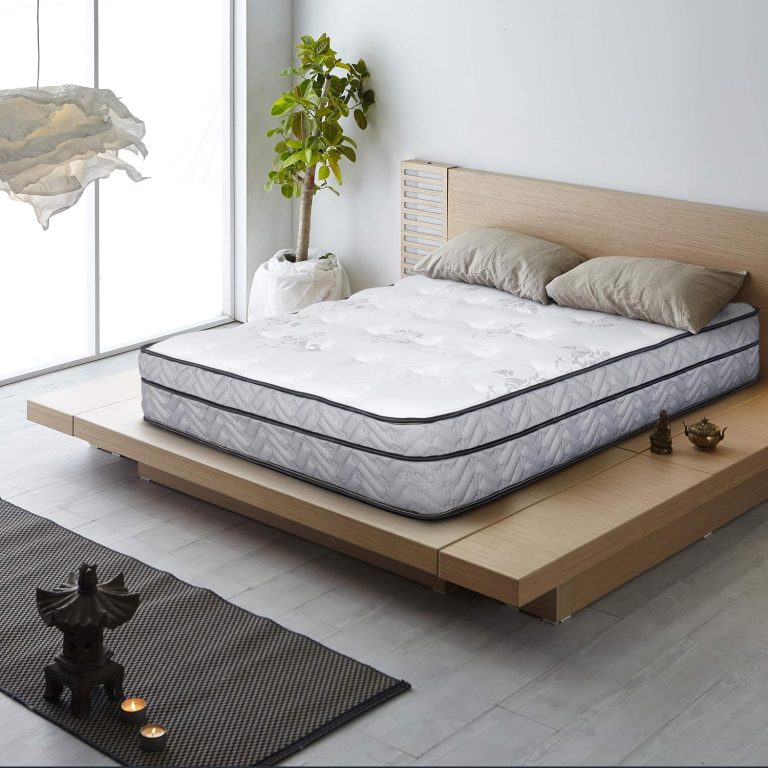
Stomach Sleeper’s Guide to Mattress Firmness
For stomach sleepers, the best mattress firmness is medium-firm to firm (rated 7-8 out of 10). You need a firm surface to keep your hips from sinking too deep, which prevents lower back pain. We found that a firm mattress keeps your spine in a neutral, straight line while you sleep on your belly.
Sleeping on your stomach is the toughest position on your back. It puts pressure on your neck and spine because your head is turned to the side all night. A soft mattress will only make this worse. Your hips will sink, creating a dangerous arch in your lower back. That’s why finding the right support level matters so much for proper spinal alignment and waking up without aches. Your body weight also plays a big role in how firm the mattress actually feels to you.
- Choose firm: Aim for a 7-8 firmness rating to stop hip sink.
- Weight matters: Heavier sleepers (over 230 lbs) often need extra-firm options.
- Skip soft beds: Plush mattresses cause back arching and pain.
- Use a thin pillow: Or no pillow at all, to keep your neck neutral.
- Test the feel: If your hips sink lower than your shoulders, it’s too soft.
Below, we break down exactly how to pick the perfect firmness level for your body type and sleep style. Let’s walk through the key details so you can finally get pain-free, restful nights.
Why a Firm Surface Matters for Stomach Sleepers
Your spine has a natural S-shape. When you sleep on your stomach, that shape fights against gravity. A soft mattress lets your midsection sink into the foam. That sinking motion forces your lower back to arch like a banana. This position strains your muscles and joints.
We found that a firm sleeping surface keeps your hips level with your shoulders. This prevents that painful arch. The goal is a straight line from your neck down to your tailbone. A firm bed acts like a supportive board under your core. It keeps your body floating in a neutral position.
Many experts agree that stomach sleepers rank highest in need for firm support (Cleveland Clinic). Plush beds feel cozy at first. But by morning, you pay the price with stiffness in your lower back and neck.
The Problem with Soft and Plush Beds
Think of soft mattresses like a hammock. They hug your curves and cradle your body. For side sleepers, that cradling is perfect. For stomach sleepers, it’s a disaster. Your hips drop into the deepest part of the mattress, which tilts your pelvis forward.
That tilt stretches your abdominal muscles. It compresses your lower back discs. You wake up feeling like you ran a marathon, not like you rested. The pressure also makes it harder to turn over during the night, disrupting your sleep cycles.
If you are currently sleeping on a plush bed and waking up sore, the mattress firmness is likely the culprit. Many sleepers simply switch to a firmer model and find their back pain disappears within a week or two.
How Your Body Weight Changes the Firmness Equation
Firmness ratings are not universal. A firm mattress for a 150-pound person feels like a cloud to a 250-pound person. Your body weight dictates how deeply you press into the sleep surface. It directly affects spinal alignment research shows.
Heavier sleepers need less give in their mattresses. A medium-firm bed might allow too much sink for a larger frame. The opposite applies to lighter individuals. A 120-pound stomach sleeper may find an extra-firm bed too hard on the hips and ribs, creating pressure points.
Weight Categories and Recommended Firmness Levels
| Body Weight | Recommended Firmness (1-10) | Key Considerations |
|---|---|---|
| Under 150 lbs | Medium (6) to Firm (7) | Softer materials will still support you. Firm may feel too rigid. |
| 150-230 lbs | Firm (7) to Extra-Firm (8) | This is the sweet spot for most average-weight stomach sleepers. |
| Over 230 lbs | Extra-Firm (8) | You need maximum support to avoid the hammock effect. |
We found that your ideal firmness is deeply personal. The chart above is a solid starting point. But you should always test the mattress if you can. Lie on your stomach in the store for at least five minutes. Pay attention to your lower back. Does it feel flat or arched?
Understanding the Firmness Scale
Most brands rate mattresses from 1 to 10, with 10 being the hardest surface. A 1-3 rating is soft, suitable for side sleepers under 130 pounds. A 4-6 rating is medium, good for combination sleepers. A 7-9 rating is firm, and it is the sweet zone for stomach positions.
Remember that mattress firmness and support are different things. Firmness is how hard the top feels. Support is how well the bed keeps your spine aligned. A high-quality firm mattress should still have comfort layers, like latex or foam, to cushion your hips and ribs.
The Proper Sleeping Position and Pillow Strategy
Even with a perfect firm mattress, you can ruin your alignment with a thick pillow. Stomach sleepers should use a flat pillow or no pillow at all. A thick pillow tilts your neck upward. That causes strain in your cervical spine and shoulder muscles.
Try to sleep with your head directly on the mattress. If you need some cushioning, choose a thin feather or down pillow that flattens easily. This keeps your neck in a neutral line with the rest of your spinal column.
Adjusting Your Sleeping Angle
If you struggle to breathe while sleeping flat on your belly, try a slight modification. Place a pillow under your pelvis to reduce the arch in your lower back. This also relieves pressure on your lungs. You can also angle your body slightly to one side while keeping your chest mostly on the surface.
Some stomach sleepers also tuck one leg up to the side, bent at the knee. This reduces the tension in the hip flexors and takes pressure off the lower spine. Experiment with these micro-adjustments to find what feels natural for your body.
Material Differences: Foam vs. Innerspring vs. Latex
Not all firm mattresses feel the same. The construction material changes the sensation. Memory foam contours to your body and provides pressure relief, but it traps heat. If you run hot as a stomach sleeper, this could be uncomfortable.
Innerspring mattresses with a firm coil system are bouncy and breathable. They provide excellent support but may lack cushioning at the hip bone. Latex is naturally responsive and firm. It offers a “sleep on top” feel that works well for stomach sleepers who dislike sinking.
Hybrid Designs: The Best of Both Worlds
Hybrid mattresses combine a coil base with foam or latex comfort layers. The coils provide firm support, and the top layers add just enough pressure relief. We found that firm hybrids are often the top recommendation for stomach sleepers because they prevent sink without being stone-hard.
When you shop, look at the mattress’s specific layering. A true firm hybrid will have a thin pillow top, not a thick cushioned one. Thick pillow tops, regardless of rating, may allow for too much sink for heavy stomach sleepers.
Quick Checklist: Signs You Need a Firmer Mattress
How do you know if your current bed is too soft? Your body will tell you. Pay attention to any of these warning signs that suggest it is time for an upgrade.
- You wake up with lower back pain that fades after you get moving.
- You can see a visible dent in the mattress where your hips rest.
- Your neck is strained even if you already use a thin pillow.
- You sleep on your stomach but feel like you are in a slight “banana” position.
- You sink so deep that your partner on the other side rolls toward you.
- You toss and turn frequently to find a comfortable spine position.
If you check three or more of these boxes, your mattress likely lacks the firmness you need. It might be time to consider a new firm model designed specifically for your sleep position and body weight.
Testing a Mattress at Home for Proper Firmness
Stores can be tricky. You lie on a bed for three minutes, decide it feels nice, and purchase it. Then, at home, it feels completely different after eight hours. Always use the trial period. Most reputable brands offer a 100-night sleep trial. Use that time to truly evaluate the firmness.
On the first night, lie on your stomach and check your alignment with a mirror or your partner’s eyes. If your back bows downward, the bed is too soft. If your hips hurt in the morning because the surface hits a pressure point, the bed might be too firm and you may need a slightly softer model or a mattress topper.
Using Mattress Toppers to Adjust Firmness
Before spending hundreds on a new bed, consider a topper. A firm mattress topper made of latex can add support to a medium bed. Alternatively, a thin foam topper can soften a mattress that’s too hard for your hip bones. Many stomach sleepers find a 1-inch topper is enough to fine-tune the feel without sacrificing alignment.
We recommend trying this cheaper solution first. It helps you determine your exact firmness preference before committing to a full-size purchase. That way, you can make an informed buying decision armed with your personal sleep data.
Shopping for Your Ideal Firm Mattress: What to Look For
When you browse online, look for keywords like “firm” or “extra firm” in the product title. However, do not rely on marketing language alone. Look for the firmness rating number. Check the customer reviews. Filter specifically for reviews from stomach sleepers who match your weight range.
Pay attention to edge support. A firm mattress with weak edges will allow you to roll off the side. That is critical if you sleep alone in a larger bed or use the edge for getting in and out. Check if the warranty covers sagging. If the bed develops a dip over time, the firmness will degrade, and your back will suffer.
Reading Mattress Reviews Like a Pro
Sort reviews by “most recent” rather than “most helpful.” Older reviews may refer to an outdated version of the same mattress model. Look for comments mentioning hips, sinking, and alignment. These are the exact clues that tell you how the mattress performs for stomach positions.
We also found that reviewing the manufacturer’s official firmness test helps. Many top brands now use an indentation load deflection (ILD) rating, which measures support strength. A higher ILD number means a firmer feel, usually in the 32-36 range for stomach sleepers.
Choosing the right firmness takes a little homework, but it is worth the effort. Your back carries you all day. Give it the flat, supportive foundation it needs to rest and recover while you sleep on your belly.
Conclusion
Your stomach sleeping position demands a firm foundation. We covered the core rule: aim for a 7-8 firmness rating to keep your hips level and your spine neutral. Your body weight changes the math, so use our chart as your starting point. Soft beds are your enemy. They create that painful arch in your lower back.
Remember your pillow strategy too. A thin pillow, or none at all, protects your neck. You now have the exact checklist to evaluate your current mattress and the knowledge to shop smarter. Start by testing your bed tonight. If your hips sink, it’s time to explore a firmer option. Your back will thank you.
Frequently Asked Questions
Can a firm mattress cause shoulder pain for stomach sleepers?
Yes, it can if the mattress is too hard. Your shoulders and ribs press directly into the surface. Look for a firm mattress with a thin comfort layer of latex or foam. This cushions your joints while still stopping your hips from sinking.
Is a 6 out of 10 firmness mattress okay for stomach sleeping?
A medium-firm 6 can work if you weigh under 150 pounds. Lighter bodies don’t sink as deeply. For most stomach sleepers, we recommend a 7 or 8. You want your hips to stay level with your shoulders, and a 6 may allow too much sink for average weights.
How long does it take to adjust to a firm mattress?
Your body typically needs 2 to 4 weeks to adapt. The first few nights might feel unusually hard. If you still have back pain after a month, the mattress is likely too firm for your body type. Use the trial period to decide before the return window closes.
Will a mattress topper ruin the firmness of my bed?
Only if you choose a thick one. A 1-inch firm latex topper adds pressure relief without changing support. Avoid plush 3-inch toppers. They turn your firm bed into a soft one and recreate the sinking problem you are trying to fix.
Do stomach sleepers need a special mattress or just a firm one?
You just need the right firmness level. There is no special “stomach sleeper” mattress category. Focus on firm construction, strong edge support, and minimal sink. A quality firm hybrid or latex mattress often performs best for your sleep position.