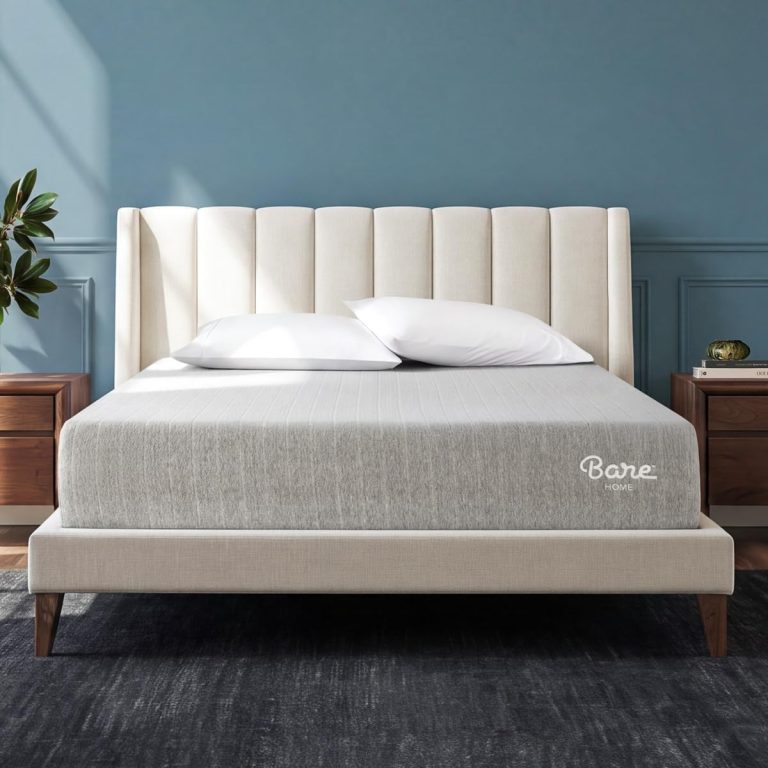
Foam Mattresses: Are They Actually Good in 2026
Yes, foam mattresses are absolutely good for many sleepers, especially if you want great pressure relief and motion isolation. In fact, we found that memory foam and polyfoam beds are some of the most popular choices in the US because they hug your body and feel super quiet when you move. They are a solid pick for side sleepers and couples.
That said, foam isn’t a one-size-fits-all miracle. You need to think about your sleep position, body weight, and temperature preferences before you buy one. Some foam beds sleep hot, while newer designs use cooling gels and breathable covers to fix that issue. We also found that durability can vary wildly, so the quality of the foam really matters.
- Great for pressure relief—foam contours to your curves and eases sore joints.
- Top-notch motion isolation—you won’t feel your partner tossing and turning at night.
- Usually budget-friendly—plenty of good options under $500 without sacrificing comfort.
- Watch for heat retention—look for gel-infused or breathable foam layers to stay cool.
- Durability depends on density—higher-density foam lasts longer and resists sagging.
So, is a foam mattress the right fit for your bedroom? Below, we break down exactly how foam feels, who it works best for, and what to look for so you can shop with total confidence.
Are Foam Mattresses Worth the Hype?
We think foam mattresses absolutely deserve a spot on your shortlist. But you need to pick the right type for your body. Foam works by molding to your shape, which relieves pressure points. It also absorbs movement better than any spring coil system we have tested.
The trick is understanding that not all foam is created equal. A cheap foam bed might sleep hot and sag within a year. A quality one can last you a decade or more. So, let us walk you through the real pros, the honest cons, and who should actually buy one.
How a Foam Mattress Actually Feels
Imagine lying on a surface that slowly shapes itself around your shoulders and hips. That is the classic foam feel. It is quiet, dense, and gives you that slight “quicksand” sensation when you sit down.
We found that most people either love this cradling feel or miss the bounce of a traditional innerspring bed. There is rarely a middle ground. If you like sleeping “on” the bed rather than “in” it, foam might feel too soft for you.
The Two Main Types of Foam
You will see two common materials when you shop: memory foam and polyurethane foam. Memory foam is denser and offers that slow-moving contour. Polyfoam is bouncier and a bit more responsive, but still blocks motion well.
Many beds mix both layers. A high-density polyfoam base adds support, while a memory foam top layer gives you pressure relief. This combo is a great middle ground for most sleepers.
Gel-Infused and Open-Cell Options
Heat retention is the biggest complaint about foam. To fix this, brands add cooling gels or use open-cell foam structures. These help air circulate a little better. We found these work, but they are not magic. Your sheets and room temperature still matter a lot.
Who We Recommend Foam Mattresses For
Foam is not a universal fix. But there are clear winners here. Based on our research and industry data, certain sleepers get the most benefit from this material. If you match any of these profiles, you should lean toward foam.
Side Sleepers and Sore Joints
Pressure builds up at your shoulder and hip when you sleep on your side. A foam mattress lets those areas sink slightly, keeping your spine aligned. Many guidelines point to pressure relief as a key factor for joint pain (Mayo Clinic).
If you wake up with numb arms or a stiff neck, foam might be your fix. The contouring takes the load off your tender spots.
Couples Who Share a Bed
Motion isolation is a superpower of foam mattresses. You can get up for a midnight snack, and your partner will never feel it. We found that foam outperforms innerspring beds by a wide margin in this category.
If your partner is a restless sleeper, a foam mattress might save your relationship. No more being jostled awake at 3 AM.
Who Should Probably Skip Foam
Foam is great, but it is not for everyone. We researched several groups who consistently report dissatisfaction with foam beds. Pay attention here if you fall into these categories. It can save you a lot of hassle.
Hot Sleepers and Warm Climates
Foam is dense, and density traps body heat. Even with cooling gels, foam does not breathe like a coil mattress or a latex hybrid. We found that people who naturally sleep hot often struggle with these beds in the summer.
You can cheat the system with moisture-wicking sheets and a chillier bedroom. But if you already wake up sweaty, you might want a hybrid model with coils for airflow.
Heavy Individuals (Over 230 lbs)
Here is the honest truth about durability. Low-density foam can break down faster under heavy weight. The bed might start sagging in the middle after a couple of years. That leads to back pain and a very unhappy sleeper.
If you are heavier, you need a foam mattress with high-density foam (at least 1.8 pounds per cubic foot). Or, consider a hybrid with a coil support core. We found that heavier individuals often prefer the extra pushback of coils.
Stomach Sleepers and Those Who Need Firm Support
Stomach sleeping puts a lot of pressure on your lower back. A soft foam mattress makes your hips sink too deep, which arches your spine. That can quickly lead to morning aches.
We recommend a firm foam bed if you are a stomach sleeper. You want just enough contour to feel comfortable, but not so much that your midsection sinks below your chest.
What to Look For When Buying Foam
Before you click “add to cart,” you need to check a few specs. We have broken down the technical jargon into simple, actionable points. Here is your quick shopping checklist.
- Density matters: Look for at least 4 pounds per cubic foot for memory foam layers. Lower density means a shorter lifespan.
- Check the support core: The base foam should be around 1.8 pounds per cubic foot. This stops the dreaded sag.
- Look for certifications: CertiPUR-US certified foam is free of heavy metals and harmful chemicals.
- Test the edge support: Foam edges can be weak. If you sit on the edge, look for reinforced sides.
- Read the return policy: Foam needs time to adapt. You need at least a 30-night trial to truly know.
- Cooling is a feature, not a given: Pay extra for gel or graphite infusions if you run warm.
Foam vs. Other Mattress Types: A Quick Comparison
You might be wondering if foam is really better than springs or latex. We have put together a quick side-by-side view. This comparison shows exactly where foam wins and where it falls short.
| Feature | Foam | Innerspring | Hybrid (Coils + Foam) |
|---|---|---|---|
| Motion Isolation | Excellent | Poor | Good |
| Pressure Relief | Excellent | Fair | Good |
| Temperature | Sleeps warm | Sleeps cool | Cooler than foam |
| Durability | Depends on density | Sags over time | Good longevity |
| Price | Budget-friendly | Affordable | More expensive |
The Longevity Question: How Long Will It Last?
Let us talk about the elephant in the room. How long is this bed going to hold up? The answer depends heavily on the quality of the foam inside the mattress. You cannot judge a foam bed by how it looks in the delivery box.
We found that a high-quality foam mattress lasts between seven to ten years. Cheaper models with low-density foam might start sagging by year four or five. Always check the warranty. A 10-year warranty is the industry standard for quality beds.
Off-Gassing: What Is It and Should You Worry?
You might notice a chemical smell when you unbox your new foam mattress. That is called off-gassing. It is the release of volatile organic compounds (VOCs) from the foam. It is common, but it does not last forever.
We suggest unboxing the mattress in a well-ventilated room. Most beds air out within 24 to 72 hours. If the smell lasts longer than a week, that is a red flag. That might signal you bought a very low-quality product with cheap foams.
Durability Tips for Your Foam Bed
You worked hard for your money, so protect your investment. A few simple habits can extend the life of your foam mattress. These tips are easy to follow and cost almost nothing.
- Rotate your mattress head-to-toe every six months. This stops uneven sagging.
- Use a waterproof mattress protector to guard against spills and sweat.
- Make sure your bed frame has center support. A slatted base with slats no more than 3 inches apart is ideal.
- Do not jump on the bed. Foam takes time to recover its shape.
- Avoid sitting on the corner for long periods. This strains the edge foam.
Give your foam base a solid platform. A box spring from the 90s will not work. You need a flat, solid surface or a slatted frame. Poor support ruins foam fast, so check your bed frame before unboxing.
Conclusion
So, are foam mattresses any good? For most people, the answer is a confident yes—if you pick the right one. You get unbeatable pressure relief, stellar motion isolation, and a price tag that won’t wreck your budget. That combo is hard to beat.
Just remember the two big watch-outs: heat retention and durability. You can solve the heat issue with cooling layers and breathable sheets. For durability, never skimp on foam density. You want quality materials that will hold up for the long haul.
Your next step is simple. Check your sleep position and weight against our buying checklist. If you’re a side sleeper or share a bed, foam is a strong choice. Buy from a brand with a solid trial period so you can test it risk-free. Happy sleeping!
Frequently Asked Questions
Why do foam mattresses feel so hot at night?
Foam is dense, and that density traps your body heat. The material hugs you so closely that air can’t move easily around your skin. Look for gel-infused foam or open-cell construction. These features help pull heat away from your body while you sleep.
Is a 3-inch memory foam topper as good as a real foam mattress?
Not quite. A topper adds softness, but it won’t fix a sagging or unsupportive base. It has a fraction of the foam layers a full mattress has. Toppers are great for refreshing an old bed, but they aren’t a replacement for proper support.
Can I use a foam mattress on an adjustable bed frame?
Yes, foam mattresses are actually ideal for adjustable bases. They flex and bend without putting stress on the materials. This is one big advantage over innerspring beds. Always check the manufacturer’s recommendation first to be safe.
Should I flip my foam mattress? Is that necessary?
Most foam mattresses are one-sided and should not be flipped. You should only rotate them head-to-toe every six months. Flipping one over can damage the comfort layers or void your warranty. Check your specific owner’s manual for exact care instructions.
Are foam mattresses safe for kids with allergies?
Foam is naturally resistant to dust mites and other common allergens. That makes it a solid pick for allergy sufferers. Just make sure you choose a CertiPUR-US certified foam. This ensures there are no harsh chemicals or heavy metals in the material.