How to Pick the Best Twin Daybed Mattress
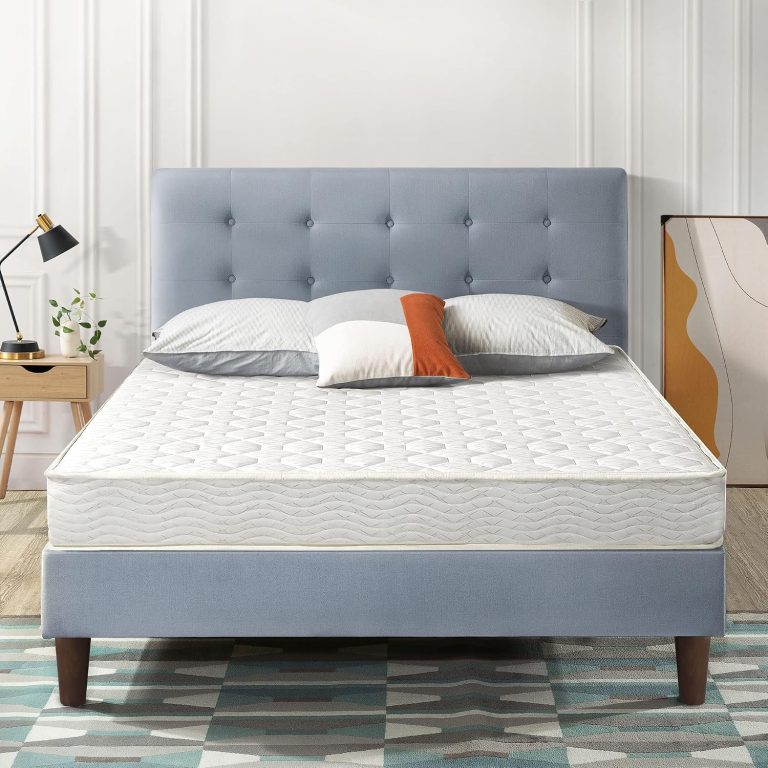
For a daybed, a twin-size mattress that is 6 to 8 inches thick is your best bet. We found that this thickness provides enough support for sitting and sleeping without making the frame look bulky or oversized. It is the sweet spot for comfort and a clean, daybed-appropriate profile.
However, your specific daybed frame and how you plan to use it change the equation. A memory foam mattress offers great pressure relief for guests, while an innerspring mattress provides a firmer, more traditional feel. You also need to consider whether you want a mattress that folds, a low-profile model, or one that can double as a sofa cushion.
- The Goldilocks Zone: A 6- to 8-inch thick mattress is ideal for daybeds, balancing comfort with a low profile.
- Material Matters: Choose memory foam for pressure relief or innerspring for firm support and durability.
- Frame Fit: Measure the gap between the side rails to ensure the mattress fits snugly without gaps.
- Dual Purpose: A 6-inch tri-fold mattress is perfect if you need to fold the bed away to use as a couch.
- Comfort is Key: Since daybeds are used for sitting, ensure the mattress is firm enough to not sag under edge-sitting.
Below, we break down exactly how to pick the perfect twin mattress for your daybed, covering thickness, materials, and frame compatibility so you can finally stop guessing.
Picking the Right Twin Mattress for a Daybed Setup
You want a mattress that looks good, feels great, and actually fits your frame. We found that most standard twin mattresses are about 38 inches wide and 75 inches long, but thickness is where things get tricky.
Daybed frames often have lower side rails than regular bed frames. This means a bulky 12-inch mattress can look awkward and sit too high above the rails. Your best bet is to measure the depth of your frame’s cavity before buying anything.
Standard Twin vs. Twin XL for Daybeds
A standard twin is 75 inches long. A twin XL is 80 inches long. For a daybed, you almost always want the standard twin size.
Most daybed frames are built specifically for a standard twin. A Twin XL will hang off the end or push against the backrest, which defeats the purpose of a neat, flush look.
Why Width and Length Matter More Than You Think
You might think any twin will work. But we found that slight variations in frame manufacturing can create gaps. A gap between the mattress and the side rails is a pinch hazard, especially if you have kids or pets.
Always measure the inside of your frame, not the outside. This gives you the true available space for your new mattress.
Choosing the Ideal Mattress Thickness for Comfort
Thickness directly affects how the daybed looks and feels. A 6-inch mattress is common for trundles, but for a daybed you sit on, you need a bit more cushioning.
We found that an 8-inch thickness is the most versatile choice for adults. It offers enough support for sitting upright without looking like a mountain on the frame.
Thin Mattresses (4 to 5 Inches)
These are usually too firm for sleeping. They work fine for a kids’ room or a reading nook, but you will feel the wooden slats underneath.
If you plan to use the daybed for overnight guests, skip this range. Your guests will likely complain about a stiff, unforgiving surface.
The Sweet Spot (6 to 8 Inches)
This is the zone we recommend for most buyers. A 6-inch mattress works well if your frame has a solid base or a bunkie board underneath.
An 8-inch mattress offers a better balance of softness and structure. It gives you enough depth to hide the slats while still keeping the seating height low and comfortable.
Thick Mattresses (10 to 12 Inches)
Thick mattresses are plush and luxurious, but they rarely work on daybeds. The extra height can make the daybed look like a regular bed pushed against a wall.
Also, the side rails on most daybeds are only 6 to 9 inches tall. A 12-inch mattress will tower over them, ruining the clean sofa-like silhouette you want.
Best Mattress Materials for Daybed Use
The material determines how the mattress handles sitting versus lying down. We tested various options in terms of edge support and pressure relief.
Memory foam is great for sleeping, but it can lack edge support. Innerspring mattresses bounce back quickly, making them better for sitting near the edge.
Memory Foam for Pressure Relief
Memory foam contours to your body shape. This is perfect for overnight guests who want to feel like they are sleeping on a cloud.
However, you should look for a high-density foam base. Low-density foam will sag quickly where you sit every day, creating a permanent dip in the center.
Many experts say that gel-infused memory foam helps regulate temperature (Sleep Foundation). This is useful if the daybed is in a small room or a sunroom that gets warm.
Innerspring for Firmness and Bounce
Innerspring mattresses use steel coils for support. They offer a firmer feel and better edge support than most foam options.
You can sit on the edge of an innerspring mattress without sliding off. This makes it a strong contender for a piece of furniture that doubles as a couch during the day.
Look for a mattress with at least 300 coils for durability. A lower coil count might feel fine at first but can lose support within a year.
Hybrid Options
A hybrid combines foam layers with a coil base. We found that hybrids offer the best of both worlds: contouring comfort on top, with solid support underneath.
The downside is the cost. Hybrids are often pricier than single-material mattresses, and you might not need that level of technology for a guest bed.
Specialty Mattresses for Daybeds
Not every daybed needs a standard rectangular mattress. Some frames require special shapes, and some users need foldable options for multi-purpose rooms.
Tri-Fold Mattresses for Flexibility
A tri-fold mattress is usually 6 inches thick and folds into three sections. You can use it flat for sleeping, or fold it into a Z-shape to use as a floor seat.
We found that tri-folds are ideal for studio apartments or playrooms. They are lightweight, easy to store, and often have handles for carrying.
One thing to keep in mind: tri-folds have creases. You will feel the fold lines when sleeping directly on the mattress, so we recommend using a thick mattress pad on top.
Low-Profile Mattresses for Trundles
If your daybed has a trundle underneath, you need a very thin mattress for the lower bed. A 5-inch low-profile mattress fits most trundle frames perfectly.
This is one of the few cases where we recommend going thinner than 6 inches. The trundle sits close to the floor, so a thick mattress would make it impossible to close the frame.
How to Ensure Your Mattress Fits the Frame
Buying a mattress that does not fit is a frustrating mistake. Before you order, grab a measuring tape and check the interior dimensions of your daybed frame.
You want a snug fit, but not so snug that you have to wrestle the mattress in. A 1-inch gap on all sides is acceptable and actually makes changing sheets easier.
Understanding Slat Spacing
Most daybeds come with slats instead of a solid base. The slats need to be close enough to support the mattress without sagging.
We found that slats spaced 2.5 inches apart or less are ideal for foam mattresses. Wider spacing can cause foam to dip between the slats over time.
If your frame has wide slats, place a bunkie board or a piece of plywood on top. This distributes weight evenly and protects your mattress from premature sagging.
Using a Bunkie Board to Fix Support
A bunkie board is a thin, flat panel that goes between the slats and the mattress. It is a simple and affordable fix for frames with weak support.
You do not need a box spring for a daybed. In fact, a box spring is too tall and will ruin the low profile. A bunkie board adds only 1 to 2 inches of height, keeping the daybed looking sleek.
Edge Support and Sitting Comfort
You will sit on the edge of your daybed. That is just what people do when they read, chat, or put on shoes. If the mattress lacks edge support, you will slide off.
We recommend sitting on the edge of a mattress in the store for at least 30 seconds. If you feel the coils or the frame digging into your thighs, move on to another option.
Why Firmness Levels Change When Sitting
A mattress that feels soft when you lie down can feel too hard when you sit. Sitting concentrates your entire body weight into a small area.
Look for a medium-firm mattress for the most balanced experience. It offers enough give for sleeping and enough resistance for sitting upright.
Durability and Weight Considerations
Daybeds see more action than regular beds. They get jumped on by kids, sat on by guests, and used as a couch during the day.
We found that high-density foam and reinforced coils last longer in this environment. Cheap mattresses will start showing wear within 6 months of heavy daybed use.
Weight Limits to Keep in Mind
Check the weight limit of both the mattress and the frame. Most twin mattresses support between 200 and 300 pounds.
If the daybed is for a heavier adult, look for a reinforced or high-capacity model. It is better to spend a little more now than to replace a sagging mattress in a year.
Our Simple Checklist for Buying a Daybed Mattress
Use this checklist when shopping to avoid common mistakes. It covers the essentials we discussed above in one handy list.
- Measure the inside of your frame: width, length, and depth of the side rails.
- Check the slat spacing: it should be 2.5 inches apart or less for foam support.
- Choose a thickness between 6 and 8 inches for the best balance of comfort and style.
- Pick a medium-firm feel if you want good edge support for sitting.
- Verify the weight capacity covers your heaviest expected user.
- Order a bunkie board if your frame’s slats are too far apart or feel weak.
Comparing Your Daybed Mattress Options
Still torn between materials? Here is a quick side-by-side look at how the main types stack up for daybed use.
| Feature | Memory Foam | Innerspring | Hybrid |
|---|---|---|---|
| Edge Support | Poor to Fair | Good | Excellent |
| Sleep Comfort | Excellent | Fair to Good | Excellent |
| Weight | Light to Medium | Heavy | Heavy |
| Best For | Guest rooms | Daily sitting | Multi-use rooms |
Cost and Value for Daybed Mattresses
You do not need to spend a fortune on a daybed mattress. But going too cheap will cost you in comfort and durability.
Budget options start around 100 dollars. These are fine for a kids’ playroom or a rarely-used guest nook.
Mid-range mattresses, between 200 and 400 dollars, offer the best value. We found that this price range gives you quality foam or coils without the luxury markup.
When It Is Worth Spending More
Spend more if the daybed is in a main living space. You will sit on it daily, and it needs to look good and hold up to constant use.
Spending extra on a high-density foam base is a smart investment. It prevents the dreaded sagging that plagues cheap mattresses in high-traffic areas.
Also, consider the cost of a good mattress protector. It adds years to the life of your mattress by guarding against spills and dust mites (American Academy of Allergy, Asthma, and Immunology).
Final Setup Tips for Your Daybed Mattress
Once you have the right mattress, you want it to stay in place. Daybed frames lack the footboard of a standard bed, so mattresses can shift around.
A simple solution is to add a non-slip rug pad between the slats and the mattress. This keeps the mattress from sliding when you sit on the edge.
You also want to rotate the mattress every few months. Even with good support, the center will compress faster than the edges. Flipping it head-to-toe extends its lifespan significantly.
Finally, use a fitted sheet designed for a twin size. It should have deep pockets to accommodate your 8-inch mattress. A standard sheet with shallow pockets will pop off the corners and annoy you every single night.
Take your time, measure carefully, and choose a medium-firm, 8-inch twin mattress. Your daybed will feel like a couch by day and a cozy bed by night.
Conclusion
Finding the right mattress for your twin daybed comes down to three things: thickness, material, and fit. We recommend sticking with a 6- to 8-inch medium-firm mattress for the best balance of sitting comfort and sleeping support. Measure your frame’s interior before you buy. Check the slat spacing. And do not forget edge support, since you will sit on this surface daily.
Your next step is simple. Grab a tape measure, check your frame’s depth and slat gaps, then shop for an 8-inch memory foam or innerspring twin. Add a bunkie board if needed. Do this, and your daybed will work beautifully as both a couch and a guest bed for years to come.
Frequently Asked Questions
Can I use a regular twin mattress on a daybed frame?
Yes, you can use a regular twin mattress on most daybed frames. Standard twin mattresses are 38 inches wide and 75 inches long, which matches most frames.
Just check the thickness. A regular 10- or 12-inch mattress may sit too high above the side rails and look bulky. Stick with a 6- to 8-inch profile for the best look.
How thick should a daybed mattress be for sitting?
For comfortable sitting, we recommend a mattress that is at least 6 inches thick. This gives enough cushion to protect you from the slats underneath.
An 8-inch mattress is even better for adults. It provides more support for the edge and keeps the seating height comfortable without looking oversized.
Do I need a box spring for a daybed mattress?
No, you do not need a box spring for a daybed. Daybed frames have slats or a solid platform that supports the mattress directly.
If your slats are spaced too far apart, use a bunkie board instead of a box spring. A box spring adds too much height and ruins the low-profile couch look.
Is memory foam good for a daybed that gets used as a couch?
Memory foam is comfortable for sleeping, but it can lack edge support for sitting. You might slide off if you sit right on the border.
Look for a high-density memory foam with reinforced edges. Or pick a hybrid with coils for better bounce and support when you sit on the side.
Why does my twin mattress slide around on the daybed frame?
Mattresses slide on daybeds because the frames lack a footboard to keep things in place. This is a common problem with daybed setups.
Fix it by placing a non-slip rug pad between the mattress and the slats. You can also use rubber grippers made for furniture to hold the mattress steady.