Mattress vs Hammock: Which Gives Better Sleep
If you’re choosing between a mattress and a hammock for your nightly sleep, a mattress is the better choice for most people. Mattresses offer the spinal support and firm, flat surface that your body needs to recover overnight. While hammocks are fun for a nap, a mattress wins for long-term comfort and health.
We dug into the research and found that your sleeping position and back health matter more than the trend factor. A hammock can feel amazing for a lazy afternoon, but it’s hard to beat the sturdy support of a traditional bed. You also have to think about temperature, space, and how easy it is to get in and out of bed each morning.
- Winner for sleep quality: Mattress—flat, firm support keeps your spine aligned all night.
- Winner for relaxation: Hammock—great for gentle rocking and afternoon naps.
- Back pain risk: Lower on a mattress; hammocks can cause neck and hip strain for side sleepers.
- Space and setup: Mattresses need a bedroom, but hammocks can go anywhere with two anchor points.
- Cost range: Hammocks are cheaper upfront, but a good mattress lasts 7–10 years.
Below, we break down the mattress vs hammock debate in plain English. We’ll compare comfort, support, cost, and real-world sleep habits so you can pick the right setup for your home.
Sleeping on a Mattress vs a Hammock: The Real Differences
When you get right down to it, you are choosing between two very different sleep experiences. One gives you a firm, stable base. The other gives you a suspended, rocking cradle. We found that your daily habits and your body’s needs will point you toward the right pick.
Think about how you actually sleep. Do you toss and turn? Do you sleep on your side with a pillow between your knees? Or do you sprawl out like a starfish? Your answers matter more than you think. Let’s break down what happens to your body in each setup.
How Your Spine Reacts to Each Surface
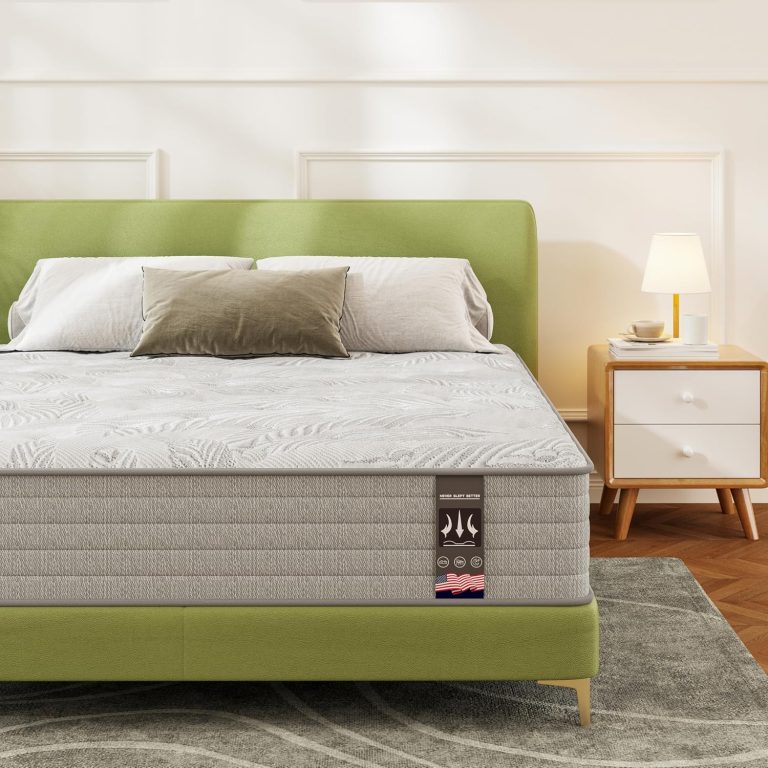
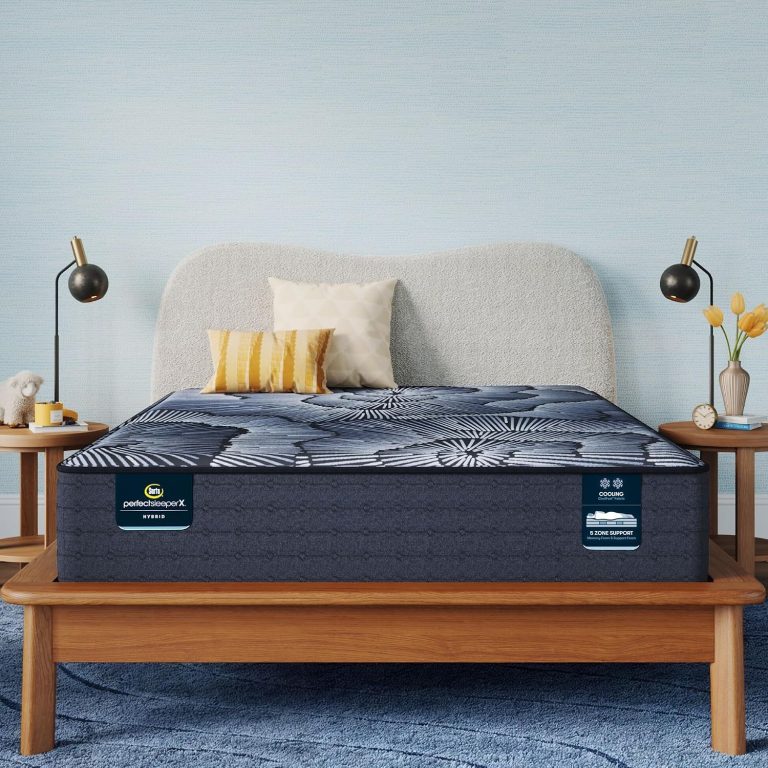
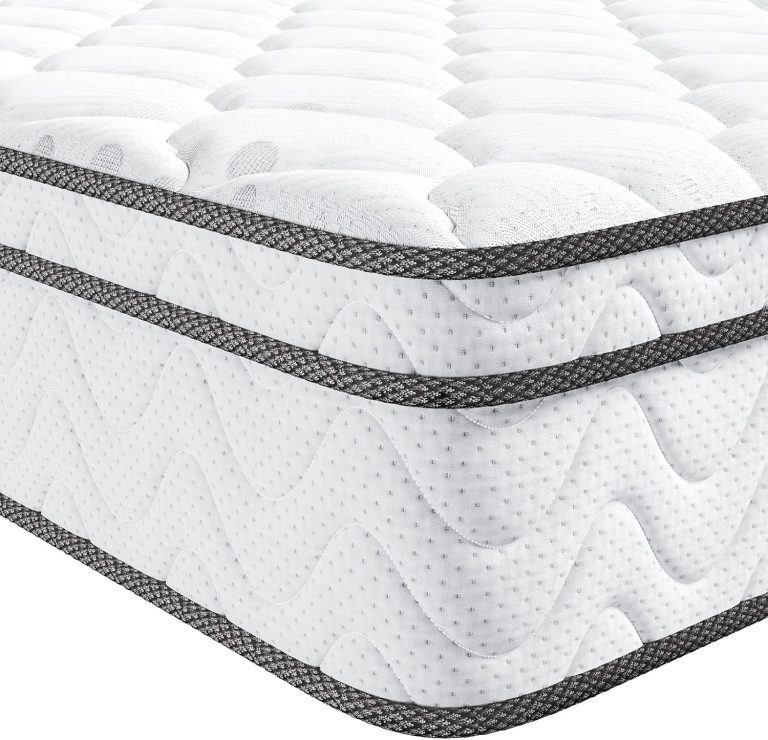
Your spine has a natural S-curve. It needs support to keep that curve healthy. A flat mattress allows your hips and shoulders to sink just a little, keeping your back in a neutral line.
Hammocks are different. They curve around your body like a banana. This can push your neck and lower back into an awkward arch. Over time, that position can lead to stiffness and pain.
Many experts say that a flat, supportive surface is best for spinal alignment (Cleveland Clinic). If you already wake up with a sore back, a hammock might make things worse.
What Side Sleepers Need to Know
If you sleep on your side, you need pressure relief at the hip and shoulder. A mattress with a little give can do that. A hammock, however, forces your body into a narrow curve. Your top hip and shoulder can feel strained.
We found that side sleepers often struggle with hammocks. The lack of a flat surface means your neck twists slightly to stay level. That is a recipe for a crick in the neck.
Back Sleepers and Stomach Sleepers
Back sleepers need medium support to keep the lower back from collapsing. Stomach sleepers need a firmer surface to keep the hips from sinking too deep. A mattress can do both jobs well.
Hammocks are tricky for both. Your midsection sinks into the deepest part of the fabric. That puts extra pressure on your lower back. Stomach sleeping in a hammock is nearly impossible without twisting your neck.
Comfort and the Feeling of Being Cradled
There is something magical about the gentle sway of a hammock. It feels like being rocked to sleep. That motion can help you relax faster and fall asleep more quickly.
But that rocking feeling fades. Once you are asleep, your body needs stillness. A mattress offers that stable, quiet surface all night long. A hammock can shift when you move, which might wake you up.
We found that people love hammocks for short naps. For a full eight hours, the novelty wears off. Your body craves a steady, unmoving base.
Temperature Control: Hot Sleepers Beware
Do you kick the covers off at night? Do you wake up sweaty? Then temperature matters a lot.
Hammocks are made of breathable fabric. Air circulates all around you. That can keep you cool in the summer. Many people say a hammock feels like sleeping on a breeze.
Mattresses, on the other hand, trap heat. Memory foam is especially warm. You can fix this with cooling gel layers or breathable sheets. But a hammock has a natural advantage here for hot sleepers.
Winter Time is a Different Story
That same breathability works against you in winter. A hammock lets cold air hit your back all night. You will need a thick underquilt or pad to stay warm.
A mattress sits on a solid frame. It holds your body heat better. Your bedroom stays at a steady temperature. For year-round comfort, a mattress is easier to manage.
Cost, Setup, and Space Requirements
Let’s talk money and logistics. These practical points often decide the winner. We found that hammocks are cheaper upfront, but they are not always the budget win they seem.
A basic hammock can cost under $50. A good mattress can cost $1,000 or more. That is a huge difference. But you have to look at the long game.
How Long Will Each One Last?
A quality mattress lasts 7 to 10 years with proper care. You flip it, rotate it, and use a protector. Over a decade, that initial cost spreads out.
A hammock might last 2 to 5 years. The fabric stretches, the ropes wear, and the stitching can fray. You will likely replace it a few times before a mattress gives out.
We found that over ten years, the total cost of owning a hammock can come close to a budget mattress. Plus, you get better sleep on the mattress.
Where Can You Actually Set It Up?
Mattresses need a bedroom. They need a frame, box spring, or platform. They take up a lot of floor space. You cannot easily move one to the backyard.
Hammocks are portable. You can hang one between two trees. You can use a stand in your living room. You can take it camping. That flexibility is a big plus. For a more comfortable camping alternative, check out our portable mattress options.
But a hammock stand takes up a wide footprint. You need about 10 to 12 feet of clear space. That is often bigger than a twin bed. Measure your space before you commit.
Getting In and Out: The Daily Reality
You might not think about this until you try it. Getting into a hammock takes practice. You have to sit, swing a leg over, and lower yourself down. It can be awkward.
Getting out is even harder. You have to roll to the side and push yourself up. For young, agile people, this is fun. For anyone with knee or hip issues, it is a struggle.
A mattress is simple. You sit on the edge and stand up. You can even get out of bed without fully waking up. That ease matters, especially in the middle of the night.
Sharing the Bed With a Partner
Sleeping with a partner changes everything. A mattress gives you both room. You can each have your own side and your own temperature zone.
Hammocks are mostly single-person. Some big hammocks claim to fit two people, but they are cramped. You will end up rolling into each other all night. That is not good for anyone’s sleep.
We found that couples almost always prefer a mattress. The space and stability win every time.
Health Benefits and Risks You Should Know
Let’s be fair to hammocks. They are not all bad. Some research suggests that gentle rocking improves sleep quality. A study found that rocking helps people fall asleep faster and sleep deeper (NCBI).
That is a real benefit. But it comes with trade-offs. The curved surface can cause neck strain. The lack of firm support can worsen back pain over time.
Mattresses have their own benefits. They support your spine, reduce pressure points, and help with allergies if you use a hypoallergenic cover. Many guidelines point to a medium-firm mattress as the best choice for back pain (Mayo Clinic).
What About Your Neck and Hips?
Your neck and hips take the biggest hit in a hammock. The fabric pushes your head forward. Your hips sink into the deepest curve. Both positions strain your joints.
A mattress keeps your head and hips level. Your neck stays straight. Your hips stay aligned with your shoulders. That is the position your body needs to repair itself overnight.
Making the Final Choice for Your Home
So, which one should you pick? We found that it depends on how you plan to use it. Let’s make this simple.
Choose a mattress if you want a long-term sleep solution. Choose a hammock if you want a fun spot for afternoon naps or a camping companion. You can even have both.
Many people use a hammock for reading, relaxing, or dozing on the porch. Then they go to their mattress for real sleep. That is a smart mix.
Quick Checklist Before You Buy
Use this list to decide what fits your life best:
- You sleep on your side or stomach — pick a mattress for better support.
- You have back or neck pain — avoid hammocks for nightly sleep.
- You run hot at night — a hammock might help you stay cool.
- You share a bed — a mattress gives you both room to move.
- You camp or travel — a portable hammock is a great extra.
- You want a 10-year investment — a mattress wins on durability.
Side-by-Side Comparison Table
| Feature | Mattress | Hammock |
|---|---|---|
| Spinal support | Excellent for all positions | Poor for side and stomach sleepers |
| Comfort for full night | Stable and consistent | Rocking at first, then uncomfortable |
| Temperature | Can trap heat | Cool and breathable |
| Cost over 10 years | Higher upfront, lower yearly | Lower upfront, replaced often |
| Space needed | Large footprint in a room | Requires 10-12 feet of open space |
| Ease of getting in/out | Simple and safe | Awkward and physical |
| Best use case | Nightly sleep | Naps, camping, relaxation |
Your Sleep Style Points to the Answer
At the end of the day, your body tells you what works. We found that most people sleep better on a firm, flat surface. The research backs this up. Your spine needs support, and your joints need stability.
Hammocks are wonderful for lazy weekends. They bring a sense of calm that a bed cannot match. But they are not a replacement for a real mattress.
If you are torn, try a hammock for a week. Borrow one from a friend or buy a cheap one. See how your back feels in the morning. Then make your choice.
You deserve great sleep. Whether that is on a plush mattress or in a swaying hammock, pick what keeps you healthy and happy. For most of us, that means a mattress.
Conclusion
You have a clear choice to make. A mattress gives you the support your spine needs for healthy, restful sleep every night. A hammock offers a fun, breezy spot for naps and relaxation, but it falls short for long-term comfort.
We found that your sleeping position and any existing back pain should guide your decision. If you sleep on your side or stomach, or if you wake up sore, stick with a mattress. Your body repairs itself best on a flat, stable surface.
Here is your next step: think about your morning routine. If you want to wake up pain-free and ready to go, invest in a quality mattress. If you just want a cozy spot for a weekend read, grab a hammock. You can even enjoy both.
Frequently Asked Questions
Can sleeping in a hammock every night cause back problems?
Yes, it can. The curved shape of a hammock forces your spine into an unnatural arch. Over time, this position can strain your neck and lower back. We found that people with existing back pain often feel worse after regular hammock use.
Is a hammock better than a mattress for side sleepers?
No, a mattress is the better option for side sleepers. A hammock pushes your body into a narrow curve, which puts pressure on your hip and shoulder. Your neck also twists slightly to stay level, which can lead to stiffness by morning.
How do I hang a hammock indoors without damaging my walls?
You have a few safe options. You can use a freestanding hammock stand, which needs no wall anchors at all. You can also install ceiling mounts into studs for a secure hold. Just make sure your anchors are rated for your weight plus some extra margin.
Are hammocks good for people who get hot when they sleep?
They can be. Hammocks are made from breathable fabric, and air circulates around your whole body. This keeps you cooler than a mattress, especially memory foam. Just remember you will need extra insulation in winter to stay warm.
What is the best way to transition from a mattress to a hammock?
Start slow and listen to your body. Try using your hammock for a short afternoon nap first. If you feel any neck or back discomfort, stick to your mattress for nightly sleep. You can also use a hammock pad to add a flatter surface and more support.